
-
Home

-
Blog
-
Industry News
- Choosing Anti-Slip Tape for Cold Storage Facilities: Defeating Moisture and Sub-Zero Temperatures

Choosing Anti-Slip Tape for Cold Storage Facilities: Defeating Moisture and Sub-Zero Temperatures
-
 author
 - 25,June
 author
 Keeping warehouse floors safe is not a simple task when running a large number of distribution centers, walk-in freezers, and flash-freezing lines. Wet floor signs may work for some small shops, but for a busy industrial facility, a more in-depth solution is required. Slips and falls are serious accidents in any facility, but they become an even greater liability in an industrial setting that sees heavy forklift traffic in cold, wet, and humid conditions. This is particularly true when using high-traction tapes to attempt to create a slip-resistant floor. Unfortunately, standard materials often peel off in a matter of days, revealing smooth, slippery surfaces that increase the potential for a fall. When choosing a slip-resistant tape for a cold storage area, it is important to analyze the technical specifications, the adhesive chemistry, and the substrate resilience. Purchasing a generic product from a catalog often results in a suboptimal solution for these specific industrial needs.

Why Conventional Non-Slip Materials Fail in Cryogenic and Cold Storage Zones
Most standard pressure-sensitive adhesives stick well to concrete surfaces under normal conditions because they maintain a precise balance of liquid-like flow and solid-like cohesion. However, cheap hot-melt or rubber-based adhesives undergo a drastic transformation known as the glass transition phase when the temperature drops below the freezing mark. In this phase, the adhesive dries out, becomes extremely brittle, and hardens into a glass-like solid with zero tack. Therefore, when a multi-ton forklift makes a sharp turn on a cold room ramp, the frozen adhesive bond shatters, causing the tape to lift at the edges and slide away under heavy wheel loads.
Moisture also plays a critical role in the bonding failure of safety tapes to freezer floors. Most cold storage facilities experience some level of condensation, which is typically most visible at the loading dock area where warm ambient air meets the frigid interior climate. This temperature differential creates flash condensation that quickly develops into a micro-thin film of frost or ice on the floor surface. Most generic safety tapes, particularly those without specialized water-barrier properties, allow moisture to creep between the tape backing edges and the concrete. As this trapped water freezes, it expands, creating upward pressure that forces the tape to pull away from the floor, turning a safety upgrade into a distinct tripping hazard.
Key Technical Variables to Evaluate Before Placing a Wholesale Order
Material Substrate: Demanding Industrial PVC Over Light-Duty Alternates
When selecting grip tape for industrial applications, the underlying structure must be carefully considered. Although barefoot-friendly soft plastics like PEVA are ideal for light retail use, the tough environments found in industrial warehouses easily tear such thin materials to shreds. A structurally sound PVC anti-slip tape contains sufficient high-traction mineral grit and provides the mechanical strength capable of withstanding the localized loads concentrated under heavy warehouse machinery. A tough PVC shock-absorbing layer keeps the grit locked in place even when cold-storage pallet jacks navigate frost-covered ramps while their wheels are rotating under full load.
The Chemistry of Sub-Zero Bonds: Solvent Acrylic Adhesives
The key to long-lasting traction on frozen concrete lies entirely within the chemical formulation of the adhesive compound. Most generic products on the market, such as water-based or hot-melt glues, are not up to the task for long-term use on freezing surfaces. Instead, industrial buyers must insist on a high-performance solvent acrylic adhesive. This specific chemical system remains flexible and highly aggressive down to minus forty degrees. A solvent-based acrylic tape naturally repels liquid water, ensuring that any condensation forming on top of the surface cannot penetrate the critical bond line between the PVC backing and the concrete floor.
Operating Limits: Differentiating Application Temperature from Service Temperature
A common mistake during bulk procurement is confusing service temperature with application temperature. Service temperature indicates the thermal range the cured adhesive can withstand over the long term. Application temperature, however, defines the precise thermal window required for the pressure-sensitive adhesive to flow and bond during the actual installation process. Even the lowest temperature non-slip tapes rated for arctic service usually require the ambient floor temperature to be raised above freezing for an effective initial installation. Understanding this distinction allows facility managers to plan necessary maintenance downtime accurately and avoid premature tape failure.
The Manufacturing Edge: Sourcing High-Traction Solutions from Honftape
Freezer floor tape is a highly specialized product that requires strict adherence to technical manufacturing criteria. Such products are best supplied by a manufacturer who maintains complete control from the initial adhesive coating to the final conversion of the rolls. As a well-established industrial adhesive tape manufacturer, Yiwu Hongfu Adhesive Products Co., Ltd. designs targeted solutions for demanding segments of the global supply chain. For commercial procurement officers, purchasing directly from the factory floor allows for bespoke product configurations, avoiding the common failures associated with off-the-shelf options that are unsuited to the local microclimates of food processing plants and cold-chain logistics hubs.
Working with a dedicated contract manufacturer allows procurement teams to specify the exact adhesive coat weight required to achieve optimal floor adhesion. Thicker coat weights of solvent acrylic adhesives, such as those utilized on Honftape products, successfully fill the minute gaps within rough concrete surfaces, creating a larger contact area that blocks moisture penetration. Furthermore, ensuring excellent visual awareness in dimly lit walk-in freezers is just as crucial as creating surface friction. To address visibility concerns without compromising the structural integrity through fragile, multi-layered reflective films prone to frost delamination, utilizing high-contrast solid colors proves highly effective. Deploying a solid safety yellow or a black-and-yellow hazard stripe version of a heavy-duty PVC anti-slip tape provides forklift operators with immediate spatial boundaries in poor light conditions, maintaining high productivity without relying on delicate materials.
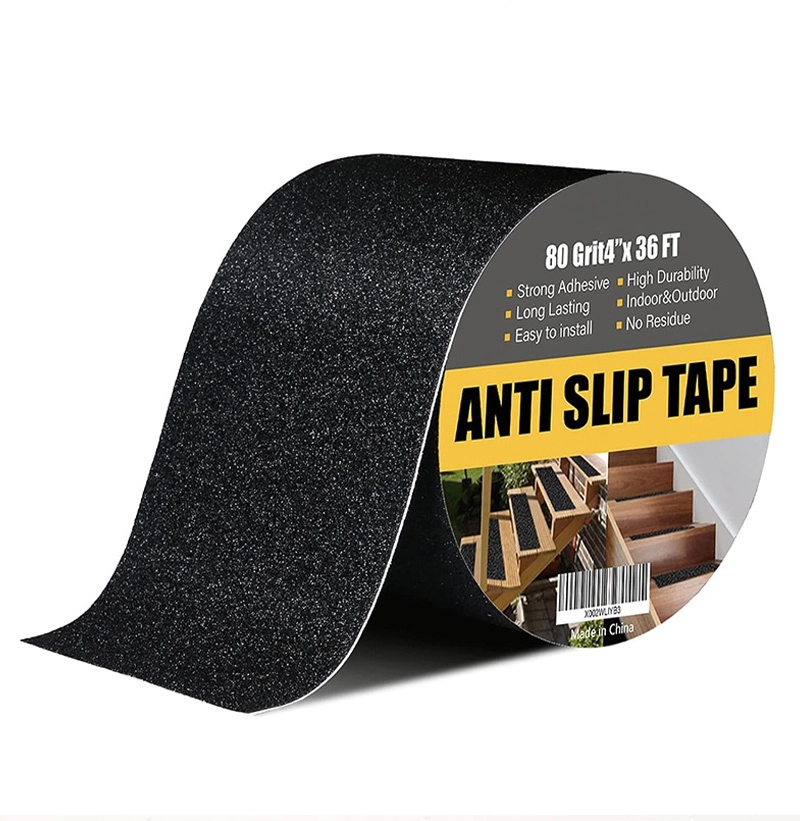
Standard Operating Procedures for Mounting Tape in Sub-Zero Settings
For a moisture resistant anti skid tape to deliver an enduring bond, the floor surface must be prepared using a strict mechanical protocol. The primary step involves removing the fine layer of frost or condensation that naturally blankets cold floors. Utilizing a heavy-duty industrial heat gun or a propane floor heater over the designated path dries out the concrete substrate and raises the surface to a workable temperature window. After the floor has been dried, the area must be scrubbed using an isopropyl alcohol solvent to remove embedded oils, tire marks, and fine dust, leaving the concrete surface raw, porous, and ready for maximum adhesive wet-out.
The release liners should be removed from the tape step by step to avoid exposing the adhesive layer to moist air before it makes contact with the floor. Once positioned, the adhesive must be forced into the concrete surface texture using heavy mechanical pressure applied directly to the center of the tape. While a standard hand-rubbing method is common practice for packing tapes, this approach does not generate enough force to lock a cold-resistant adhesive into porous concrete. Maintenance crews should use a heavy steel flooring roller or a specialized tamping tool to complete the installation, concentrating weight over the edges to eliminate the smallest air spaces where frost could eventually form.
Conclusion
Relying on standard commercial tapes to achieve dependable slip resistance on walk-in freezer surfaces often leads to a continuous cycle of maintenance failures. Industrial buyers recognize that pairing a heavy-duty PVC backing with a robust solvent acrylic adhesive system is the only way to end the constant battle against edge curling, adhesive crystallization, and expensive replacement costs for good. Properly preparing the concrete surface and implementing high-visibility hazard patterns preserves facility safety, protects valuable personnel, and keeps material handling equipment moving efficiently through the most challenging sub-zero environments. For operations planning to audit their existing safety protocols or implement facility-wide upgrades, the most practical next step is to request a custom sample batch to evaluate real-world traction performance under actual freezing conditions.
Frequently Asked Questions
Q1: Why does standard anti slip tape peel off freezer floors so easily?
A: Standard safety tapes generally utilize rubber or hot-melt adhesives that experience a glass transition at low temperatures. Once the temperature drops below the freezing mark, these adhesives lose their elasticity, become brittle, and crack under the mechanical stress of traffic. Furthermore, constant facility condensation creates a micro-layer of water that seeps under the edges, freezing into ice and actively lifting the tape away from the concrete floor.
Q2: Can PVC anti-slip tape be applied when the cold room is in operation at sub-zero temperatures?
A: The majority of high-performance cold room grip tapes require an initial application temperature above freezing to allow the pressure-sensitive adhesive to flow effectively into the concrete pores. If an installation must be carried out while the freezer remains operational, the specific section of the floor must be dried and heated temporarily with an industrial heat gun or an infrared floor heater immediately before applying the tape and pressing it down.
Q3: For high-traffic, dimly lit walk-in freezers, what color choice is best?
A: For dim or fog-prone cold storage facilities, high-contrast visual cues offer the most reliable performance. A high-visibility solid safety yellow or a black-and-yellow hazard stripe pattern provides forklift operators and walking personnel with unmistakable spatial guidance, maintaining excellent visibility even when moisture vapor in the air limits clear sightlines.
Recent Post



Related Products
Best-selling Products
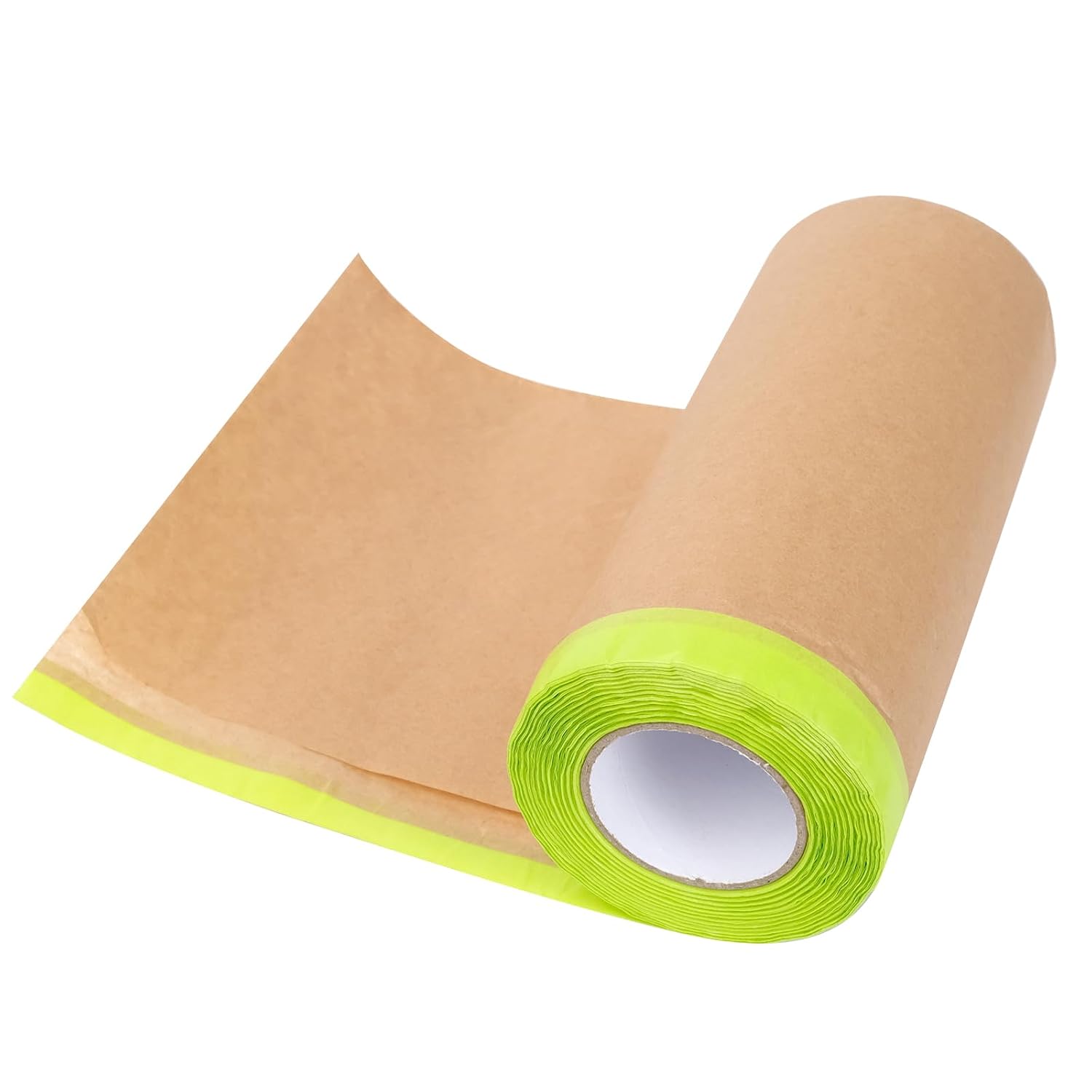
Kraft Masking Film Manufacturer
Kraft Masking Film is a protective masking material made from kraft paper, often with an adhesive edge for quick application. It helps shield floors, walls, furniture, and other surfaces from paint, dust, dirt, and overspray during decorating, renovation, and construction work. It is easy to use, cut, and remove after the job is complete.
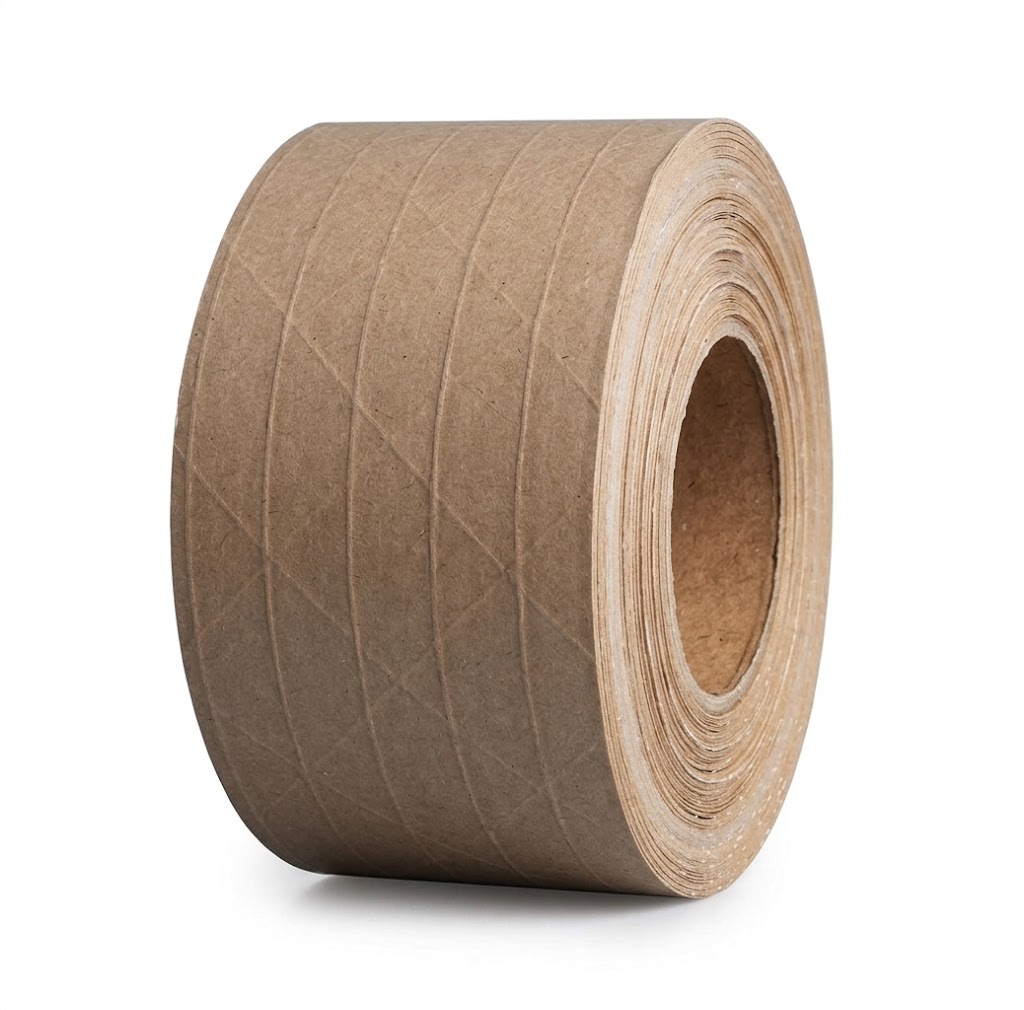
Reinforced Water-Activated Kraft Paper Tape Manufacturer
Reinforced Water-Activated Kraft Paper Tape is made from durable kraft paper reinforced with strong fibers and activated by water. It provides excellent adhesion, high tensile strength, and tamper-evident sealing, making it ideal for sealing cartons, heavy-duty packaging, and shipping boxes.
PE Self-Adhesive Kraft Paper Tape Manufacturer
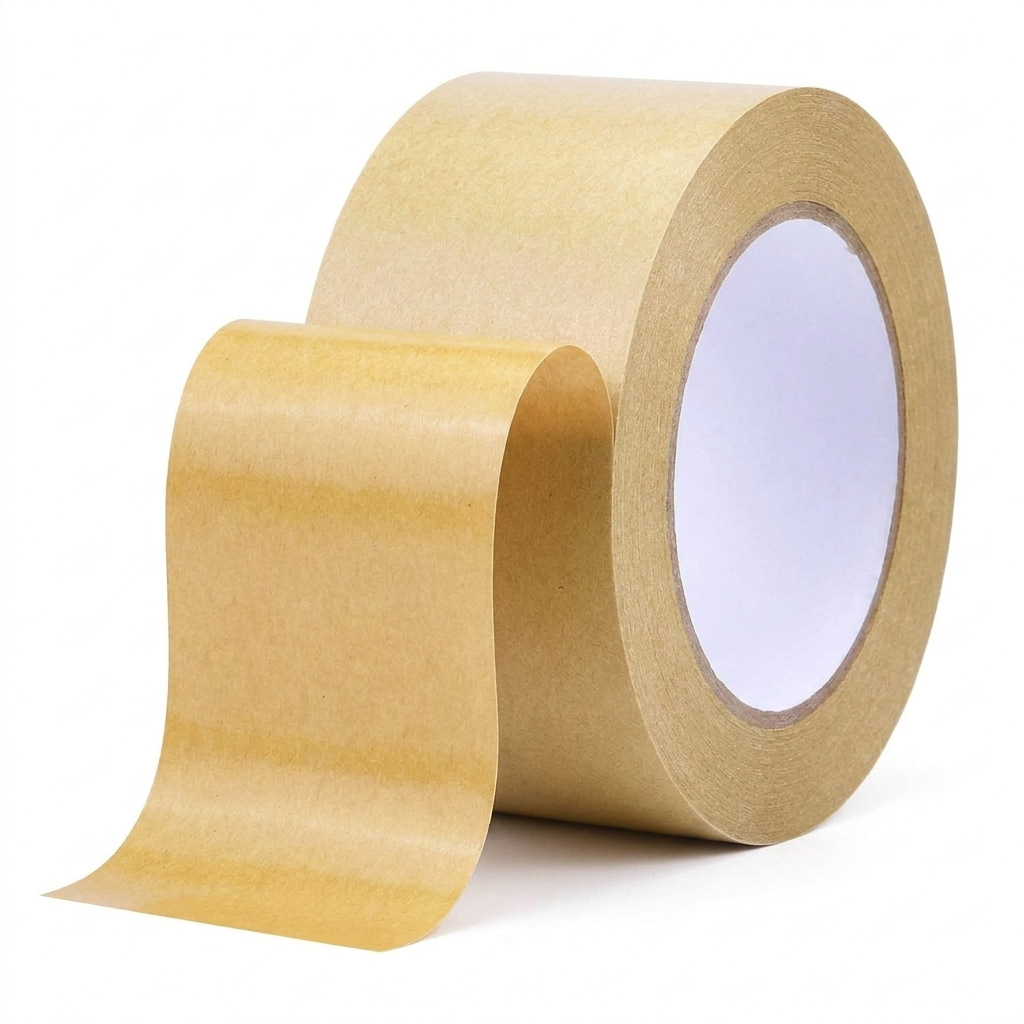
PE Self-Adhesive Kraft Paper Tape is made from durable kraft paper laminated with a PE coating and a strong pressure-sensitive adhesive. It offers moisture resistance, excellent tear strength, and reliable adhesion, making it ideal for carton sealing, packaging, bundling, labeling, and general industrial use.
Kraft Paper Tape Manufacturer
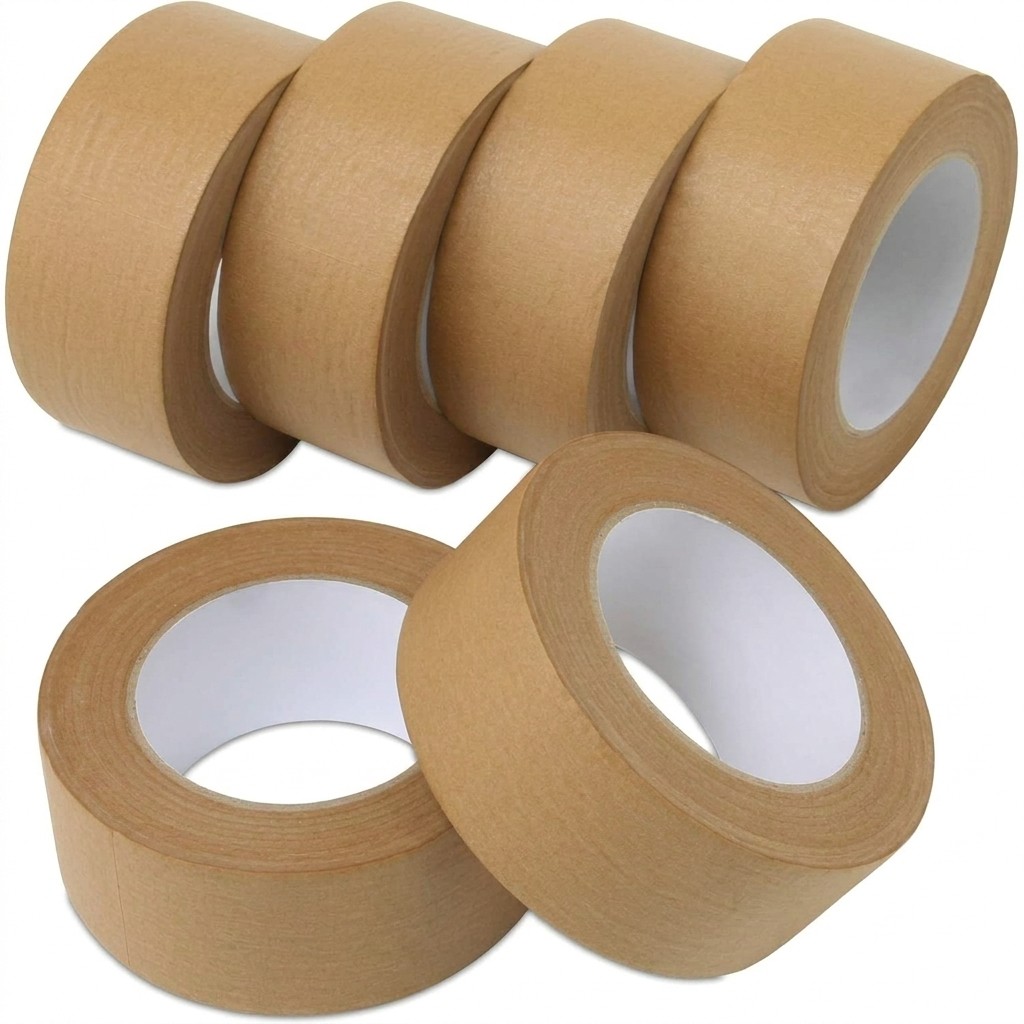
Kraft Paper Tape is an eco-friendly adhesive tape made from durable kraft paper. It provides strong adhesion, easy tearability, and reliable sealing performance, making it ideal for carton sealing, packaging, labeling, crafts, and general office use.
Halloween Caution Tape Manufacturer
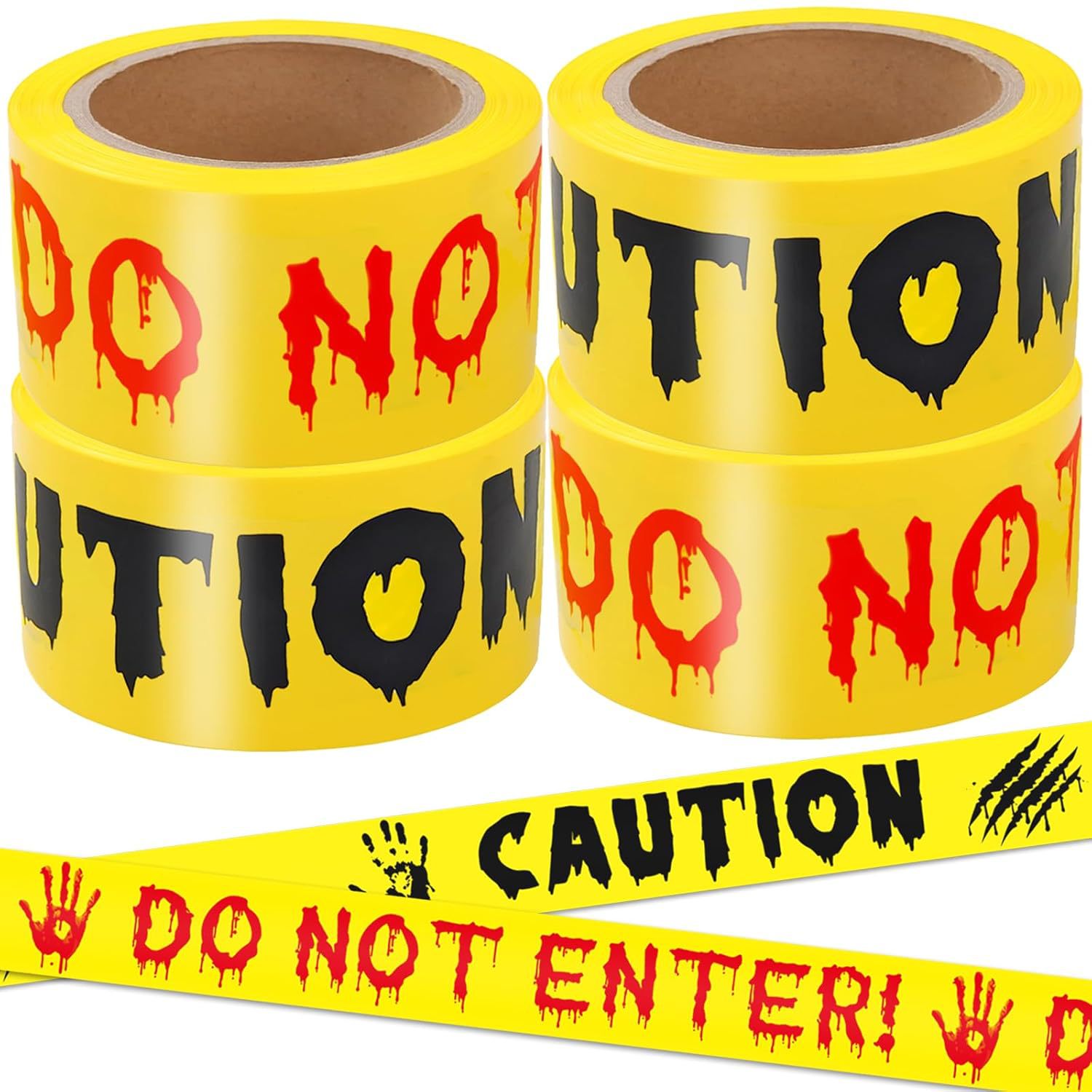
Halloween Caution Tape is a festive decorative tape featuring spooky Halloween designs and caution-style lettering. It is ideal for decorating parties, haunted houses, windows, doors, yards, and event spaces, creating a fun and eye-catching atmosphere.
Mounting Tape Manufacturer
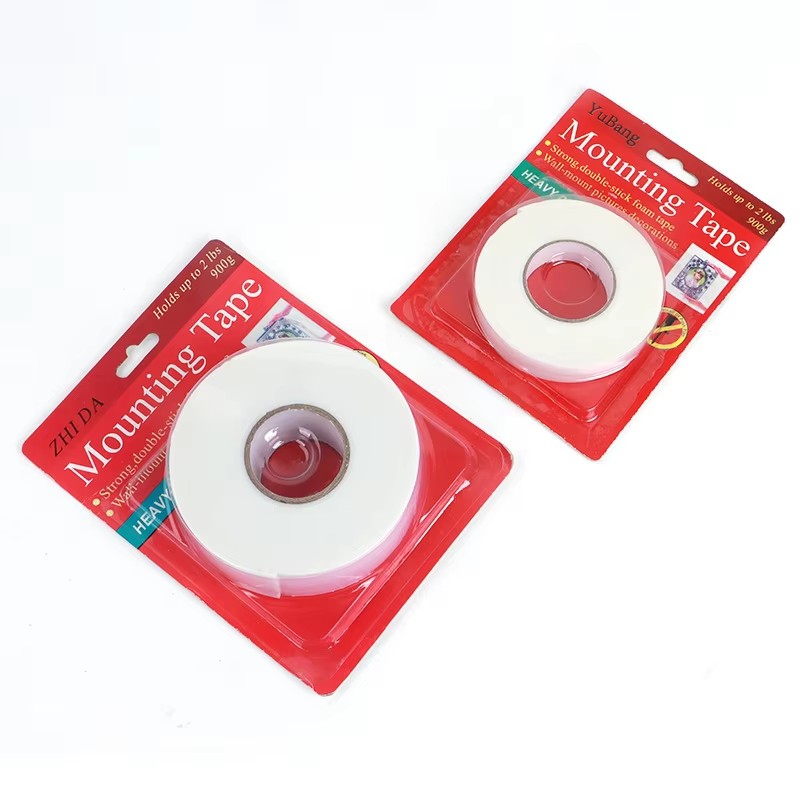
Mounting Tape is a strong double-sided adhesive tape designed for securely mounting and fixing items without screws or nails. It provides excellent adhesion, durability, and easy application, making it ideal for signs, decorations, hooks, frames, mirrors, and household or office accessories.