
-
Home

-
Blog
-
Industry News
- Metal Roof Sealing Tape Selection Guide: Why Commercial Roofers Prefer Butyl Sealant

Metal Roof Sealing Tape Selection Guide: Why Commercial Roofers Prefer Butyl Sealant
-
 author
 - 2,July
 author
 Commercial and industrial metal roofing systems present unique structural challenges that standard building materials cannot accommodate. Due to daily thermal expansion and contraction, metal panels expand in heat and contract in the cold, placing extreme mechanical stress on seams, fasteners, and overlapping joints. Over time, these movements create microscopic gaps, turning minor moisture ingress into significant structural liabilities. While liquid coatings and traditional flashings offer temporary relief, commercial roofing contractors increasingly rely on a high-grade waterproof tape for metal roof installations to establish an enduring, airtight barrier. Selecting the appropriate elastomeric compound is critical, as generic hardware-store variants lack the chemical resilience needed to withstand decades of heavy weathering and structural shifting.
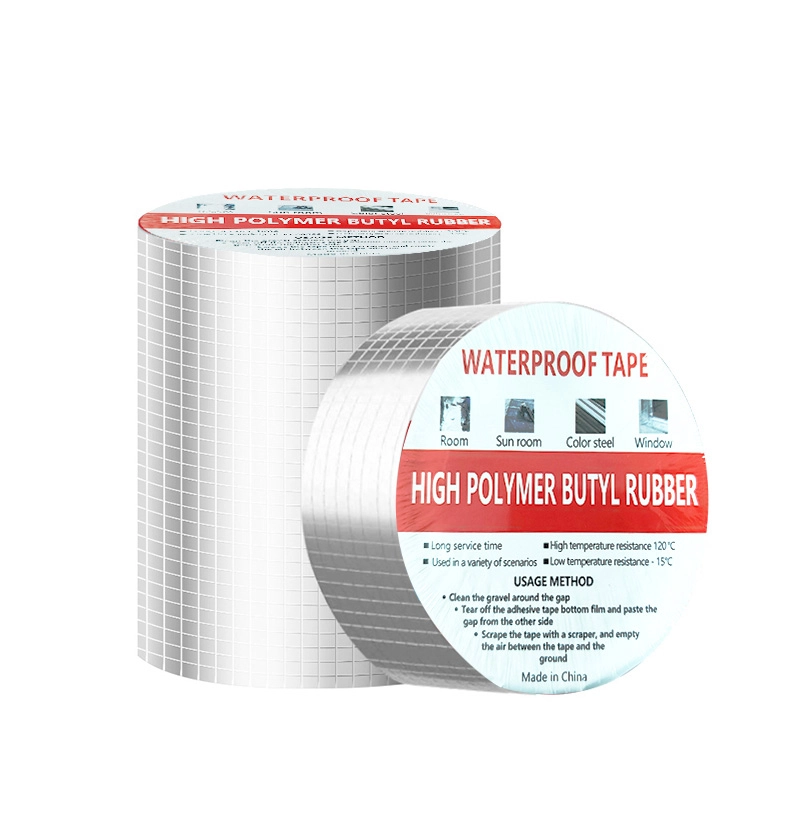
Deciding Factors: Is Butyl Tape Necessary for Metal Roofing Systems?
A frequent point of discussion among facility managers and procurement officers is whether specialized sealing materials are genuinely required, or if standard silicone caulking suffices. Experienced professionals understand that the answer lies in the physics of metal roofing assemblies. When analyzing whether is butyl tape necessary for metal roofing, one must evaluate the long-term survival of the joint seal. Standard caulking dries out, shrinks, and loses its elasticity within a few seasons of high UV exposure, leading to premature bond failure.
In contrast, an industrial butyl compound functions as a non-hardening, permanently elastic gasket. It does not cure into a rigid solid; rather, it remains pliable, absorbing the continuous shear forces generated by thermal movement without fracturing or tearing away from the steel substrate. This continuous self-healing property makes a specialized butyl tape metal roof installation an absolute necessity for lap joints, ridge caps, and roof penetration flashing where structural movement is most severe.
Performance Analysis: Can Roof Sealant Tape Be Used for Metal Roof Repairs Effectively?
When addressing the critical query, can roof sealant tape be used for metal roof repairs?, the evaluation must focus entirely on the material formulation of the adhesive backing. Generic roof tapes often utilize asphalt-based binders. While functional on traditional asphalt shingles, these products fail catastrophically on steel or aluminum panels. The chemical components in asphalt breakdown quickly under the intense heat generated by metal surfaces, which can easily exceed 70°C (160°F) during peak summer months during peak summer months. Under these temperatures, low-grade adhesives melt, liquefy, and run, leaving the roof completely unprotected.
An engineered metal roof repair tape featuring a pure butyl rubber adhesive backbone solves this issue entirely. High-performance butyl compounds maintain structural stability at elevated service temperatures while retaining aggressive cold-tack properties during winter installations. This dual-temperature capability ensures that when applied to clean metal panels, the metal roof sealer tape creates an instantaneous molecular bond that resists severe wind uplift, standing water, and direct UV radiation without dry-out or degradation.
Comparing the Varieties: Roofing Butyl Tape vs. Generic Sealing Membranes
Cross-Sectional Thickness and Structural Density
When source testing a butyl sealant tape for metal roofing, commercial roofers must evaluate the thickness and density of the extruded rubber ribbon. Light-duty general-purpose tapes are often extruded too thin, leaving insufficient material to fill the uneven gaps typical of corrugated metal roof profiles. A dedicated roofing butyl tape is manufactured with a heavy coat weight, allowing the rubber to compress completely into fasteners and seams, creating a continuous gasket that stops capillary water draw dead in its tracks.
Tensile Backing Strength and Wind Resistance
The protective backing material chosen by an industrial adhesive tape manufacturer dictating how well the seal holds up against heavy environmental friction. While some tapes utilize thin vinyl or unreinforced foils, top-tier metal roof seal tape incorporates heavy-duty aluminum or UV-stabilized woven polymers. This structural facing sheet provides the high tensile strength necessary to protect the soft butyl core from physical punctures during roof maintenance traffic and prevents a high roofing tape wind failure when strong storms exert negative pressure on roof perimeters.
The Procurement Advantage: Maximizing ROI with Honftape Manufacturing
Industrial distributors and large-scale roofing contractors require more than off-the-shelf catalog products; they need predictable material behavior verified by factory production standards. Sourcing directly from an established specialist like Yiwu Hongfu Adhesive Products Co., Ltd. provides direct access to optimized chemical profiles designed specifically for commercial roofing climates. Rather than relying on middlemarket brands that utilize filler heavy rubber formulations, ordering factory direct ensures a metal roofing butyl tape that contains zero volatile solvents, meaning the material will not shrink or dry out over its decades-long service life.
Furthermore, direct factory communication allows procurement teams to secure bespoke widths and thicknesses to match proprietary metal panel profiles perfectly. Whether stocking inventory for standard ridge cap applications or supplying high-volume projects requiring wide-width seam coverings, utilizing custom-tailored butyl tape roofing runs optimizes material usage and reduces on-site labor costs. This direct-to-factory approach eliminates supply chain volatility and ensures that every master roll complies with international quality benchmarks for long-term metal roofing tape installations.
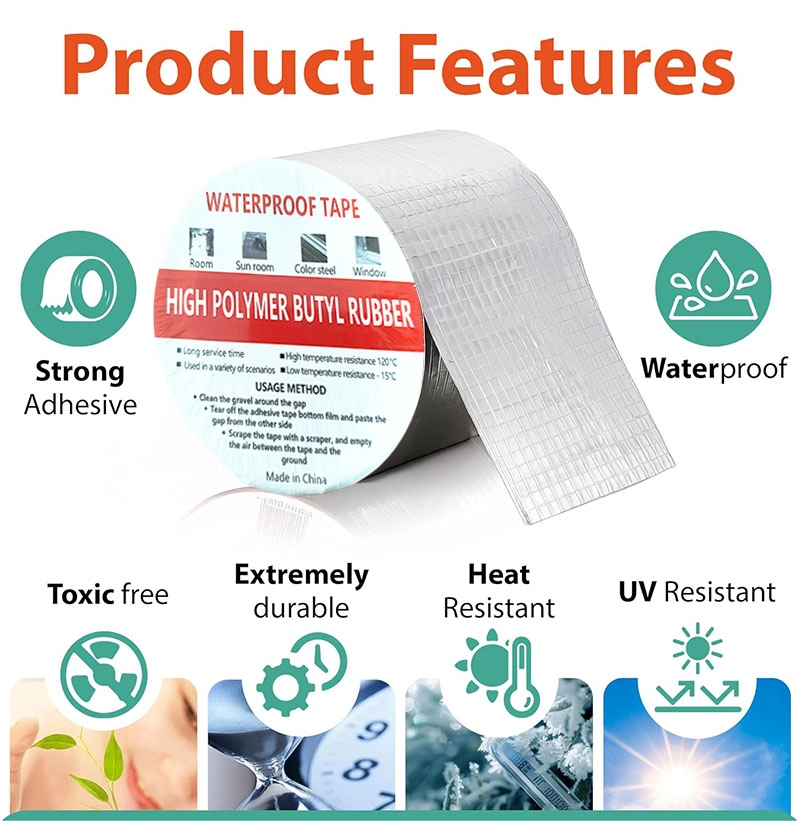
Synergizing Field Application with Comprehensive Technical Support
To achieve the maximum field service life out of any sealing tape for metal roof installations, application protocols must be followed alongside proper product selection. While the initial choice of material sets the foundation for success, field execution determines final longevity. For a complete, step-by-step masterclass on implementing these materials without the need for expensive torches or dangerous primers, building teams should reference the comprehensive butyl waterproof tape for metal roof leak repair guide, which details precise structural cleaning and mechanical rolling strategies.
Conclusion
Securing zero-leak performance on modern metal roofing systems is achieved through a deliberate combination of proper chemical selection and heavy-duty product construction. By replacing rigid, temporary liquid sealants with highly elastic butyl tape for roofing systems, structural engineers and commercial facility managers can permanently eliminate the risk of seam separation and water ingress. Partnering directly with a dedicated manufacturer for wholesale supply guarantees material consistency, exceptional thermal resilience, and a lower total cost of ownership across the building lifetime. For wholesale distribution partnerships or to verify technical compliance for an upcoming commercial development, the optimal pathway is to contact our technical sales engineering team directly to obtain custom physical samples for rigorous environmental testing.
Frequently Asked Questions
Q1: Is butyl tape necessary for metal roofing lap joints?
A: Yes, butyl tape is highly necessary for metal roofing lap joints because metal panels experience significant thermal expansion and contraction. Unlike standard caulking or liquid sealants that cure into a rigid, brittle state and crack under movement, a high-grade roofing butyl tape remains permanently flexible and self-healing, maintaining a continuous watertight gasket between overlapping panels.
Q2: Can roof sealant tape be used for metal roof repairs in freezing temperatures?
A: High-performance butyl metal roof repair tape can survive arctic service temperatures once cured; however, for effective installation in sub-zero environments, the target metal surface must be completely free of frost, dry, and warmed slightly with an industrial heat gun to allow the pressure-sensitive solvent adhesive to achieve its initial wet-out and maximum molecular bond.
Q3: What causes standard metal roof sealing tape to fail prematurely?
A: Premature failure is typically caused by selecting asphalt-based tapes instead of pure butyl rubber compounds, or due to poor surface preparation. Asphalt adhesives degrade quickly under the high UV and extreme heat generated by metal roofs, melting during summer and losing all tack. Additionally, if fine dust, surface rust, or residual oils are not scrubbed away with a strong solvent prior to application, the tape cannot fuse to the metal substrate.
Recent Post



Related Products
Best-selling Products
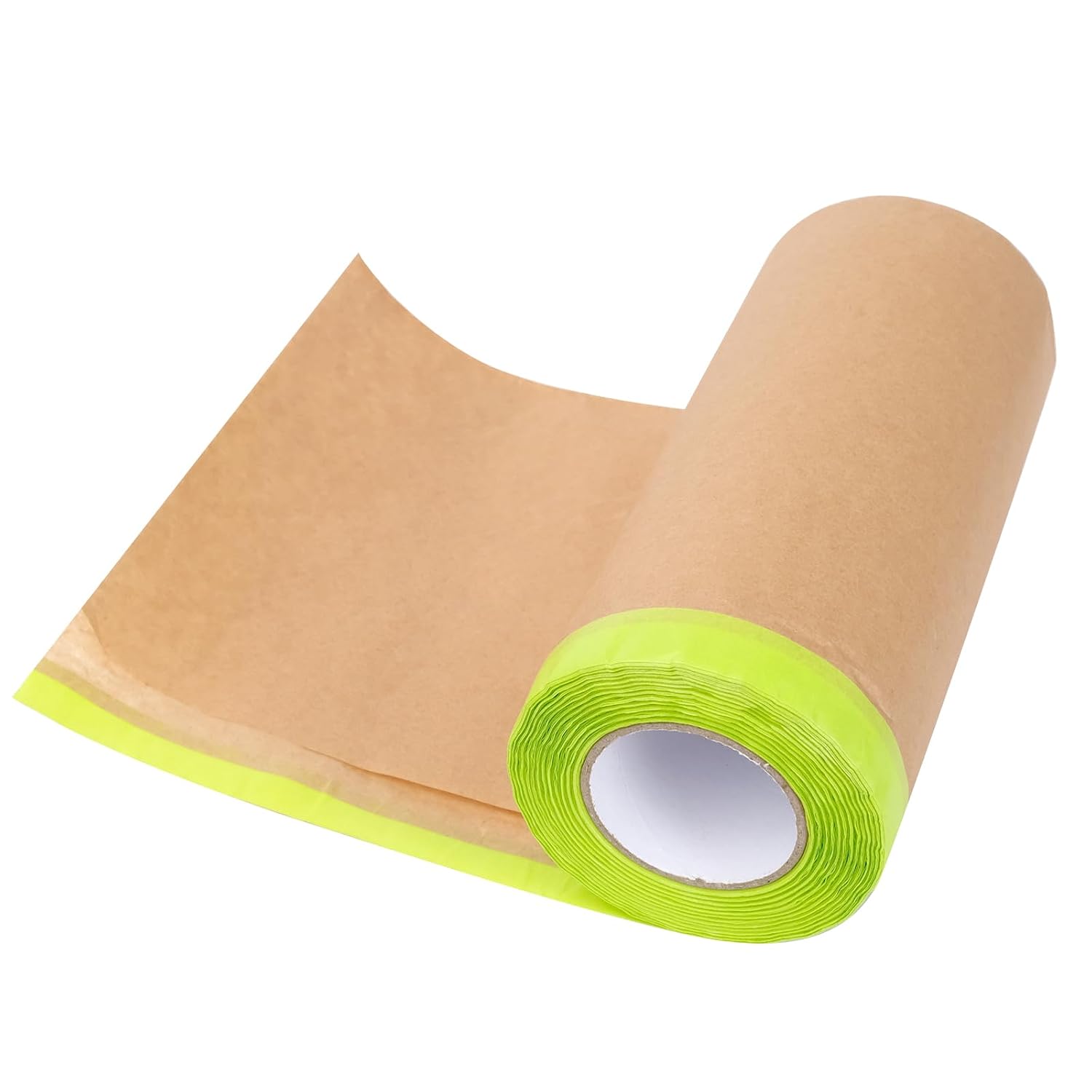
Kraft Masking Film Manufacturer
Kraft Masking Film is a protective masking material made from kraft paper, often with an adhesive edge for quick application. It helps shield floors, walls, furniture, and other surfaces from paint, dust, dirt, and overspray during decorating, renovation, and construction work. It is easy to use, cut, and remove after the job is complete.
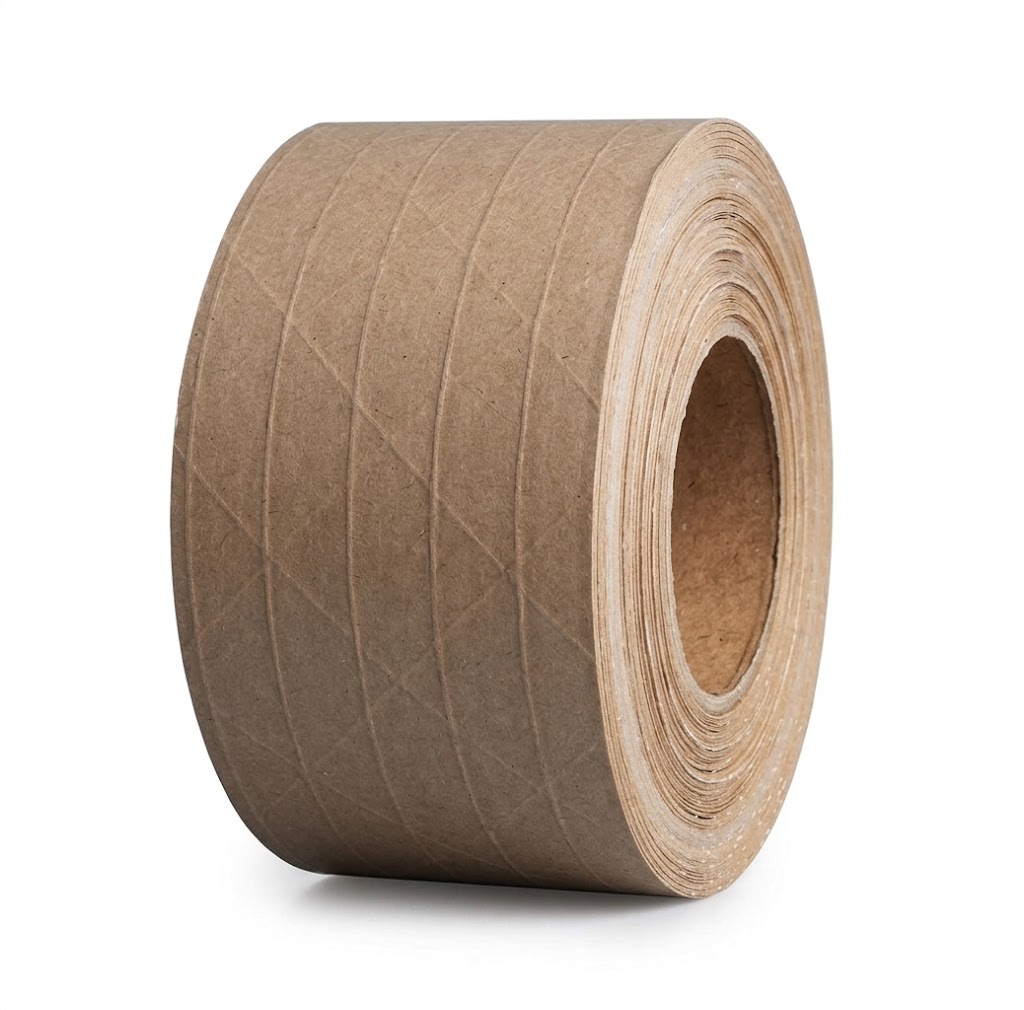
Reinforced Water-Activated Kraft Paper Tape Manufacturer
Reinforced Water-Activated Kraft Paper Tape is made from durable kraft paper reinforced with strong fibers and activated by water. It provides excellent adhesion, high tensile strength, and tamper-evident sealing, making it ideal for sealing cartons, heavy-duty packaging, and shipping boxes.
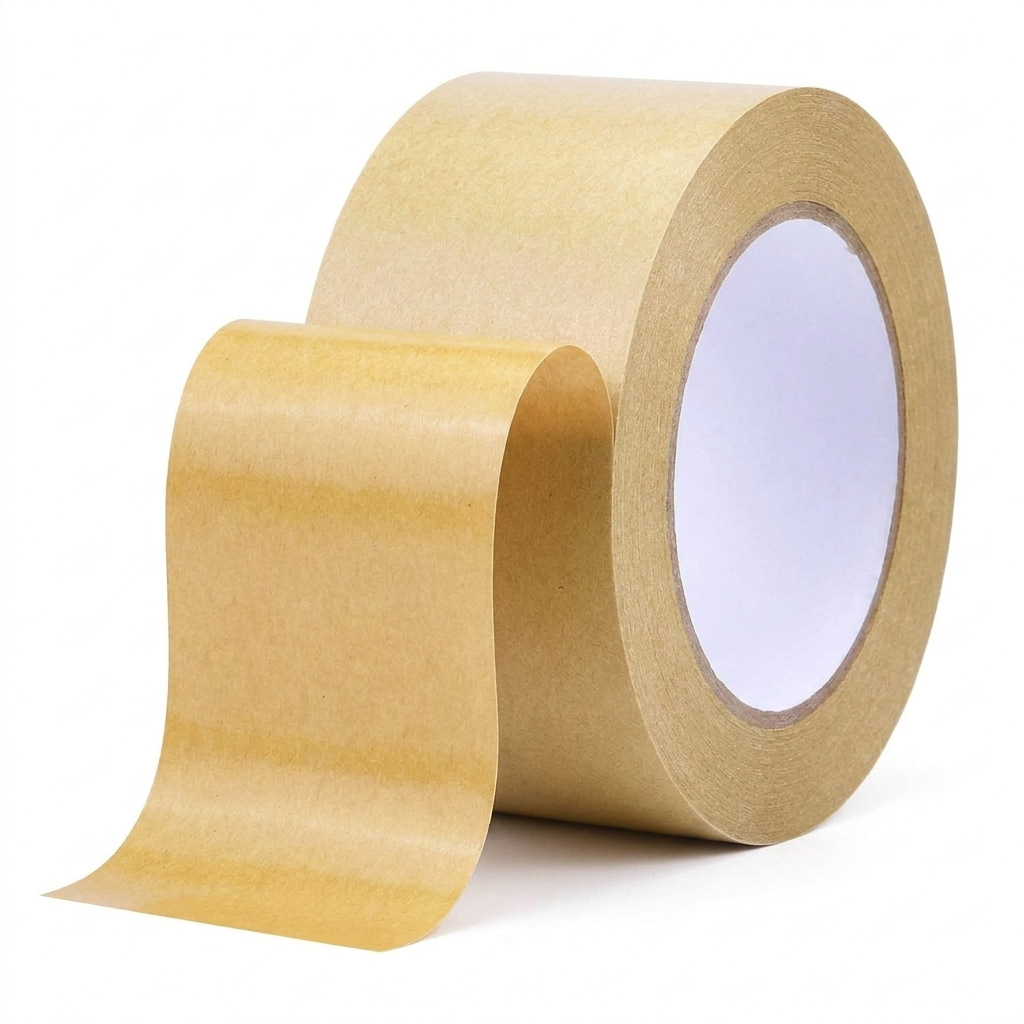
PE Self-Adhesive Kraft Paper Tape Manufacturer
PE Self-Adhesive Kraft Paper Tape is made from durable kraft paper laminated with a PE coating and a strong pressure-sensitive adhesive. It offers moisture resistance, excellent tear strength, and reliable adhesion, making it ideal for carton sealing, packaging, bundling, labeling, and general industrial use.
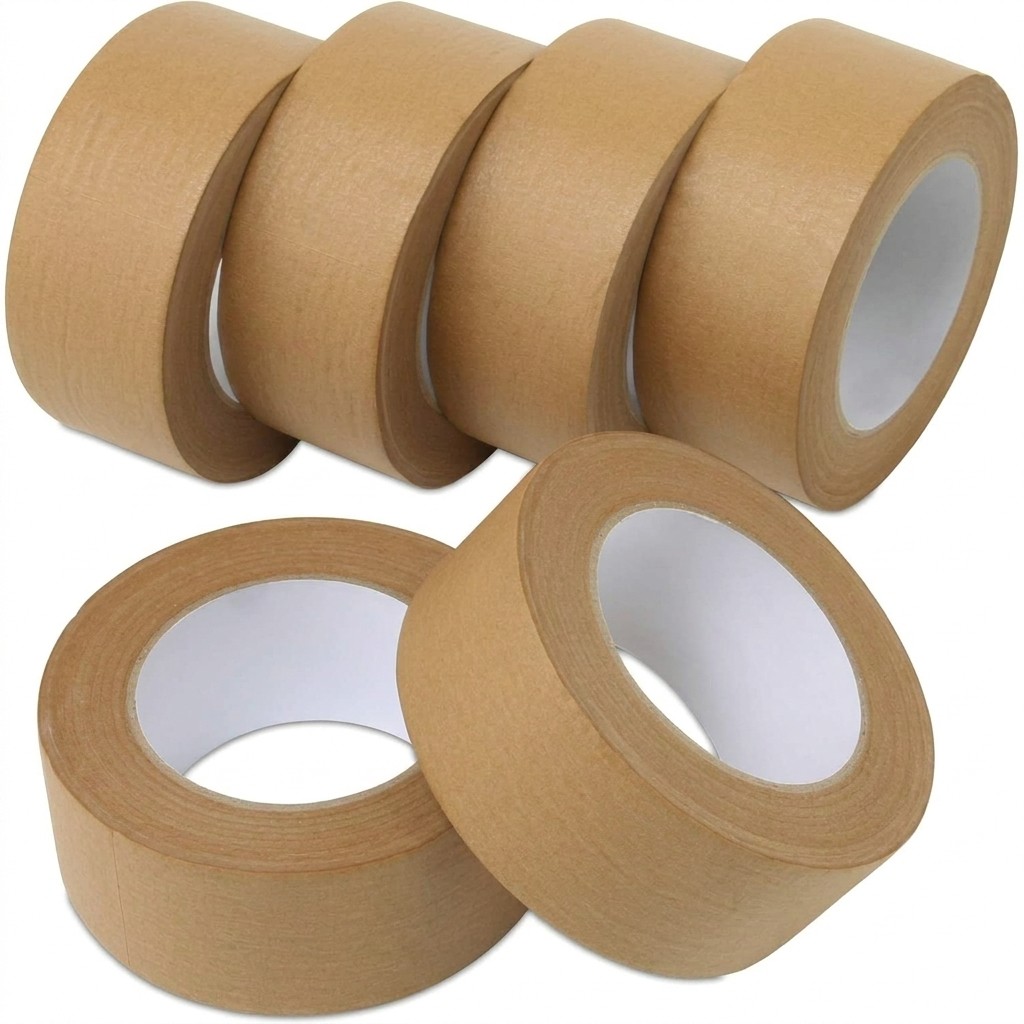
Kraft Paper Tape Manufacturer
Kraft Paper Tape is an eco-friendly adhesive tape made from durable kraft paper. It provides strong adhesion, easy tearability, and reliable sealing performance, making it ideal for carton sealing, packaging, labeling, crafts, and general office use.
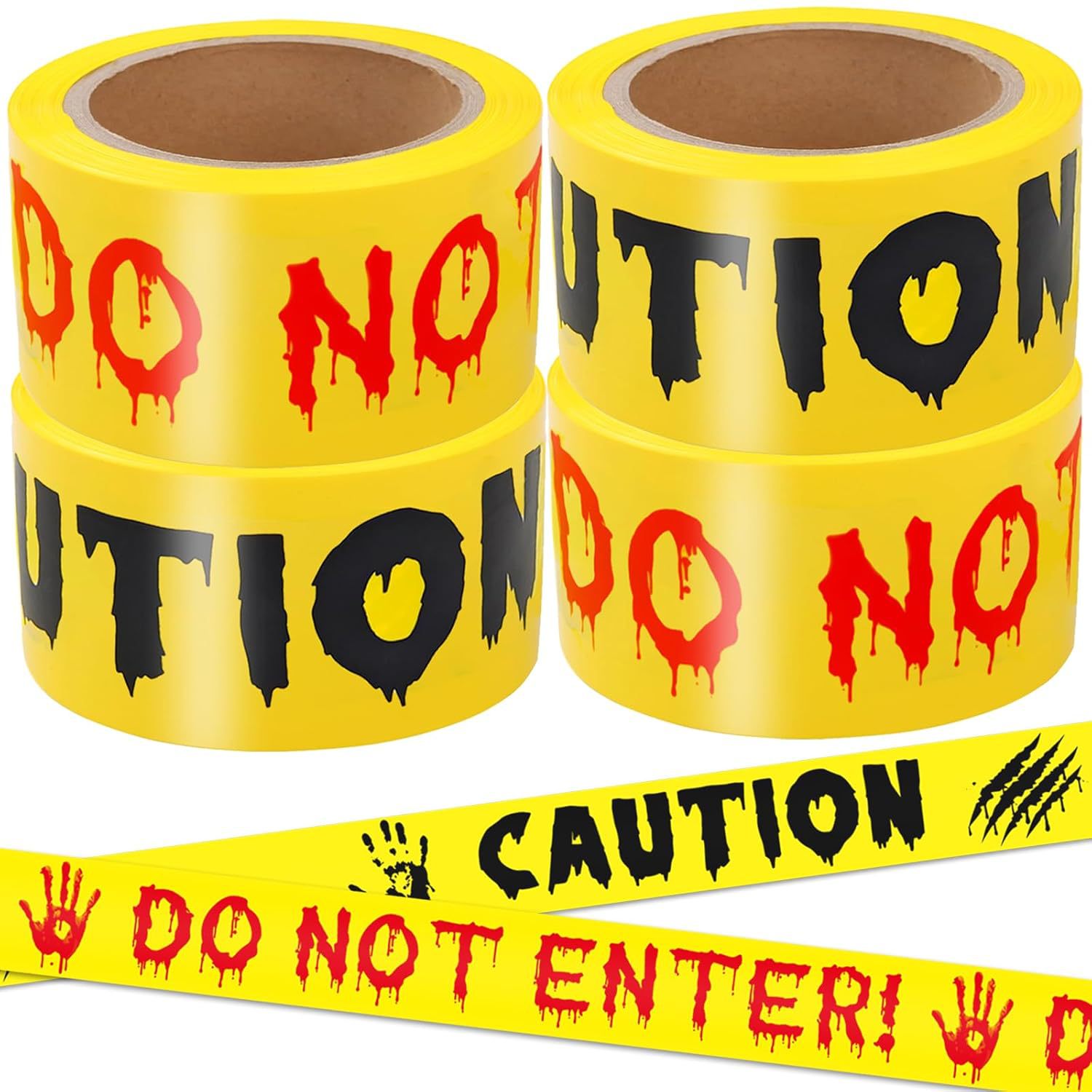
Halloween Caution Tape Manufacturer
Halloween Caution Tape is a festive decorative tape featuring spooky Halloween designs and caution-style lettering. It is ideal for decorating parties, haunted houses, windows, doors, yards, and event spaces, creating a fun and eye-catching atmosphere.
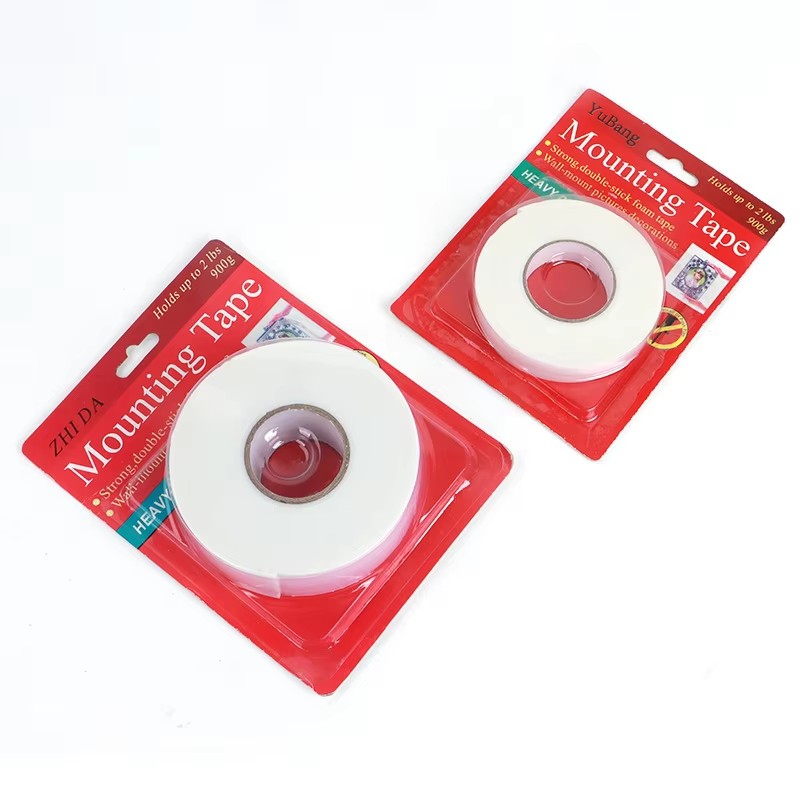
Mounting Tape Manufacturer
Mounting Tape is a strong double-sided adhesive tape designed for securely mounting and fixing items without screws or nails. It provides excellent adhesion, durability, and easy application, making it ideal for signs, decorations, hooks, frames, mirrors, and household or office accessories.