RV Repair Tape for Camper Roof Leak Sealing and Repairs
  • 7,August

RV Repair Tape for Camper Roof Leak Sealing and Repairs

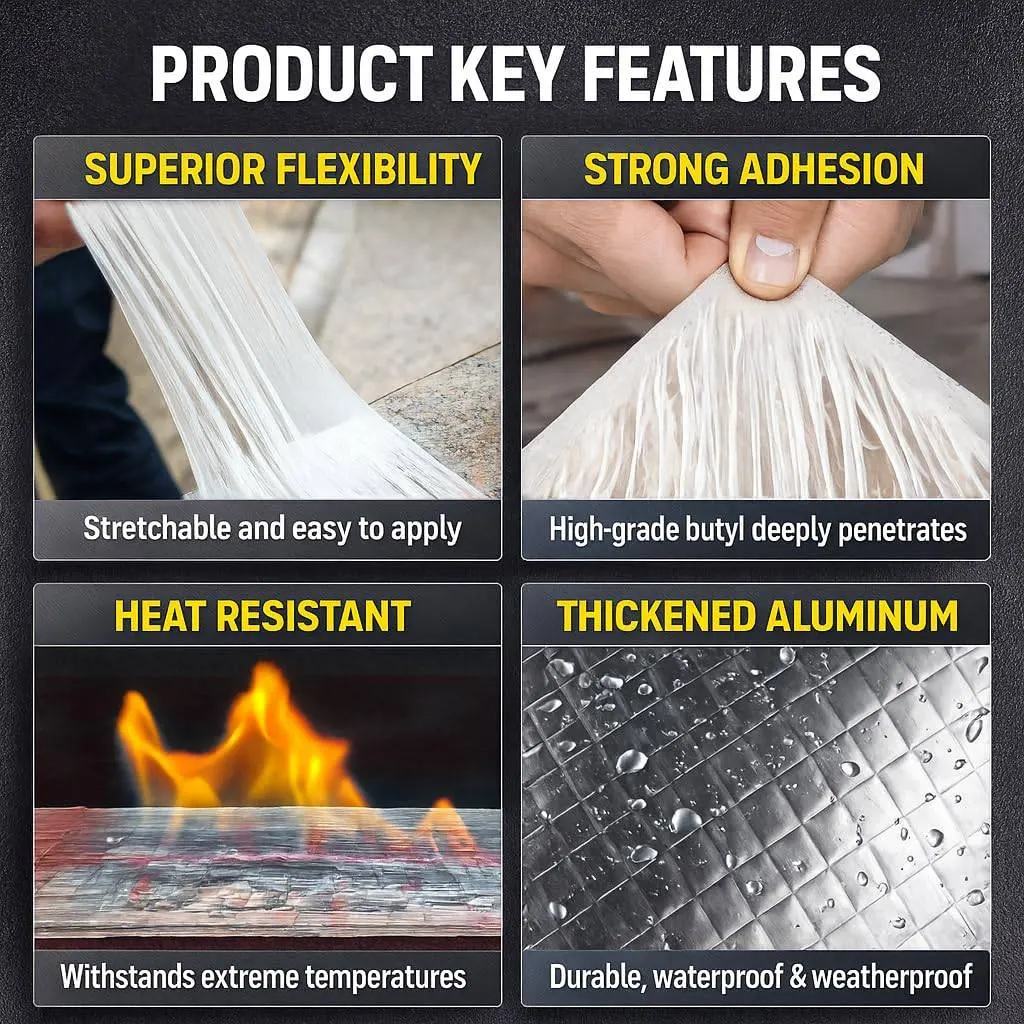
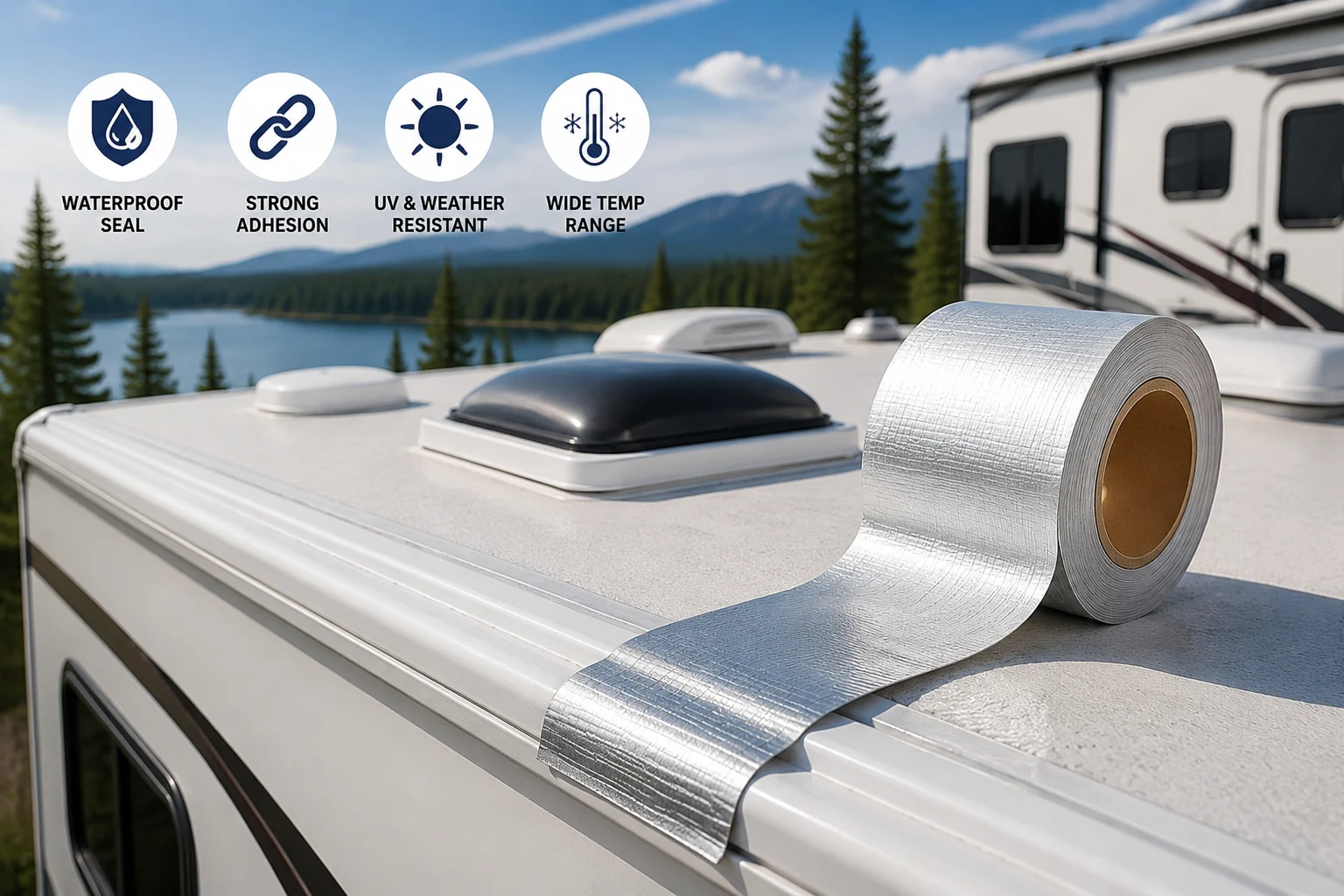
An RV roof problem often starts in a place that is easy to overlook. A small opening around a roof vent, a worn seam after years of outdoor exposure, or a loose sealing area near an exterior connection may not look serious at first. But after repeated rain, temperature changes, and road vibration, moisture can gradually find its way inside the vehicle. For RV owners, these situations often happen during travel. A leak discovered at a campground or during a road trip is not always easy to repair immediately. Having a compact repair material available can help protect the affected area until a more complete maintenance job can be arranged. For RV accessory distributors and repair product suppliers, these user needs create demand for products that are easy to store, simple to apply, and suitable for outdoor conditions. RV repair tape is designed for waterproof sealing and maintenance applications, including camper roofs, seams, vents, and other exterior repair areas. It provides a convenient option for users who need quick protection against water exposure. HONF manufactures adhesive tape products for construction, industrial, and repair applications. The company develops waterproof tape solutions for customers looking for outdoor sealing products, customized specifications, and B2B supply cooperation.   Common RV Leak Problems That Require Fast Repair Roof Seams, Vents, and Exterior Connection Areas RV roofs are exposed to more than just rain. During normal use, campers and trailers experience sunlight, wind, temperature changes, and constant movement on the road. These conditions can gradually affect sealing areas, especially around places where different materials connect. Common areas that may require repair include: Roof seams Vent openings Skylight edges Window frames Awning rails Exterior joints Roof vents are one area that often receives attention during maintenance. The opening itself may remain stable, but the surrounding sealant can become worn after long-term exposure. Many RV owners keep RV roof repair tape available because it can be used when small leaks appear around these vulnerable areas. For example, a camper parked outdoors after a heavy storm may show moisture around a ceiling vent. A temporary seal applied quickly can help reduce further water entry before professional repair. How Weather and Travel Conditions Affect RV Sealing RV maintenance is different from many stationary building repairs. A house usually stays in one location. An RV moves through different environments. A single trip may include: Hot highway conditions Heavy rain Cold overnight temperatures Dusty outdoor parking areas These changes place additional stress on exterior sealing points. Road vibration can also affect areas where different surfaces meet. Over time, small gaps may appear around seams or connection points. For this reason, many travelers carry camper repair tape as part of their basic maintenance supplies. It takes little storage space and can be useful when unexpected situations happen away from a repair facility. How RV Repair Tape Helps with Waterproof Maintenance Building a Strong Seal on Outdoor Surfaces Outdoor repair tape needs to perform differently from ordinary indoor adhesive products. An RV may stay under direct sunlight for weeks or face heavy rainfall during a trip. The tape needs to maintain adhesion while dealing with changing outdoor conditions. When selecting waterproof RV tape, buyers usually consider: Feature Buyer Consideration Adhesive strength Helps maintain bonding after application Surface compatibility Determines whether the tape fits different repair areas Waterproof performance Supports outdoor sealing applications Flexibility Helps cover curved or uneven surfaces Roll size Matches different customer requirements HONF RV repair tape is developed for outdoor sealing applications where adhesion and waterproof protection are important factors. Depending on the repair situation, the tape can be used around areas such as roof surfaces, seams, and exterior connection points.   Easy Application for Field Repairs One reason repair tape is commonly used in RV maintenance is the simple application process. Most field repairs do not require special tools. A basic application process includes: Cleaning dirt, dust, or loose material from the repair area. Cutting the required tape length. Removing the release liner. Applying the tape onto the surface. Pressing firmly to improve contact. For RV users, the convenience matters. A repair product that can be stored inside a vehicle and used when needed is often more valuable than a complicated system requiring professional equipment. What Buyers Should Know Before Sourcing RV Repair Tape Adhesion, Material Compatibility, and Product Specifications For distributors and importers, product selection involves more than checking whether a tape can stick. They need to consider how the product will be used in the market. Important factors include: Adhesive performance Available roll widths Product packaging Outdoor durability Application range Different customers may have different expectations. An RV accessory retailer may need consumer-friendly packaging for shelves. A repair product supplier may focus more on bulk supply, customized specifications, or private-label options. Understanding these differences helps manufacturers develop products that fit different business requirements. OEM, Packaging, and Distributor Requirements For overseas buyers, supplier capability is an important part of the sourcing process. Distributors often look at: Production consistency OEM support Custom packaging options Specification flexibility Communication efficiency A manufacturer that understands both product performance and market requirements can provide better support for long-term cooperation. HONF works with business customers that need adhesive tape manufacturing solutions, including customized products for construction, repair, and industrial applications. Applications of RV Repair Tape Beyond Camper Roof Repair Outdoor Equipment and Emergency Maintenance Although RV maintenance is one of the main applications, waterproof repair tape can also support other outdoor repair situations. Common uses may include: Tents Tarps Outdoor covers Camping equipment Temporary waterproof repairs Outdoor users often prefer products that are easy to carry and ready to use when conditions change. For distributors, adding RV sealing tape to an outdoor maintenance product range can help serve customers who need simple repair materials for different activities. Selecting an RV Repair Tape Manufacturer for Business Supply Choosing an RV repair tape supplier involves evaluating more than the product itself. Importers and brands usually consider: Manufacturing capability Quality consistency Customization options Packaging requirements Supply stability HONF specializes in adhesive tape manufacturing for construction, industrial, and repair markets. The company provides tape solutions for customers looking for waterproof sealing products, customized specifications, and OEM cooperation. For RV accessory distributors, outdoor product brands, and repair material suppliers, working with a manufacturer that understands application requirements can make product sourcing more efficient. Conclusion RV repairs are often about dealing with small issues before they become larger problems. A damaged seam or loose sealing area may not immediately stop a trip, but moisture can create additional repair work if the area is left exposed for too long. Using RV repair tape gives users a convenient option for waterproof sealing during travel, maintenance, and outdoor activities. For businesses sourcing repair tape products, supplier capability is also part of the decision. Product specifications, customization options, and production support all influence whether a product can meet market demand. HONF provides adhesive tape manufacturing solutions for customers looking for waterproof repair products and customized supply cooperation. FAQ Q1: What is RV repair tape used for? A: RV repair tape is commonly used for sealing camper roofs, seams, vents, cracks, and exterior areas where waterproof protection is needed. It is often used for maintenance repairs and temporary sealing during travel. Q2: Can RV roof repair tape seal leaks around vents and seams? A: Yes. RV roof repair tape can be applied around roof seams, vent edges, and other exterior connection areas where moisture may enter. Proper surface preparation helps improve adhesion. Q3: How long does waterproof RV tape last outdoors? A: The service life of waterproof RV tape depends on factors such as weather exposure, surface condition, installation method, and usage environment. Products designed for outdoor applications are generally better suited for changing conditions. Q4: What surfaces can camper repair tape be applied to? A: Camper repair tape can be used on many common outdoor repair surfaces, depending on product specifications and surface conditions. Buyers should check material compatibility before application. Q5: What should distributors consider when sourcing RV repair tape? A: Distributors usually evaluate adhesive performance, roll sizes, packaging options, customization capability, and supplier production capacity when selecting RV repair tape products.
Deck Joist Tape Guide Protect Deck Framing from Moisture
  • 6,August

Deck Joist Tape Guide: Protect Deck Framing from Moisture

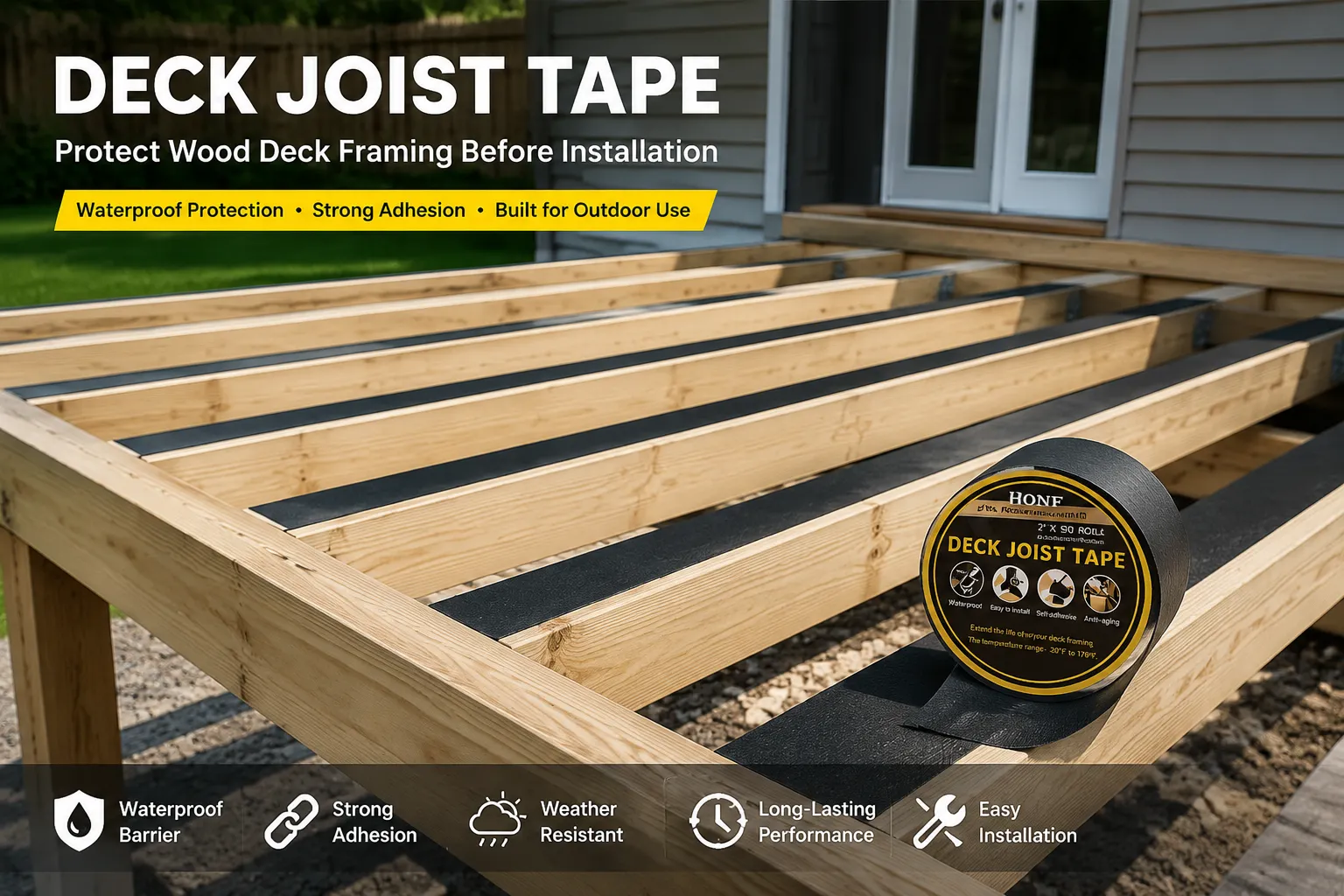
Deck framing is usually completed quickly on a busy construction site, but the material choices made at this stage can affect the condition of the structure later. The joists are installed before anyone sees the finished surface. After the decking boards, railings, and other components are in place, most of these areas are no longer easy to access. During this stage, the top of a joist is directly exposed to jobsite conditions. Rain, morning moisture, dust, and repeated temperature changes can all affect the wood surface. Water may also stay around screw locations after the decking is installed. For builders working with wood decks, protecting these areas before closing the structure is part of the installation planning. Deck joist tape is applied on the exposed joist surface before the deck boards are fixed, creating an additional layer between the wood and outdoor moisture. The installation does not change the normal construction process. Workers can measure the required length, apply the tape, and continue with the next installation step. For construction material buyers, product selection usually involves several factors. Adhesive strength, tape width, roll specifications, packaging, and supplier production ability all need to match the requirements of the target market. HONF manufactures adhesive tape products for construction, industrial, and repair applications. The company supplies waterproof tape and specialty adhesive products for customers looking for customized specifications and B2B supply cooperation.   Why Deck Framing Needs Protection Before Installation Moisture Often Enters Through Small Openings A completed deck hides most of the structural components underneath. Homeowners see the finished boards and overall appearance, while builders focus on what supports the structure below. Joists are exposed to outdoor conditions throughout the year. Even when builders use pressure-treated lumber, moisture can still reach the surface through rainfall, condensation, and fastener openings. The problem usually develops slowly. A typical moisture cycle looks like this: Rainwater reaches the exposed wood surface. The lumber absorbs moisture. The surface dries during warmer periods. The same process repeats over different seasons. After years of repeated exposure, these small moisture events may affect the condition of the framing. Areas that usually receive more attention include: Area Reason for Protection Joist tops Direct exposure before decking installation Screw locations Small openings created during fastening Beam connections Areas where moisture may collect Ledger areas Important structural connection points This becomes more noticeable in regions with frequent rainfall, coastal humidity, or strong seasonal temperature changes. Protecting the Structure While It Is Still Accessible Timing matters during deck construction. Once wood boards or composite decking are installed, reaching the joists underneath becomes difficult. Removing finished materials later can increase labor costs and extend repair time. Applying deck flashing tape before installation keeps the process simple. The worker can clean the joist surface, apply the tape, and continue with the normal construction workflow. There is no need for complicated equipment or additional preparation steps. For many installers, that is the main advantage. The protection process fits into the job instead of interrupting it. How Deck Joist Tape Works During Construction Creating a Barrier on Exposed Joist Surfaces The purpose of deck joist tape is straightforward. It covers exposed areas of the framing before they are hidden beneath the finished deck surface. During installation, the tape is applied along the top of joists and beams. After the decking boards are attached, the tape remains between the wood and possible moisture exposure. The installation process generally includes: Cleaning dust and loose materials from the joist surface. Measuring the required tape length. Removing the release liner. Applying the tape directly onto the wood. Pressing the surface to improve contact. Because the installation process is simple, many contractors can add it to their existing workflow without changing their normal construction methods.   Supporting Different Decking Materials and Project Types Deck projects vary depending on location, design, and material choice. Some residential projects use pressure-treated pine. Others may use cedar framing or composite decking systems. Commercial outdoor structures may require different specifications because of size, traffic, and exposure conditions. The material selection may change, but the construction goal remains similar: protect vulnerable areas before they become difficult to reach. For these applications, waterproof tape for deck joists provides an additional layer of protection during the framing stage. What Builders Should Consider When Choosing Deck Protection Tape Adhesive Performance for Outdoor Conditions Not every adhesive tape product is designed for outdoor construction. A deck protection tape needs to maintain contact after installation while facing changing weather conditions. Summer heat, winter cold, rainfall, and humidity can all affect how a material performs over time. When selecting deck joist tape, contractors and purchasing teams usually check several product factors: Feature Why It Matters Adhesive strength Helps the tape stay attached after installation Tape thickness Affects coverage and protection level Flexibility Makes application easier on different surfaces Roll width Matches different framing sizes and project requirements Weather resistance Supports outdoor exposure conditions A tape that performs well during installation but loses adhesion after outdoor exposure may not meet project expectations. For this reason, professional buyers often evaluate both product specifications and the supplier behind the product. Different Buyers Have Different Requirements A local deck installer and an international distributor usually approach purchasing from different angles. A contractor may focus on: Easy installation Consistent application Suitable roll sizes Performance on the jobsite A distributor or importer may also consider: Packaging options OEM availability Production capacity Supply planning The right product depends on where and how it will be used. For manufacturers, understanding these differences helps create products that fit different markets instead of offering only one standard option. Where Deck Flashing Tape Is Used Residential Deck Construction Outdoor living spaces continue to grow in many markets. Homeowners are building larger decks, patios, balconies, and backyard structures for everyday use. Although the finished surface receives most of the attention, the supporting frame remains an important part of the project. Common applications for wood deck protection tape include: Residential wood decks Elevated deck platforms Balcony structures Outdoor stairs Garden structures The tape remains hidden after installation. That is normal for many construction materials. Products used in framing are often designed to protect the structure rather than become part of the visible appearance. Commercial Outdoor Projects Commercial outdoor structures often require materials that can perform consistently across multiple installations. Restaurants, hotels, resorts, and public spaces may include outdoor wooden areas exposed to regular weather changes. For suppliers serving these industries, adding products such as deck waterproofing tape can help expand their construction material offering. Contractors working on commercial projects usually look for materials that are easy to install, available in stable supply, and suitable for repeated use. Choosing the Right Deck Joist Tape Manufacturer Manufacturing Capability Matters for Business Buyers For importers and distributors, selecting a supplier involves more than checking one product sample. They usually consider: Manufacturing consistency Product customization Packaging requirements Production capacity Communication efficiency A suitable deck joist tape manufacturer should understand both the product requirements and the needs of different markets. For example, one distributor may need standard rolls for hardware channels, while another may require customized packaging for a private-label brand. Flexible production support allows suppliers to respond to different business situations. Why Choose HONF for Adhesive Tape Solutions HONF specializes in adhesive tape manufacturing for construction, industrial, household, and commercial applications. The company develops tape products based on practical application requirements. Its product range includes waterproof tapes, repair tapes, and specialty adhesive products designed for different working environments. For businesses sourcing construction tape products, HONF supports: OEM cooperation Customized specifications Packaging requirements B2B supply projects Whether the customer is a contractor, distributor, or private-label brand, HONF works with partners to develop adhesive tape products based on specific market requirements. Conclusion A deck frame is easy to overlook after the final boards are installed. It stays hidden, but it continues to face outdoor conditions throughout the year. During construction, protecting exposed joist surfaces is one of the steps that can be completed before access becomes limited. Using deck joist tape gives builders a simple way to add moisture protection while the structure is still open. For construction companies, the product choice depends on project conditions, installation needs, and expected performance. For distributors and importers, selecting a suitable deck joist tape manufacturer also involves evaluating customization options, production ability, and supply support. HONF provides adhesive tape manufacturing services for construction and industrial markets. Businesses looking for customized tape specifications or supply cooperation can contact HONF to discuss their application requirements. FAQs Q1: When should builders install deck joist tape? A: Most builders apply deck joist tape after completing the framing and before installing the decking boards. This stage allows workers to access the joist surface easily and complete the application efficiently. Q2: Can deck flashing tape be used with pressure-treated lumber? A: Yes. Deck flashing tape is commonly used with pressure-treated lumber, cedar framing, and other outdoor wood materials. It adds another protective layer in areas that may experience repeated moisture exposure. Q3: What should buyers consider when choosing waterproof tape for deck joists? A: Buyers usually review adhesive performance, tape dimensions, weather resistance, and production capability. The right waterproof tape for deck joists depends on the project environment and application requirements. Q4: What should distributors look for in a deck joist tape manufacturer? A: Distributors usually consider product consistency, OEM capability, packaging options, and supply stability. A suitable deck joist tape manufacturer should be able to support different market requirements. Q5: Does HONF offer customized adhesive tape products? A: Yes. HONF provides customized adhesive tape solutions for business customers, including different specifications, packaging requirements, and supply support for construction and industrial applications.
High Temperature Adhesive Tape for Industrial Bonding Applications
  • 30,July

High Temperature Adhesive Tape for Industrial Bonding Applications

HONF provides high temperature adhesive tape solutions for industrial bonding. We offer reliable adhesion & custom specs for manufacturing projects.
How to Choose Waterproof Sealing Tape for Extreme Weather Applications
  • 23,July

How to Choose Waterproof Sealing Tape for Extreme Weather Applications

Sourcing waterproof sealing tape & butyl tape? HONF provides reliable outdoor durability and flexible customization options for global B2B buyers.
Heavy-Duty Nano Tape Sourcing Why Acrylic Gel Beats Silicone at High Temperatures
  • 16,July

Heavy-Duty Nano Tape Sourcing: Why Acrylic Gel Beats Silicone at High Temperatures

Sourcing heavy-duty nano tape? Discover why modified acrylic gel is essential for heat resistance, preventing container melt, and securing B2B supply chains.
Why Does Nano Tape Fail on Painted Walls (The B2B Sourcing Guide to Damage-Free Gel Tapes)
  • 9,July

Why Does Nano Tape Fail on Painted Walls? (The B2B Sourcing Guide to Damage-Free Gel Tapes)

The global market for double-sided pressure-sensitive adhesives has seen a massive shift with the rise of reusable acrylic gel strips. E-commerce platforms and retail shelves are packed with listings promising near-magical hanging capabilities. However, a significant portion of consumers quickly encounter a frustrating issue, leading them to search online for why does nano tape peel off paint. For e-commerce brands, custom distributors, and hardware importers, this single question represents a major business risk. When a retail customer experiences a nano tape ruined wall, the immediate result is often a costly product return and a devastating wave of amazon 1-star reviews gel tape listings. Understanding the exact mechanical reasons behind this widespread failure allows commercial buyers to make informed purchasing choices, protect their brand reputation, and choose manufacturing partners capable of delivering reliable engineering solutions.   The Burning Pain of Amazon Sellers: “It Ruined My Wall!” Private label brands operating on online marketplaces know that product reviews directly dictate long-term profitability. Acrylic gel tape has become incredibly popular due to viral social media demonstrations showing its heavy-duty holding capabilities. Yet, the very property that makes it appealing—its intense, immediate grip—frequently becomes a financial liability when applied to standard residential surfaces. A customer buys a roll of tape hoping for a damage free double sided tape solution to hang picture frames or power strips. Instead, when they try to rearrange their decor, the adhesive strips away large chunks of drywall and latex paint. This creates a serious disconnect between consumer expectations and physical reality. The resulting product returns can quickly drain an e-commerce storefront’s profit margins. When a buyer encounters double sided tape damage wall paint situations, they do not blame their own wall prep or removal technique; they blame the brand on the box. For sourcing managers looking to stabilize their inventory, the solution does not lie in exit-intent marketing or nicer packaging. It requires a deep dive into the chemical formulation of the gel and a partnership with a transparent, quality-focused supplier. The Science of the Failure: Why Does Nano Tape Peel Off Paint? To understand why tape peels off wall paint, one must look at the mechanics of pressure-sensitive adhesion. High-quality gel tape relies on viscoelastic properties, meaning it flows into the microscopic pores of a surface to form a tight vacuum bond. This creates an exceptionally high level of acrylic gel adhesion. The problem arises because a typical residential wall consists of multiple layers, including a paper-faced gypsum drywall board, a layer of primer, and topcoats of interior latex paint. When a consumer uses a heavy duty gel tape for walls, the tape creates a bond with the outermost layer of paint. Ideally, an adhesive should exhibit clean interfacial peeling, where the tape separates cleanly from the substrate. However, if the cohesive strength of the gel tape and its bond to the topcoat exceed the structural bond strength between the paint layer and the underlying primer, structural failure occurs within the wall itself. The tape pulls the paint away because the paint was never anchored tightly enough to the drywall to withstand such intense shear and tensile forces. Factors like matte finishes, chalky contractor-grade paints, and hidden ambient moisture behind the drywall further degrade the wall’s internal integrity, making drywall tape damage almost inevitable for poorly engineered tapes. The Quick Fix: How to Remove Nano Tape Without Damaging Paint Before addressing the manufacturing changes needed to mitigate these complaints, B2B buyers must understand the end-user protocols for product preservation. Educating consumers on how to remove nano tape without damaging paint is a highly effective way to reduce return rates. When a user tries to yank the tape straight off the wall, they maximize the peel stress on the paint layer. Retail brands can significantly lower their customer service burden by including clear, step-by-step removal guidelines directly on their product packaging or digital storefronts. The Thermal Softening Method The most reliable approach relies on hair dryer nano tape removal techniques. Acrylic polymers are highly sensitive to temperature changes. By directing a standard hair dryer on a medium setting toward the bonded area for roughly sixty seconds, the user introduces thermal energy that temporarily relaxes the cross-linked polymer chains within the gel. This drops the tape’s peel adhesion values down to a fraction of their room-temperature levels, allowing the user to slowly peel the strip away at a sharp angle without pulling the underlying paint. Liquid Bond Interruption Another effective field solution involves liquid lubrication to neutralize the tape’s suction mechanics. By applying a small amount of isopropyl alcohol or warm soapy water along the top edge of the stuck tape, the liquid slowly migrates into the microscopic interface via capillary action. This systematically breaks the vacuum seal, making it significantly easier to get double sided tape over wall surfaces safely. The Mechanical Shearing Technique When dealing with exceptionally thick, high-tack gel installations, a mechanical separation method offers a great alternative to direct pulling. Users can slide a piece of thin dental floss or high-tensile fishing line behind the taped object. By using a gentle sawing motion, they cut cleanly through the center of the flexible gel layer. This leaves a thin residue on the wall that can then be rubbed away horizontally with a thumb, completely bypassing the vertical peel forces that threaten delicate wall coatings. Learning how to remove nano tape safely keeps consumers happy and keeps product ratings high. The Sourcing Solution: How HonfTape Solves the Paint Damage Dilemma for B2B Importers For global distributors and brand owners, relying solely on end-user education is a risky strategy. The most sustainable way to secure market share is to procure product from a sophisticated heavy duty gel tape manufacturer that actively designs its adhesives to balance user safety with high-performance metrics. This is where the manufacturing expertise of Yiwu Hongfu Adhesive Products Co., Ltd. provides a distinct competitive advantage for international supply chains. Instead of producing cheap, generic formulations that rely on unrefined chemical compounds, HonfTape utilizes an advanced, proprietary cross-linking process to create a modified acrylic matrix. This specialized formulation delivers excellent internal stability, ensuring the tape performs reliably under load while remaining clean and flexible enough for damage-free removal when handled correctly.   Balancing Initial Tack vs. Long-Term Holding Power A common flaw in lower-grade market offerings is an imbalance between initial grab and long-term structural stability. Cheap manufacturers often overload their formulas with low-molecular-weight tackifiers to make the product feel incredibly sticky to the touch. However, this shortcut causes the tape to degrade rapidly under continuous stress or thermal exposure. To maintain an elite standard, reliable producers rely heavily on empirical testing methodologies. They evaluate batch performance using rigorous engineering metrics, such as the standard rolling ball test for initial grab and controlled static shear tests for long-term weight retention. Technical Metric Low-Grade Market Standard HonfFactory Standard Why It Prevents “Wall Ruin” & Returns Initial Tack Below #10 Steel Ball #14 – #18 Steel Ball Instantly grabs the item without sliding or friction-dragging the paint. Holding Power Less than 2 hours (1kg load) Greater than 24 Hours Uses Modified Acrylic Gel that distributes weight evenly, reducing localized shear stress on the paint layer. By maintaining these high manufacturing metrics, an experienced custom double sided tape factory can supply global brands with inventory that behaves predictably. When a product consistently passes a rigorous nano tape holding power test, importers can confidently market their products to high-end commercial buyers without worrying about future product liability issues or sudden batches of defective inventory. Private Label Warning Labels and Custom Production A key factor in surviving high-volume retail environments is comprehensive product differentiation. When importing from a premier oem nano tape wholesale provider, buyers gain access to advanced customization capabilities that go far beyond simple outer box printing. Experienced manufacturing partners can supply a custom logo printed tape with specialized, clear instructions stamped directly onto the removable release liner. This ensures that even if a consumer loses the original paper instruction booklet, the critical warning message regarding painted walls and delicate drywall remains highly visible right up until the exact moment of installation. Moreover, working directly with an established factory allows brand owners to verify the chemical safety and regulatory compliance of their products. Premium gel tape lines are manufactured without volatile organic solvents or toxic plastifying agents. This ensures the rolls are completely free of the pungent, chemical odors commonly associated with low-grade warehouse stocks, while meeting all compliance standards for modern international retail. What Surfaces Are Actually Safe for Heavy-Duty Nano Tape? To minimize customer complaints, retail listings and product sheets must clearly define appropriate application environments. Even the most highly engineered gel tape requires a structurally sound, non-porous substrate to function properly as a long-term damage free hanging options system. Sourcing managers must educate their marketing teams to steer consumers toward optimal surfaces while clearly warning against high-risk areas. The best surfaces for nano tape applications include rigid, non-porous materials like architectural glass, glazed ceramic tiles, polished marble, stainless steel, and sealed finished hardwoods. On these substrates, the modified acrylic gel can establish a complete vacuum bond without any risk of material delamination during removal. For instance, commercial installers frequently ask can you use gel tape on glass for retail displays. The answer is a definitive yes, because glass possesses an incredibly high cohesive integrity that easily withstands the tape’s maximum pull forces. Conversely, unsealed brick, porous concrete, vinyl wallpaper, and freshly painted walls that have cured for less than four weeks should be heavily restricted. On these irregular or delicate surfaces, the adhesive gel will either fail prematurely due to dust and air gaps, or it will anchor itself so deeply into the material fibers that clean separation becomes impossible. Highlighting these clear boundaries within the product description protects the consumer, the brand, and the overall integrity of the supply chain. Conclusion The market for acrylic gel tape remains highly lucrative for brands that prioritize product quality and clear user communication. While the physics of pressure-sensitive adhesives will always pose a challenge for delicate, poorly bonded painted walls, using advanced chemical formulations and clear packaging design can virtually eliminate mass consumer returns. Partnering with a dedicated, technically proficient factory allows brands to easily transform a common retail paint-damage complaint into a powerful selling point centered on reliable performance and trusted engineering. FAQs Q1: Why does my nano tape fall off the wall after a few hours? A: This premature failure typically happens when the tape is applied to an unprepared or highly porous surface. If the wall has a chalky texture, fine dust, or hidden moisture, the gel cannot establish clean contact with the actual wall. Instead, it bonds directly to the loose surface dust or struggles against moisture, causing the vacuum seal to fail rapidly under weight. Q2: Can you use gel tape on glass without leaving sticky residue? A: Yes, high-quality acrylic gel tape is specifically designed to leave no sticky residue on smooth, non-porous surfaces like glass. Because the internal cohesive strength of the modified acrylic matrix is significantly stronger than its surface adhesion, the entire strip pulls away cleanly in one piece when removed at a proper, progressive angle. Q3: How do I know if my painted wall is safe for heavy-duty tape? A: A painted wall is generally safe only if the paint layer is thoroughly cured, which takes at least four weeks after painting, and is backed by a solid, undamaged primer coat. If the paint is old, chalky, or applied directly over bare drywall without a proper primer, the tape’s intense grip will likely pull the paint clean off the wall during removal.
Home
WhatsApp
Email
Contacts