
-
Home

-
Blog
-
Industry News
- Duct Tape Wholesale Buying Guide for Hurricane Season 2026

Duct Tape Wholesale Buying Guide for Hurricane Season 2026
-
 author
 - 21,August
 author
 Seasonal demand for repair and maintenance supplies can change quickly. Hardware retailers may see normal sales for several weeks, followed by concentrated orders from contractors, facility teams, and household customers preparing for severe weather. Once demand rises, limited time remains for sample approval, packaging confirmation, production, and freight.
A practical hurricane-season stocking plan therefore starts with customer needs rather than a fixed roll quantity. Buyers need to identify the applications most likely to drive sales, select suitable product types, confirm packaging formats, and calculate whether replenishment can arrive before existing stock runs low.
Duct tape can support temporary repair, fastening, sealing, bundling, marking, and maintenance. Performance still depends on the surface, moisture exposure, temperature, application method, and duration of use. It is not a substitute for structural storm-protection systems, professional roofing materials, electrical repair products, or permanent construction solutions.
This guide explains how retailers, contractors, distributors, and private-label buyers can plan a practical duct tape assortment for hurricane season 2026. It covers customer segmentation, product selection, sample testing, SKU planning, reorder timing, and the information required for a clear duct tape wholesale inquiry.

Start With Customer Demand, Not Roll Quantity
Ordering more rolls does not automatically create a useful hurricane-season assortment. Inventory needs to match the customer group, application, packaging format, and expected selling period.
Separate Demand by Customer Type
Different customers purchase duct tape for different jobs.
Hardware retailers often need shelf-ready products for general repair, reinforcement, sealing, and household maintenance. Contractors may purchase cartons for fastening, protection, temporary repair, packaging, and job-site use. Facility teams may need several colors for equipment identification, organization, and maintenance.
Private-label buyers have additional requirements, including artwork, barcode approval, labels, carton marks, and repeat-order consistency.
Reviewing these groups separately produces a more realistic forecast. A large contractor order can quickly consume stock that was intended for retail shelves, while an oversized color assortment may remain in storage after the seasonal peak.
Useful planning information includes:
- Previous sales by customer type
- Current inventory
- Confirmed customer orders
- Retail and contractor allocations
- Packaging approval status
- Production and freight time
- Remaining seasonal sales period
Distinguish Base Stock From Seasonal Reserve
Base stock supports year-round repair and maintenance sales. Seasonal reserve covers temporary increases in demand.
Keeping these quantities separate gives buyers a clearer view of actual risk. It also reduces the chance of treating every seasonal order as permanent growth.
General repair products may continue selling after hurricane season. Specialized colors or temporary promotional packs may move more slowly. The assortment needs enough flexibility to serve short-term demand without creating excessive leftovers.
Choose Duct Tape by Application
The most useful product mix is built around the work customers need to complete. Repair-focused tape and color-coded maintenance tape can appear in the same assortment, but each needs a clear purpose.
Match the Product to the Buying Need
| Buying Need | Suitable Product Focus | Typical Applications |
| Temporary repair and reinforcement | Waterproof fabric duct tape | Fastening, sealing, protection, outdoor repair, packaging, reinforcement |
| Organization and identification | Multi-color duct tape | Color coding, equipment marking, warehouse organization, maintenance |
| Mixed retail assortment | Repair rolls plus selected colors | Household repair, general maintenance, organization |
| Contractor supply | Carton quantities based on job use | Temporary fastening, sealing, packaging, protection |
| Private-label program | Approved construction and packaging | Custom labels, color selection, repeat supply |
HONF waterproof fabric duct tape is relevant when the application involves fastening, sealing, protection, outdoor repairs, industrial packaging, home reinforcement, or temporary waterproofing.
For buyers focused on identification and maintenance, HONF multi-color waterproof duct tape supports color coding, warehouse organization, industrial maintenance, equipment marking, and general repairs. The range also fits OEM and bulk purchasing discussions.
A hardware retailer may focus mainly on repair-oriented rolls and add a limited number of colors. A facility supplier may reverse that mix. Channel demand matters more than building a symmetrical assortment.
Keep Product Claims Specific
Terms such as waterproof, heavy duty, and strong adhesion do not describe every working condition.
Actual performance can change with:
- Surface texture
- Dust, oil, or loose paint
- Temperature
- Moisture exposure
- Application pressure
- Contact time
- Removal method
A product may perform differently on clean painted metal, flexible plastic, dusty masonry, sealed wood, or corrugated cartons. Sample testing provides more useful information than relying on a broad product label.
Avoid permanent waterproof or universal residue-free claims unless documented testing supports the exact surface and application. Narrow, accurate wording improves customer trust and reduces complaints.
Build a Commercial SKU Mix
A well-planned SKU range gives each roll a clear role. Width, length, color, packaging, and carton quantity need to match the sales channel.
Plan the Assortment Around Sell-Through
Retail customers may prefer individual rolls with clear labels and common colors. Contractors often value carton consistency and repeat supply. Industrial users may require several colors for identification.
Before confirming the assortment, review:
- Core repair colors
- High-visibility colors
- Expected use of each color
- Individual roll packaging
- Display requirements
- Carton quantity
- Repeat-order potential
Avoid dividing an order evenly across every available color without sales data. A broad color range may look complete, but slower-moving options can remain in stock long after peak demand ends.
A smaller, application-based assortment often gives buyers more control. Additional colors can be added after demand becomes clear.
Compare Finished Specifications
Price per roll only has meaning when the compared products use the same commercial specification.
A quotation needs to identify:
- Width
- Roll length
- Confirmed thickness, when available
- Color or color mix
- Individual wrapping
- Label format
- Carton quantity
- Intended application
- Destination market
A lower unit price may reflect a shorter roll, different construction, lighter packaging, or another carton configuration. Compare the finished product and usable length rather than the headline price alone.
Test Samples Before Bulk Purchasing
Product selection becomes more reliable when the sample is tested under conditions that reflect the final application.

Use Representative Surfaces
Choose test materials from the actual retail, warehouse, or job-site environment. These may include painted metal, sealed wood, cartons, tool cases, packaging materials, and selected plastic surfaces.
Review:
- Initial grip
- Edge contact
- Hand tearing
- Unwind behavior
- Backing integrity
- Conformability around corners
- Edge lifting after application
- Adhesive transfer after removal
When moisture exposure is relevant, run separate clean, dry, and damp-condition trials. Record the conditions rather than treating one result as universal.
Testing several realistic surfaces is more useful than applying multiple strips to the same clean panel. The goal is to find whether the selected tape fits the intended use, not whether it can adhere somewhere.
Record the Approval Basis
A simple approval record supports repeat orders and reduces misunderstandings.
Include:
- Product code or reference
- Approved sample
- Target surface
- Test conditions
- Roll dimensions
- Color reference
- Packaging version
- Test observations
For private-label orders, retain the approved artwork, barcode, label text, and carton marks with the sample record. Future orders can then be checked against the same commercial basis.
Set Inventory and Reorder Timing
Inventory planning connects expected sales with production and delivery time. Waiting until shelves are nearly empty leaves little room for replacement samples, packaging revisions, or freight delays.
Calculate Stock Coverage
Start with available stock and normal weekly sales. Then adjust for confirmed orders, store transfers, contractor commitments, and seasonal reserve.
A simple review can include:
- Available rolls
- Average weekly sales
- Confirmed customer demand
- Reserved retail stock
- Production time
- Freight time
- Expected arrival date
Historical averages need context. A twelve-month average may understate seasonal demand, while one unusually busy week may overstate it. Compare normal sales, previous seasonal movement, and current commitments.
Establish a Reorder Trigger
The reorder trigger needs to come before available stock falls below the combined production and delivery period.
Private-label orders may require extra time for artwork, barcode, label, and carton approval. Standard bulk orders may move faster, but product and packaging still need confirmation.
Better timing also reduces unnecessary repacking and obsolete seasonal inventory. This is a purchasing and inventory-control benefit, not an unsupported environmental claim about the tape itself.
Prepare a Clear Duct Tape Wholesale RFQ
A detailed RFQ helps the supplier identify the relevant product, prepare suitable samples, and quote on a comparable basis.
Product and Application Requirements
Include:
- Customer group
- Intended application
- Target surfaces
- Indoor or outdoor use
- Expected moisture exposure
- Required dimensions
- Color requirements
- Sample quantity
- Approval method
Separate mandatory specifications from flexible preferences. A buyer may require a fixed roll length and packaging format while remaining open to several color options.
Avoid vague requests such as “best quality duct tape” or “strong adhesive tape.” Application details give the supplier a clearer target.
Packaging and Commercial Requirements
Also provide:
- Initial order quantity
- Estimated repeat demand
- Destination market
- Delivery target
- Retail or contractor packaging
- Artwork requirements
- Barcode information
- Carton marks
- OEM or private-label needs
The HONF wholesale and OEM adhesive tape buying guide covers sample approval, customization, packaging, and repeat-order planning in more detail.
Conclusion
Hurricane-season duct tape purchasing works best when inventory is based on customer demand, intended use, sample results, packaging, and replenishment time.
Repair-focused fabric tape can support fastening, sealing, protection, reinforcement, packaging, and temporary outdoor work. Multi-color rolls are more relevant when customers need identification, organization, equipment marking, or maintenance. Not every buyer needs both products in equal quantities.
Retailers, contractors, distributors, and private-label buyers can contact HONF with the intended application, target surfaces, dimensions, colors, packaging, order quantity, destination, and delivery target to request samples or a quotation.
FAQ
Q1: What duct tape assortment is suitable for hurricane-season retail demand?
A: The mix depends on customer type and application. Repair-oriented fabric tape may cover fastening, sealing, protection, and reinforcement, while selected colors can support organization and marking.
Q2: How can buyers test waterproof duct tape before a bulk order?
A: Test the sample on representative surfaces under expected temperature and moisture conditions. Check grip, edge lifting, tearing, unwind, backing integrity, and adhesive transfer.
Q3: Can duct tape replace structural storm-protection materials?
A: No. Duct tape is suitable for temporary repair, fastening, sealing, bundling, marking, and maintenance. It is not a structural protection system.
Q4: How much duct tape belongs in seasonal inventory?
A: Base the quantity on normal weekly sales, current stock, confirmed orders, supplier lead time, freight time, and the remaining selling period.
Q5: What information belongs in a duct tape wholesale inquiry?
A: Include the application, target surfaces, dimensions, colors, packaging, sample quantity, order volume, destination, delivery target, and OEM requirements.
Recent Post




Related Products
Best-selling Products
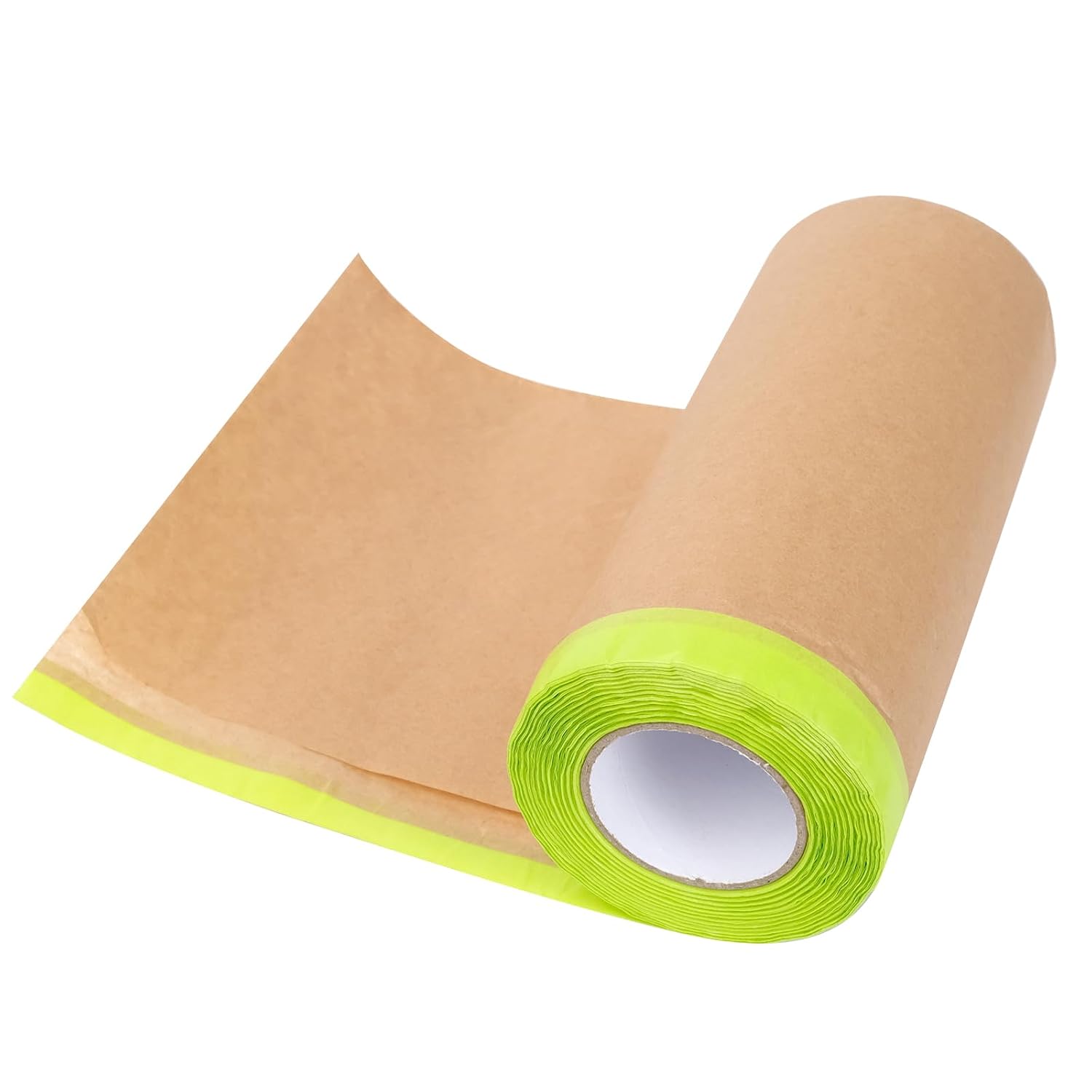
Kraft Masking Film Manufacturer
Kraft Masking Film is a protective masking material made from kraft paper, often with an adhesive edge for quick application. It helps shield floors, walls, furniture, and other surfaces from paint, dust, dirt, and overspray during decorating, renovation, and construction work. It is easy to use, cut, and remove after the job is complete.
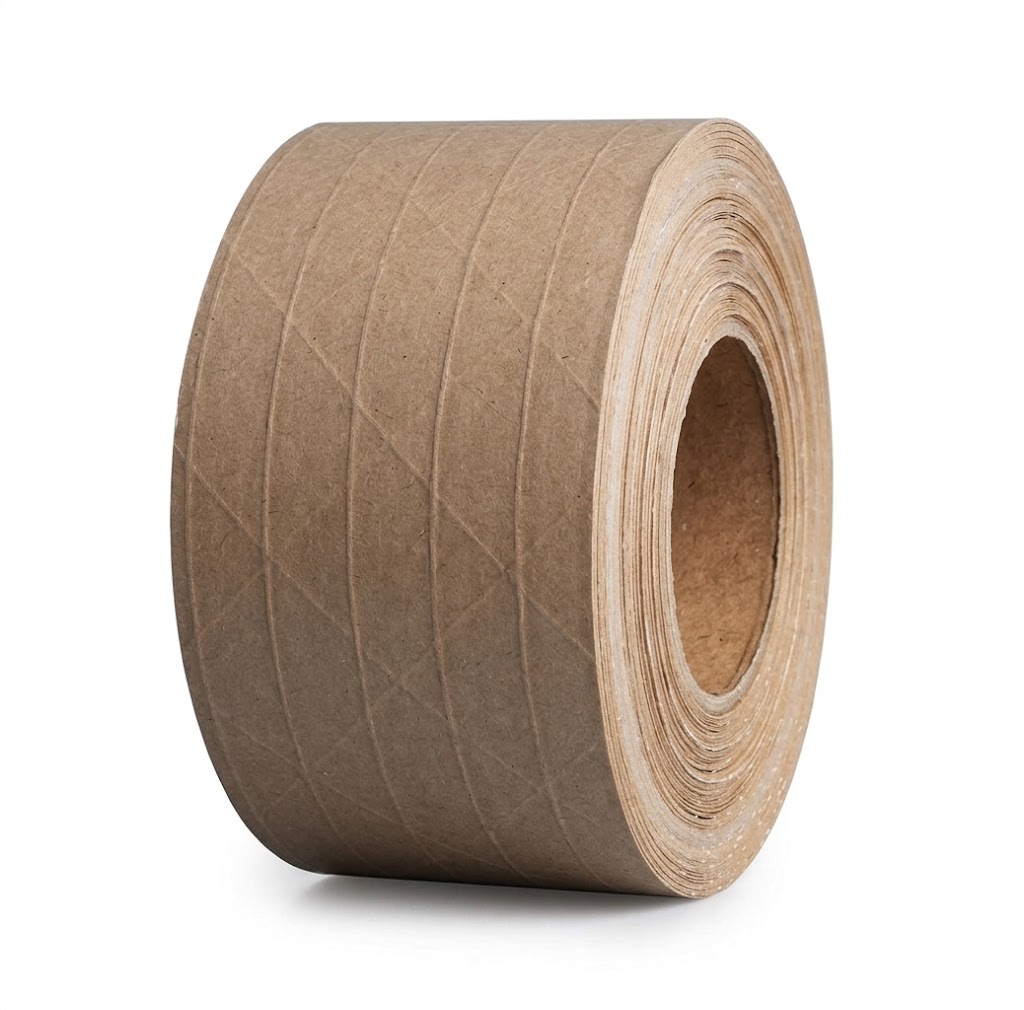
Reinforced Water-Activated Kraft Paper Tape Manufacturer
Reinforced Water-Activated Kraft Paper Tape is made from durable kraft paper reinforced with strong fibers and activated by water. It provides excellent adhesion, high tensile strength, and tamper-evident sealing, making it ideal for sealing cartons, heavy-duty packaging, and shipping boxes.
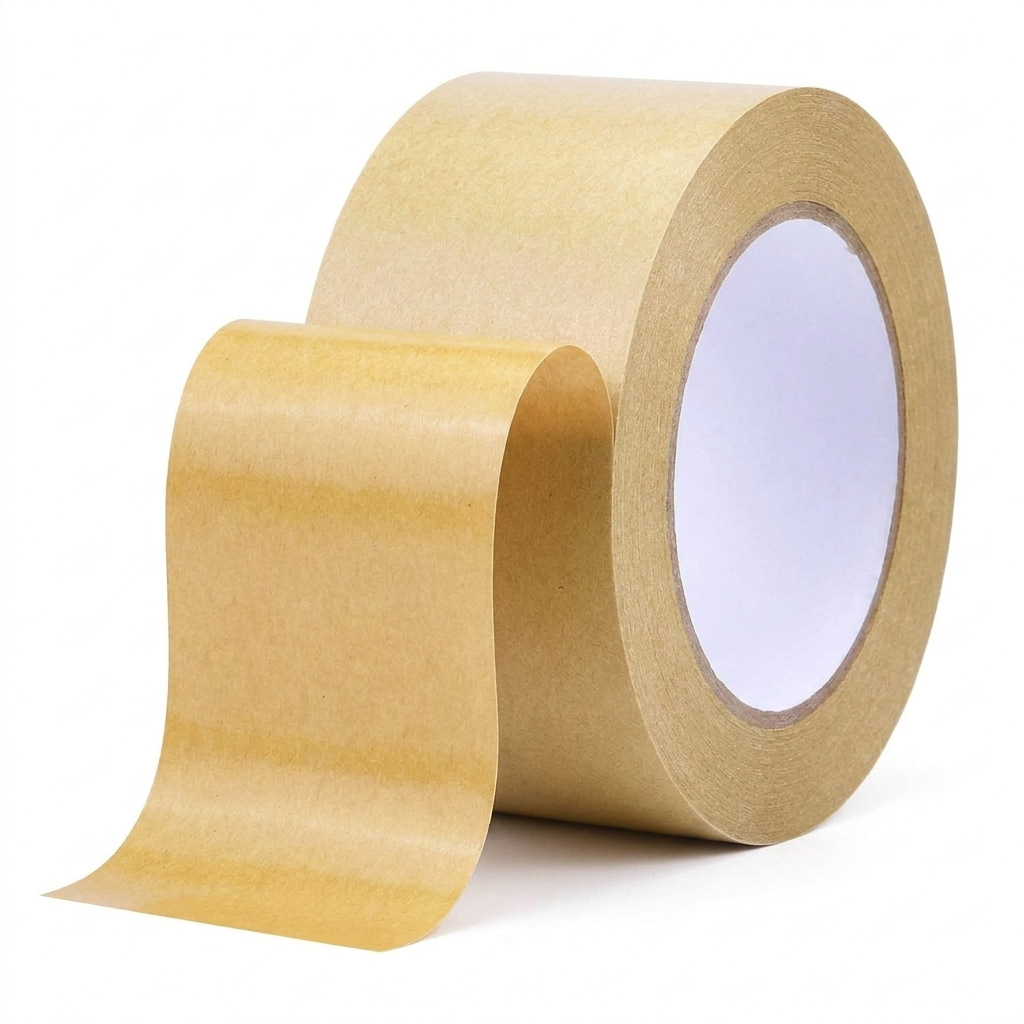
PE Self-Adhesive Kraft Paper Tape Manufacturer
PE Self-Adhesive Kraft Paper Tape is made from durable kraft paper laminated with a PE coating and a strong pressure-sensitive adhesive. It offers moisture resistance, excellent tear strength, and reliable adhesion, making it ideal for carton sealing, packaging, bundling, labeling, and general industrial use.
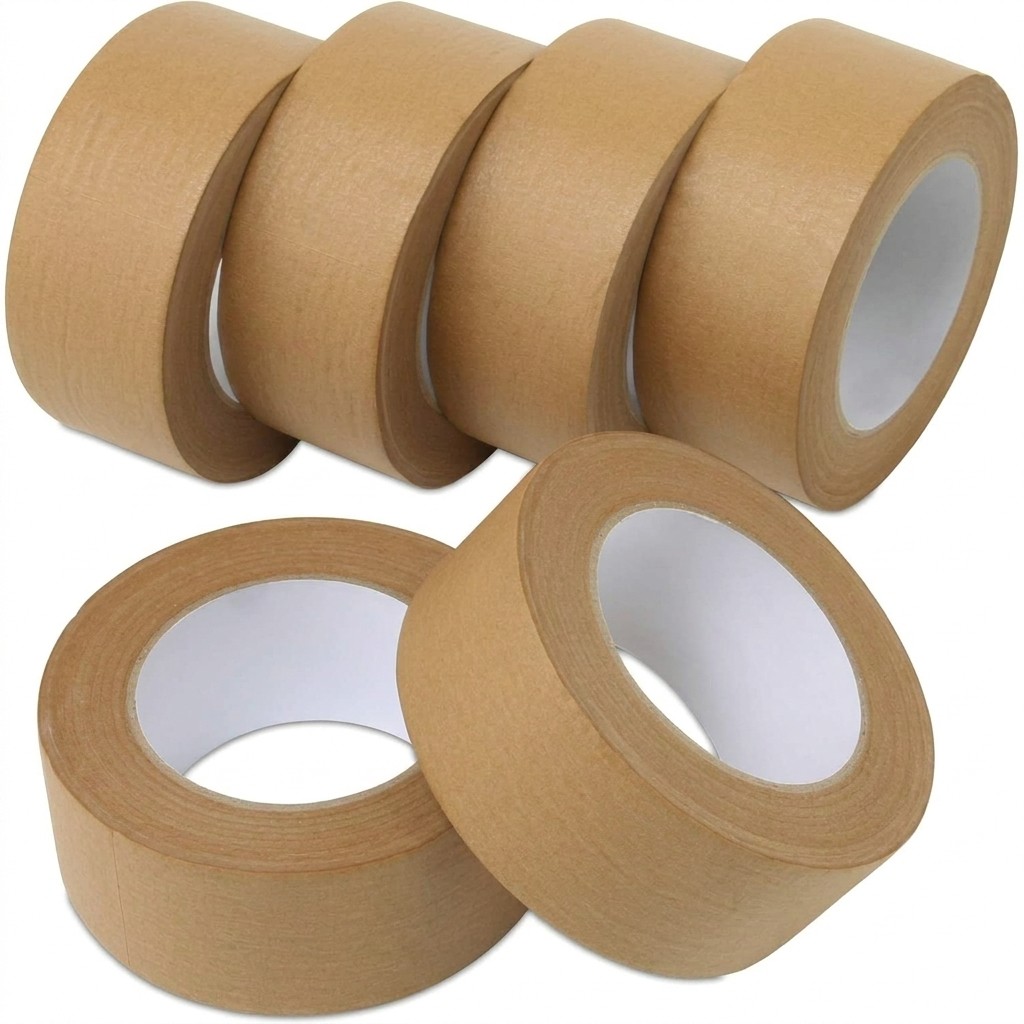
Kraft Paper Tape Manufacturer
Kraft Paper Tape is an eco-friendly adhesive tape made from durable kraft paper. It provides strong adhesion, easy tearability, and reliable sealing performance, making it ideal for carton sealing, packaging, labeling, crafts, and general office use.
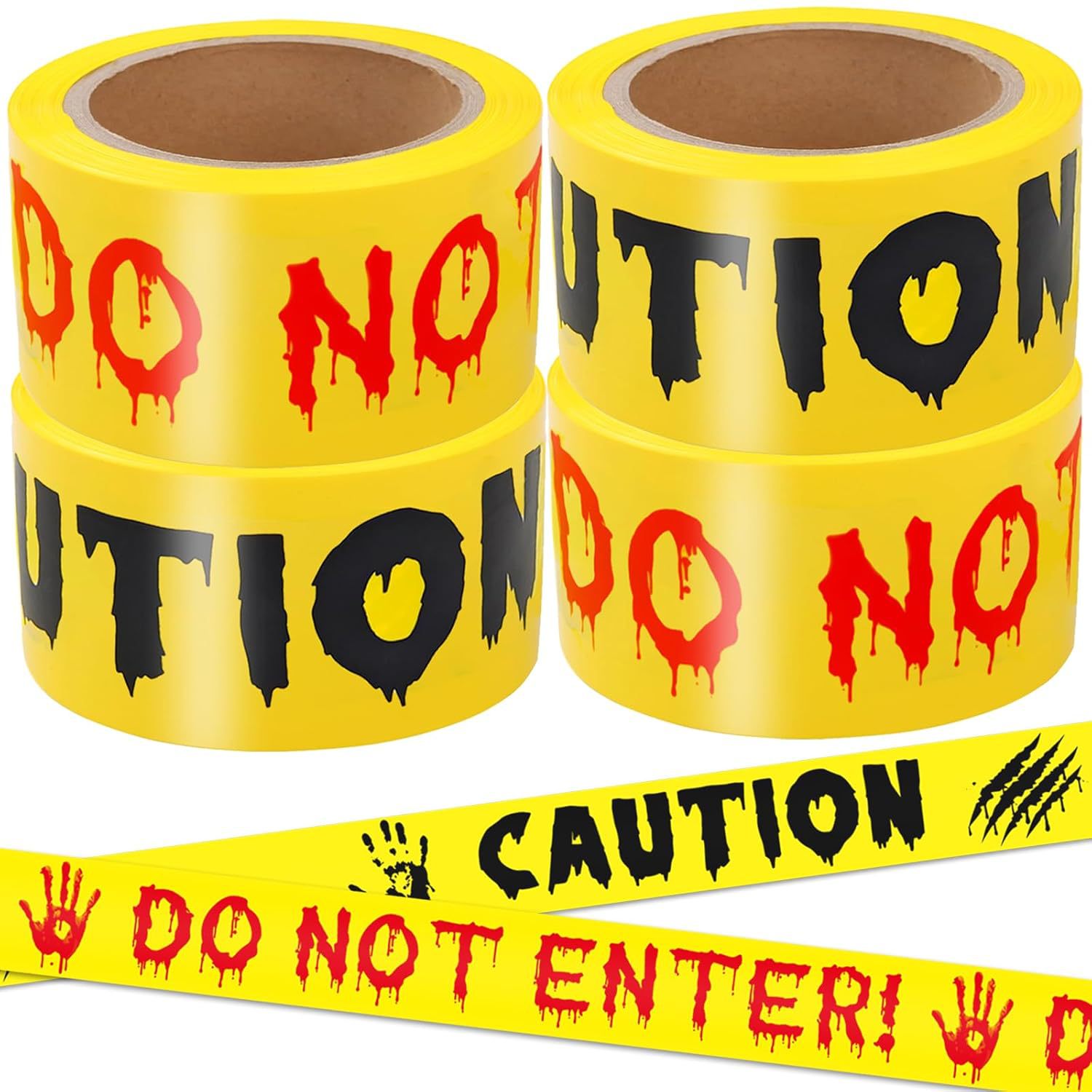
Halloween Caution Tape Manufacturer
Halloween Caution Tape is a festive decorative tape featuring spooky Halloween designs and caution-style lettering. It is ideal for decorating parties, haunted houses, windows, doors, yards, and event spaces, creating a fun and eye-catching atmosphere.
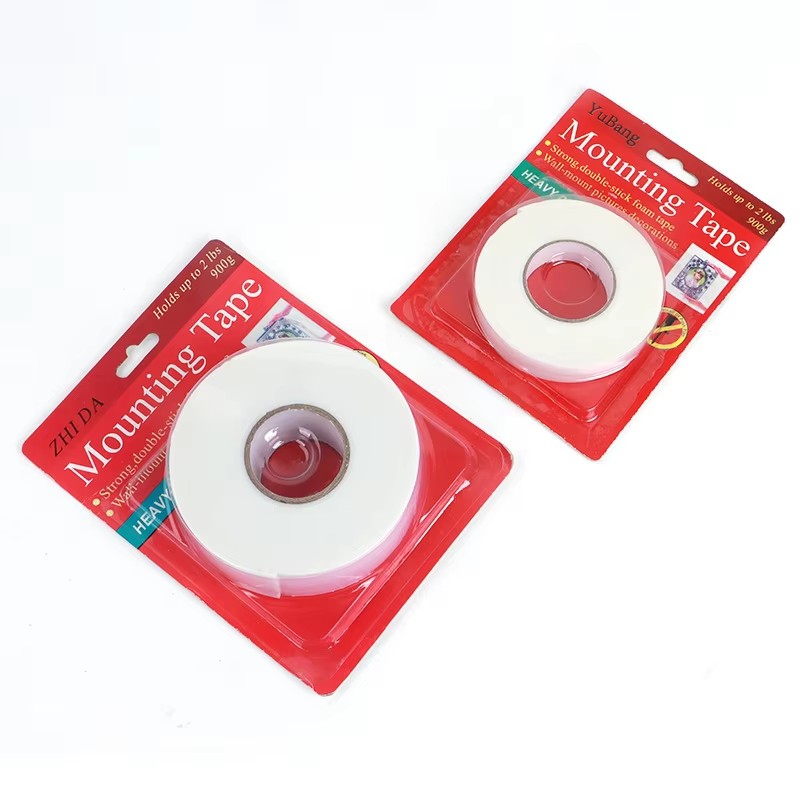
Mounting Tape Manufacturer
Mounting Tape is a strong double-sided adhesive tape designed for securely mounting and fixing items without screws or nails. It provides excellent adhesion, durability, and easy application, making it ideal for signs, decorations, hooks, frames, mirrors, and household or office accessories.