
-
Home

-
Blog
-
Industry News
- Automotive Masking Tape Buying Guide 2026 for Distributors

Automotive Masking Tape Buying Guide 2026 for Distributors
-
 author
 - 27,August
 author
 Masking tape is a small consumable in an automotive paint shop, but its performance can have a direct effect on finishing quality and labor time. An edge that lifts during spraying may leave an uneven paint line. Difficult removal slows the job. Inconsistent adhesion can turn a routine masking step into extra work for the technician.
For distributors and importers, those issues become more important once volume increases. A product may look acceptable during an initial inspection, yet repeat business depends on how consistently it performs in daily use across different shops and applications.
Automotive refinish remains an active global market in 2026, with the sector projected at USD 12.14 billion. Paint technologies and shop processes also vary across regions, which keeps product selection closely tied to the application rather than to a single specification or price point.
For that reason, sourcing automotive masking tape starts with the work being done in the paint shop. Tack, edge control, removal, drying conditions, roll format, and repeat-order consistency all matter before a distributor moves into volume.
Why Automotive Masking Tape Quality Affects Refinish Cost
Masking sits between surface preparation and paint application, so even a minor tape problem can create work later in the process. In a professional shop, that usually means technician time—re-masking a panel, cleaning adhesive, correcting an edge, or dealing with overspray.
For distributors, the same issue appears further down the supply chain. When a workshop repeatedly has trouble with a consumable, the problem quickly becomes a product complaint rather than a one-off application issue. Consistent masking performance therefore matters to both the body shop and the supplier behind it.
Paint-Edge Control and Clean Removal Matter in Daily Use
A car paint masking tape needs enough adhesion to remain stable during spraying while allowing controlled removal after the job. Around mirrors, trim, door openings, bumpers, and curved panel transitions, the tape also needs to follow the masking line without frequent lifting.

HONF masking tape for painting and automotive spraying combines masking paper with pressure-sensitive adhesive and is available in Medium-Tack and High-Tack versions. It is designed for painting, spray-paint masking, and car paint masking, where clean peeling and paint-edge control are important to the finished job.
A cheaper roll rarely saves money if technicians spend extra time correcting the result.
Automotive Masking Tape Serves a More Specific Purpose
General-purpose masking tape works well for many short-term painting and marking jobs. Automotive refinishing places greater emphasis on controlled adhesion, conformability around vehicle details, clean separation at the paint edge, and predictable removal after the coating process.
Those requirements vary from one shop to another, which is why the next step in sourcing is not simply choosing the strongest tape. It is matching tack, drying conditions, and paint process to the intended application.
Match Tack, Temperature, and Paint Process to the Job
Two rolls can feel similar when pulled by hand and behave quite differently after hours on a painted surface. Samples therefore become much more useful when they are tested in conditions close to the customer’s normal workflow.
For a buyer comparing an automotive masking tape manufacturer, the test can mirror the target application: representative substrate, realistic masking time, the usual coating process, and the customer’s drying method.
Choose Tack Around the Surface and Masking Time
Higher tack gives more holding power. That can be useful on jobs where stronger adhesion is needed, but it is not automatically the best choice for every painted surface.
A short masking job on a finished panel may need a different adhesion level from a longer job on another substrate. Surface condition, masking time, and removal requirements all affect the result.
HONF masking tape is available in Medium-Tack and High-Tack options and can be used on surfaces including metal, glass, plastic, wood, and walls.
For a new automotive line, qualify the exact grade intended for the order. Hand-feel is useful for a first impression, but panel testing gives the buyer much more relevant information.
Evaluate Heat Performance Around the Drying Process
“High temperature masking tape” is a common sourcing phrase, but professional paint shops rarely operate around a temperature figure alone. Time matters as well.
Some workshops use room-temperature curing. Others use accelerated drying or baking as part of the refinish process. A distributor serving several customer groups may therefore face different operating conditions within the same market.
HONF masking tape is suitable for spray-painting and baking applications. For customer programs with defined heating or drying cycles, the selected grade can be qualified under the target working conditions during sample approval.
This keeps product selection tied to the customer’s process instead of chasing the highest specification on a data sheet.
Qualify the Tape With the Paint Process
Water-borne and solvent-borne refinish systems both remain commercially important. Solvent-borne technology accounted for 52.7% of the automotive refinish coatings market in 2025, while water-borne systems continue to expand as lower-emission processes gain adoption.
For distributors selling into different refinish channels, sample testing helps confirm how the tape performs within the intended paint process.
A practical trial can focus on:
- paint-edge quality and edge lift;
- clean removal after the masking period;
- adhesive transfer;
- backing integrity during removal;
- handling on the target substrate.
The exercise is simple, but it can prevent a much larger quality discussion after a bulk shipment reaches the market.
What Product and Commercial Factors Matter in a Bulk Order?
Once the application fit is clear, the next decision is commercial. Widths, roll lengths, tack options, packaging, and repeat-order consistency determine whether the product works as a real distribution line rather than just a successful sample.
Carrying every available specification usually adds inventory without adding much value. A tighter range built around common customer requirements is easier to stock and easier for a sales team to explain.
Build the SKU Range Around the Sales Channel
HONF masking tape is available in widths including 10, 18, 24, 36, and 48 mm, with common roll lengths of 20, 50, and 100 m. Natural off-white is the standard color, with other color options available.

A collision-repair distributor may concentrate on a few frequently used widths. A private-label retail program may place more emphasis on pack count, labels, carton configuration, and shelf presentation.
The specification follows the channel. A product packed for a workshop wholesaler does not always need to look like the same product sold through a retail hardware chain.
Buyers developing a broader workshop assortment can also review HONF’s Hardware Tools Tape range when planning related product categories.
Repeat-Order Consistency Matters More Than a Perfect First Sample
A good sample earns the first order. Consistency earns the repeat order.
Before scaling up, keep the approved grade, tack level, dimensions, color, and packaging requirements clear between buyer and supplier. When the second or third shipment arrives, the product needs to feel familiar to the customer who already adopted it.
For importers, this consistency has a direct commercial effect. It reduces complaints, keeps SKU management simpler, and gives sales teams more confidence when promoting the line.
Compare Cost in Use, Not Only Carton Price
A lower carton price looks attractive until the tape adds masking time, cleanup, paint correction, or customer returns.
Body shops pay for technician time. Distributors pay for complaints and replacement stock. Neither cost appears on the original quotation.
If technicians can apply and remove the tape cleanly without unnecessary rework, a slightly higher roll price can still produce better value in daily use.
How to Compare a Masking Tape Manufacturer for B2B Supply
A successful booth test covers the product side of the decision. The manufacturer still needs to fit the buyer’s business model.
One importer may want several widths under a single private label. Another may prefer standard rolls in export cartons. A distributor building a new range may begin with a few SKUs and add more only after sales are established.
That is where production flexibility and repeat supply become part of the buying decision.
Approve the Exact Grade Before Volume Production
Use the same grade for qualification that is planned for production.
Record the approved specification and, where practical, retain a reference sample. This gives both sides a clear benchmark for repeat orders and makes later quality discussions much easier.
The difference between “the same grade” and “a similar grade” may sound small during sampling. It matters much more when the purchase order contains thousands of rolls.
Match OEM Packaging to the Business Model
Private-label projects involve more than adding a logo. Roll dimensions, tack options, color, labels, inner packaging, and export cartons all influence how the product is stocked and sold.
HONF provides OEM/ODM and custom manufacturing support from product development and customization through packaging and worldwide delivery.
For buyers, the valuable part of customization is repeatability. The agreed product and packaging setup needs to remain practical at the expected order volume.
For sourcing programs that cover several tape categories, the HONF Wholesale & OEM Adhesive Tape Buying Guide can support the broader supplier-review process without taking this automotive masking program off track.
Keep Repeat Orders Easy to Manage
Long-term supply works best when the product specification, packaging, and communication stay predictable.
For a distributor, that means fewer small changes to explain to customers and less time resolving questions between orders. Reliable supply is rarely the most exciting part of a product program, but it is often what keeps the program profitable.
Conclusion
Automotive masking tape sourcing begins in the paint shop. Tack, clean removal, paint-edge performance, substrate fit, drying conditions, roll format, and repeat-order consistency all affect whether a product works commercially.
For distributors and private-label buyers, the process is practical: define the target application, qualify the production grade, agree on the product and packaging specification, then move into volume.
HONF offers masking tape in multiple widths, lengths, and tack options together with OEM/ODM support for international B2B buyers. If you are looking for an automotive masking tape supplier for distribution, private label, or recurring bulk orders, contact HONF for samples, product options, packaging requirements, and a quotation based on your market and application.
FAQs
Q1: What do buyers need to test before ordering automotive masking tape in bulk?
A: Test the production grade for adhesion, paint-edge quality, clean removal, backing behavior, and performance after the intended paint and drying process. Use representative substrates and working conditions whenever possible.
Q2: How do I choose automotive masking tape for a paint-shop drying cycle?
A: Start with the process used by the target body shop, including drying method and exposure time. Then qualify the selected tape grade under comparable conditions before moving into a large order.
Q3: Can automotive masking tape be used with water-borne paint?
A: Tape performance depends on the grade, substrate, paint system, masking period, and drying process. For water-borne refinish programs, a sample trial using the customer’s normal process gives the most relevant basis for product approval.
Q4: Is high-tack masking tape better for automotive refinishing?
A: High tack provides stronger holding power, while medium tack can suit applications where easier removal is important. Surface condition, masking time, and the required holding strength determine the better choice.
Q5: What matters when choosing an automotive masking tape supplier?
A: Look at application fit, production-grade samples, repeat-order consistency, available roll formats, OEM/private-label support, packaging flexibility, and communication. For ongoing imports, dependable repeat supply is just as important as the first sample.
Recent Post



Related Products
Best-selling Products
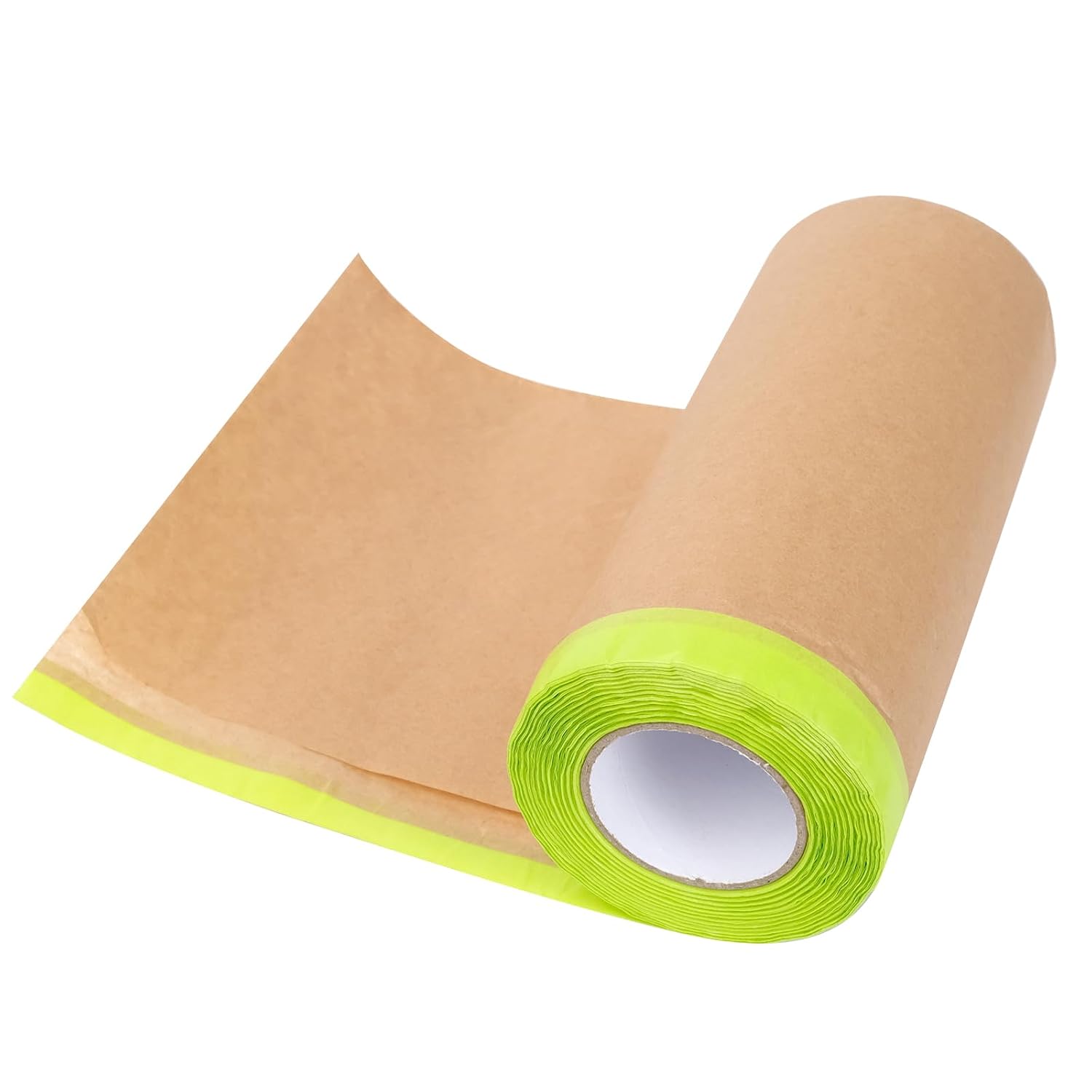
Kraft Masking Film Manufacturer
Kraft Masking Film is a protective masking material made from kraft paper, often with an adhesive edge for quick application. It helps shield floors, walls, furniture, and other surfaces from paint, dust, dirt, and overspray during decorating, renovation, and construction work. It is easy to use, cut, and remove after the job is complete.
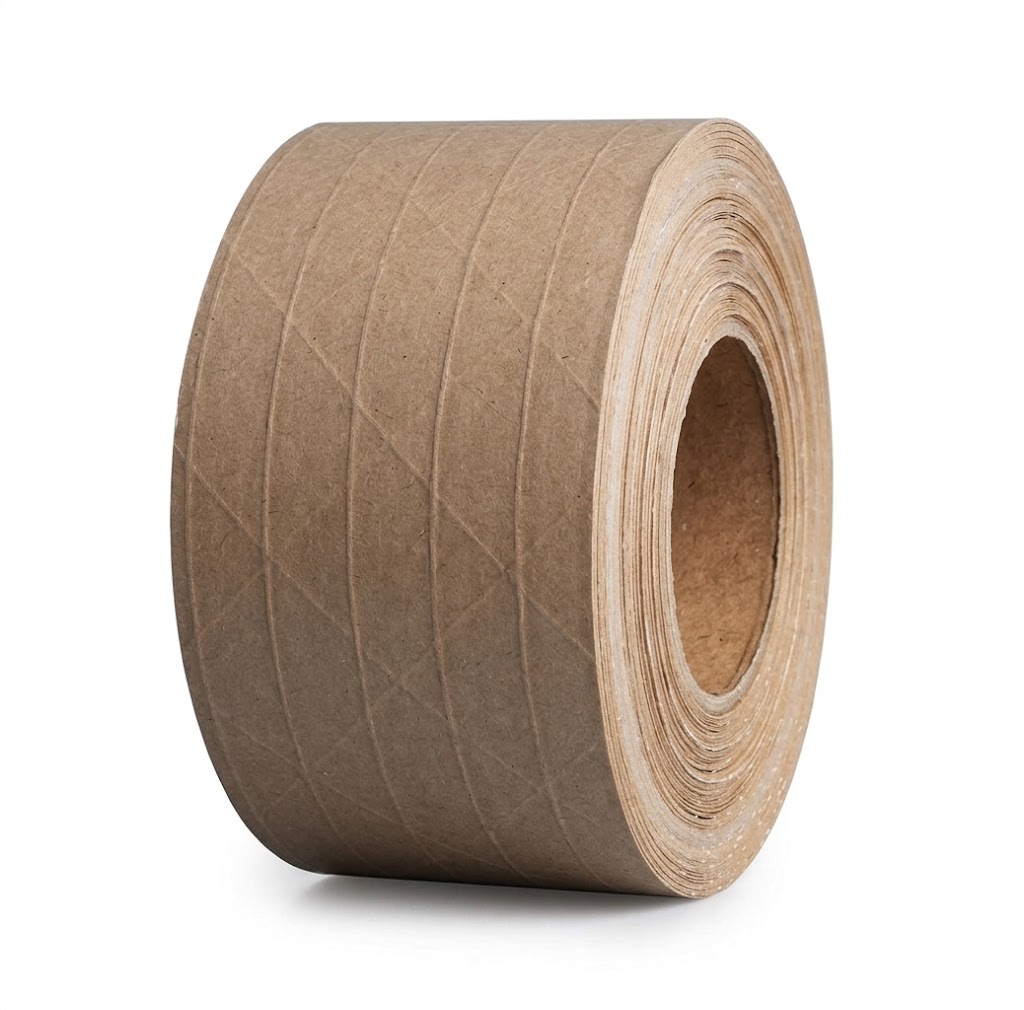
Reinforced Water-Activated Kraft Paper Tape Manufacturer
Reinforced Water-Activated Kraft Paper Tape is made from durable kraft paper reinforced with strong fibers and activated by water. It provides excellent adhesion, high tensile strength, and tamper-evident sealing, making it ideal for sealing cartons, heavy-duty packaging, and shipping boxes.
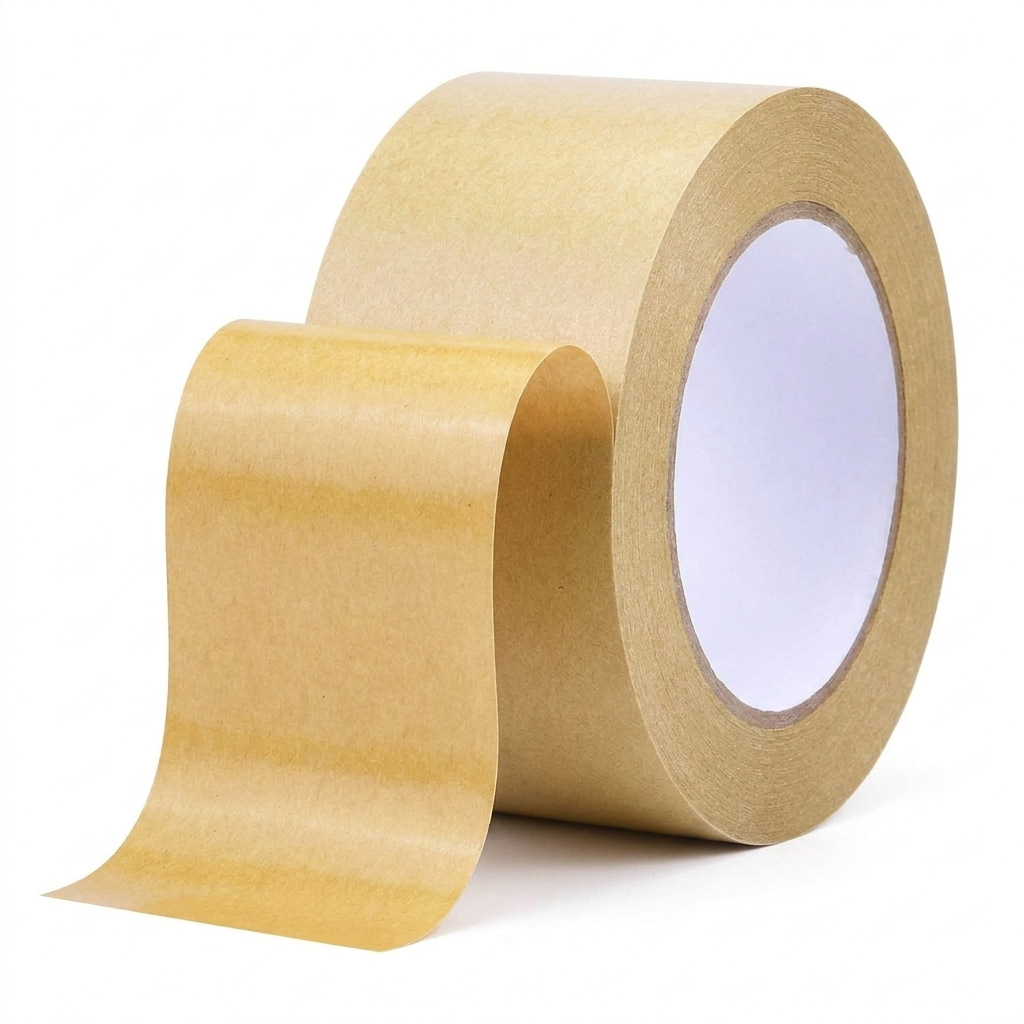
PE Self-Adhesive Kraft Paper Tape Manufacturer
PE Self-Adhesive Kraft Paper Tape is made from durable kraft paper laminated with a PE coating and a strong pressure-sensitive adhesive. It offers moisture resistance, excellent tear strength, and reliable adhesion, making it ideal for carton sealing, packaging, bundling, labeling, and general industrial use.
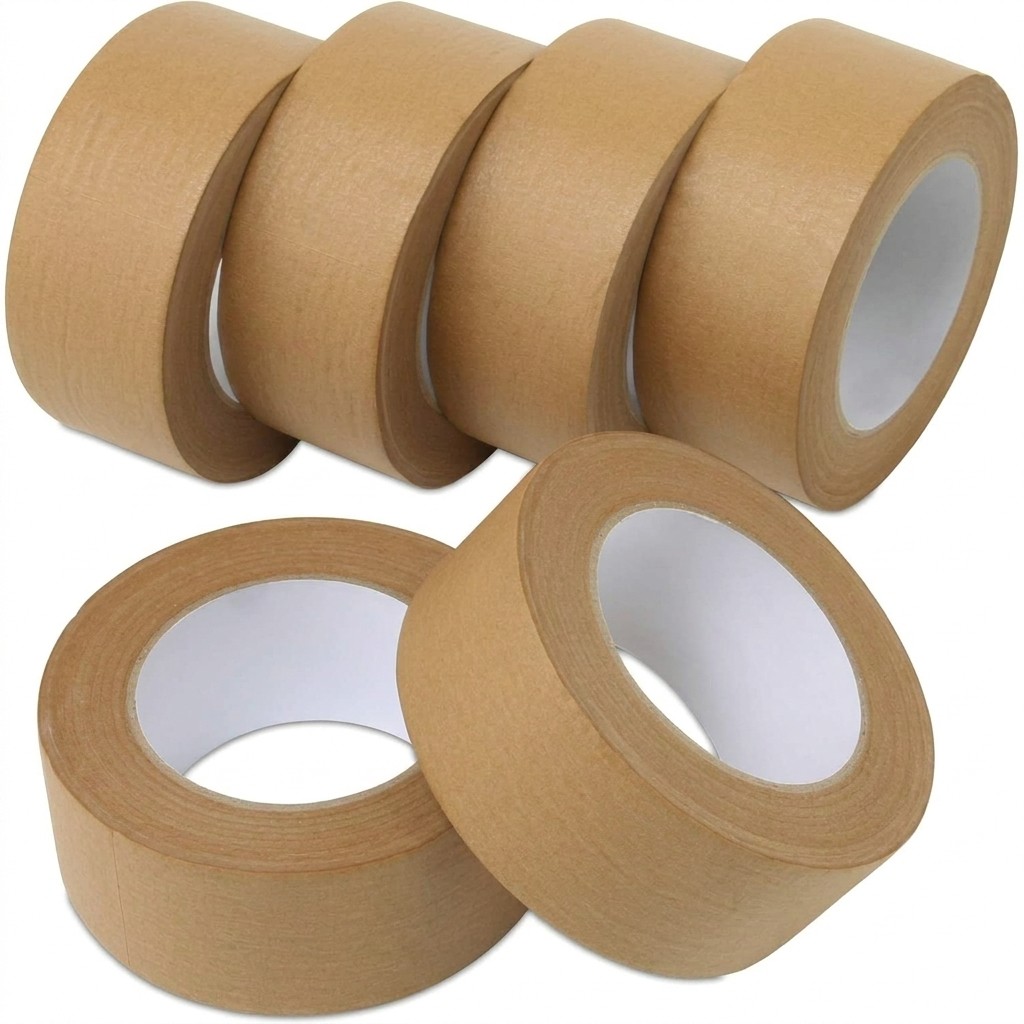
Kraft Paper Tape Manufacturer
Kraft Paper Tape is an eco-friendly adhesive tape made from durable kraft paper. It provides strong adhesion, easy tearability, and reliable sealing performance, making it ideal for carton sealing, packaging, labeling, crafts, and general office use.
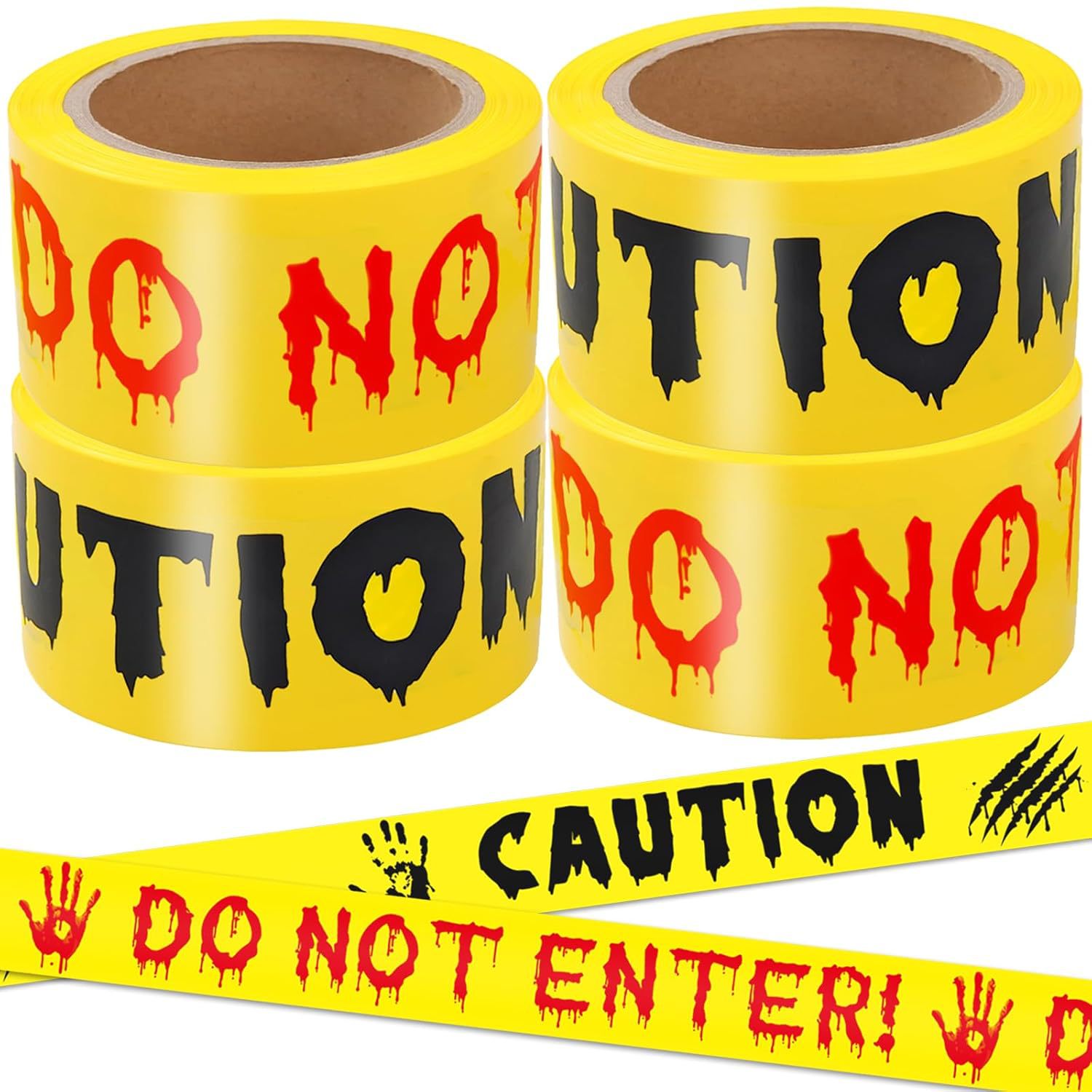
Halloween Caution Tape Manufacturer
Halloween Caution Tape is a festive decorative tape featuring spooky Halloween designs and caution-style lettering. It is ideal for decorating parties, haunted houses, windows, doors, yards, and event spaces, creating a fun and eye-catching atmosphere.
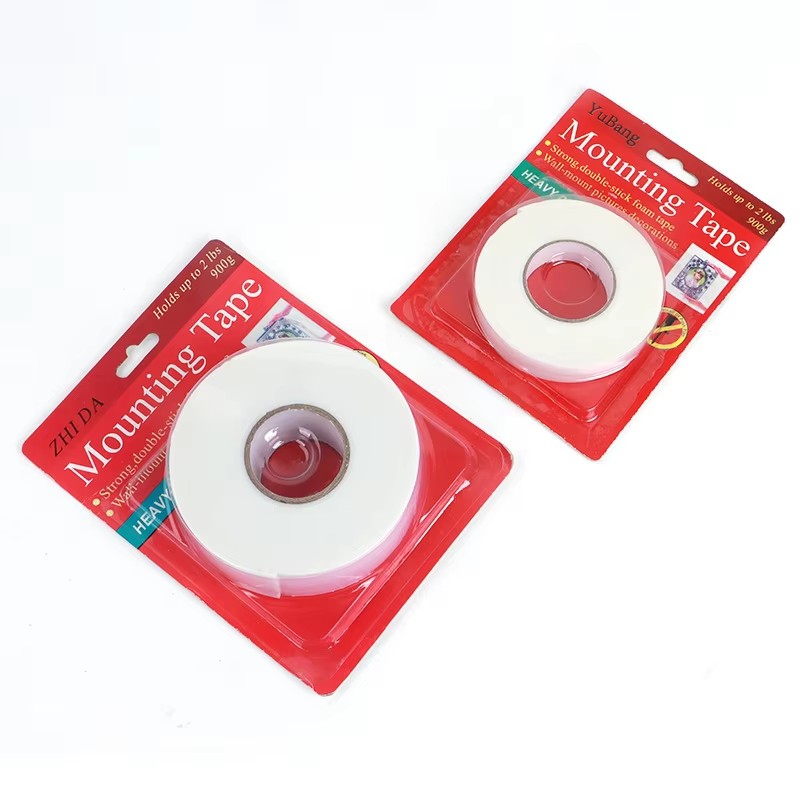
Mounting Tape Manufacturer
Mounting Tape is a strong double-sided adhesive tape designed for securely mounting and fixing items without screws or nails. It provides excellent adhesion, durability, and easy application, making it ideal for signs, decorations, hooks, frames, mirrors, and household or office accessories.