
-
Home

-
Blog
-
Industry News
- Deck Joist Tape Guide: Protect Deck Framing from Moisture

Deck Joist Tape Guide: Protect Deck Framing from Moisture
-
 author
 - 6,August
 author
 Deck framing is usually completed quickly on a busy construction site, but the material choices made at this stage can affect the condition of the structure later.
The joists are installed before anyone sees the finished surface. After the decking boards, railings, and other components are in place, most of these areas are no longer easy to access.
During this stage, the top of a joist is directly exposed to jobsite conditions. Rain, morning moisture, dust, and repeated temperature changes can all affect the wood surface. Water may also stay around screw locations after the decking is installed.
For builders working with wood decks, protecting these areas before closing the structure is part of the installation planning. Deck joist tape is applied on the exposed joist surface before the deck boards are fixed, creating an additional layer between the wood and outdoor moisture.
The installation does not change the normal construction process. Workers can measure the required length, apply the tape, and continue with the next installation step.
For construction material buyers, product selection usually involves several factors. Adhesive strength, tape width, roll specifications, packaging, and supplier production ability all need to match the requirements of the target market.
HONF manufactures adhesive tape products for construction, industrial, and repair applications. The company supplies waterproof tape and specialty adhesive products for customers looking for customized specifications and B2B supply cooperation.

Why Deck Framing Needs Protection Before Installation
Moisture Often Enters Through Small Openings
A completed deck hides most of the structural components underneath. Homeowners see the finished boards and overall appearance, while builders focus on what supports the structure below.
Joists are exposed to outdoor conditions throughout the year. Even when builders use pressure-treated lumber, moisture can still reach the surface through rainfall, condensation, and fastener openings.
The problem usually develops slowly.
A typical moisture cycle looks like this:
- Rainwater reaches the exposed wood surface.
- The lumber absorbs moisture.
- The surface dries during warmer periods.
- The same process repeats over different seasons.
After years of repeated exposure, these small moisture events may affect the condition of the framing.
Areas that usually receive more attention include:
| Area | Reason for Protection |
| Joist tops | Direct exposure before decking installation |
| Screw locations | Small openings created during fastening |
| Beam connections | Areas where moisture may collect |
| Ledger areas | Important structural connection points |
This becomes more noticeable in regions with frequent rainfall, coastal humidity, or strong seasonal temperature changes.
Protecting the Structure While It Is Still Accessible
Timing matters during deck construction.
Once wood boards or composite decking are installed, reaching the joists underneath becomes difficult. Removing finished materials later can increase labor costs and extend repair time.
Applying deck flashing tape before installation keeps the process simple.
The worker can clean the joist surface, apply the tape, and continue with the normal construction workflow. There is no need for complicated equipment or additional preparation steps.
For many installers, that is the main advantage. The protection process fits into the job instead of interrupting it.
How Deck Joist Tape Works During Construction
Creating a Barrier on Exposed Joist Surfaces
The purpose of deck joist tape is straightforward. It covers exposed areas of the framing before they are hidden beneath the finished deck surface.
During installation, the tape is applied along the top of joists and beams. After the decking boards are attached, the tape remains between the wood and possible moisture exposure.
The installation process generally includes:
- Cleaning dust and loose materials from the joist surface.
- Measuring the required tape length.
- Removing the release liner.
- Applying the tape directly onto the wood.
- Pressing the surface to improve contact.
Because the installation process is simple, many contractors can add it to their existing workflow without changing their normal construction methods.

Supporting Different Decking Materials and Project Types
Deck projects vary depending on location, design, and material choice.
Some residential projects use pressure-treated pine. Others may use cedar framing or composite decking systems. Commercial outdoor structures may require different specifications because of size, traffic, and exposure conditions.
The material selection may change, but the construction goal remains similar: protect vulnerable areas before they become difficult to reach.
For these applications, waterproof tape for deck joists provides an additional layer of protection during the framing stage.
What Builders Should Consider When Choosing Deck Protection Tape
Adhesive Performance for Outdoor Conditions
Not every adhesive tape product is designed for outdoor construction.
A deck protection tape needs to maintain contact after installation while facing changing weather conditions. Summer heat, winter cold, rainfall, and humidity can all affect how a material performs over time.
When selecting deck joist tape, contractors and purchasing teams usually check several product factors:
| Feature | Why It Matters |
| Adhesive strength | Helps the tape stay attached after installation |
| Tape thickness | Affects coverage and protection level |
| Flexibility | Makes application easier on different surfaces |
| Roll width | Matches different framing sizes and project requirements |
| Weather resistance | Supports outdoor exposure conditions |
A tape that performs well during installation but loses adhesion after outdoor exposure may not meet project expectations.
For this reason, professional buyers often evaluate both product specifications and the supplier behind the product.
Different Buyers Have Different Requirements
A local deck installer and an international distributor usually approach purchasing from different angles.
A contractor may focus on:
- Easy installation
- Consistent application
- Suitable roll sizes
- Performance on the jobsite
A distributor or importer may also consider:
- Packaging options
- OEM availability
- Production capacity
- Supply planning
The right product depends on where and how it will be used.
For manufacturers, understanding these differences helps create products that fit different markets instead of offering only one standard option.
Where Deck Flashing Tape Is Used
Residential Deck Construction
Outdoor living spaces continue to grow in many markets. Homeowners are building larger decks, patios, balconies, and backyard structures for everyday use.
Although the finished surface receives most of the attention, the supporting frame remains an important part of the project.
Common applications for wood deck protection tape include:
- Residential wood decks
- Elevated deck platforms
- Balcony structures
- Outdoor stairs
- Garden structures
The tape remains hidden after installation. That is normal for many construction materials. Products used in framing are often designed to protect the structure rather than become part of the visible appearance.
Commercial Outdoor Projects
Commercial outdoor structures often require materials that can perform consistently across multiple installations.
Restaurants, hotels, resorts, and public spaces may include outdoor wooden areas exposed to regular weather changes.
For suppliers serving these industries, adding products such as deck waterproofing tape can help expand their construction material offering.
Contractors working on commercial projects usually look for materials that are easy to install, available in stable supply, and suitable for repeated use.
Choosing the Right Deck Joist Tape Manufacturer
Manufacturing Capability Matters for Business Buyers
For importers and distributors, selecting a supplier involves more than checking one product sample.
They usually consider:
- Manufacturing consistency
- Product customization
- Packaging requirements
- Production capacity
- Communication efficiency
A suitable deck joist tape manufacturer should understand both the product requirements and the needs of different markets.
For example, one distributor may need standard rolls for hardware channels, while another may require customized packaging for a private-label brand.
Flexible production support allows suppliers to respond to different business situations.
Why Choose HONF for Adhesive Tape Solutions
HONF specializes in adhesive tape manufacturing for construction, industrial, household, and commercial applications.
The company develops tape products based on practical application requirements. Its product range includes waterproof tapes, repair tapes, and specialty adhesive products designed for different working environments.
For businesses sourcing construction tape products, HONF supports:
- OEM cooperation
- Customized specifications
- Packaging requirements
- B2B supply projects
Whether the customer is a contractor, distributor, or private-label brand, HONF works with partners to develop adhesive tape products based on specific market requirements.
Conclusion
A deck frame is easy to overlook after the final boards are installed. It stays hidden, but it continues to face outdoor conditions throughout the year.
During construction, protecting exposed joist surfaces is one of the steps that can be completed before access becomes limited. Using deck joist tape gives builders a simple way to add moisture protection while the structure is still open.
For construction companies, the product choice depends on project conditions, installation needs, and expected performance. For distributors and importers, selecting a suitable deck joist tape manufacturer also involves evaluating customization options, production ability, and supply support.
HONF provides adhesive tape manufacturing services for construction and industrial markets. Businesses looking for customized tape specifications or supply cooperation can contact HONF to discuss their application requirements.
FAQs
Q1: When should builders install deck joist tape?
A: Most builders apply deck joist tape after completing the framing and before installing the decking boards. This stage allows workers to access the joist surface easily and complete the application efficiently.
Q2: Can deck flashing tape be used with pressure-treated lumber?
A: Yes. Deck flashing tape is commonly used with pressure-treated lumber, cedar framing, and other outdoor wood materials. It adds another protective layer in areas that may experience repeated moisture exposure.
Q3: What should buyers consider when choosing waterproof tape for deck joists?
A: Buyers usually review adhesive performance, tape dimensions, weather resistance, and production capability. The right waterproof tape for deck joists depends on the project environment and application requirements.
Q4: What should distributors look for in a deck joist tape manufacturer?
A: Distributors usually consider product consistency, OEM capability, packaging options, and supply stability. A suitable deck joist tape manufacturer should be able to support different market requirements.
Q5: Does HONF offer customized adhesive tape products?
A: Yes. HONF provides customized adhesive tape solutions for business customers, including different specifications, packaging requirements, and supply support for construction and industrial applications.
Recent Post



Related Products
Best-selling Products
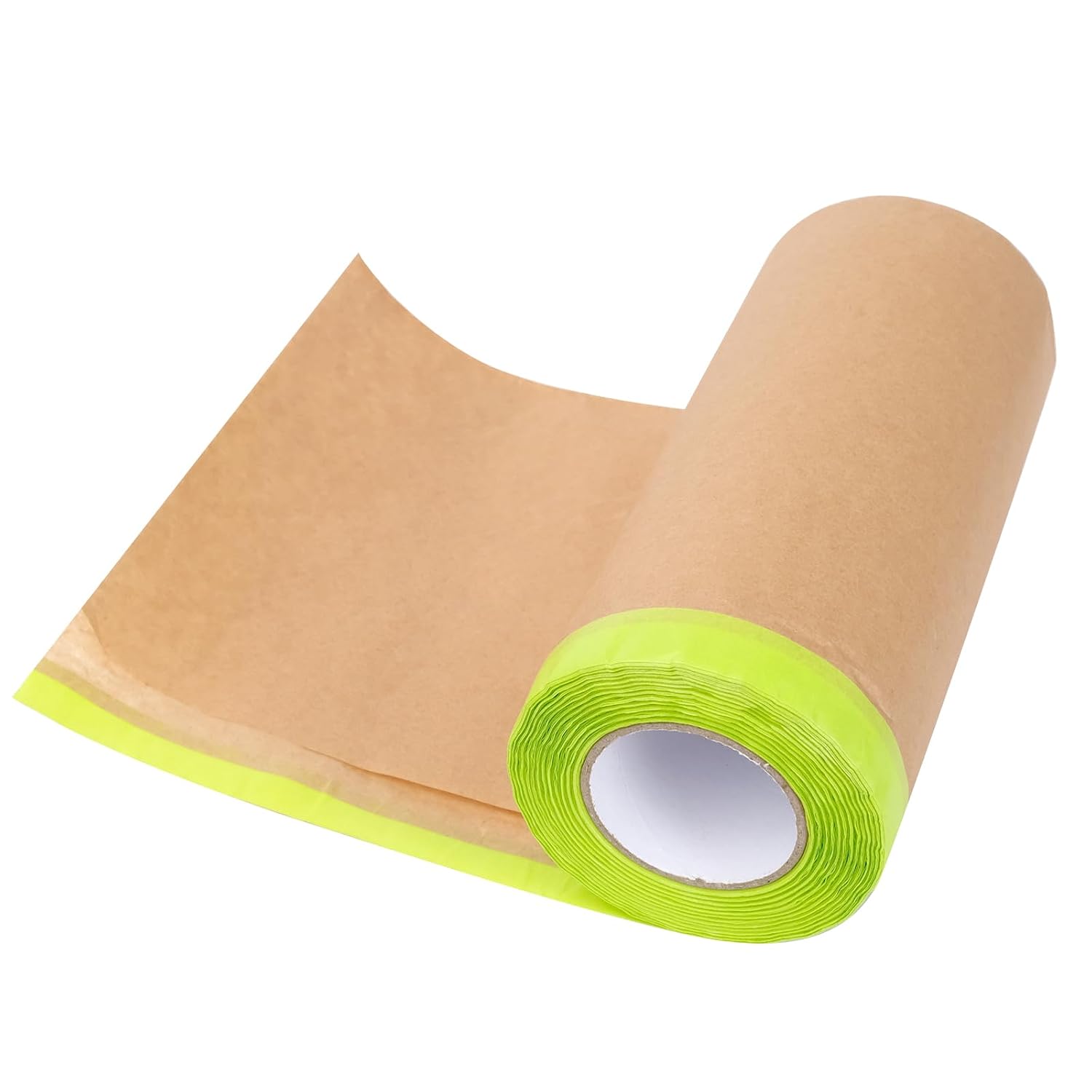
Kraft Masking Film Manufacturer
Kraft Masking Film is a protective masking material made from kraft paper, often with an adhesive edge for quick application. It helps shield floors, walls, furniture, and other surfaces from paint, dust, dirt, and overspray during decorating, renovation, and construction work. It is easy to use, cut, and remove after the job is complete.
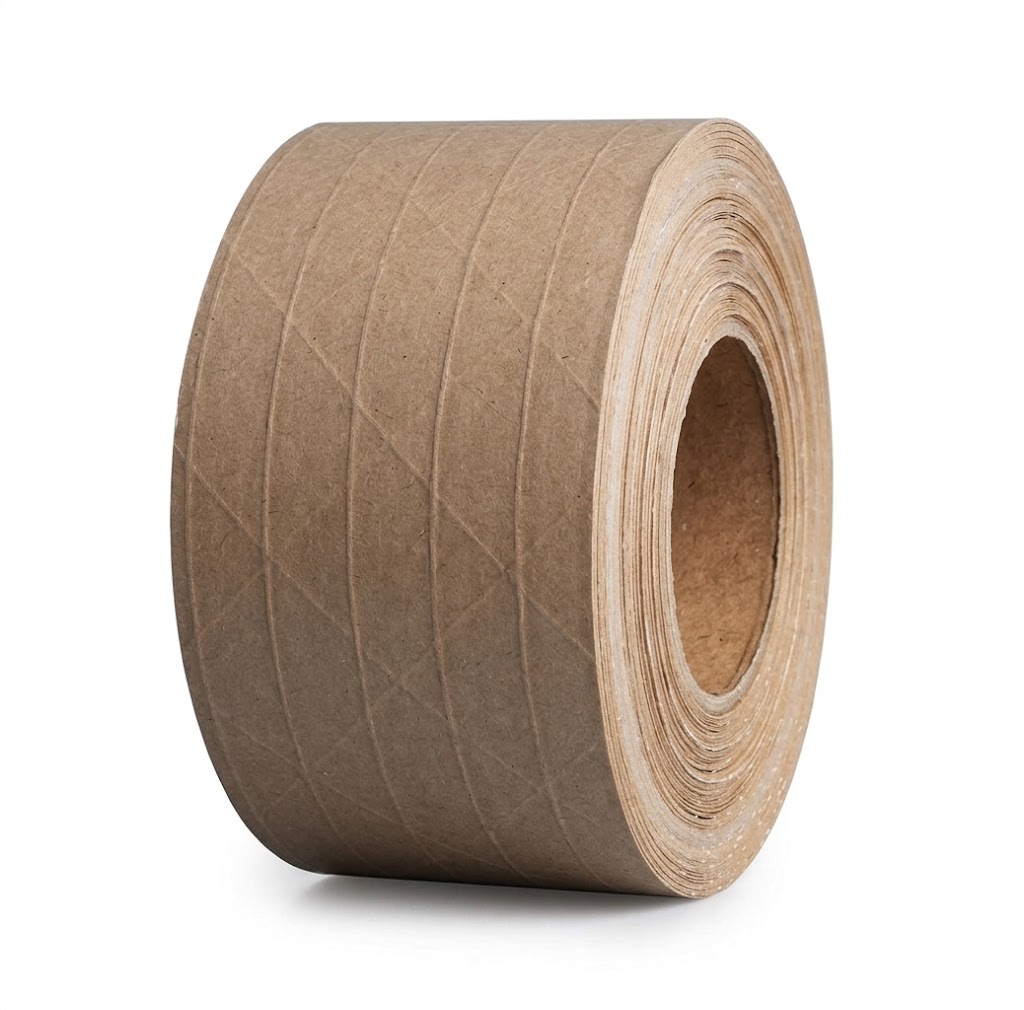
Reinforced Water-Activated Kraft Paper Tape Manufacturer
Reinforced Water-Activated Kraft Paper Tape is made from durable kraft paper reinforced with strong fibers and activated by water. It provides excellent adhesion, high tensile strength, and tamper-evident sealing, making it ideal for sealing cartons, heavy-duty packaging, and shipping boxes.
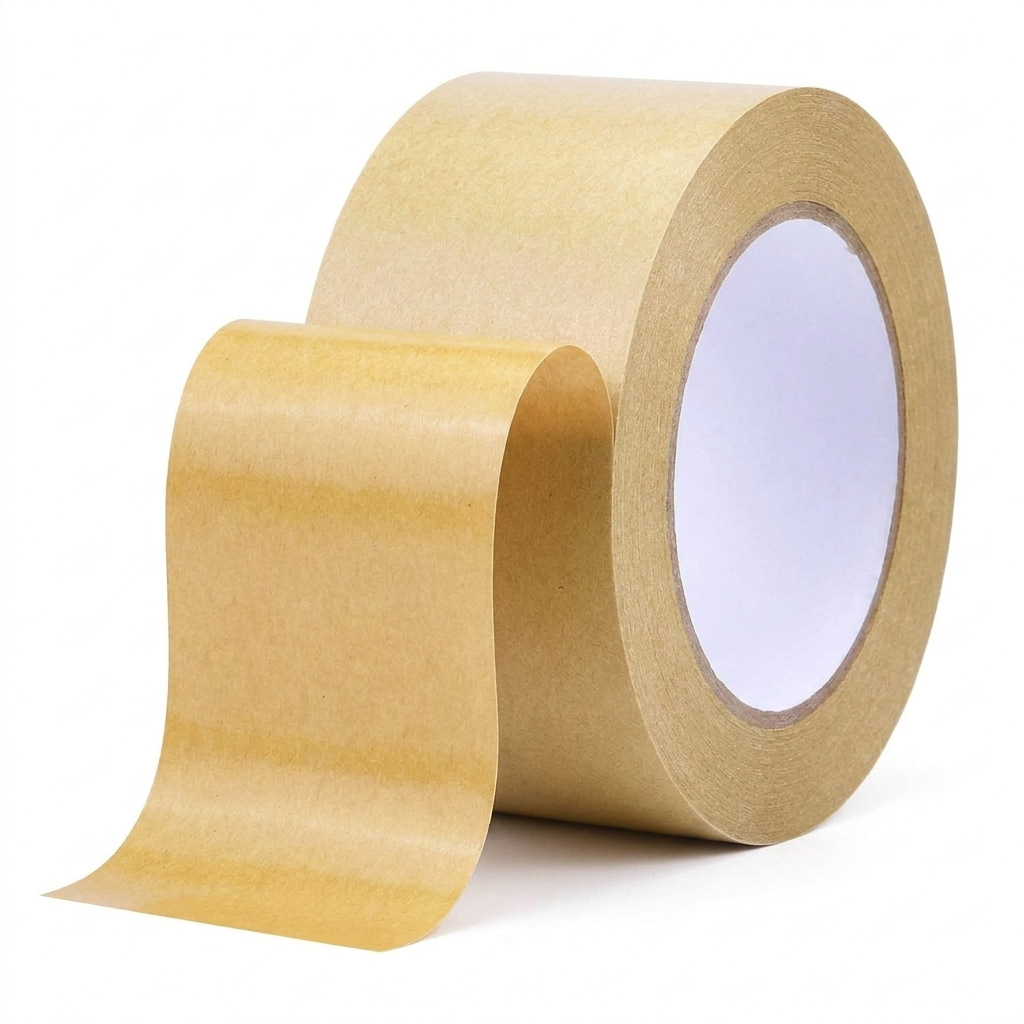
PE Self-Adhesive Kraft Paper Tape Manufacturer
PE Self-Adhesive Kraft Paper Tape is made from durable kraft paper laminated with a PE coating and a strong pressure-sensitive adhesive. It offers moisture resistance, excellent tear strength, and reliable adhesion, making it ideal for carton sealing, packaging, bundling, labeling, and general industrial use.
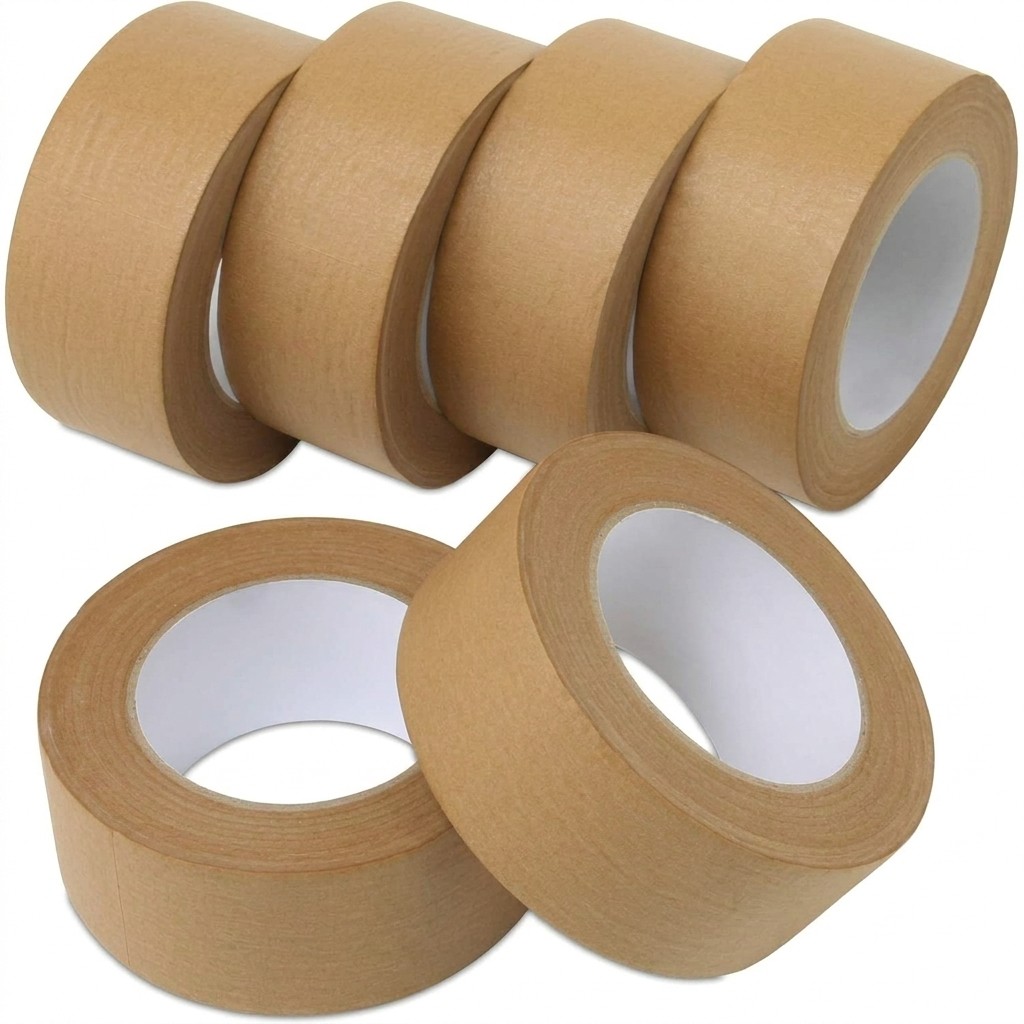
Kraft Paper Tape Manufacturer
Kraft Paper Tape is an eco-friendly adhesive tape made from durable kraft paper. It provides strong adhesion, easy tearability, and reliable sealing performance, making it ideal for carton sealing, packaging, labeling, crafts, and general office use.
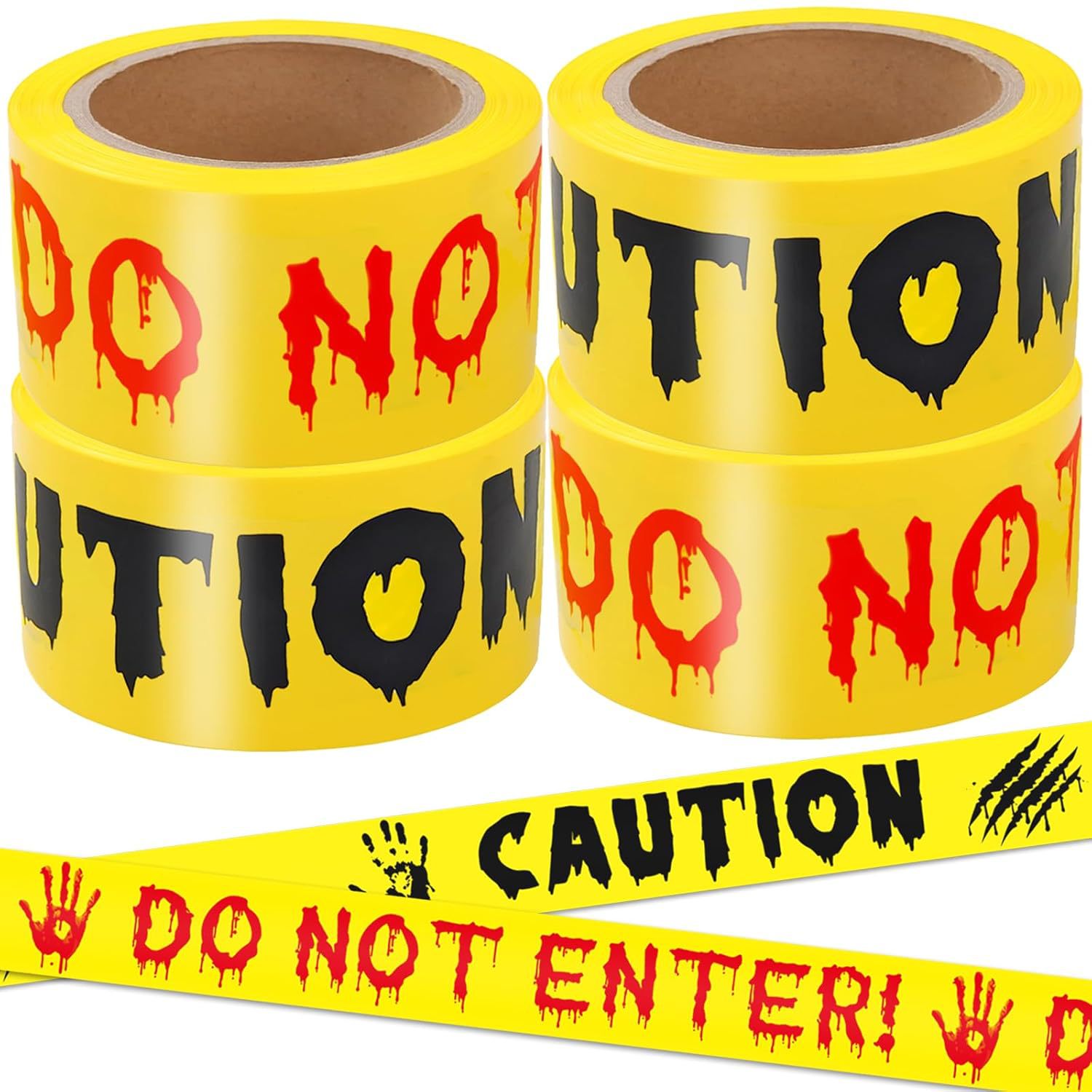
Halloween Caution Tape Manufacturer
Halloween Caution Tape is a festive decorative tape featuring spooky Halloween designs and caution-style lettering. It is ideal for decorating parties, haunted houses, windows, doors, yards, and event spaces, creating a fun and eye-catching atmosphere.
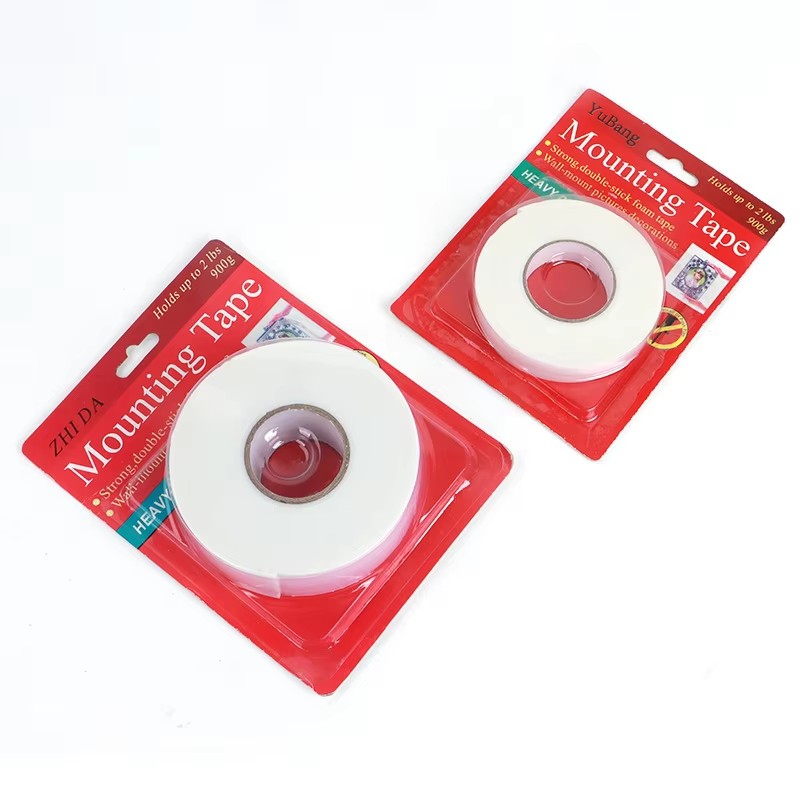
Mounting Tape Manufacturer
Mounting Tape is a strong double-sided adhesive tape designed for securely mounting and fixing items without screws or nails. It provides excellent adhesion, durability, and easy application, making it ideal for signs, decorations, hooks, frames, mirrors, and household or office accessories.