
-
Home

-
Blog
-
Industry News
- How to Choose Waterproof Sealing Tape for Extreme Weather Applications

How to Choose Waterproof Sealing Tape for Extreme Weather Applications
-
 author
 - 23,July
 author
 When sourcing waterproof sealing tape, many buyers start with product specifications and price comparisons. However, outdoor sealing projects usually involve more factors than a simple quotation sheet can show.
A tape that works well in one market may not always be the right choice for another. A distributor supplying construction materials in a rainy region may focus on moisture protection, while a buyer serving hot climates may pay more attention to outdoor aging and surface stability.
For importers and distributors, the key question is not only whether the tape sticks during installation. The more important question is whether it can continue performing after exposure to real outdoor conditions.
This is where product selection and supplier experience become important.
HONF works with customers looking for adhesive tape solutions for construction, industrial, and commercial applications. The brand focuses on practical application requirements, helping customers select suitable sealing solutions for different markets.
Start With the Application Before Choosing the Tape
One of the most common mistakes in tape sourcing is choosing a product based on the name.
“Waterproof tape” can refer to different products designed for different uses. A repair tape for temporary maintenance may not meet the requirements of a long-term outdoor sealing project.
Before requesting samples, professional buyers usually confirm several details:
- Where will the tape be installed?
- What surface will it bond to?
- Will it be exposed to rain, sunlight, or temperature changes?
- Is the tape for project use or distribution?
- Are customized sizes or packaging required?
For example, sealing a metal roof requires a tape that can handle movement caused by daily temperature changes. A product used around windows, joints, or exterior connections may need better flexibility because these areas are exposed to repeated expansion and contraction.
The application normally determines the product choice.
What Outdoor Projects Reveal About Waterproof Sealing Tape Performance
A sample test can show basic adhesion. Outdoor installation shows the real performance.
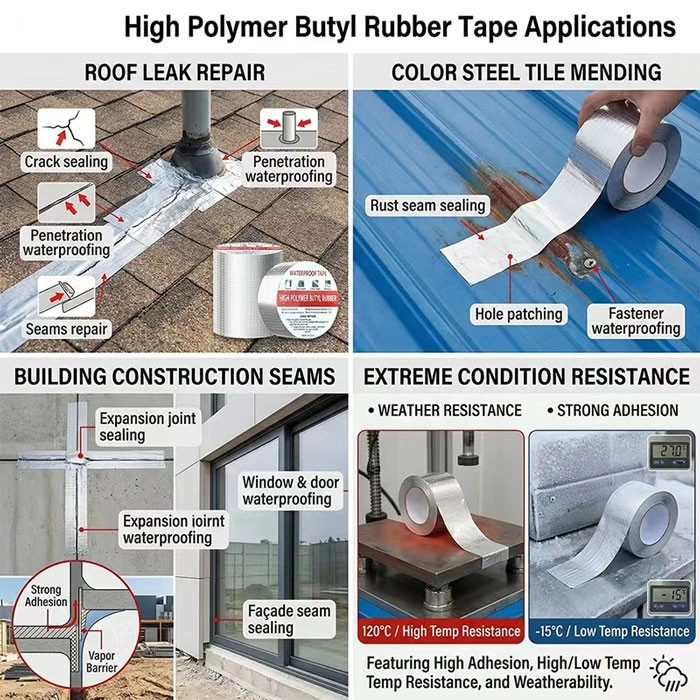
In practical projects, waterproof sealing tape usually faces several conditions at the same time:
- Rain and humidity
- Sunlight exposure
- Temperature changes
- Surface movement
These factors work together over time.
For buyers, this means product evaluation should not focus only on how strong the tape feels immediately after application.
Moisture Exposure Tests Long-Term Sealing Ability
Outdoor water problems often start from small areas.
A roof connection, metal joint, or building gap may appear properly sealed during installation. However, repeated moisture exposure can gradually test whether the tape continues maintaining contact with the surface.
This is why flexibility matters in many sealing applications.
Butyl waterproof tape is commonly selected for outdoor sealing applications because its flexible adhesive layer can adapt to small surface changes after installation. For projects such as metal roof repair, understanding how butyl tape performs in real outdoor conditions can help buyers make better product decisions.
For distributors, this performance characteristic is important because end customers usually evaluate the product after months of use rather than on the day of purchase.
Temperature Changes Can Influence Outdoor Performance
Outdoor structures are not completely static.
A metal surface exposed to direct sunlight may heat up during the day and cool down at night. Over time, these repeated changes create movement between connected materials.
A sealing tape needs to maintain contact while the surface changes.
When buyers compare waterproof tape suppliers, climate conditions are often part of the discussion.
For example:
- Hot climate markets may focus on outdoor durability.
- Humid markets may prioritize moisture protection.
- Regions with seasonal temperature changes may require better flexibility.
A supplier who understands these application differences can usually provide more suitable recommendations.
Sunlight Exposure and Long-Term Outdoor Use
Outdoor sealing materials are expected to perform beyond the first installation.
Roof repairs, exterior joints, and equipment sealing points may remain exposed to sunlight for long periods. For these applications, buyers usually look for products designed for continued outdoor use instead of short-term solutions.
Longer-lasting sealing performance can also help reduce repeated maintenance and unnecessary replacement during the service life of a project.
Tape Structure Matters When Selecting a Product
During international purchasing, price is often compared first. However, product structure usually determines whether the tape matches the application.
Two products may have similar appearances but different performance characteristics.
Before confirming a bulk order, buyers usually review:
| Item | Why Buyers Check It |
| Adhesive layer | Related to bonding and sealing performance |
| Backing material | Affects outdoor protection |
| Thickness | Matches different application needs |
| Width and roll size | Fits installation and sales requirements |
| Packaging | Supports different distribution channels |
A professional waterproof sealing tape supplier should be able to discuss these details before production instead of only providing a price list.
Where Butyl Tape Fits in Outdoor Sealing Applications
Butyl tape is widely used in construction and maintenance because it combines sealing performance with flexibility. In practical projects, it is often selected for applications such as roof, window, and gutter repair, where reliable sealing is required across different outdoor conditions.
In real projects, surfaces are not always perfectly smooth. Metal panels, roof connections, and building joints may contain small irregular areas.
A flexible adhesive layer helps the tape maintain contact with these surfaces.
Common applications include:
- Roof flashing
- Metal roof joints
- Window and door sealing
- HVAC-related sealing
- Building maintenance
For distributors, application flexibility is also commercially valuable. A product that supports multiple uses can help serve different customer groups without creating an overly complex product range.
Choosing Between Standard Butyl Tape and Aluminum Butyl Tape
Some outdoor applications require additional surface protection.
Aluminum butyl tape combines a butyl adhesive layer with an aluminum surface, making it suitable for applications where both sealing performance and outdoor exposure are important.
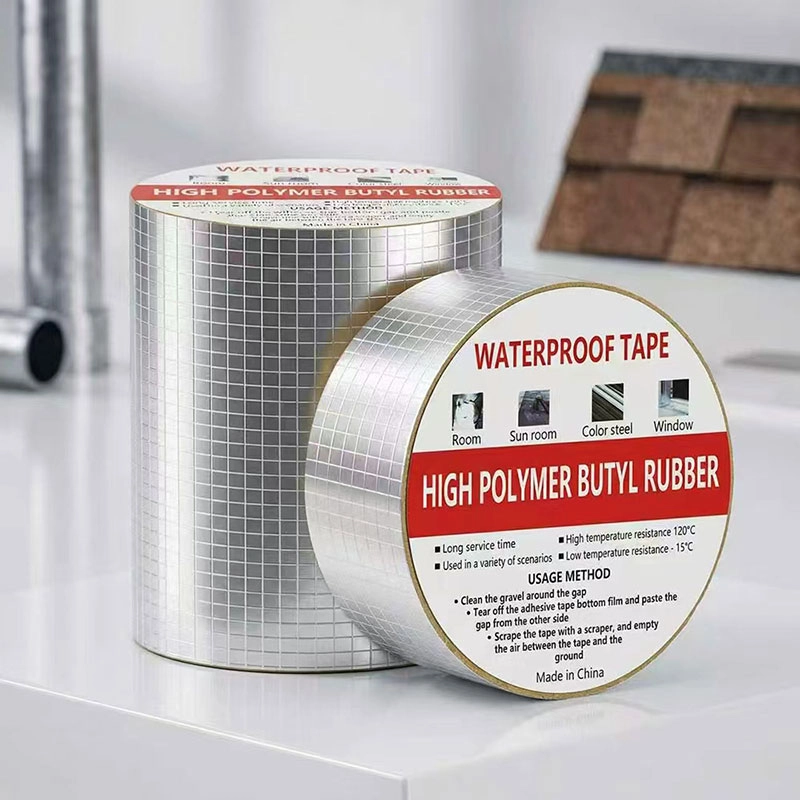
When evaluating an aluminum butyl tape supplier, buyers usually consider:
- Installation environment
- Surface compatibility
- Required size
- Packaging requirements
- Expected order volume
The right option depends on the project conditions rather than choosing the most expensive product available.
What Importers Should Confirm Before Bulk Purchasing
A successful order usually starts before production.
Many overseas buyers follow a similar process:
- Confirm application requirements
- Review product specifications
- Test samples
- Confirm packaging
- Move to bulk production
Sample Testing Before Regular Orders
Sample testing helps buyers evaluate whether the product matches their market requirements.
Typical checks include:
- Adhesion on target materials
- Installation experience
- Sealing performance
- Product appearance
- Packaging suitability
For example, a distributor supplying roofing materials may test samples with commonly used local materials before introducing the product to customers.
This step helps reduce problems after market launch.
OEM and Customization Requirements
Different markets often require different product formats.
Some buyers may need:
- Customized widths
- Different roll sizes
- Private label packaging
- Specific order formats
HONF provides customized adhesive tape solutions for customers with different application and market requirements. The company focuses on stable supply and flexible service to support international customers.
Selecting a Reliable Waterproof Sealing Tape Supplier
For importers, choosing a supplier is not only about receiving one shipment.
Long-term cooperation usually depends on:
- Product consistency
- Communication efficiency
- Customization support
- Production capability
- Ability to handle repeat orders
HONF focuses on functional adhesive tape manufacturing and works with customers requiring reliable supply and customized solutions.
For businesses searching for a waterproof sealing tape supplier, evaluating both product performance and supplier capability can help reduce sourcing risks.
Conclusion
Choosing waterproof sealing tape for extreme weather applications requires a balance between product performance, application requirements, and supplier reliability.
The best choice is not always the tape with the strongest initial adhesion or the lowest price. Long-term results depend on whether the product matches the environment where it will be used.
HONF provides waterproof sealing tape solutions for distributors, OEM customers, and industrial buyers looking for stable adhesive tape supply and customized options.
Companies interested in sourcing waterproof sealing tape for outdoor applications can contact HONF to discuss suitable product solutions.
FAQs
Q1: What details are usually needed when requesting a waterproof sealing tape quotation?
A: A supplier normally needs basic project information before preparing a quotation, such as tape size, application area, surface type, order quantity, and packaging requirements. These details help determine a suitable tape solution instead of providing a general product option.
Q2: When should butyl tape be considered instead of standard waterproof tape?
A: Butyl tape is often considered for projects where sealing performance and flexibility are both important. It is commonly used for outdoor applications such as roof joints, building connections, and areas where materials may experience slight movement.
Q3: Why do importers test waterproof sealing tape samples before placing larger orders?
A: Sample testing allows importers to check whether the tape works well with their local materials and application methods. Many buyers evaluate adhesion, installation convenience, and sealing performance before moving to regular bulk orders.
Q4: Can waterproof sealing tape be customized for different markets?
A: Yes. Custom requirements may include tape width, roll size, packaging format, or private label solutions. These options help distributors and OEM customers match the product with their sales channels and application needs.
Q5: What factors should be reviewed when selecting a butyl tape manufacturer?
A: Product consistency, customization ability, communication efficiency, and production capability are important factors during supplier evaluation. A suitable manufacturer should be able to support both initial sample approval and long-term supply requirements.
Recent Post



Related Products
Best-selling Products
Kraft Masking Film Manufacturer
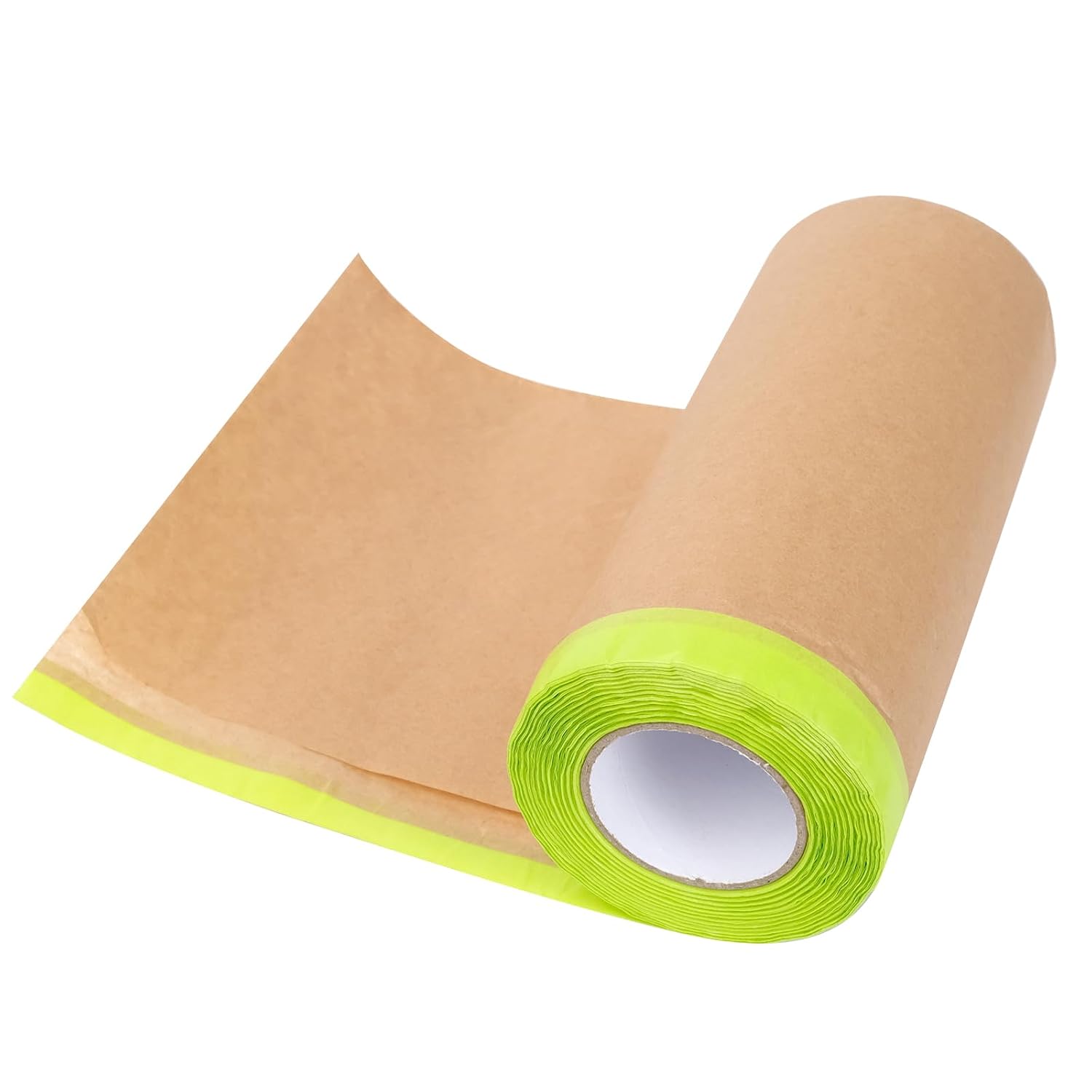
Kraft Masking Film is a protective masking material made from kraft paper, often with an adhesive edge for quick application. It helps shield floors, walls, furniture, and other surfaces from paint, dust, dirt, and overspray during decorating, renovation, and construction work. It is easy to use, cut, and remove after the job is complete.
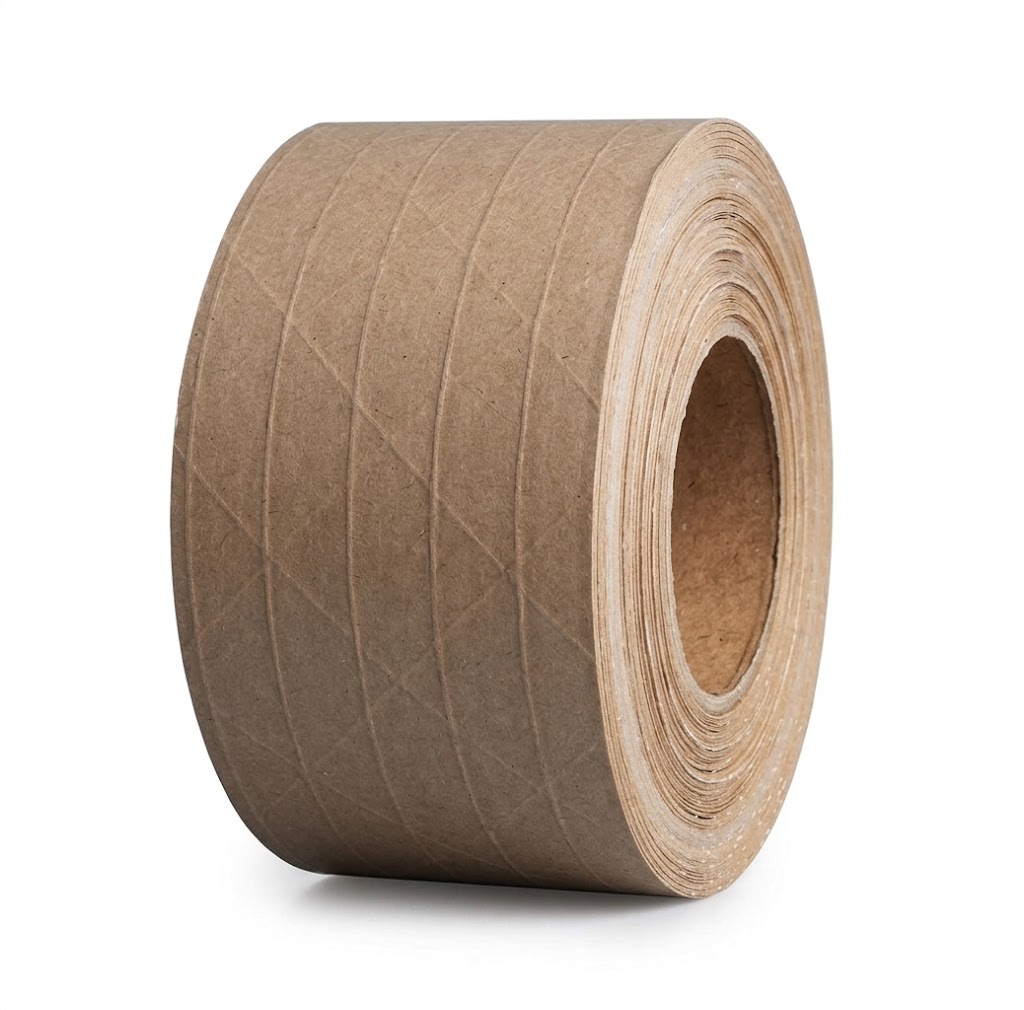
Reinforced Water-Activated Kraft Paper Tape Manufacturer
Reinforced Water-Activated Kraft Paper Tape is made from durable kraft paper reinforced with strong fibers and activated by water. It provides excellent adhesion, high tensile strength, and tamper-evident sealing, making it ideal for sealing cartons, heavy-duty packaging, and shipping boxes.
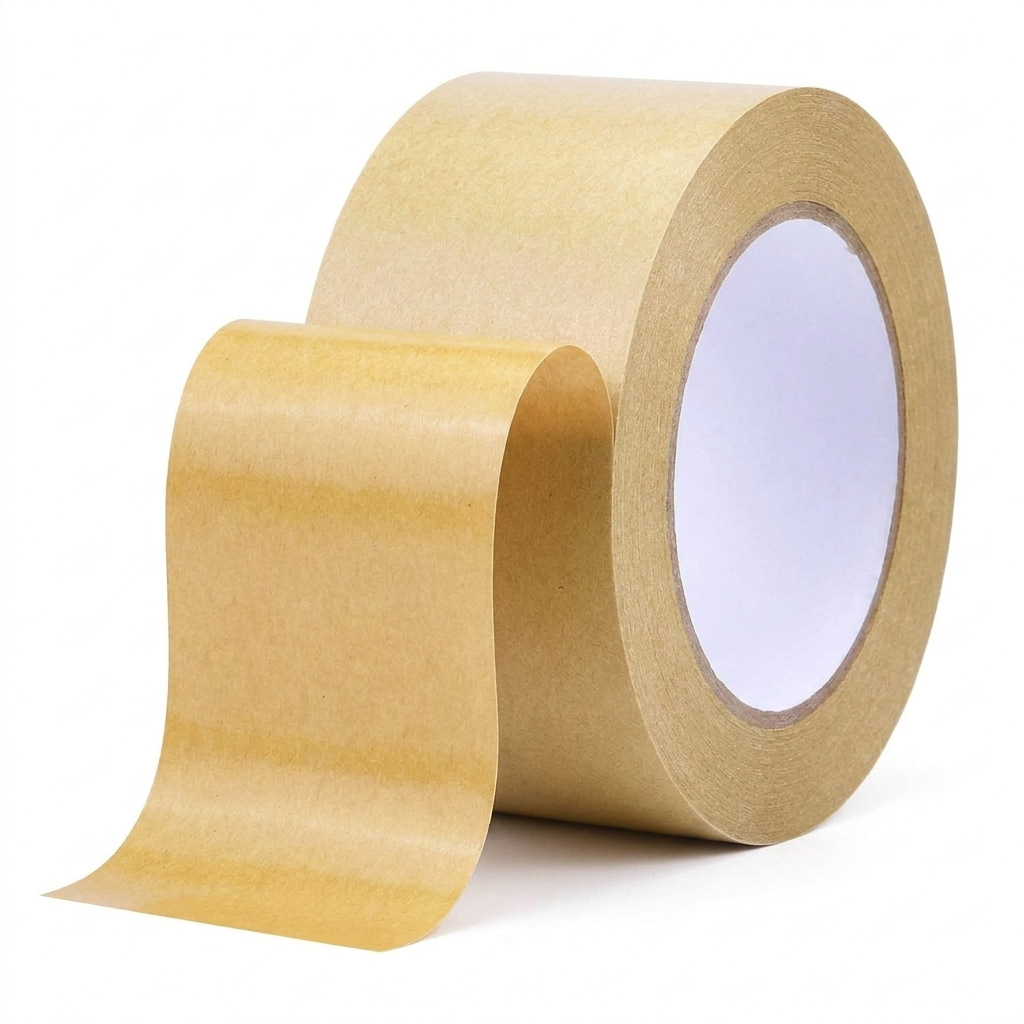
PE Self-Adhesive Kraft Paper Tape Manufacturer
PE Self-Adhesive Kraft Paper Tape is made from durable kraft paper laminated with a PE coating and a strong pressure-sensitive adhesive. It offers moisture resistance, excellent tear strength, and reliable adhesion, making it ideal for carton sealing, packaging, bundling, labeling, and general industrial use.
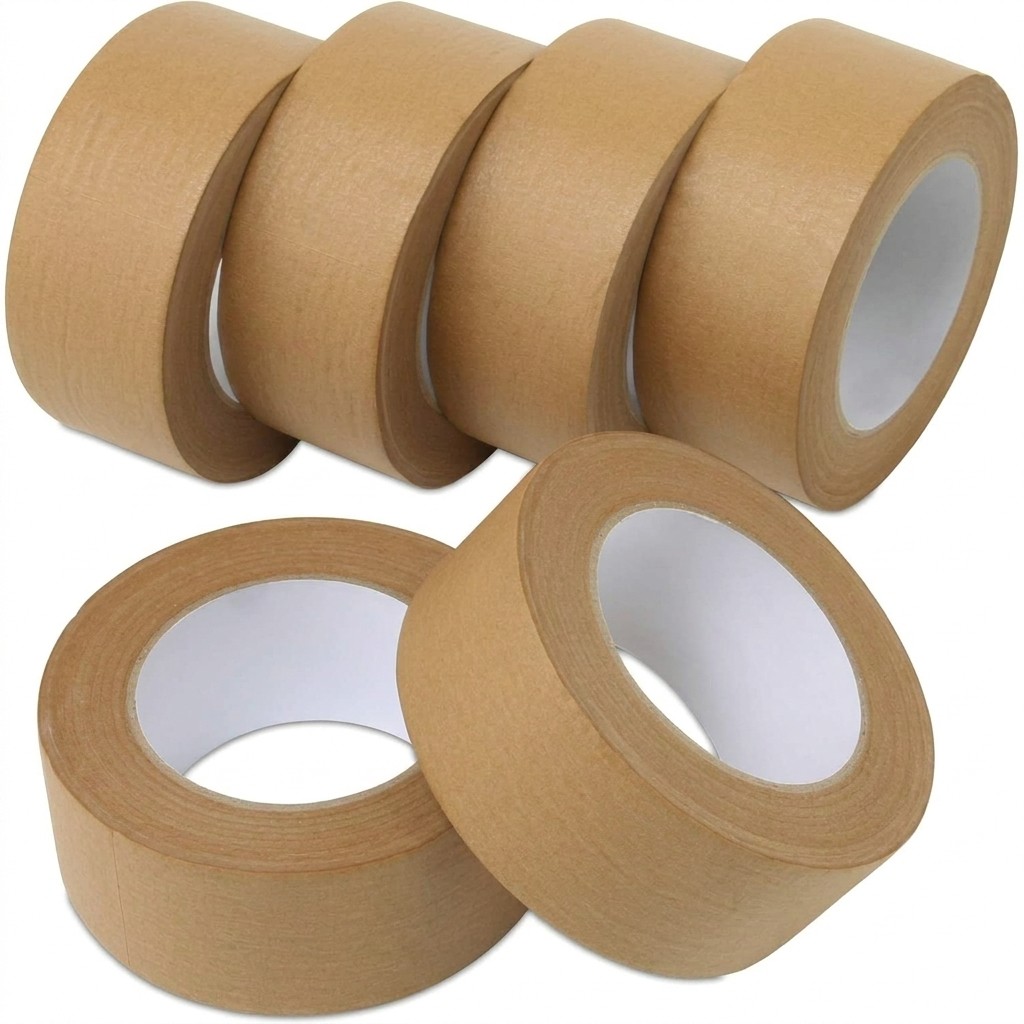
Kraft Paper Tape Manufacturer
Kraft Paper Tape is an eco-friendly adhesive tape made from durable kraft paper. It provides strong adhesion, easy tearability, and reliable sealing performance, making it ideal for carton sealing, packaging, labeling, crafts, and general office use.
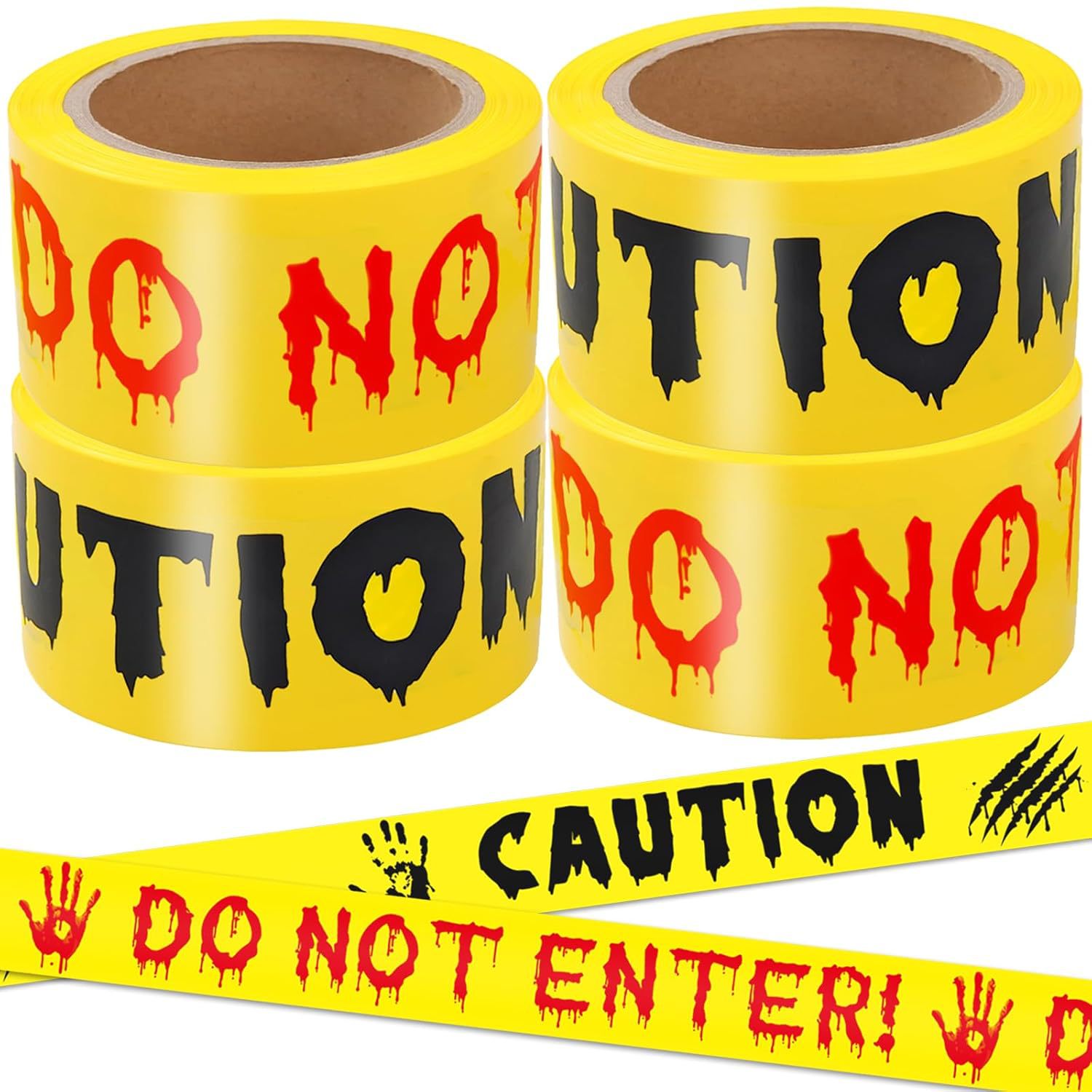
Halloween Caution Tape Manufacturer
Halloween Caution Tape is a festive decorative tape featuring spooky Halloween designs and caution-style lettering. It is ideal for decorating parties, haunted houses, windows, doors, yards, and event spaces, creating a fun and eye-catching atmosphere.
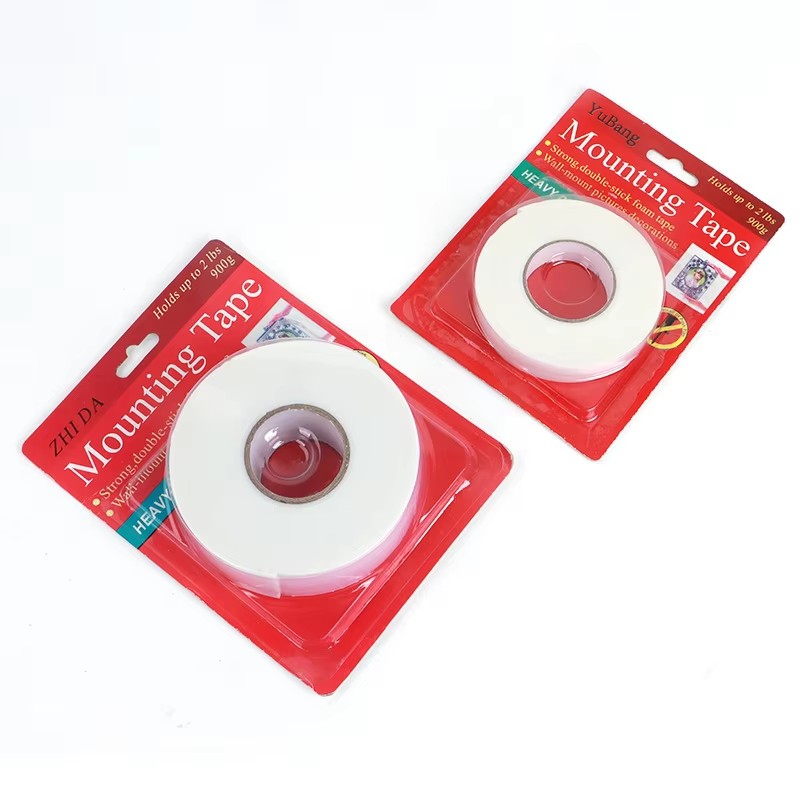
Mounting Tape Manufacturer
Mounting Tape is a strong double-sided adhesive tape designed for securely mounting and fixing items without screws or nails. It provides excellent adhesion, durability, and easy application, making it ideal for signs, decorations, hooks, frames, mirrors, and household or office accessories.