Kraft Paper Tape Manufacturer

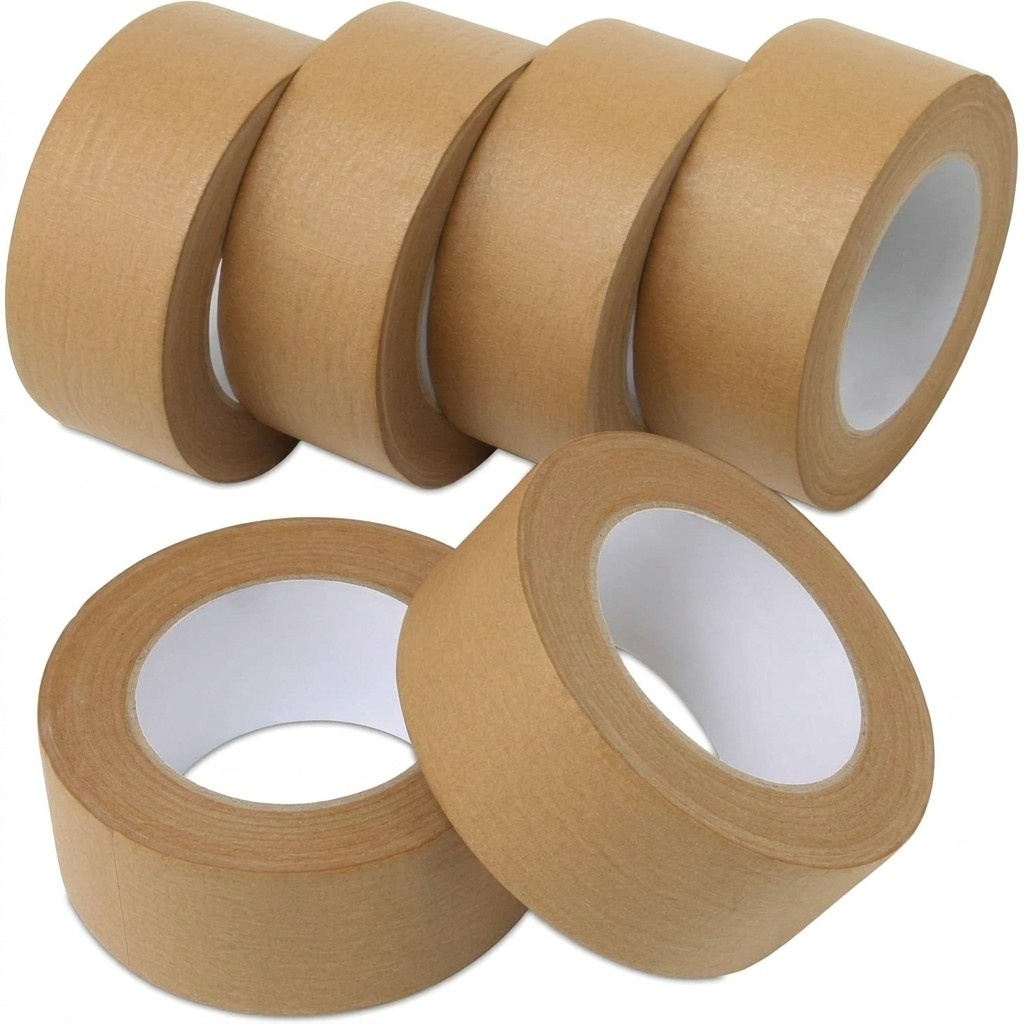
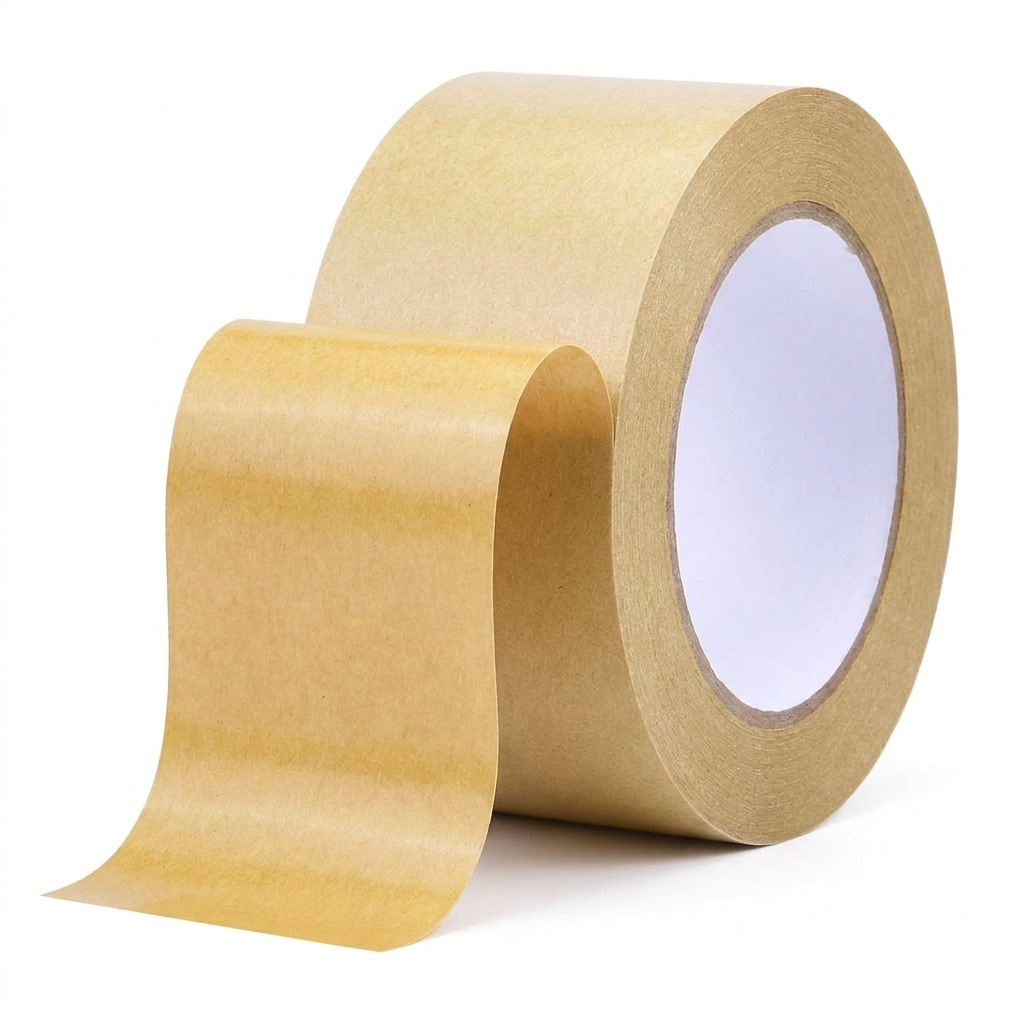
Kraft Paper Tape is an eco-friendly adhesive tape made from durable kraft paper. It provides strong adhesion, easy tearability, and reliable sealing performance, making it ideal for carton sealing, packaging, labeling, crafts, and general office use.
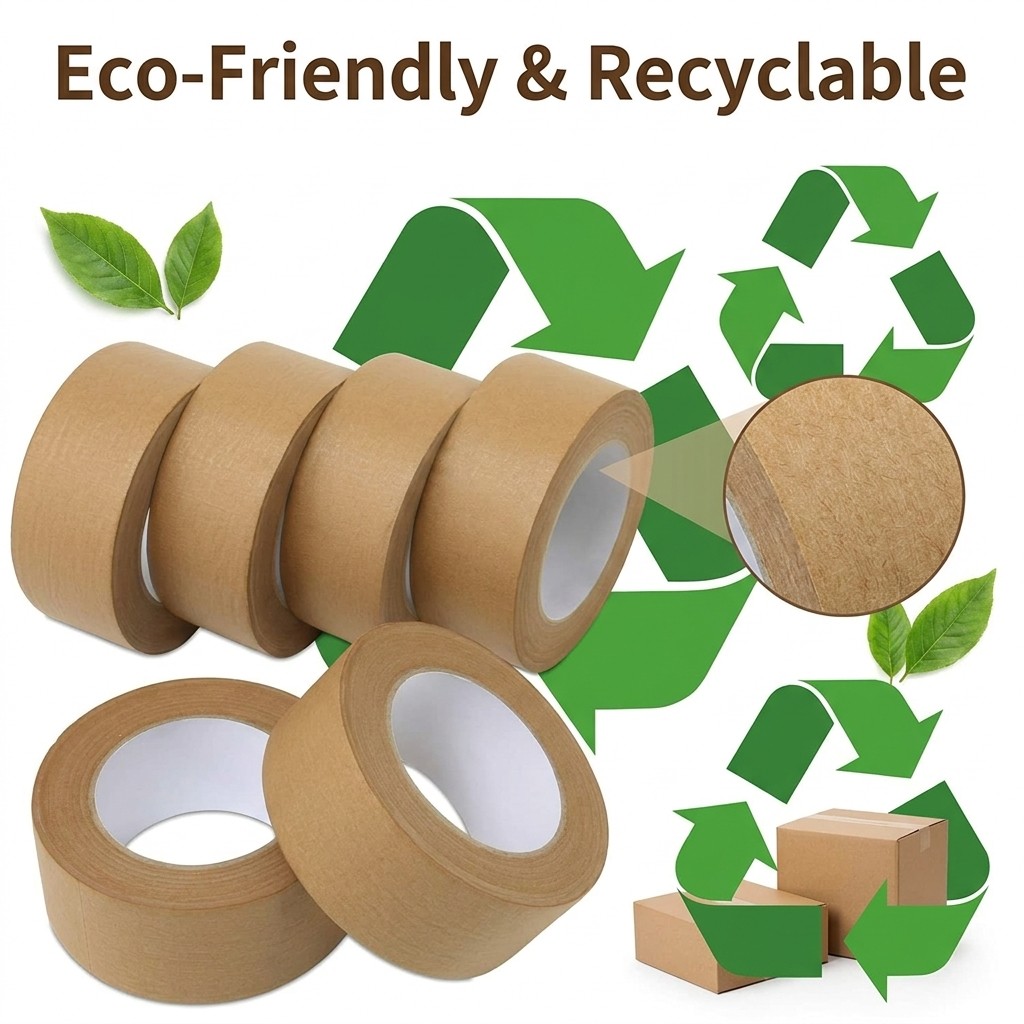
  • Eco-Friendly Uncoated Kraft Paper Backing
  • Standard-Duty Packaging & Splicing
  • Easy Hand-Tearable Convenience
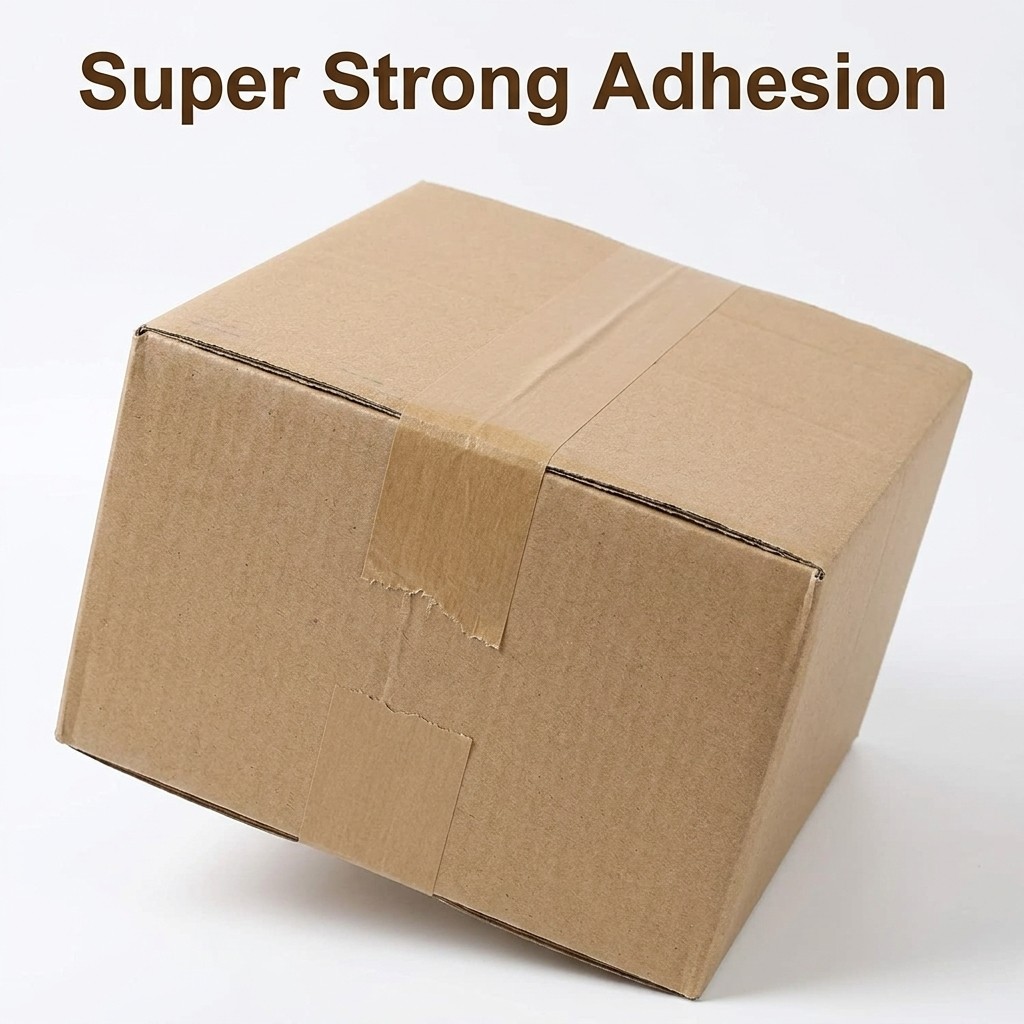
  • Aggressive Hot-Melt Adhesive
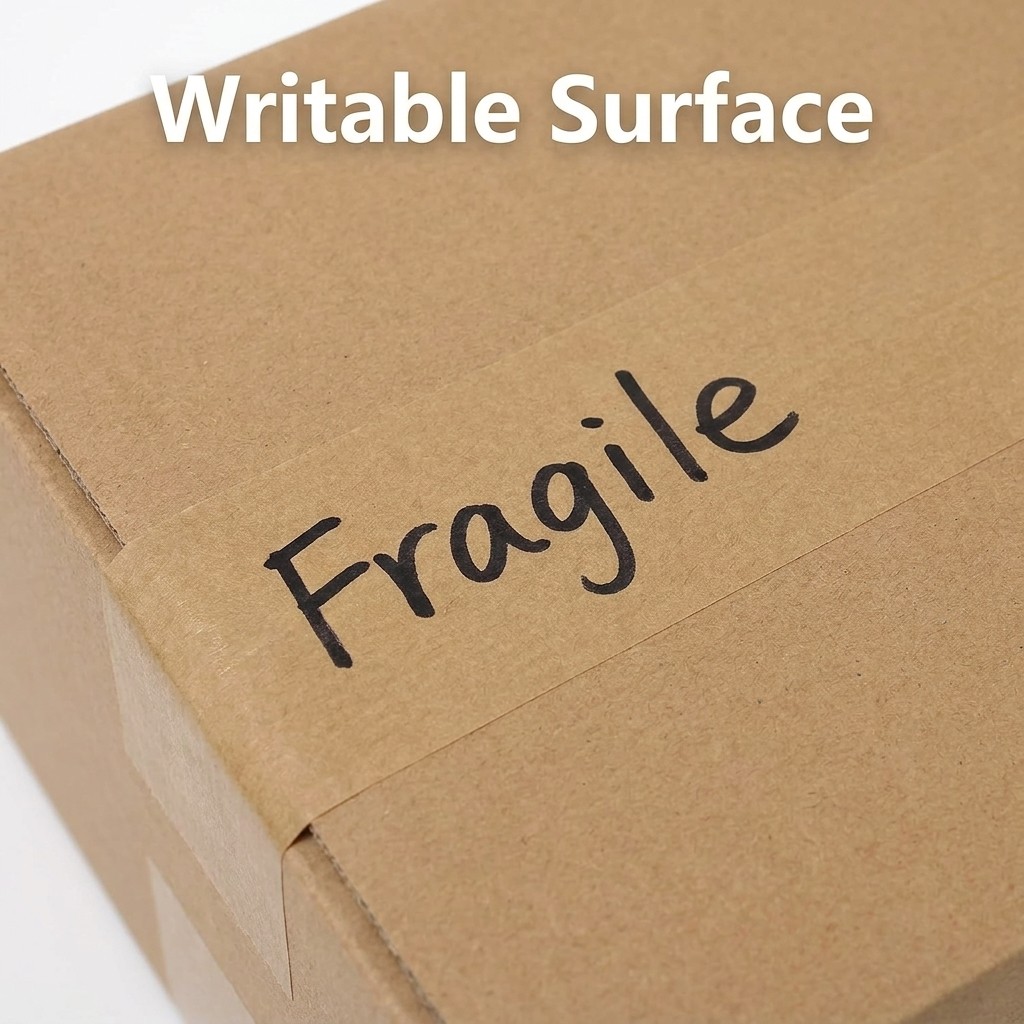
  • Writable & Printable Surface
  • Product Overview

1. PRODUCT SPECIFICATIONS

These are the standard SKUs. Custom runs take about 1 week longer.

Item Standard Spec
Product type Plain kraft paper tape with hot-melt pressure-sensitive adhesive for carton sealing, parcel packing, box reinforcement, labeling, and general packaging.
Backing material Kraft paper without a laminated coating or reinforcing layer. Final paper weight, colour, tear strength, and surface finish require sample confirmation.
Construction Plain paper construction only; no PE lamination, film coating, fiberglass reinforcement, filament layer, or mesh carrier is specified.
Adhesive Hot-melt pressure-sensitive adhesive for compatible clean and dry packaging surfaces; tack, peel adhesion, holding power, ageing, and temperature response require testing.
Standard thickness 0.22mm. Alternative thickness constructions may be discussed for qualified projects, with a higher minimum order quantity applying.
Roll width 45mm and 50mm. Bespoke widths may be produced for volume programs, subject to an increased MOQ.
Roll length 50m and 100m. Other roll lengths may be reviewed, although customized production requires a larger order commitment.
Recommended uses Carton sealing, parcel packing, box reinforcement, labeling, bundling, e-commerce fulfillment, moving boxes, and general packaging.
Recommended surfaces Clean, dry, stable corrugated board, kraft cartons, paperboard, recycled cartons, and compatible packaging surfaces after an adhesion test.
Application method Align the tape over the carton seam, apply firm and even pressure, press the full strip and edges securely, and inspect the seal before handling.
Storage guidance Store sealed rolls in a clean, dry place away from direct sunlight, excessive heat, condensation, dust, and pressure that could distort the roll.
Performance checks Confirm initial tack, peel adhesion, holding power, paper tear, carton compatibility, humidity, temperature, ageing, printability, residue, and seal performance.
Packing options Roll cores, individual wraps, labels, retail packs, carton quantities, private-label artwork, printing, and shipping marks can be reviewed by order.
Customization Thickness, width, length, paper colour, printing, core, and packing can be customized. Non-standard programs may require a higher MOQ and sample approval.
Payment 30% T/T deposit, 70% before shipment. L/C accepted for orders >$15K.

2. WHY PACKAGING BUYERS REORDER FROM US

Direct-use reasons for carton suppliers, e-commerce packers, warehouses, fulfillment centres, moving-supply brands, retailers, and private-label buyers.

🔨 “The plain paper construction is easy to understand”

Buyers receive a standard kraft paper tape without laminated film or reinforcing fibers, making the product position clear before samples and quotations are approved.

🔨 “Two widths fit common carton seams”

The 45mm and 50mm options cover familiar packaging needs without forcing buyers into an unusually wide industrial format.

🔨 “Two roll lengths support different packing volumes”

Fifty-meter rolls work well for compact stations and retail packs, while 100-meter rolls reduce changeovers in higher-volume packing areas.

🔨 “Hot melt adhesive provides practical initial tack”

The adhesive format supports routine packing after the carton surface, application pressure, temperature, and storage conditions are checked.

🔨 “The kraft appearance suits natural packaging styles”

The brown paper look can complement kraft cartons, shipping boxes, handmade packaging, labeling, and simple private-label presentation.

🔨 “Custom dimensions can match the packing line”

Share the carton grade, thickness, width, length, core, paper colour, printing, packing quantity, and destination for review.

3. FREQUENTLY ASKED QUESTIONS

Q1: What is plain kraft paper tape used for?

A: It can be evaluated for carton sealing, parcel packing, box reinforcement, labeling, bundling, e-commerce fulfillment, moving boxes, and general packaging applications.

Q2: Does this tape have a laminated coating?

A: No. The supplied construction is plain kraft paper without a laminated film or coating layer.

Q3: Is there a reinforcing layer inside the tape?

A: No. This is not filament-reinforced or mesh-reinforced kraft tape. It uses kraft paper with hot-melt adhesive only.

Q4: What are the standard dimensions?

A: The standard thickness is 0.22mm. Widths are 45mm and 50mm, and roll lengths are 50m and 100m.

Q5: Can it be written or printed on?

A: The paper surface may support writing, labeling, or printing, but the intended pen, marker, ink, and print process should be tested on the final tape.

Q6: Can it seal every type of carton?

A: No. Recycled fibers, dust, coatings, low temperatures, humidity, flap tension, and storage conditions can change adhesion. Test the actual carton before launch.

Q7: How should the tape be applied?

A: Keep the carton surface clean and dry, align the tape over the seam, apply firm and even pressure, and press the tape ends and edges securely.

Q8: Can the thickness, width, and length be customized?

A: Yes. Alternative dimensions can be developed for suitable orders, with a higher minimum order quantity and sample approval required before production.

4. CONTACT INFORMATION

Main Contact: Judy (Export Sales Manager)

📧 Email (fastest): hftape1@gmail.com

📞 WhatsApp (if urgent): +86-195-5053-2146

💬 WeChat ID: +86-195-5053-2146

⏰ Office hours: Mon-Fri 8am-6pm (GMT+8)

📍 Factory location: Zhejiang Province (2 hrs from Ningbo port)

⚡ Response time: Usually within 12 hours

Decorative picture on the left
Decorative picture on the right
OUR PRODUCTS

Best-selling Products

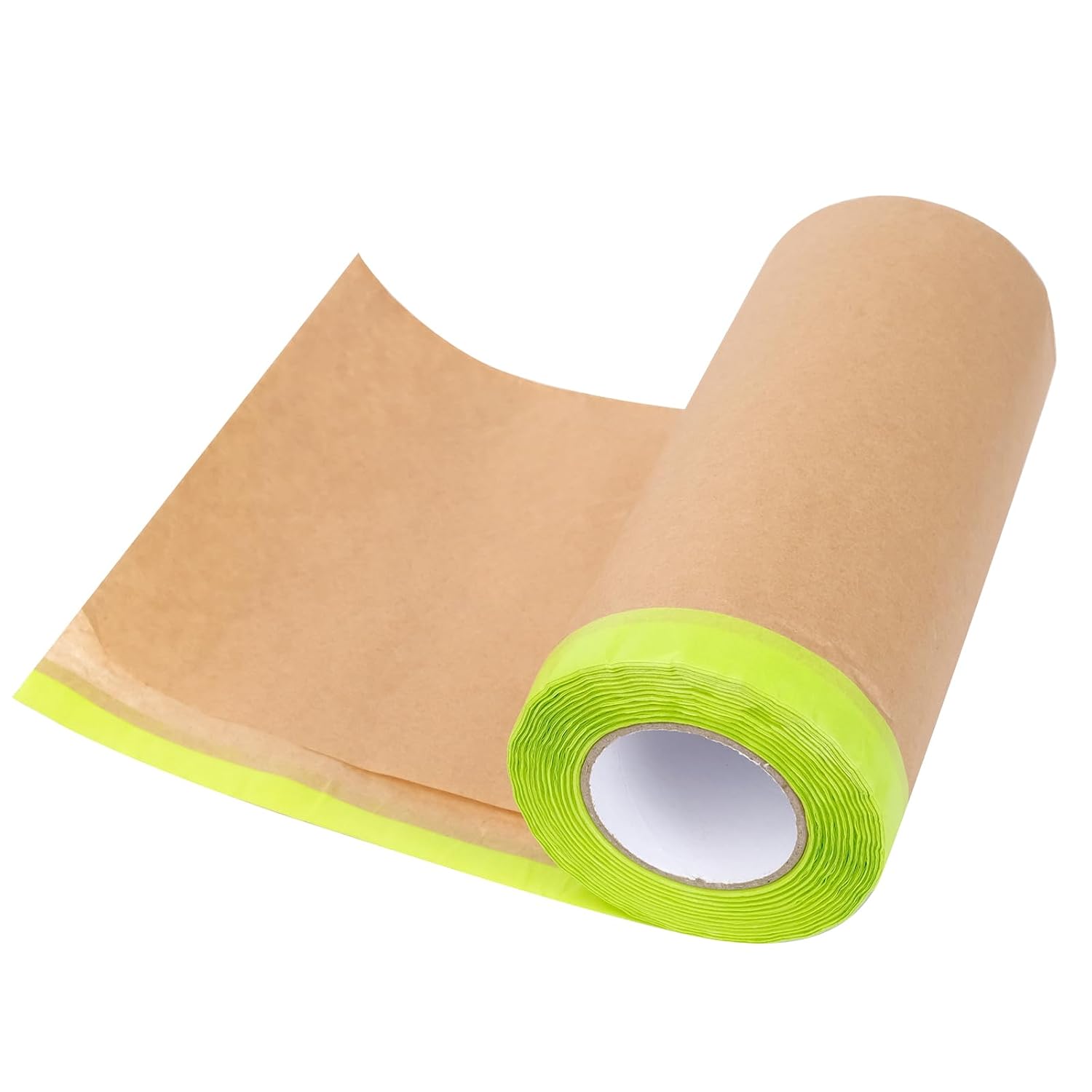
Kraft Masking Film Manufacturer

Kraft Masking Film is a protective masking material made from kraft paper, often with an adhesive edge for quick application. It helps shield floors, walls, furniture, and other surfaces from paint, dust, dirt, and overspray during decorating, renovation, and construction work. It is easy to use, cut, and remove after the job is complete.

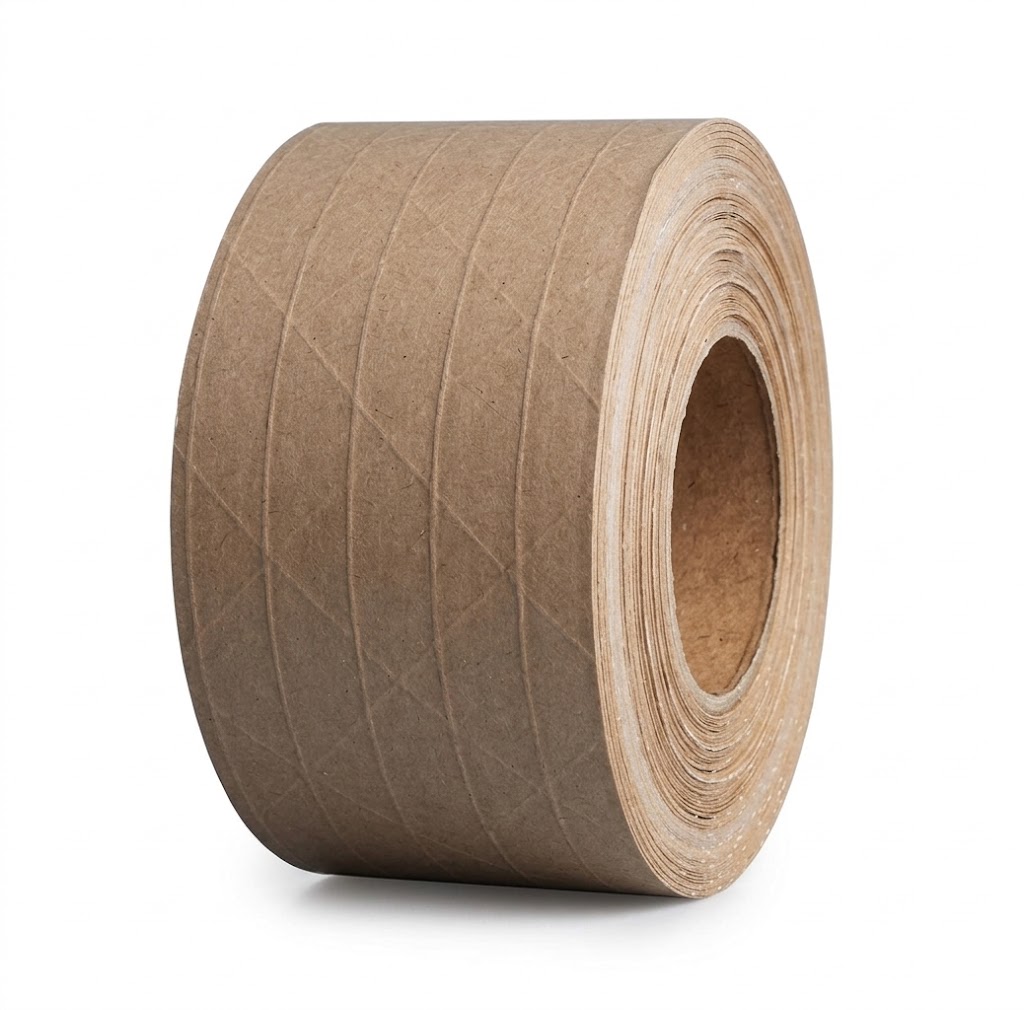
Reinforced Water-Activated Kraft Paper Tape Manufacturer

Reinforced Water-Activated Kraft Paper Tape is made from durable kraft paper reinforced with strong fibers and activated by water. It provides excellent adhesion, high tensile strength, and tamper-evident sealing, making it ideal for sealing cartons, heavy-duty packaging, and shipping boxes.

PE Self-Adhesive Kraft Paper Tape Manufacturer

PE Self-Adhesive Kraft Paper Tape is made from durable kraft paper laminated with a PE coating and a strong pressure-sensitive adhesive. It offers moisture resistance, excellent tear strength, and reliable adhesion, making it ideal for carton sealing, packaging, bundling, labeling, and general industrial use.

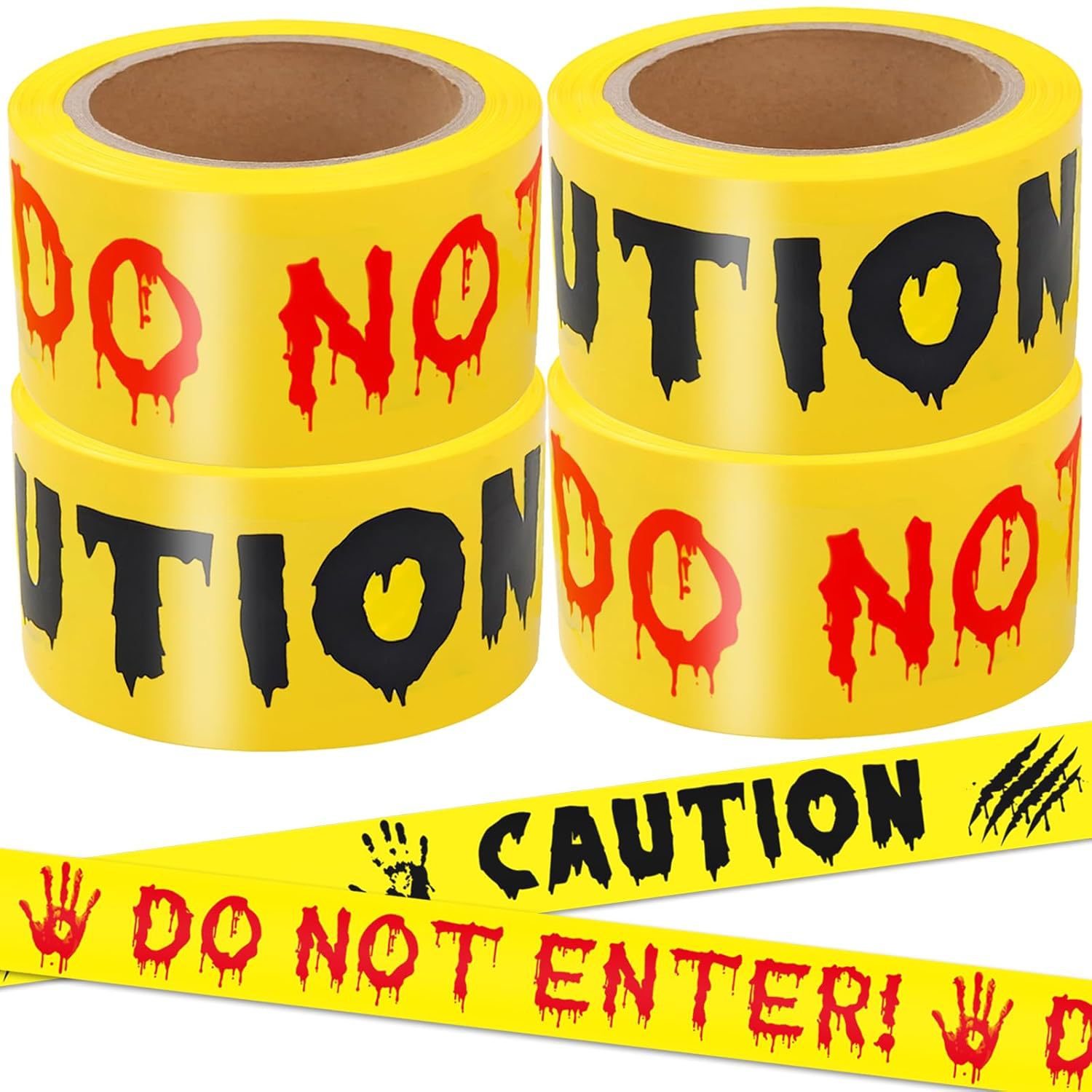
Halloween Caution Tape Manufacturer

Halloween Caution Tape is a festive decorative tape featuring spooky Halloween designs and caution-style lettering. It is ideal for decorating parties, haunted houses, windows, doors, yards, and event spaces, creating a fun and eye-catching atmosphere.

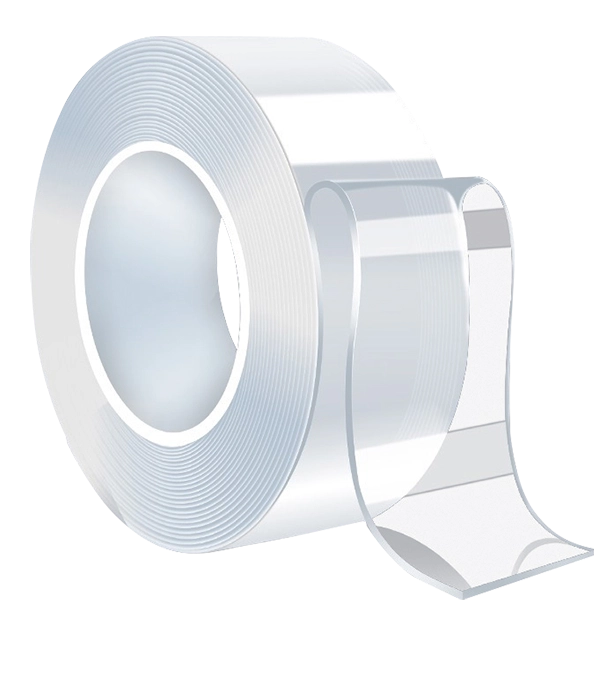
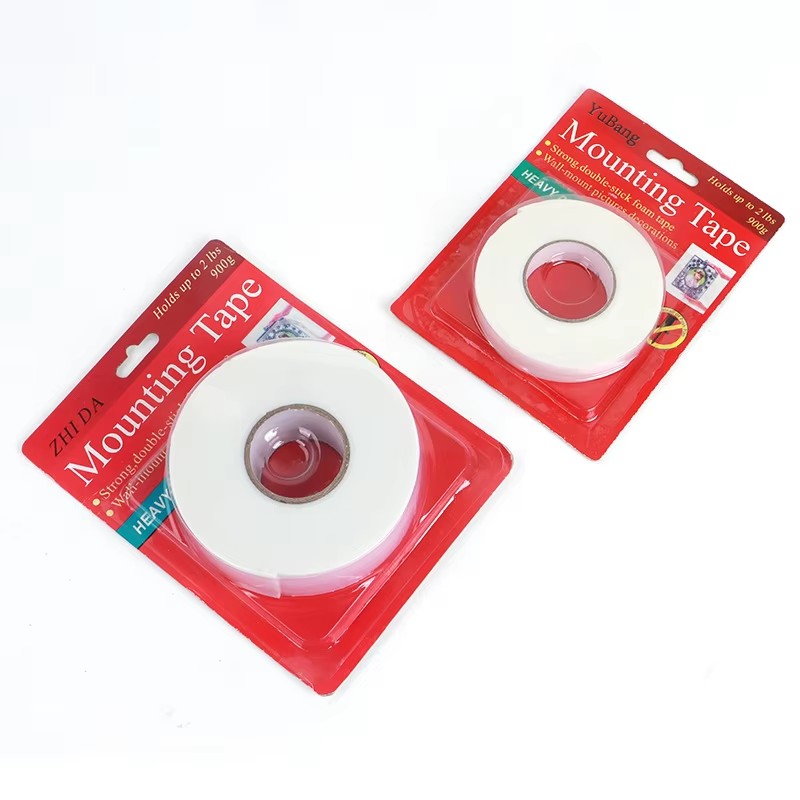
Mounting Tape Manufacturer

Mounting Tape is a strong double-sided adhesive tape designed for securely mounting and fixing items without screws or nails. It provides excellent adhesion, durability, and easy application, making it ideal for signs, decorations, hooks, frames, mirrors, and household or office accessories.

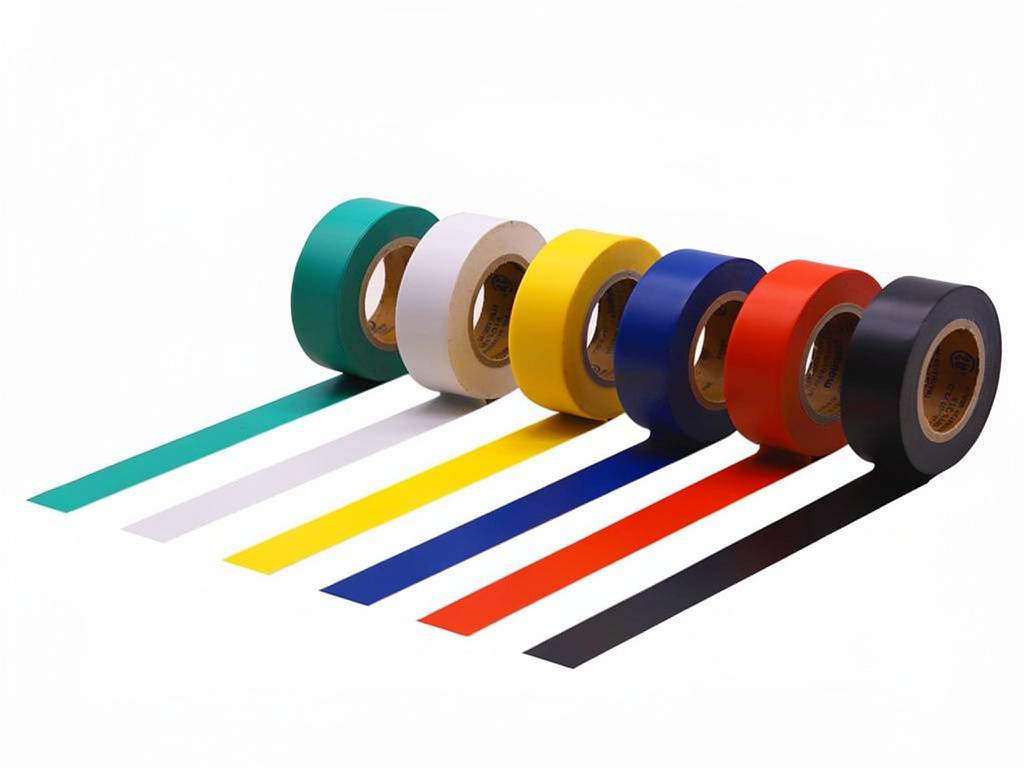
PVC Electrical Tape Manufacturer

PVC Electrical Tape is made from flexible PVC film coated with strong insulating adhesive. It offers excellent electrical insulation, flame resistance, waterproofing, and durability. Ideal for wrapping wires and cables, protecting electrical connections, bundling, and general maintenance.
OUR LATEST

Our Latest Blog & News

Super Clear BOPP Packing Tape for Barcode & QR Code Visibility: 2026 Sourcing and Qualification Guide
  • 22,October

Super Clear BOPP Packing Tape for Barcode & QR Code Visibility: 2026 Sourcing and Qualification Guide

Source super clear BOPP packing tape for barcode and QR code visibility. Compare optical clarity, carton sealing, machine use, and bulk sourcing.
Glow in the Dark Anti-Slip Tape for Stairs: 2026 Low-Light Safety & B2B Sourcing Guide
  • 23,October

Glow in the Dark Anti-Slip Tape for Stairs: 2026 Low-Light Safety & B2B Sourcing Guide

Learn how to source glow in the dark anti-slip tape for stairs, compare afterglow, grip, surfaces and center-strip options, and qualify bulk orders.
How to Source Static Whiteboard Film for Private Label and Retail Programs
  • 16,October

How to Source Static Whiteboard Film for Private Label and Retail Programs

A static whiteboard film supplier should help you match the film to the surface, writing routine, roll format, and retail program – not just quote a width. For private-label buyers, the safest path is to approve a representative PP film sample on the actual wall, glass, cabinet, or desk. Confirm writing, erasing, edge hold, residue, packaging, and repeat-order details before launch. HONF offers a removable PP static whiteboard film with standard widths of 45, 60, 90, and 120 cm and standard lengths of 2, 3, 5, and 10 m. This guide explains how to turn those options into a practical sourcing specification. Start with the surface and the job The first decision is not roll length. It is where the film will be installed and what the end user will do with it. A school planner, a kitchen reminder panel, a meeting-room wall, and a cabinet protection sheet may all use a white writable surface, but they create different risks around cling, cleaning, trimming, and repeated removal. List the target surfaces before contacting a static whiteboard film supplier. Typical candidates include clean, dry, smooth cabinets, painted walls, glass, tile, sealed boards, desks, and doors. Porous, dusty, greasy, heavily textured, damp, or failing surfaces should be treated as unapproved until a sample proves otherwise. The surface condition controls whether a static film stays flat and whether it can be removed without damaging the finish. Writable planning:schedules, menus, lessons, inventory notes, and project boards. Replaceable protection:cabinet panels, splash-prone areas, and selected wall or kitchen surfaces. Retail or private label:a defined roll format, package count, instructions, and barcode or label workflow. Understand what static film changes in the buying decision Separate material claims from application claims A static whiteboard film uses a removable, adhesive-free placement method rather than a permanently bonded wall adhesive. That distinction matters to retailers because the product promise is about repositioning and replaceability, while the user experience still depends on surface smoothness, cleanliness, humidity, and installation technique. A buyer should therefore separate the material claim from the application claim: PP film may be suitable, but each target surface still needs a cling and removal check. For a private-label program, the writing surface is equally important. Approve the actual marker system and cleaning routine, then check erasability, ghosting, staining, repeated wiping, and edge hold. A film that looks smooth in a showroom may behave differently after transport, trimming, or frequent cleaning. The acceptance sample should represent the final thickness, finish, roll length, and packaging configuration. HONF lists the static whiteboard sticker product with PP construction, glueless electrostatic adsorption, removable positioning, and a dry-erase writing surface. Those facts support a simple rule: qualify the surface and writing system together before approving the retail claim. Choose width and length for the channel Match format to the selling channel Standard dimensions should be selected by the selling channel and installation pattern. Narrower rolls can suit cabinet panels, doors, compact work areas, and trial packs. Wider 90 cm or 120 cm rolls can support classroom walls, meeting areas, and larger planning surfaces, but they also increase handling, alignment, and packaging requirements. A wide roll is not automatically the better commercial choice if the retail buyer expects easy home installation. Buyer situation Practical starting point What to verify Household or trial pack 2 m or 3 m roll Easy handling, trimming, and package dimensions Repeated office or classroom use 5 m roll Edge hold, cleaning routine, and replacement cycle Large planning or project surface 10 m roll or custom format Shipping protection, alignment method, and retail instructions Cabinet or compact panel program 45 cm or 60 cm width Fit, corner trimming, and surface compatibility Wall or classroom program 90 cm or 120 cm width Handling space, flatness, and installation labor The HONF standard range gives buyers a concrete comparison point, while custom widths and lengths can be discussed for volume programs. Treat custom sizing as a qualification step rather than an automatic promise: confirm the target dimensions, finished roll, packing method, quantity, and destination before using a custom specification in a product listing. Build a sample approval matrix Use one matrix from sample to repeat order A sample approval matrix turns a broad product idea into repeatable receiving criteria. Use the same matrix for the first sample, pre-production approval, and a later repeat order. Record the surface, cleaning method, marker type, installation date, removal date, and operator observations so a buyer can distinguish a film issue from an application issue. Cling:does the film stay flat on each target surface after the planned installation method? Writing:does the selected marker write smoothly without beading or uneven drag? Erasing:does normal cleaning remove the writing without unacceptable ghosting or stains? Edges and corners:do trimmed edges remain secure without lifting or curling? Removal:does the film come away as expected on the approved surface, without unacceptable residue or finish damage? Protection use:if the product is sold for kitchen or wall protection, does the finished surface tolerate the intended grease, splash, heat, and cleaning routine? The product specification calls for testing static cling, edge hold, writing, erasability, ghosting, staining, cleaning, grease and splash protection, heat exposure, residue, removal, and compatibility with the target surface. Those checks are useful because they connect the supplier conversation to the buyer complaint that matters: whether the packaged product performs in the exact environment promised on the label. Plan private-label packaging before production Private-label buyers often focus on artwork first and discover format problems later. Decide whether the program needs individual bags, retail cards, labels, carton quantities, shipping marks, dispenser packs, or cut-to-size pieces. The packaging should protect the film from creasing, dust, condensation, and pressure during storage and transport, while the instructions should explain surface preparation, smoothing from the center outward, air-pocket removal, trimming, writing, cleaning, and removal limits. For a broader customization discussion, buyers can review HONF’s OEM and ODM service. Use it as the next step after the product sample is approved, not as a substitute for defining the film, finish, dimensions, and target surface. A useful RFQ should include the target market, surfaces, marker type, standard or custom width, roll length, thickness, finish, retail pack, label language, carton quantity, annual forecast, and destination. Ask the supplier to identify which items are standard and which require a qualified custom run. This prevents a private-label listing from promising a format that was never approved. Avoid claims that create avoidable returns Static whiteboard film is not a universal wall adhesive and should not be marketed as a fit for every paint, plaster, cabinet coating, or countertop. Product copy should name compatible smooth surfaces and direct customers to a small cling, writing, and removal test. It should also explain that a static film is a removable surface layer, not a permanent construction material or a repair for damaged walls. The same discipline applies to dry-erase claims. Say what has been tested: marker family, cleaning method, repeat cycles, surface, and storage conditions. Avoid unsupported phrases such as stain-proof, damage-free on every wall, or permanent adhesion. Clear limits protect the retailer from complaints and give the supplier a fair approval target. Use HONF product evidence to prepare the quote The HONF static whiteboard sticker product provides a useful baseline for a sourcing conversation: PP film, 0.05 mm standard thickness, four standard widths, four standard lengths, compatible smooth surfaces, and packaging options that can be reviewed by order. The commercial value is not the list alone; it is the ability to compare a requested retail format against a defined sample and acceptance matrix. Buyers can also review HONF tape product categories to confirm the broader product context before sending an RFQ. Keep the inquiry focused on the whiteboard film program so the supplier can respond to the actual surface, format, and packaging requirements. Conclusion: choose the supplier that can qualify the whole program The best static whiteboard film supplier for a private-label or retail program is the one that can align material, surface, writing system, dimensions, packaging, and approval criteria. Start with a representative sample on the real substrate. Then confirm cling, writing, erasing, edge behavior, removal, storage, and the exact retail format before you finalize claims or repeat-order terms. HONF buyers can send the target surface, application, width and length preference, marker and cleaning method, packing format, quantity, and destination to begin a product review. That information gives the quote a usable technical context and creates a clearer path from sample approval to a sellable retail SKU. Submit your requirements through the HONF contact and quote page to request a review of the intended static whiteboard film program. Frequently Asked Questions What should I ask a static whiteboard film supplier first? Start with the target surface, use case, marker and cleaning routine, required width and length, retail format, forecast quantity, and destination. Those details determine which sample should be tested and which claims can be printed on the package. What are the standard HONF static whiteboard film sizes? The listed standard options are 0.05 mm thickness, 45 cm, 60 cm, 90 cm, and 120 cm widths, with 2 m, 3 m, 5 m, and 10 m roll lengths. Custom dimensions should be treated as a qualified program and confirmed by sample. Can static whiteboard film be used on painted walls? It may be evaluated on clean, dry, smooth painted walls, but the surface must pass a small cling, writing, and removal test. Paint condition, texture, dust, humidity, and installation technique can change the result. How should a private-label buyer approve the product? Approve the finished construction and packaging together. Test the actual film on representative surfaces, use the intended marker and cleaning method, record edge and removal behavior, and verify the retail instructions and pack dimensions before production.

How to Choose Tamper-Evident Tape for E-commerce, Electronics and Secure Packaging
  • 15,October

How to Choose Tamper-Evident Tape for E-commerce, Electronics and Secure Packaging

A tamper evident tape manufacturer should help you define what the seal must reveal, where it will be applied, how the opening evidence will be checked, and how the finished rolls will fit the packing workflow. For e-commerce, electronics, document, and warehouse programs, the useful question is not whether a tape looks secure. It is whether a receiving team can recognize a disturbed seal on the actual carton or pack. HONF offers BOPP VOID tamper-evident tape with acrylic pressure-sensitive adhesive, a 48 mm standard width, 50 m and 100 m roll lengths, and standard thickness options from 45u to 55u. This guide turns those facts into a practical buying and approval process. Define the security event before choosing the tape Tamper-evident tape is selected around a verification event. A parcel program may need a visible indication that a carton seam was opened. An electronics brand may need a security mark on a product box. A document-control team may need an opening signal on a document pack. A warehouse may need a repeatable seal that staff can inspect at receiving. Write the event in one sentence: “The operator applies the tape to this seam, and the receiving person checks for this visible change before accepting the shipment.” That sentence prevents a common sourcing error – buying a decorative printed tape when the real requirement is an observable opening indication. It also makes the sample test easier to design. -Package security: cartons, parcels, product boxes, and retail packs. -Control points: document packs, warehouse identification, logistics control, and asset protection. -Brand program: a defined color, message presentation, roll format, and private-label pack. Understand the construction and what it does not prove Test the finished construction, not the label HONF specifies a BOPP film backing with acrylic pressure-sensitive adhesive for package sealing and opening evidence. The product is designed to show a VOID message or other visible tamper-evident effect when the tape is removed or the seal is disturbed. That visual effect can support an inspection process, but it is not the same as a guarantee that every package is tamper-proof or that every surface will produce identical transfer and contrast. The correct buying approach is to separate three questions: will the adhesive bond to the intended substrate, will the security message remain legible under the shipment conditions, and can the receiving process interpret the result consistently? Dust, moisture, temperature, coating, surface energy, abrasion, and the removal method can all affect the result. Sample approval must cover the finished construction and the real package. The HONF VOID tamper-evident tape product identifies BOPP backing, acrylic adhesive, a VOID security effect, multi-surface bonding, and non-resealable security positioning. For a buyer, those claims become a test plan: message clarity, peel behavior, residue, edge lifting, and evidence after opening. Select dimensions and color for the packing line Treat width, length, and color as workflow choices The 48 mm standard width is a practical starting point for many carton seams and parcel closures, but width should be checked against the box geometry, dispenser, overlap requirement, and operator method. A wider or custom-slit format may be useful for a particular pack, while a standard width may simplify replenishment across several packing stations. Do not approve the width from a catalog image alone; run it through the actual application process. Program need Starting format Approval focus Trial or lower-volume pack 50 m roll Dispenser fit, seam coverage, and message visibility Ongoing warehouse program 100 m roll Unwind consistency, handling, and repeat inspection Standard carton closure 48 mm width Seam coverage, overlap, and edge lifting Private-label security program Red, white, or blue standard color Message contrast, artwork, and pack consistency Special pack geometry Custom slit width or length Qualified sample, application method, and order threshold The standard thickness options are 45u, 50u, 52u, and 55u. Treat thickness as a construction variable, not a simple quality ranking. A thicker tape may change handling, appearance, and package fit; the correct choice depends on the carton, application speed, inspection method, and desired security presentation. Confirm the selected construction in the approval sample and retain it as the reference for repeat orders. Create a tamper-evidence approval test Define the receiving inspection A useful test starts with the exact corrugated board, coated carton, paper, plastic, film, metal, glass, or painted surface that the program will use. Clean and dry the surface, align the tape over the intended seam, apply firm and even pressure, avoid wrinkles, and record the seal before shipment. Then expose samples to the planned handling and storage conditions before checking the opening evidence. Message clarity:can the receiving operator identify the VOID message or evidence without interpretation? Peel and transfer: does the opening event produce the intended visible result on the approved substrate? Edge behavior:does the tape remain secure during handling, stacking, and normal abrasion? Residue and finish:does the removal result fit the customer promise for the package surface? Environment:has the sample been checked for the intended temperature, moisture, and handling conditions? Process fit: can operators apply the roll consistently with the current dispenser and packing method? The product specification calls for checking VOID clarity, opening evidence, peel adhesion, transfer, residue, edge lifting, color, printing, temperature, moisture, abrasion, and removal. That list is valuable because it turns “security tape” into measurable receiving criteria. It also highlights where a buyer may need a different construction or a more careful surface limitation in the package instructions. Match the tape to the commercial program E-commerce brands usually need a clear customer-facing signal and a repeatable pack-out method. Electronics brands may need the message to remain visible on printed or coated boxes without obscuring product information. Warehouses and document-control teams may prioritize fast inspection, roll length, color coding, and consistent application across shifts. A distributor may instead need a small range of standard SKUs that can serve several customer segments. The commercial brief should record the package material, seam design, dispenser, application pressure, roll width and length, color, message or artwork, storage conditions, inspection method, retail or bulk packaging, carton quantity, forecast, and destination. This lets the supplier distinguish a standard program from a custom security construction and avoids vague requests for “strong anti-theft tape.” For buyers comparing the broader range, HONF groups this product within its packing tape solutions. Use that category as context, then keep the RFQ specific to the security event, substrate, and inspection process. Plan private-label and warehouse packaging A security tape program can fail commercially even when the adhesive works if the roll or label arrives in the wrong format. Decide whether the product needs individual wraps, retail cards, labels, inner packs, carton quantities, shipping marks, or private-label artwork. Keep the security message, color, core, roll length, and carton labeling consistent with the receiving workflow so a warehouse can identify the correct SKU before sealing. HONF buyers can use the OEM and ODM service after the security construction and sample criteria are defined. Artwork support should follow the approved message, color, dimensions, and packing plan rather than replace those decisions. Do not print an absolute claim such as “tamper-proof” unless the responsible compliance team has a documented basis for it. A more defensible statement is that the tape is designed to provide visible evidence of opening or removal under specified conditions. The package should also explain that surfaces, storage, and application quality affect the result. Use HONF specifications in the RFQ The HONF VOID tamper-evident tape product gives buyers a defined starting point: BOPP backing, acrylic pressure-sensitive adhesive, 45u/50u/52u/55u thickness options, 48 mm standard width, 50 m or 100 m roll lengths, and red, white, or blue color options. The value is the reference construction; the buyer still needs to confirm clarity, transfer, residue, and surface compatibility on the real package. When the application touches other carton-sealing needs, review HONF packing tape solutions to keep the security requirement distinct from ordinary carton closure or reinforcement. Conclusion: approve the security event, not just the roll The right tamper evident tape manufacturer helps you prove that the seal, substrate, message, and inspection routine work together. Define the opening event first. Then approve the exact construction on the real package, check the VOID evidence after handling, confirm dispenser and roll compatibility, and document the color, artwork, packing, and repeat-order reference. HONF buyers can submit the package material, seam design, width and length preference, color or message requirements, inspection method, quantity, packing format, and destination for review. A specific brief gives the supplier enough context to recommend a sample and keeps the final security claim within what the construction can support. Send the specification through the HONF contact and quote page to begin a tamper-evident tape review. Frequently Asked Questions What is tamper-evident tape used for? It is used where a package, document pack, product box, or asset needs a visible indication that the seal may have been opened or disturbed. The receiving team should define the inspection event before selecting the construction. What is the standard HONF VOID tape width? The listed standard width is 48 mm. Standard thickness options are 45u, 50u, 52u, and 55u, with 50 m and 100 m roll lengths. Custom slit widths or lengths should be confirmed through a qualified sample and commercial review. Does VOID tape make a package tamper-proof? No. It is designed to provide visible evidence of opening or removal under intended conditions. It does not replace secure packaging design, access control, inspection procedures, or a broader anti-counterfeit program. Which surfaces should be tested before bulk ordering? Test the actual corrugated board, coated carton, paper, plastic, film, metal, glass, or painted surface used in the program. Confirm adhesion, message clarity, transfer, residue, edge lifting, temperature, moisture, abrasion, and the planned removal or inspection method. Can the tape be customized for private label? The product page lists private-label artwork, labels, packaging formats, and custom slit or roll options for suitable programs. Approve the security message, color, finished dimensions, and pack format before production, and treat any custom construction as sample-dependent.
Low Noise Packing Tape for Warehouses and Fulfillment Centers
  • 9,October

Low Noise Packing Tape for Warehouses and Fulfillment Centers

Choose low noise packing tape for quieter carton sealing. Compare construction, trial conditions, roll formats, seal quality, and RFQ requirements.
Window Screen Repair Tape Guide for Retail and Private Label
  • 8,October

Window Screen Repair Tape Guide for Retail and Private Label

Choose window screen repair tape for retail or private label. Define repair limits, screen compatibility, SKU range, packaging claims, and sample tests.
SERVICES

Services

Why Choose US — One Partner All Solutions

Why Choose US — One Partner All Solutions

Honf offer a complete one-stop service—from product development and custom manufacturing to worldwide delivery. Whether you need OEM customization or ODM innovation, our experienced team ensures high-quality production and reliable global logistics, helping you bring products to market faster and more efficiently
DO YOU KNOW OUR OEM/ODM SERVICE?

DO YOU KNOW OUR OEM/ODM SERVICE?

About customization Professional design, bright printing colors and precise craftsmanship; using environmentallyfriendly inks and can be matched with spot colors. Logo and pattern can be customized according to requirements, suitable for personalizedpackaging. Various customization, intimate packaging,professional choice to meet the unique needs of yourbrand!
Billing and Payment Services

Billing and Payment Services

Customer Support: Providing assistance to clients via multiple channels (phone, email, live chat) to address inquiries, resolve issues, and offer guidance on products or services. Technical Assistance: Offering expert help for troubleshooting technical problems related to products, software, or systems, ensuring smooth operation for users. Billing and Payment Services: Managing invoicing, processing payments through various methods (credit cards, bank transfers), and handling refunds or adjustments as needed. Account Management: Maintaining client accounts, updating information, tracking usage or purchases, and providing personalized support to foster long-term relationships. Training and Onboarding: Delivering tutorials, workshops, or materials to help clients or new users learn how to effectively use products, tools, or services. Feedback and Improvement Services: Collecting customer opinions through surveys or direct communication, analyzing feedback, and using insights to enhance products, services, or processes.
Sustainability

Sustainability

HonF are committed to advancing sustainability through every roll of tape we produce. By focusing on resource efficiency, energy reduction, and responsible material use, we strive to minimize environmental impact while maximizing performance. Our dedication to recycling and circular practices helps turn everyday solutions into a step toward a greener future.

Leave A Message


Home
WhatsApp
Email
Contacts