
-
Home

-
Blog
-
Industry News
- Super Clear BOPP Packing Tape for Barcode & QR Code Visibility: 2026 Sourcing and Qualification Guide

Super Clear BOPP Packing Tape for Barcode & QR Code Visibility: 2026 Sourcing and Qualification Guide
-
 author
- 22,October
 author
Clear carton tape is easy to overlook until the package carries a barcode, QR code, retail graphics, or warehouse label close to the sealing area. At that point, buyers are evaluating more than adhesion. They need clean package presentation, consistent sealing, predictable roll handling, and good visibility of the information printed underneath or beside the tape.
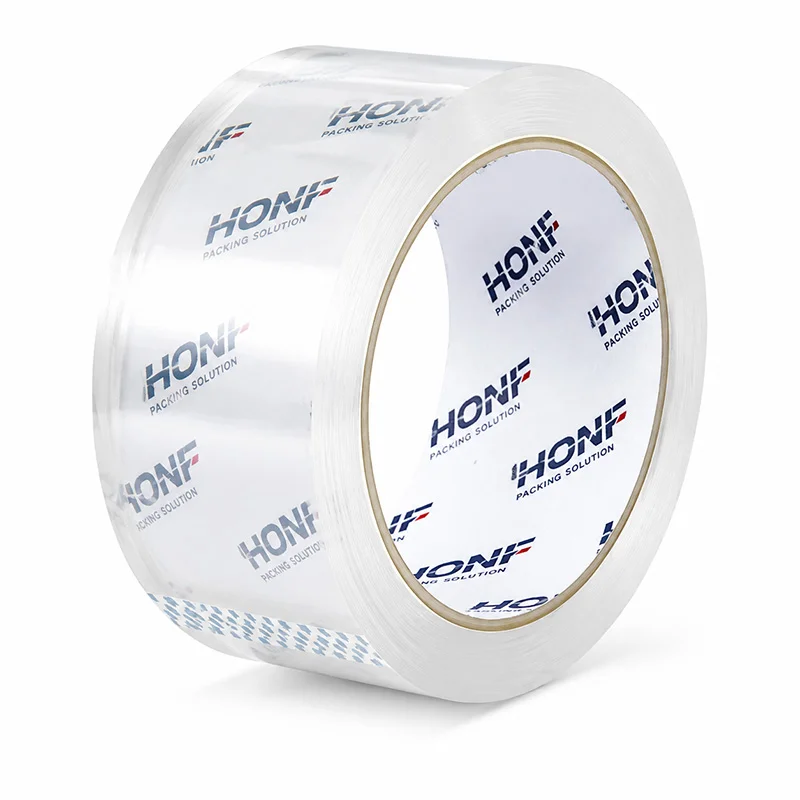
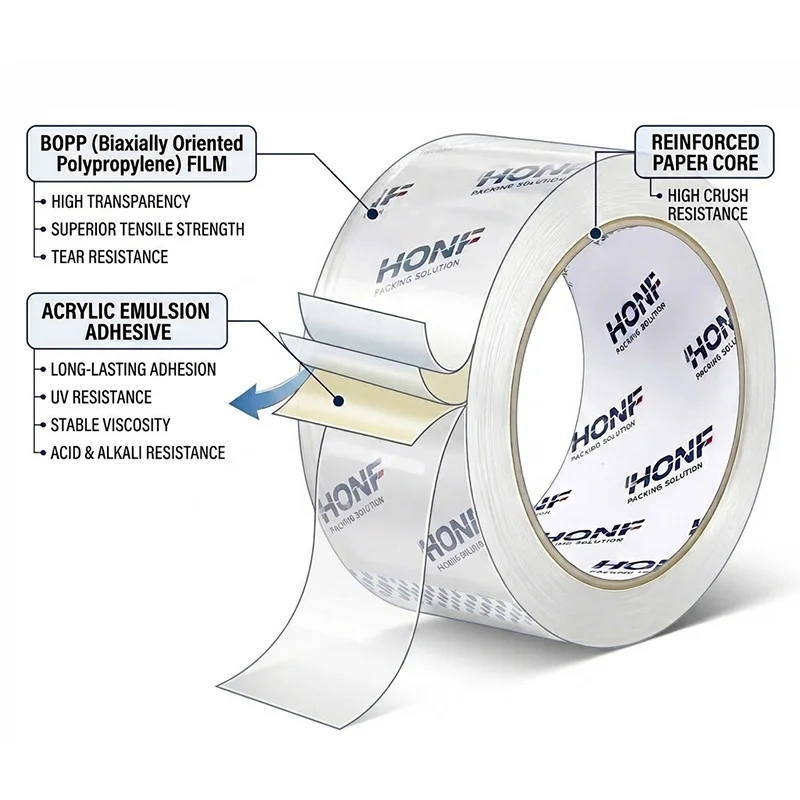
For distributors, e-commerce packaging programs, private-label brands, and fulfillment operations, super clear packing tape is useful where carton sealing and visual presentation matter at the same time. HONF’s Super Clear BOPP Packing Tape uses ultra-clear BOPP film with a filtered water-based acrylic pressure-sensitive adhesive, giving buyers a defined grade to qualify against their own packaging workflow.
Optical Performance Criteria for Super Clear BOPP Packing Tape
“Clear” is a broad description. Two transparent tapes can look noticeably different once they are applied over printed board. Haze, adhesive clarity, application pressure, wrinkles, and trapped air all affect the finished appearance. That is why B2B buyers should evaluate high transparency BOPP tape on the actual carton, not by holding an unused roll against a light.
Haze and Light Transmittance as Clarity Indicators
Haze describes how much light is scattered as it passes through the tape. Lower haze generally keeps text, color blocks, and package graphics looking sharper. Light transmittance measures how much visible light passes through the construction.
HONF’s standard super clear construction is 50 microns thick, with haze below 1.5% and light transmittance above 98%. The combination is relevant when a buyer wants a clean finish over printed cartons or close to visible labels.
Those numbers should still be treated as part of a finished-pack decision. Even a low-haze tape can look poor if it is laid down with creases or bubbles.
Super Clear BOPP vs Standard Clear and Low-Noise Grades
BOPP tapes can solve quite different packaging problems.
| Tape grade | Main buying priority | Typical use |
| Standard clear BOPP | General carton sealing | Shipping, storage, routine warehouse packing |
| Super clear BOPP | Optical clarity and package appearance | Printed cartons, branded packs, visible graphics |
| Low-noise BOPP | Quieter unwind | Manual packing benches and shared work areas |
A busy hand-packing area may care more about unwind noise than optical appearance. In that case, HONF’s Transparent Low Noise BOPP Packing Tape is a separate grade and should be qualified around the actual workstation rather than compared on clarity alone.
Barcode and QR Code Readability in Real Packaging Workflows
High transparency can help keep printed information visible, but barcode visibility and barcode readability are not the same thing. A human operator may see a code clearly while a fixed scanner reacts differently because of glare, code position, label surface, carton angle, or line speed.
This matters in warehouses using handheld scanners, automated identification, QR code packaging, or internal 2D barcode systems. The right test is the buyer’s real workflow.
How Reflection, Wrinkles and Label Placement Affect Readability
Glossy surfaces can reflect strong overhead lighting. Wrinkles may cross narrow barcode lines. Air pockets can distort parts of a QR code, while a label wrapped over a carton edge may bend during transport.
For internal warehouse or retail codes, the practical approach is to test the tape with the actual carton, label stock, scanner, lighting, and application method.
Carrier labels need separate treatment. FedEx instructs shippers not to apply tape over its barcode, including clear tape, because reflection can interfere with overhead scanners. The safest approach is to keep carrier-controlled barcodes uncovered and use clear packing tape around the sealing area instead.
Production-Line Qualification for 1D and 2D Codes
A short line trial is more useful than a perfect desk sample. Buyers should reproduce normal packing conditions and check the result at realistic speed.
A useful qualification can include:
- the actual 1D barcode, QR Code, or Data Matrix used in the operation;
- production cartons and label materials;
- normal application pressure and sealing speed;
- handheld and fixed-mount scanners where applicable;
- flat, angled, and normal warehouse-lighting conditions;
- realistic wrinkles, overlap, and storage handling.
The goal is not to prove that one tape works with every scanner. It is to establish a repeatable pass condition for the buyer’s own packaging line.
2026 2D Barcode Adoption and Packaging Visibility
The shift toward richer machine-readable packaging makes visibility more relevant in 2026. Retail packaging increasingly carries 2D codes that can hold more data than conventional linear barcodes, including GS1 DataMatrix and QR Codes using GS1 Digital Link.
For packaging teams, that does not create a new “barcode tape” category. It does raise the value of careful code placement, clean printing, surface quality, and packaging materials that do not compromise the intended presentation.
GS1 Ambition 2027 and the Retail Transition to 2D Barcodes
GS1’s Ambition 2027, sometimes referred to as Sunrise 2027, targets global retail POS capability to read and process defined GS1-compliant 2D barcodes alongside existing linear codes by the end of 2027. GS1’s July 2026 position paper confirms that brand owners and retailers are already working through the transition.
For buyers, the useful takeaway is straightforward: 2D barcode packaging should be reviewed as a complete pack system. Code quality, label position, carton finish, scanner setup, and materials near the code all matter.
Qualify Appearance and Sealing Separately
A production sample should pass two different checks.
Optical acceptance asks whether the finished carton maintains the required package appearance and printed-information visibility.
Sealing acceptance asks whether the tape bonds properly, keeps carton flaps closed, resists edge lift, and runs reliably through the packing process.
Keeping those checks separate avoids a common sourcing mistake: approving a roll because it looks exceptionally clear without confirming carton performance, or approving a strong seal without checking the presentation standard.
Buyers managing several carton-sealing grades can use HONF’s BOPP Packing Tape range to separate super-clear, standard, and low-noise applications within the same sourcing program.
Production Qualification for Manual and Automatic Carton Sealing
Once the optical requirement is defined, the tape still has to work on a real packing line. Corrugated board, carton coatings, dust, dispenser condition, application pressure, and operator speed can all affect the finished seal.
This is especially important for buyers moving from hand application to an automatic carton sealer, where roll tracking and application consistency become part of the specification.
Roll Format and Equipment Compatibility
HONF’s standard super clear grade is available in 48 mm width with 66 m and 100 m roll lengths. Published peel adhesion is at least 6.2 N/25 mm on steel under ASTM D3330, while tensile strength is at least 40 N/cm. Custom thicknesses, widths, lengths, and machine rolls are available for qualified orders.
For manual packing, buyers should check dispenser fit, clean cutting, unwind consistency, and whether operators can apply the tape flat at normal speed.
For machine use, add roll tracking, cut quality, alignment, edge behavior, and changeover frequency. Test the worst normal carton as well as the cleanest one. A high-quality sample tested only on an ideal box does not tell purchasing much about day-to-day production.
Where optical clarity is not a priority, HONF’s standard BOPP Packing Tape gives buyers another carton-sealing option to compare during sampling.
Bulk Sourcing and Production Specification for Super Clear BOPP Tape
After a sample passes, repeatability becomes the main commercial issue. Distributors and importers need the approved construction, roll format, appearance, and packaging to remain consistent from order to order.
That is where a useful RFQ makes a difference. “Best price for clear tape” is too vague for a meaningful comparison between suppliers.
RFQ Data for Comparable Quotations
A practical RFQ should identify the carton type, packed weight, manual or machine application, required tape width, roll length, thickness, expected order volume, and destination market.
If labels or printed information matter, show where they sit relative to the carton seam. If several carton or label stocks are used, identify the difficult substrate rather than testing only the cleanest pack.
HONF’s standard super clear program has a 2,000-roll MOQ for stock product and 3,000 rolls for custom core or carton printing. Standard production is listed at 7–10 days.
Retain an Approved Reference Sample for Repeat Orders
Once the tape passes the agreed checks, keep an approved production-grade roll with the purchase specification. Record the construction, dimensions, packaging, and acceptance criteria used during qualification.
It is simple procurement discipline, but it matters when buyers are sourcing clear packing tape in wholesale volumes or running several private-label SKUs that look similar at first glance.
Conclusion
Super clear BOPP packing tape is most useful when buyers need dependable carton sealing without giving up a clean package presentation. For barcode, QR code, and other machine-readable applications, clarity should be qualified as part of the finished pack rather than treated as a stand-alone promise.
The strongest sourcing process is straightforward: define the optical requirement, test the real carton and scanner workflow, confirm sealing performance, then preserve the approved specification for repeat orders.
For samples, machine-roll requirements, private-label packaging, or bulk pricing, buyers can send their carton, application, quantity, and destination details through the HONF quotation page.
FAQs
Q1: What is the difference between super clear packing tape and regular clear packing tape?
A: Both can be used for carton sealing, but super clear packing tape places more emphasis on optical clarity. Low haze and high light transmission help printed graphics and labels remain cleaner and easier to see through the applied tape.
Q2: Can a barcode scanner read through clear packing tape?
A: It may in some internal packaging workflows, but the result should be tested with the actual code, label, scanner, lighting, and tape application. Carrier-controlled shipping labels should follow the carrier’s own placement rules.
Q3: Can you put clear packing tape over a shipping label barcode?
A: Do not assume that this is acceptable. For example, FedEx specifically instructs users not to apply tape, including clear tape, over its barcode because reflection can affect overhead scanning.
Q4: Can clear packing tape cover a QR code?
A: For internal or retail applications, it should be checked on the finished package before production approval. QR readability can be affected by glare, wrinkles, code size, print quality, label surface, and scanner or phone conditions.
Q5: Is super clear BOPP tape suitable for automatic carton sealers?
A: It can be supplied for machine applications, but the final roll format should be qualified on the intended equipment. Check width, roll length, core fit, tracking, cutting, wrinkle control, carton surface, and sealing performance before bulk production.
Recent Post



Related Products
Best-selling Products
Kraft Masking Film Manufacturer
Kraft Masking Film is a protective masking material made from kraft paper, often with an adhesive edge for quick application. It helps shield floors, walls, furniture, and other surfaces from paint, dust, dirt, and overspray during decorating, renovation, and construction work. It is easy to use, cut, and remove after the job is complete.
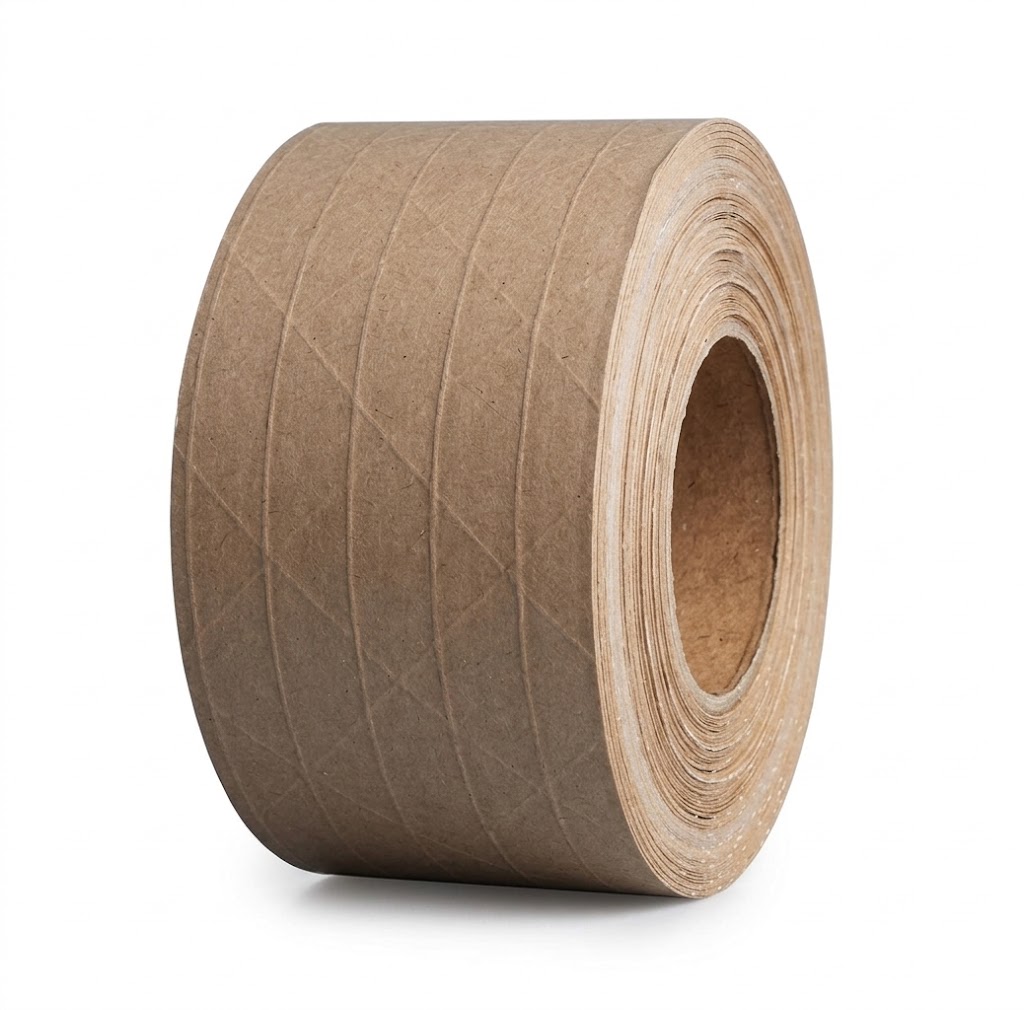
Reinforced Water-Activated Kraft Paper Tape Manufacturer
Reinforced Water-Activated Kraft Paper Tape is made from durable kraft paper reinforced with strong fibers and activated by water. It provides excellent adhesion, high tensile strength, and tamper-evident sealing, making it ideal for sealing cartons, heavy-duty packaging, and shipping boxes.
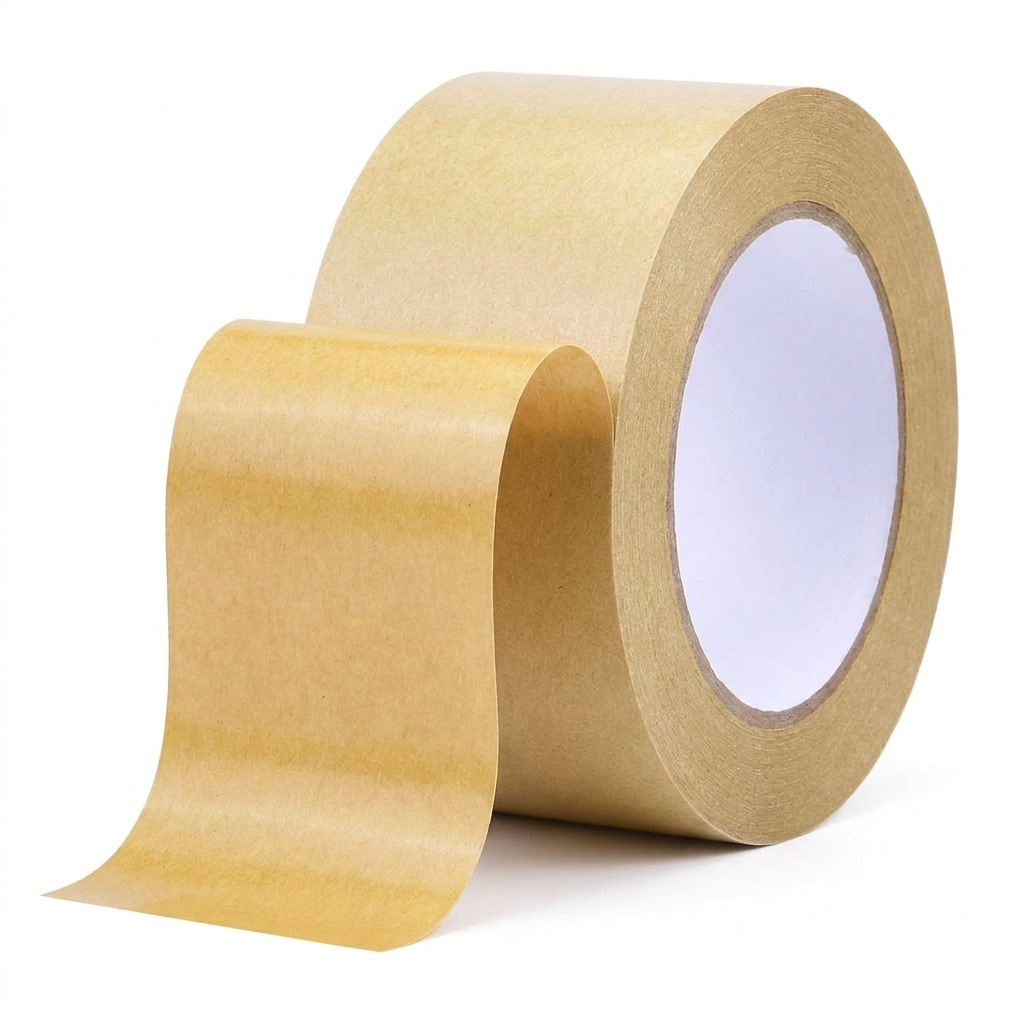
PE Self-Adhesive Kraft Paper Tape Manufacturer
PE Self-Adhesive Kraft Paper Tape is made from durable kraft paper laminated with a PE coating and a strong pressure-sensitive adhesive. It offers moisture resistance, excellent tear strength, and reliable adhesion, making it ideal for carton sealing, packaging, bundling, labeling, and general industrial use.
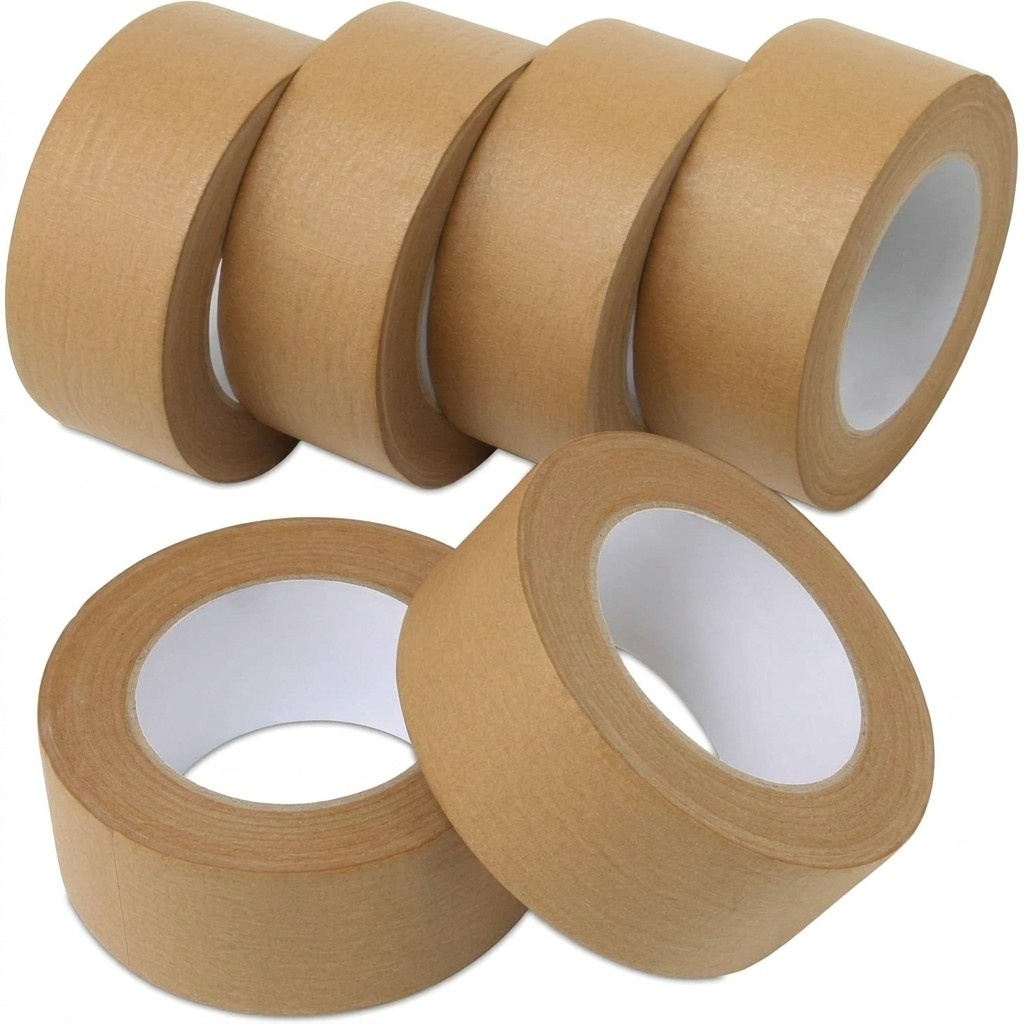
Kraft Paper Tape Manufacturer
Kraft Paper Tape is an eco-friendly adhesive tape made from durable kraft paper. It provides strong adhesion, easy tearability, and reliable sealing performance, making it ideal for carton sealing, packaging, labeling, crafts, and general office use.
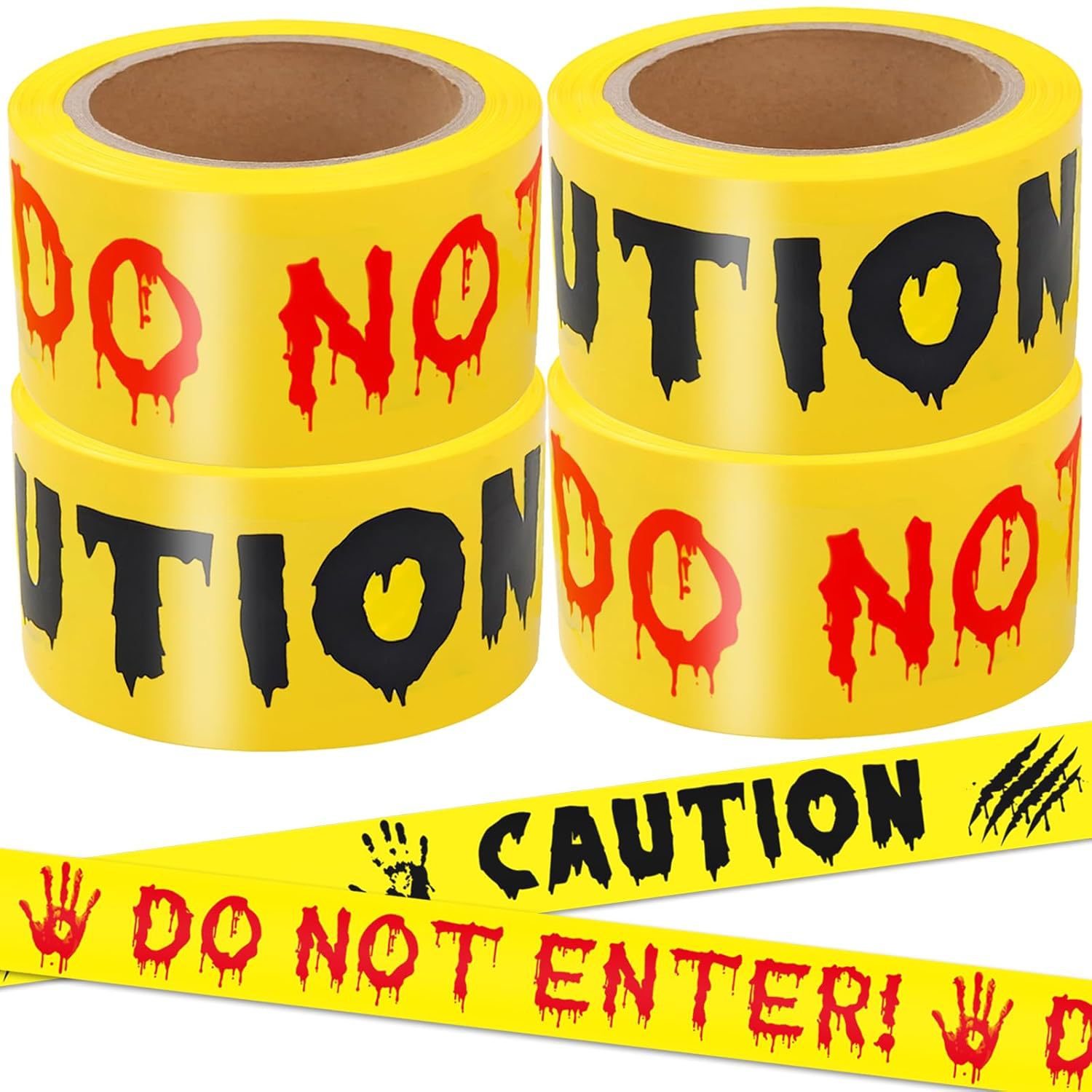
Halloween Caution Tape Manufacturer
Halloween Caution Tape is a festive decorative tape featuring spooky Halloween designs and caution-style lettering. It is ideal for decorating parties, haunted houses, windows, doors, yards, and event spaces, creating a fun and eye-catching atmosphere.
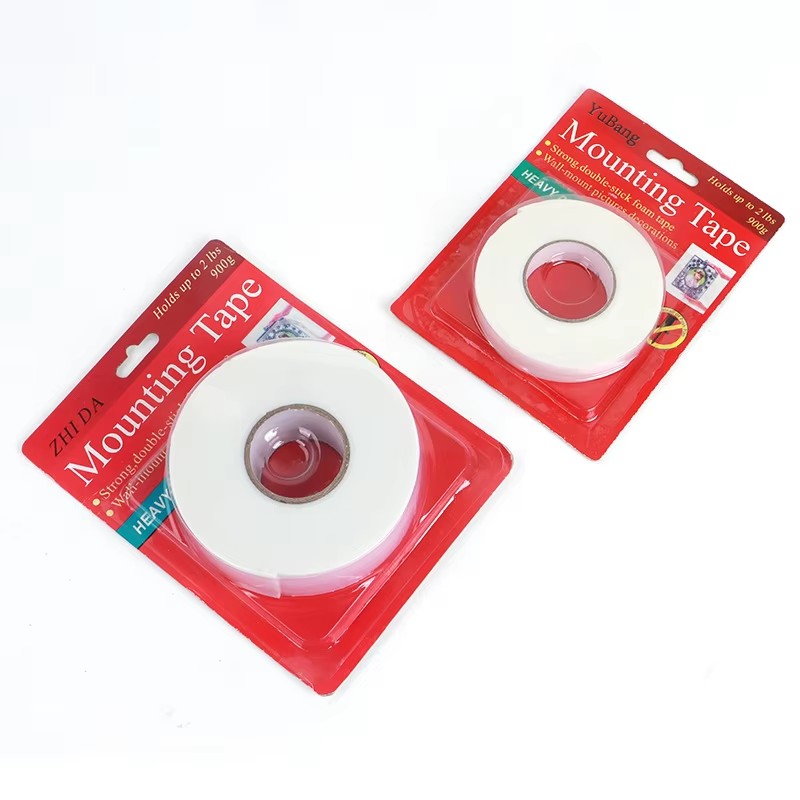
Mounting Tape Manufacturer
Mounting Tape is a strong double-sided adhesive tape designed for securely mounting and fixing items without screws or nails. It provides excellent adhesion, durability, and easy application, making it ideal for signs, decorations, hooks, frames, mirrors, and household or office accessories.