Reflective Tape for Vehicle and Outdoor Safety 2026 Bulk Buying Guide
  • 28,August

Reflective Tape for Vehicle and Outdoor Safety: 2026 Bulk Buying Guide

HONF reflective safety tape offers reliable visibility, strong adhesion and outdoor durability for vehicle and safety marking. Request samples or bulk pricing.
Automotive Masking Tape Buying Guide 2026 for Distributors
  • 27,August

Automotive Masking Tape Buying Guide 2026 for Distributors

HONF automotive masking tape offers clean paint edges, controlled adhesion and OEM packaging for refinish distributors. Request samples or bulk pricing.
Duct Tape Wholesale Buying Guide for Hurricane Season 2026
  • 21,August

Duct Tape Wholesale Buying Guide for Hurricane Season 2026

HONF duct tape supports waterproof repair, sealing, marking, and maintenance, with bulk and OEM supply. Request samples or a wholesale quote.
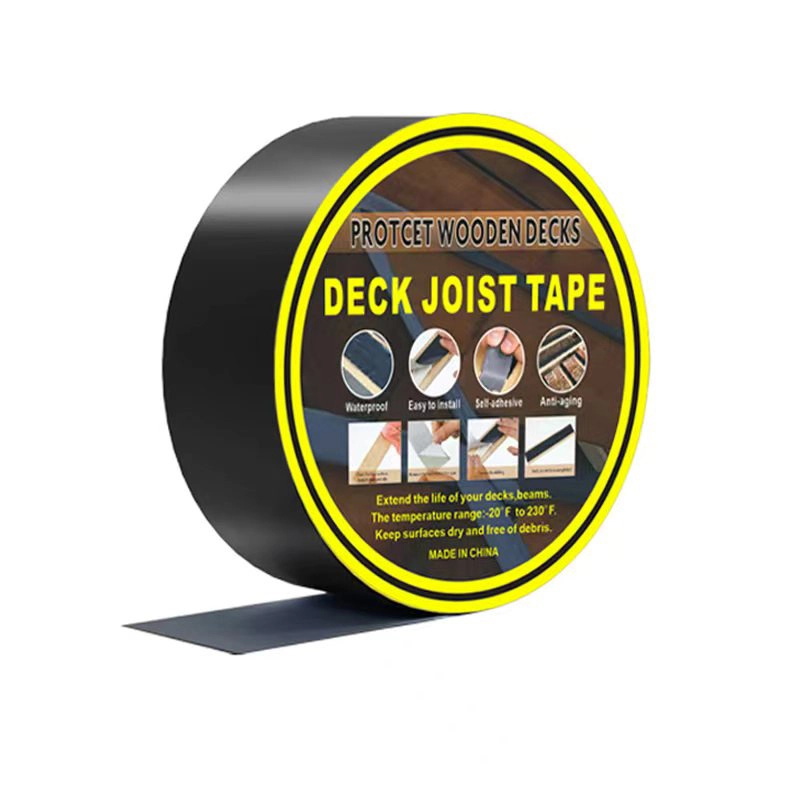
Deck Joist Tape vs Waterproof Repair Tape A Buying Guide for Distributors
  • 20,August

Deck Joist Tape vs Waterproof Repair Tape: A Buying Guide for Distributors

HONF deck joist tape protects wood framing, while waterproof repair tape seals leaks and joints. Request samples, OEM packaging, or a bulk quote.
Floor Marking Tape vs. Paint 2026 Warehouse Buying Guide
  • 14,August

Floor Marking Tape vs. Paint: 2026 Warehouse Buying Guide

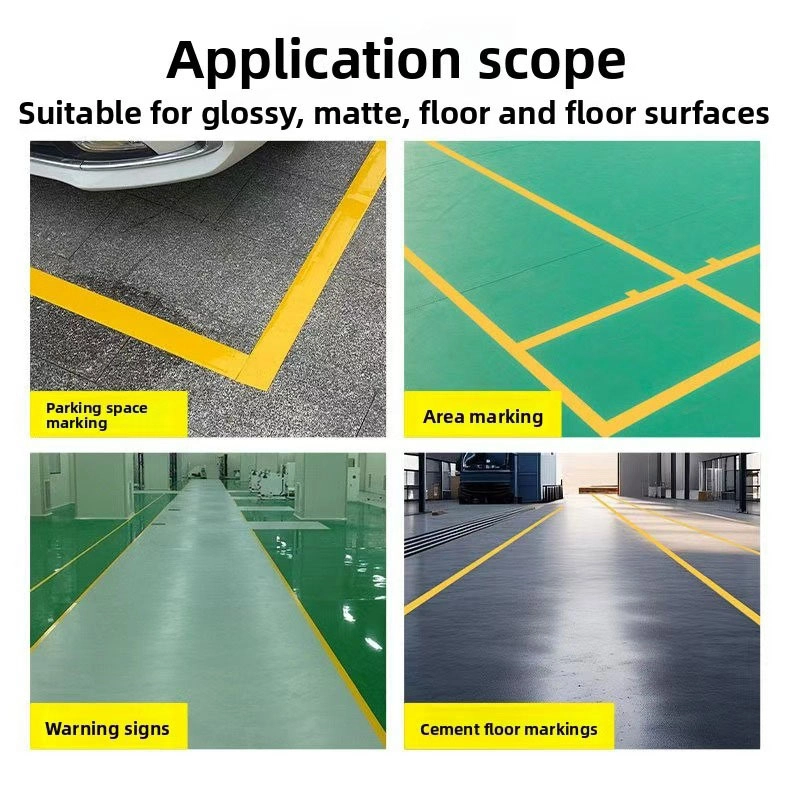
Warehouse automation in 2026 is moving beyond isolated robot projects. Many facilities now manage employees, forklifts, pallet jacks, AGVs, and AMRs in the same building. Industry planning increasingly favors the “robot-ready warehouse,” where layouts and safety controls can adapt as equipment and workflows change. Pedestrian walkways, forklift lanes, charging points, staging areas, and restricted zones still need clear visual boundaries. For warehouse managers and procurement teams, the buying question is practical: floor marking tape or paint?   Why Automated Warehouses Need a Flexible Marking Plan AGV Routes, AMR Zones, and Mixed Traffic ISO 3691-4:2023 covers driverless industrial trucks, including automated guided vehicles and autonomous mobile robots. The standard also recognizes that conditions inside the operating zone affect safe operation. Floor lines do not replace barriers, sensors, traffic rules, employee training, or a site risk assessment. They serve a different purpose: giving workers, visitors, and equipment operators an immediate visual cue. Some AGVs follow predefined routes, while AMRs navigate more dynamically. Both environments may still need visible markings around crossings, charging stations, work cells, pallet queues, and restricted areas. Warehouse Layouts Change More Often Automation projects often grow in stages. A pilot route expands, a packing cell moves, or peak season creates a temporary staging lane. Warehouse floor marking tape can make these changes easier because individual sections can be removed and replaced as the layout changes. Paint may be the better fit where rack positions and traffic lanes will remain fixed for years. Floor Marking Tape vs. Paint: Key Buying Factors Installation and Operational Downtime Tape installation usually involves cleaning, drying, measuring, and applying the line. Paint may also require masking, ventilation, drying, and curing before normal traffic resumes. Closing one cross-aisle can redirect forklifts or push installation into an overtime shift. That cost may not appear on the material quote, but it belongs in the purchasing calculation. Maintenance and Layout Changes A damaged tape section can often be replaced locally. A worn painted line may require surface preparation, repainting, and another drying period. Neither option performs well over oil, dust, standing moisture, cracks, wax, or loose coatings. Surface condition comes first. Buying factor Floor marking tape Paint Installation Applied after surface preparation Usually requires masking and drying Layout changes Individual sections can be revised Old lines may need repainting Line width Consistent manufactured width Depends more on application quality Maintenance Local sections can be replaced Worn areas generally need repainting Typical fit Changing or phased layouts Stable, long-term layouts When Warehouse Floor Marking Tape Is the Better Choice Changing Routes and Clean Indoor Floors Warehouse floor marking tape often suits pilot projects, temporary staging lanes, revised pedestrian paths, charging areas, robot cells, and no-storage zones. A facility can update one section without repainting the full traffic route. Do not approve industrial floor marking tape from the phrase “heavy duty” alone. Forklift turns, pallet drag, carts, and floor scrubbers create different wear patterns. Test a sample in at least three places: A straight aisle with regular traffic A forklift turning point An intersection exposed to cleaning equipment Concrete, epoxy, tile, and sealed floors may be suitable when the surface is dry, stable, and free of oil, loose paint, dust, or wax. A sample that looks fine beside an office door may behave differently near outbound loading. For cold, wet, or condensation-prone areas, floor marking and slip prevention may require separate products and installation methods. HONF’s guide to cold-storage anti-slip tape selection examines those conditions in more detail. When Paint May Be the Better Choice Permanent Layouts and Difficult Surfaces Paint may suit fixed rack layouts, stable vehicle routes, and facilities with planned shutdown windows. It can also make sense where repainting is already part of the maintenance schedule. For U.S. workplaces using mechanical handling equipment, OSHA requires permanent aisles and passageways to be appropriately marked. The rule does not require one specific marking product. Porous concrete, deep cracks, standing moisture, oil contamination, and failing floor coatings may need repair before either tape or paint is applied. A floor trial should evaluate the substrate, not just the adhesive. Choosing Colors and Safety Zones Use One Facility-Wide Color System Document what each color and pattern means across the site. Common categories include: Pedestrian walkways Forklift lanes AGV operating areas Caution zones Storage positions Charging points Restricted spaces A 5S color chart can support internal consistency, but it is not a universal legal code. Local rules, customer requirements, company standards, and the site risk assessment still apply. HONF’s road safety tape range includes products for floor marking, warning, visibility, and slip-prevention applications. This can help buyers build a broader warehouse zoning plan instead of expecting one tape to handle every area.   Confirm Aisle Width and Local Requirements An archived OSHA interpretation recommends aisle-marking lines between 2 and 6 inches wide. It also notes that different colors and line formats may be used when the aisle remains clearly defined. Because the interpretation is archived, it should be treated as historical guidance rather than a new legal requirement. International buyers should also check the rules in the destination market and the customer’s own warehouse marking standard. What to Include in a Floor Marking Tape RFQ Surface, Traffic, and Commercial Details A floor marking tape supplier needs more than a color and roll count. A useful RFQ should include: Floor material, coating, age, and current condition Cleaning chemicals and cleaning equipment Pedestrian, cart, forklift, AGV, and AMR traffic Corners, crossings, turning points, and pallet-drag areas Required width, pattern, color, and roll length Photos or a simple floor layout Sample quantity, first order, and annual forecast Destination market and packaging format MOQ, lead time, and OEM requirements Buyers should also ask how the supplier controls dimensional tolerances, batch identification, repeat-order consistency, and product changes. The HONF Wholesale & OEM Adhesive Tape Buying Guide provides a broader checklist for sample approval, customization, packaging, and repeat-order planning. Once the site requirements are documented, buyers can compare samples and commercial terms on the same basis. The lowest roll price is not always the lowest installed cost. Labor, downtime, replacement, and future layout changes all count. How to Specify HONF Floor Marking Tape AGV and Warehouse Applications HONF supplies AGV Floor Marking & Safety Tape for AGV routes, warehouse safety lanes, forklift traffic management, and factory floor organization. HONF’s AGV Floor Marking & Safety Tape is listed at 1.1 mm thick and 50 mm wide. It is designed for use on concrete, epoxy, tile, and sealed floors, subject to surface preparation and site testing. Those specifications suit visible zoning and forklift lane marking projects, but the final choice should follow a site trial. Floor coatings, cleaning methods, turning loads, and wheel traffic can change the result. Information to Send HONF For an application review and quotation, provide: Floor type and current condition Required line width, color, and pattern Traffic type and intensity Cleaning method Layout photos or drawings Trial quantity and annual demand OEM packaging requirements This gives HONF enough detail to recommend a relevant sample instead of guessing from a short request such as “yellow warehouse tape price.” Conclusion The choice between paint and floor marking tape depends on layout stability, surface condition, traffic, downtime, maintenance, and total installed cost. Paint may suit permanent routes. Tape may fit automated warehouses that need shorter installation windows or expect frequent layout changes. For AGV routes, forklift lanes, pedestrian zones, or 5S projects, send HONF the floor details, traffic conditions, required dimensions, and estimated order volume to request samples and a commercial quotation. FAQ Q1: Is floor marking tape better than paint for an automated warehouse? A: Neither option is always better. Tape often suits changing layouts and shorter installation windows, while paint may suit permanent routes and planned maintenance shutdowns. Q2: What surfaces can be used with warehouse floor marking tape? A: Clean concrete, epoxy, tile, and sealed floors may be suitable. Adhesion still depends on coating condition, dust, oil, moisture, wax, and cleaning chemicals. Q3: Does OSHA require yellow floor markings in warehouses? A: OSHA requires permanent aisles and passageways to be appropriately marked where mechanical handling equipment is used. The current rule does not require yellow for every aisle. Q4: What should buyers ask a floor marking tape supplier before ordering? A: Buyers should confirm floor compatibility, dimensions, color, sample availability, traffic conditions, MOQ, lead time, batch identification, change control, and OEM options. Q5: What width should warehouse aisle markings be? A: An archived OSHA interpretation recommends a width of 2 to 6 inches. Facilities should also follow current local rules, internal standards, and site-specific safety requirements.

Carton Sealing Tape Procurement Checklist for EU PPWR 2026
  • 13,August

Carton Sealing Tape Procurement Checklist for EU PPWR 2026

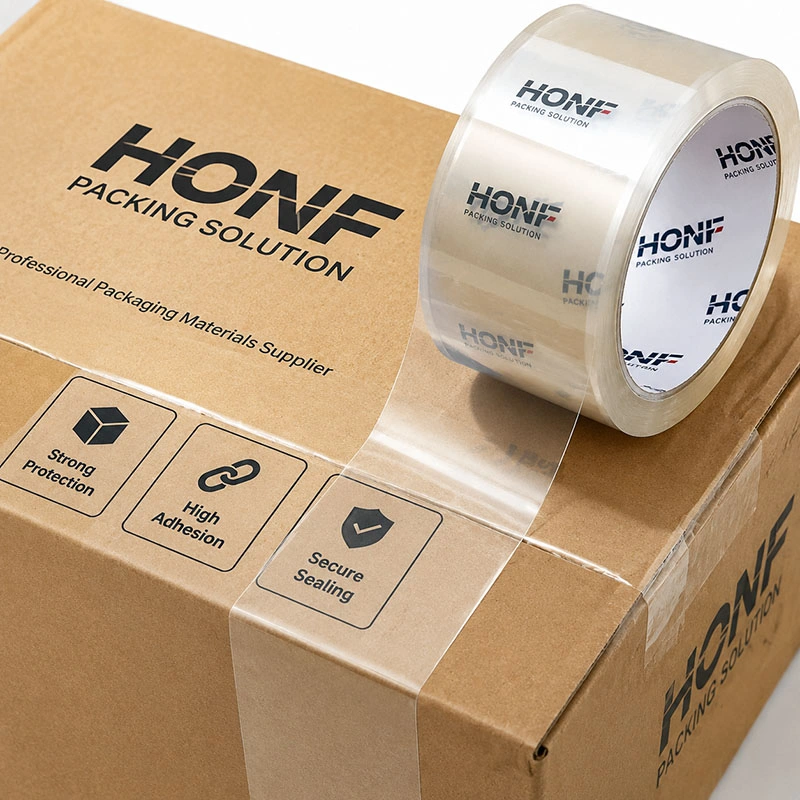
The EU Packaging and Packaging Waste Regulation, known as PPWR, applies from August 12, 2026. For importers, distributors, private-label brands, and fulfillment operators, the change makes packaging records, supplier communication, and traceability more important. Carton sealing tape is a small part of a shipping case, but failure can cause open seams, repeated taping, line stoppages, and damaged cartons. Buyers should review the corrugated board, packed weight, application equipment, transport conditions, and supplier documentation. This article provides procurement guidance, not legal advice. A tape-only statement does not prove that completed packaging meets PPWR requirements.   Why PPWR Changes Carton Sealing Tape Procurement The Finished Packaging Configuration Comes First PPWR applies to packaging placed on the EU market, so a shipping case should be reviewed as one configuration. The carton, tape, labels, coatings, and other components may affect the final assessment. A packing tape supplier can provide specifications, available declarations, test information, and batch details. The relevant economic operator should identify its role and meet the applicable obligations for the finished packaging. Instead of asking whether a roll is “PPWR compliant,” ask more specific questions: What product construction is being supplied? Is the specification controlled? What supporting information is available? Will the buyer be notified about product changes? The general application date is August 12, 2026, while some recyclability requirements arrive later. Procurement teams should organize specifications, test records, and supplier correspondence before an audit or shipment problem occurs. Define the Sealing Job Before Requesting a Quote Carton Weight, Board Surface, and Shipping Route A useful RFQ describes the actual packing job. Record the packed weight, corrugated grade, surface condition, storage temperature, humidity, transit time, and pallet pattern. Recycled corrugated boxes may have rough or dusty surfaces. Test the tape on the actual board, not a clean sample carton. Seal the case at normal weight, store it for a realistic period, then inspect the center seam and end flaps. Manual Packing or Automatic Case Sealing Tell the BOPP tape manufacturer whether operators use a hand dispenser, tape gun, or automatic case sealer. Width, roll length, core diameter, unwind force, and winding consistency can affect packing-line performance. Low noise packing tape can help in busy fulfillment centers where several workstations run throughout the day. Quiet unwind is useful, but the shipping tape must also feed cleanly and hold through storage and delivery. Technical Specifications for Carton Sealing Tape Construction and Performance Data A complete quotation request should identify the BOPP backing, adhesive system, total thickness, width, length, core diameter, color, and dimensional tolerances. Buyers may also request data for: Adhesion Initial tack Holding power Tensile strength Recommended temperature conditions Test values are comparable only when the method, substrate, conditioning time, temperature, and units are stated. Two rolls of clear packing tape can look alike yet behave differently on a cold, dusty, or recycled carton. HONF’s BOPP carton sealing tape is listed as a 1.8 mil acrylic-adhesive tape in a 2-inch by 110-yard format. It is intended for shipping, warehouse packing, e-commerce fulfillment, storage, and general carton-sealing work. Carton Sealing Tape Procurement Checklist Area What to confirm Why it matters Application Board, packed weight, surface, and route Defines performance needs Construction Adhesive, thickness, width, length, and core Keeps quotations comparable Equipment Hand dispenser or automatic case sealer Reduces feeding problems Documents Product code, specification, and batch details Supports traceability Testing Actual cartons and working conditions Finds issues before bulk orders Terms MOQ, lead time, OEM packing, and change notice Supports repeat purchasing Compare quotations only when the main specifications match. A lower price may reflect a shorter roll, different thickness, smaller core, or less suitable construction. Documents to Request From a Packing Tape Supplier Product Identification and Change Control Request a current specification, product code, construction description, available declarations or test reports for the destination market, and a batch-identification method. Ask whether the lot code connects to production records. Change control also matters. Changes to the film, adhesive, core, coating process, or winding setup may affect performance and an earlier packaging review. The buyer should receive notice before an approved construction changes. For a broader review of samples, MOQ, custom packaging, and supplier qualification, buyers can also read HONF’s wholesale and OEM adhesive tape buying guide. Separate Supplier Information From Buyer Responsibility Supplier documentation supports the packaging review; it does not replace it. Importers and distributors should confirm: Who prepares the technical file Who reviews the completed packaging Who maintains records for the EU market Who approves changes to the packaging configuration This distinction is particularly important for private-label programs. Changing a product specification, package format, or branding arrangement may affect the buyer’s responsibilities. Test Packing Tape Before a Bulk Order Run a Production-Representative Trial Test more than one roll with the normal dispenser or machine. Apply the packing tape to the actual carton and check the seal immediately, after storage, and after handling. Watch for: Edge lifting or flagging Film tearing Poor machine feeding Loose center seams Adhesive transfer Covered labels or barcodes Where relevant, include temperature changes, stacking, pallet movement, and basic transport simulation. A sample that performs well on a desk may behave differently after several days in a warehouse. Compare Total Packing Cost, Not Just Roll Price A longer roll may reduce changeovers. Cleaner unwind may cut line interruptions. Better carton holding may reduce double-taping, rework, and repacking. For that reason, “heavy duty packing tape” is not a complete purchasing specification. Buyers need measurable details and a sample that represents the intended bulk order. Working With HONF on BOPP Tape Sourcing Product Options for Commercial Packing HONF is the adhesive tape brand of Yiwu Hongfu Adhesive Products Co., Ltd.   For quieter packing areas, transparent low noise BOPP packing tape is compatible with standard dispensers and tape guns. Its clear finish also keeps labels and barcodes visible. For standard brown corrugated cartons, HONF’s brown low noise BOPP packing tape comes in a 2-inch format described for most handheld dispensers and automatic packing machines. Where package appearance and label visibility are priorities, super clear BOPP packing tape provides a clear acrylic-adhesive option for shipping, warehouse, e-commerce, and storage applications. The right product still depends on the carton, equipment, storage conditions, and order requirements. A product name alone is not enough to make a reliable purchasing decision. What to Include in Your HONF Inquiry Send the following information when requesting samples or pricing: Carton type and packed weight Required tape width, length, and thickness Color and core size Manual or automatic application Storage and transport conditions Destination market Initial order quantity Estimated annual demand OEM or private-label packaging requirements A BOPP tape manufacturer can respond more accurately when the inquiry describes the application. “Best price for packing tape” usually leads to another round of questions. Conclusion A documented PPWR procurement process starts with a clear carton sealing tape specification, representative testing, controlled supplier records, and defined responsibility for the finished packaging. Buyers should compare total packing performance, not only the price per roll. For bulk packing tape, OEM packaging, or warehouse trial samples, contact HONF for a product recommendation and quotation. Share the carton details, application method, destination market, and estimated demand so HONF can review the request and prepare a suitable proposal. FAQ Q1: Does PPWR require a separate certificate for BOPP carton sealing tape? A: A tape-only certificate does not prove that finished packaging meets PPWR requirements. The relevant economic operator assesses the finished packaging, while the packing tape supplier provides the applicable product information. Q2: What documents should buyers request from a packing tape supplier? A: Request the current specification, product code, construction details, available declarations or test reports, batch-identification method, change-notification process, MOQ, and lead time. Q3: How do you choose carton sealing tape for recycled cardboard boxes? A: Test the tape on the actual board at normal packed weight. Check adhesion after storage and handling because recycled cartons may have rough, dusty, or inconsistent surfaces. Q4: Can low noise packing tape run on an automatic case sealer? A: It may, provided the width, core, roll diameter, unwind behavior, and machine settings are compatible. Run a production trial before buying in bulk. Q5: What information does a BOPP tape manufacturer need for an OEM quote? A: Provide the required dimensions, color, core size, carton weight, board type, application method, destination market, quantity, annual forecast, and private-label packaging requirements.
Home
WhatsApp
Email
Contacts