
-
Home

-
Blog
-
Industry News
- Floor Marking Tape vs. Paint: 2026 Warehouse Buying Guide

Floor Marking Tape vs. Paint: 2026 Warehouse Buying Guide
-
 author
 - 14,August
 author
 Warehouse automation in 2026 is moving beyond isolated robot projects. Many facilities now manage employees, forklifts, pallet jacks, AGVs, and AMRs in the same building. Industry planning increasingly favors the “robot-ready warehouse,” where layouts and safety controls can adapt as equipment and workflows change.
Pedestrian walkways, forklift lanes, charging points, staging areas, and restricted zones still need clear visual boundaries. For warehouse managers and procurement teams, the buying question is practical: floor marking tape or paint?

Why Automated Warehouses Need a Flexible Marking Plan
AGV Routes, AMR Zones, and Mixed Traffic
ISO 3691-4:2023 covers driverless industrial trucks, including automated guided vehicles and autonomous mobile robots. The standard also recognizes that conditions inside the operating zone affect safe operation.
Floor lines do not replace barriers, sensors, traffic rules, employee training, or a site risk assessment. They serve a different purpose: giving workers, visitors, and equipment operators an immediate visual cue.
Some AGVs follow predefined routes, while AMRs navigate more dynamically. Both environments may still need visible markings around crossings, charging stations, work cells, pallet queues, and restricted areas.
Warehouse Layouts Change More Often
Automation projects often grow in stages. A pilot route expands, a packing cell moves, or peak season creates a temporary staging lane.
Warehouse floor marking tape can make these changes easier because individual sections can be removed and replaced as the layout changes. Paint may be the better fit where rack positions and traffic lanes will remain fixed for years.
Floor Marking Tape vs. Paint: Key Buying Factors
Installation and Operational Downtime
Tape installation usually involves cleaning, drying, measuring, and applying the line. Paint may also require masking, ventilation, drying, and curing before normal traffic resumes.
Closing one cross-aisle can redirect forklifts or push installation into an overtime shift. That cost may not appear on the material quote, but it belongs in the purchasing calculation.
Maintenance and Layout Changes
A damaged tape section can often be replaced locally. A worn painted line may require surface preparation, repainting, and another drying period.
Neither option performs well over oil, dust, standing moisture, cracks, wax, or loose coatings. Surface condition comes first.
| Buying factor | Floor marking tape | Paint |
| Installation | Applied after surface preparation | Usually requires masking and drying |
| Layout changes | Individual sections can be revised | Old lines may need repainting |
| Line width | Consistent manufactured width | Depends more on application quality |
| Maintenance | Local sections can be replaced | Worn areas generally need repainting |
| Typical fit | Changing or phased layouts | Stable, long-term layouts |
When Warehouse Floor Marking Tape Is the Better Choice
Changing Routes and Clean Indoor Floors
Warehouse floor marking tape often suits pilot projects, temporary staging lanes, revised pedestrian paths, charging areas, robot cells, and no-storage zones. A facility can update one section without repainting the full traffic route.
Do not approve industrial floor marking tape from the phrase “heavy duty” alone. Forklift turns, pallet drag, carts, and floor scrubbers create different wear patterns.
Test a sample in at least three places:
- A straight aisle with regular traffic
- A forklift turning point
- An intersection exposed to cleaning equipment
Concrete, epoxy, tile, and sealed floors may be suitable when the surface is dry, stable, and free of oil, loose paint, dust, or wax. A sample that looks fine beside an office door may behave differently near outbound loading.
For cold, wet, or condensation-prone areas, floor marking and slip prevention may require separate products and installation methods. HONF’s guide to cold-storage anti-slip tape selection examines those conditions in more detail.
When Paint May Be the Better Choice
Permanent Layouts and Difficult Surfaces
Paint may suit fixed rack layouts, stable vehicle routes, and facilities with planned shutdown windows. It can also make sense where repainting is already part of the maintenance schedule.
For U.S. workplaces using mechanical handling equipment, OSHA requires permanent aisles and passageways to be appropriately marked. The rule does not require one specific marking product.
Porous concrete, deep cracks, standing moisture, oil contamination, and failing floor coatings may need repair before either tape or paint is applied. A floor trial should evaluate the substrate, not just the adhesive.
Choosing Colors and Safety Zones
Use One Facility-Wide Color System
Document what each color and pattern means across the site. Common categories include:
- Pedestrian walkways
- Forklift lanes
- AGV operating areas
- Caution zones
- Storage positions
- Charging points
- Restricted spaces
A 5S color chart can support internal consistency, but it is not a universal legal code. Local rules, customer requirements, company standards, and the site risk assessment still apply.
HONF’s road safety tape range includes products for floor marking, warning, visibility, and slip-prevention applications. This can help buyers build a broader warehouse zoning plan instead of expecting one tape to handle every area.

Confirm Aisle Width and Local Requirements
An archived OSHA interpretation recommends aisle-marking lines between 2 and 6 inches wide. It also notes that different colors and line formats may be used when the aisle remains clearly defined. Because the interpretation is archived, it should be treated as historical guidance rather than a new legal requirement.
International buyers should also check the rules in the destination market and the customer’s own warehouse marking standard.
What to Include in a Floor Marking Tape RFQ
Surface, Traffic, and Commercial Details
A floor marking tape supplier needs more than a color and roll count. A useful RFQ should include:
- Floor material, coating, age, and current condition
- Cleaning chemicals and cleaning equipment
- Pedestrian, cart, forklift, AGV, and AMR traffic
- Corners, crossings, turning points, and pallet-drag areas
- Required width, pattern, color, and roll length
- Photos or a simple floor layout
- Sample quantity, first order, and annual forecast
- Destination market and packaging format
- MOQ, lead time, and OEM requirements
Buyers should also ask how the supplier controls dimensional tolerances, batch identification, repeat-order consistency, and product changes.
The HONF Wholesale & OEM Adhesive Tape Buying Guide provides a broader checklist for sample approval, customization, packaging, and repeat-order planning.
Once the site requirements are documented, buyers can compare samples and commercial terms on the same basis. The lowest roll price is not always the lowest installed cost. Labor, downtime, replacement, and future layout changes all count.
How to Specify HONF Floor Marking Tape
AGV and Warehouse Applications
HONF supplies AGV Floor Marking & Safety Tape for AGV routes, warehouse safety lanes, forklift traffic management, and factory floor organization.
HONF’s AGV Floor Marking & Safety Tape is listed at 1.1 mm thick and 50 mm wide. It is designed for use on concrete, epoxy, tile, and sealed floors, subject to surface preparation and site testing.
Those specifications suit visible zoning and forklift lane marking projects, but the final choice should follow a site trial. Floor coatings, cleaning methods, turning loads, and wheel traffic can change the result.
Information to Send HONF
For an application review and quotation, provide:
- Floor type and current condition
- Required line width, color, and pattern
- Traffic type and intensity
- Cleaning method
- Layout photos or drawings
- Trial quantity and annual demand
- OEM packaging requirements
This gives HONF enough detail to recommend a relevant sample instead of guessing from a short request such as “yellow warehouse tape price.”
Conclusion
The choice between paint and floor marking tape depends on layout stability, surface condition, traffic, downtime, maintenance, and total installed cost. Paint may suit permanent routes. Tape may fit automated warehouses that need shorter installation windows or expect frequent layout changes.
For AGV routes, forklift lanes, pedestrian zones, or 5S projects, send HONF the floor details, traffic conditions, required dimensions, and estimated order volume to request samples and a commercial quotation.
FAQ
Q1: Is floor marking tape better than paint for an automated warehouse?
A: Neither option is always better. Tape often suits changing layouts and shorter installation windows, while paint may suit permanent routes and planned maintenance shutdowns.
Q2: What surfaces can be used with warehouse floor marking tape?
A: Clean concrete, epoxy, tile, and sealed floors may be suitable. Adhesion still depends on coating condition, dust, oil, moisture, wax, and cleaning chemicals.
Q3: Does OSHA require yellow floor markings in warehouses?
A: OSHA requires permanent aisles and passageways to be appropriately marked where mechanical handling equipment is used. The current rule does not require yellow for every aisle.
Q4: What should buyers ask a floor marking tape supplier before ordering?
A: Buyers should confirm floor compatibility, dimensions, color, sample availability, traffic conditions, MOQ, lead time, batch identification, change control, and OEM options.
Q5: What width should warehouse aisle markings be?
A: An archived OSHA interpretation recommends a width of 2 to 6 inches. Facilities should also follow current local rules, internal standards, and site-specific safety requirements.
Recent Post




Related Products
Best-selling Products
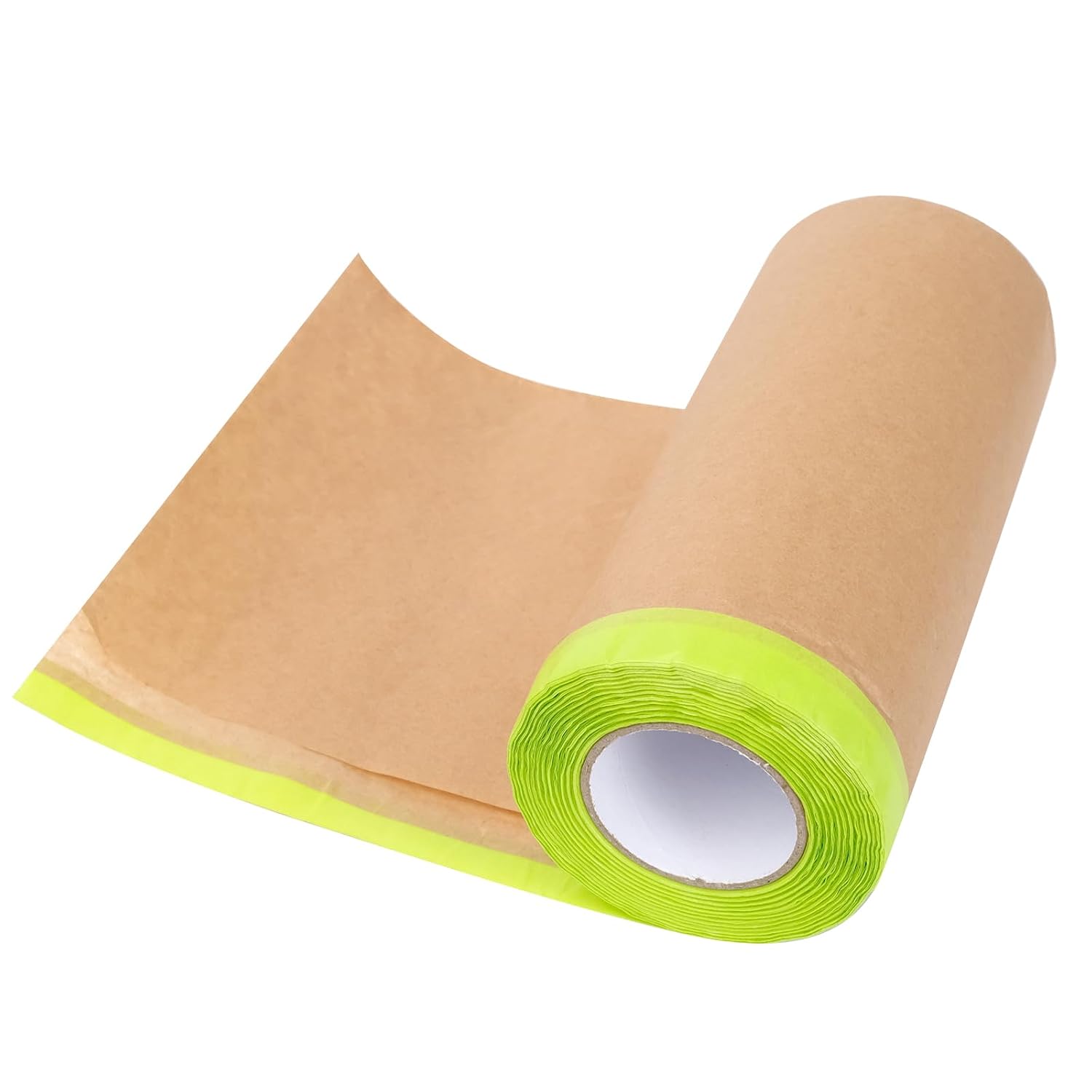
Kraft Masking Film Manufacturer
Kraft Masking Film is a protective masking material made from kraft paper, often with an adhesive edge for quick application. It helps shield floors, walls, furniture, and other surfaces from paint, dust, dirt, and overspray during decorating, renovation, and construction work. It is easy to use, cut, and remove after the job is complete.
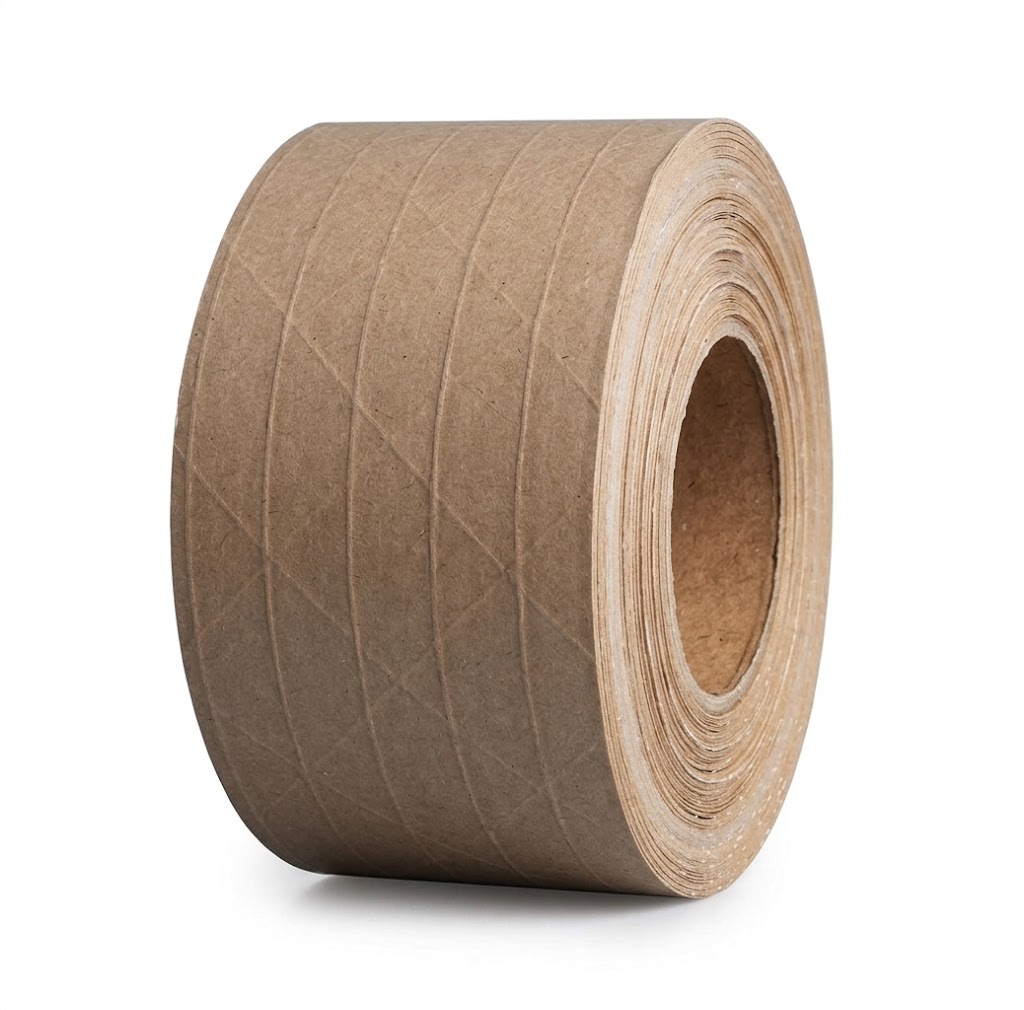
Reinforced Water-Activated Kraft Paper Tape Manufacturer
Reinforced Water-Activated Kraft Paper Tape is made from durable kraft paper reinforced with strong fibers and activated by water. It provides excellent adhesion, high tensile strength, and tamper-evident sealing, making it ideal for sealing cartons, heavy-duty packaging, and shipping boxes.

PE Self-Adhesive Kraft Paper Tape Manufacturer
PE Self-Adhesive Kraft Paper Tape is made from durable kraft paper laminated with a PE coating and a strong pressure-sensitive adhesive. It offers moisture resistance, excellent tear strength, and reliable adhesion, making it ideal for carton sealing, packaging, bundling, labeling, and general industrial use.

Kraft Paper Tape Manufacturer
Kraft Paper Tape is an eco-friendly adhesive tape made from durable kraft paper. It provides strong adhesion, easy tearability, and reliable sealing performance, making it ideal for carton sealing, packaging, labeling, crafts, and general office use.
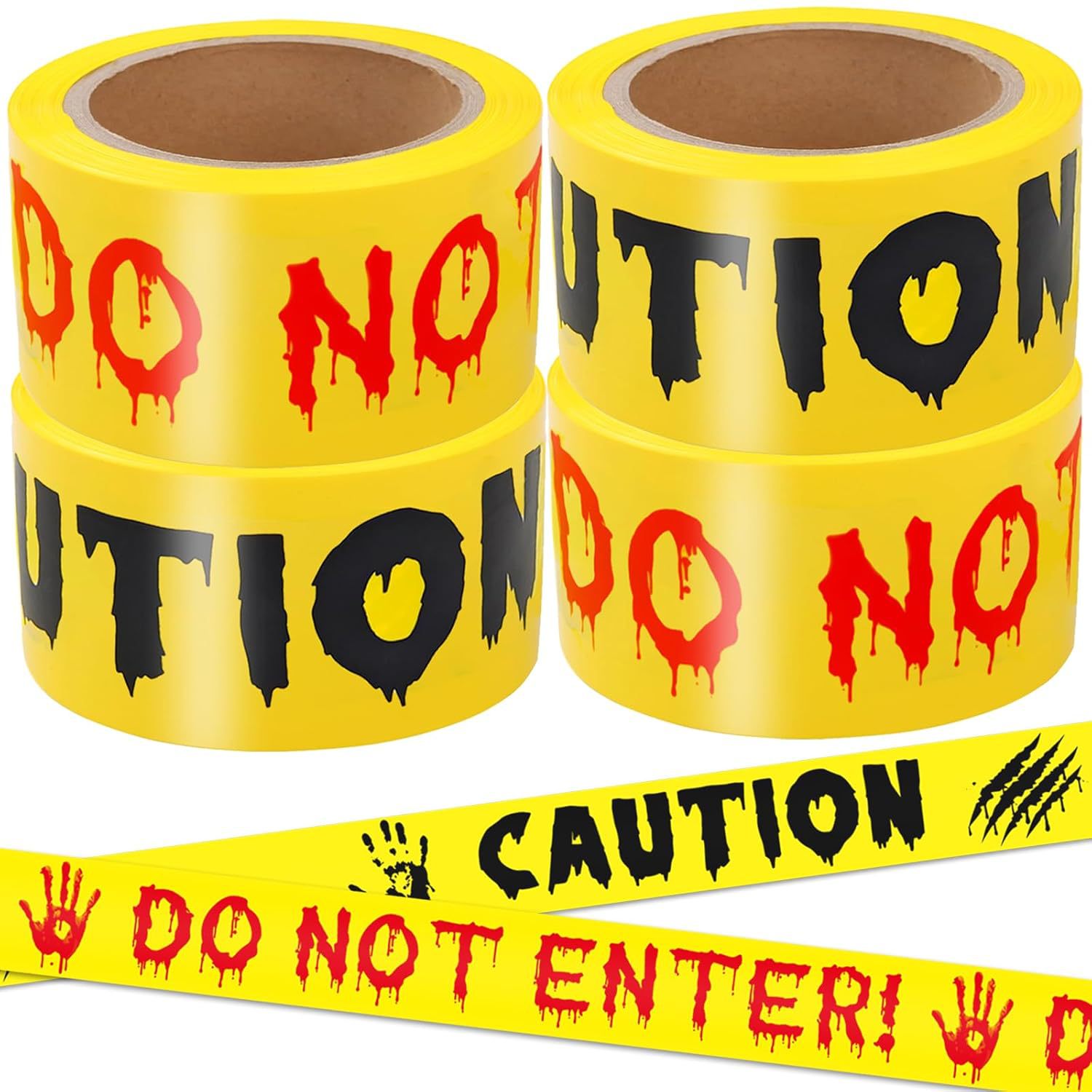
Halloween Caution Tape Manufacturer
Halloween Caution Tape is a festive decorative tape featuring spooky Halloween designs and caution-style lettering. It is ideal for decorating parties, haunted houses, windows, doors, yards, and event spaces, creating a fun and eye-catching atmosphere.
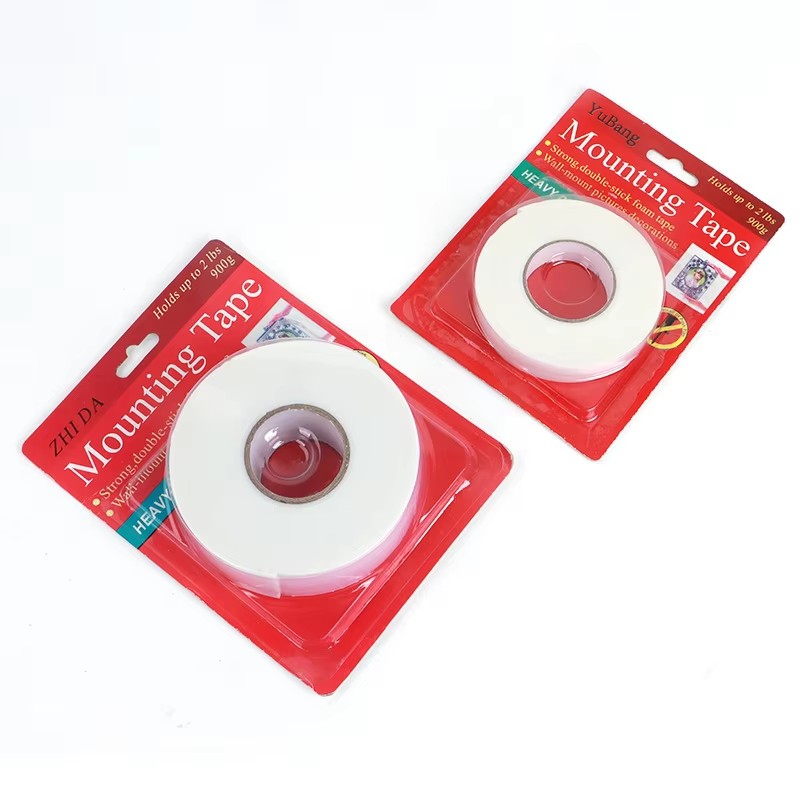
Mounting Tape Manufacturer
Mounting Tape is a strong double-sided adhesive tape designed for securely mounting and fixing items without screws or nails. It provides excellent adhesion, durability, and easy application, making it ideal for signs, decorations, hooks, frames, mirrors, and household or office accessories.