
-
Home

-
Blog
-
Industry News
- Deck Joist Tape vs Waterproof Repair Tape: A Buying Guide for Distributors

Deck Joist Tape vs Waterproof Repair Tape: A Buying Guide for Distributors
-
 author
 - 20,August
 author
 A customer asks for “waterproof tape for a deck.” The request sounds simple, but it can point to two different products. One buyer may be protecting new wood framing before the boards go down. Another may be stopping water around a roof seam, gutter joint, window edge, or HVAC duct. Both jobs involve moisture, but the product role, test method, packaging language, and sales channel are different.
For importers, distributors, hardware retailers, and private-label buyers, the first question is not “Which tape is stronger?” It is “What problem is the customer solving, and at what project stage?” That answer guides every later comparison.
Why Product Classification Comes Before Price
Words such as waterproof, flashing, repair, and heavy duty can make two tapes look interchangeable. A buyer who skips classification may approve the wrong sample or place unsupported claims on packaging. The first purchasing decision is the job category, not the lowest roll price.
Preventive Protection and Corrective Repair Start at Different Times
Deck joist tape enters during construction or renovation, before deck boards close the framing. Its role is preventive: reduce direct moisture contact on vulnerable wood surfaces.
Waterproof repair tape normally enters after a defect appears. A roof seam opens, a gutter joint drips, a window edge lets in water, or a duct connection needs sealing.
For distributors, this creates two sales paths: framing protection for decking channels, and repair sealing for roofing, HVAC, maintenance, and hardware.
A Low Roll Price Can Create High Follow-Up Costs
The real purchasing cost includes more than the roll and freight. Poor fit can add callbacks, replacement stock, relabeling, service time, and slow-moving inventory.
A tape may feel sticky during a hand test, yet the liner tears or the edges lift on target wood. Compare product cost, handling time, failure risk, and repeat-order consistency.
A short hand test checks initial stickiness, not handling on representative wood or condition after transport. Classification keeps the test focused on the buyer’s market.
Turn Customer Language Into a Purchase Brief
End users often ask for “tape for deck wood,” “roof leak tape,” or “butyl tape.” Translate that request into a brief covering project stage, substrate, surface shape, exposure, sales channel, and packaging.
That brief connects the customer problem to the sample request and makes quotations easier to compare.
Compare the Products by Their Real Applications
After separating preventive protection from corrective repair, buyers can compare construction, handling, and surface fit without mixing unrelated test standards. Sales teams also gain a clearer answer for each job.
Deck Joist Tape Protects Wood Framing
HONF deck joist tape is a self-adhesive waterproof flashing and moisture-barrier product for wood protection in deck and construction projects. It is designed to help reduce moisture exposure and water-related deterioration on framing surfaces. It is not structural reinforcement and does not replace sound drainage, deck design, or damaged timber.

For distributors, this creates a focused category for decking contractors, lumberyards, and building-material retailers. Use representative destination-market wood during approval, including relevant joists, beams, ledgers, and fastening areas. These are application checks, not universal claims.
Waterproof Repair Tape Seals Existing Leaks and Joints
HONF aluminum foil butyl waterproof tape combines aluminum foil backing with butyl rubber adhesive. It is made for roof leak sealing, HVAC insulation, outdoor construction, metal-surface protection, and repair work around roofs, windows, pipes, walls, seams, and ducts. The tape can fit flat, curved, and corner repairs on materials such as metal, tile, wood, concrete, fiberglass, and brick.
For buyers, this creates a repair-focused SKU for several maintenance channels. Each surface still needs approval, and broad compatibility does not make it a substitute for framing protection tape.
| Buying Factor | Deck Joist Tape | Waterproof Repair Tape |
| Main purpose | Preventive framing protection | Leak, seam, and joint repair |
| Project stage | Construction or renovation | After a defect appears |
| Primary channel | Decking and building materials | Roofing, HVAC, hardware, maintenance |
| Sample focus | Wood, edges, liner, framing details | Repair substrates, seams, curves, corners |
| Main risk | Poor fit with deck-framing use | Unsupported multi-surface claims |
Search language follows the job. Construction buyers use deck joist tape or joist flashing tape, while maintenance buyers use roof repair tape, butyl tape, or waterproof sealing tape. Match titles and packaging to that intent.

Check the Specifications That Affect Field Results
Product classification answers what the tape is for. Specifications show whether it can perform under the customer’s conditions, with surface contact, handling, labor, and repeat performance as the main concerns.
Surface Fit and Preparation Come First
Dust, oil, standing water, loose coatings, rust flakes, and weak wood fibers reduce adhesive contact. Test both products on representative, clean, dry substrates.
HONF aluminum foil butyl tape requires a clean and dry surface, firm pressure, and no movement during the first 24 hours after installation. Keep the same guidance across packaging, online listings, and sales materials. Consistent instructions reduce failures caused by poor preparation.
For the customer, this means fewer avoidable callbacks and fewer complaints caused by poor preparation.
Handling Details Affect Labor and Acceptance
Backing flexibility, liner release, edge condition, and roll winding affect installation speed. A torn liner slows the worker. Damaged edges make alignment harder. A stiff backing may work on a flat panel but resist a corner or irregular detail.
Record placement speed, liner behavior, edge contact, and roll stability during testing. Edge lifting can expose the protected area and create another service call.
These observations turn “easy to apply” into measurable approval criteria.
Which Specifications Actually Improve the Application
Extra width may increase waste. Aggressive initial tack can make repositioning difficult. More thickness can raise carton volume and freight without improving every application.
Compare required coverage, backing construction, conformability, liner handling, and documented application conditions. Claims such as permanent waterproofing, maximum strength, or universal surface compatibility need a clear test method before they appear on packaging.
Build a Repeatable Sample Approval Process
Specifications define what needs to be checked. A repeatable sample process shows whether the product meets those requirements and creates a reference for bulk production. The same record can support quotations, packaging claims, inspection, and repeat orders.
Use Separate Tests for Separate Jobs
For deck framing, test the wood type and surface condition common in the destination market. Include straight runs and realistic framing details. Record surface preparation, application temperature, pressure, dwell time, liner behavior, edge condition, and contact around fastening areas.
For waterproof repair tape, use the substrates and shapes served by the target channel. Coated metal, aluminum, concrete, PVC, glass, or EPDM may be relevant, along with seams, curves, corners, and penetrations. One smooth panel cannot represent a roof repair program.
HONF’s no-torch metal roof repair guide provides a related reference for seams, fasteners, penetrations, and surface preparation.
Keep a Reference Sample and Retest When Conditions Change
The approval record needs the construction, application, test surfaces, preparation method, observation period, packaging version, and acceptance criteria. Keep a labeled reference roll with the product code, artwork version, and approval date.
Retest when the substrate changes, the destination climate differs, packaging adds a new claim, the construction changes, or the sales channel shifts.
A passing sample is only the first gate. The supplier also needs to reproduce it, protect the rolls in transit, and control later changes.
Evaluate the Supplier Before Releasing the Order
A reliable tape supplier provides more than samples and a unit price. Product information, packaging control, repeat-order consistency, and delivery planning determine whether an approved product becomes a stable SKU.
Confirm the Order Standard Before Production
Before production, confirm the approved specification, reference sample, artwork, barcode, carton quantity, master-carton marks, packaging protection, and delivery plan. State in the purchase order which changes require written approval.
Lead time depends on sample approval, customization, order volume, and shipping method. Clear milestones support inventory and launch planning.
For a joist tape supplier, small changes in liner handling, roll winding, or packaging can affect contractor acceptance.
Match Packaging to the Sales Channel
Contractor supply often favors simple cartons, clear identification, and quick access. Retail and e-commerce programs need accurate dimensions, instructions, barcodes, product images, and application limits that match the approved sample.
HONF can discuss product development, OEM or ODM requirements, branded packaging, and delivery arrangements as part of the same purchasing project. For private-label buyers, one coordinated approval path for the tape, artwork, and carton format reduces revisions and keeps claims tied to the tested application.
Keep Records for Complaints and Repeat Orders
Retain batch identification, approved artwork, inspection records, and reference samples. When a complaint arrives, ask which batch was involved, what surface was used, how the tape was applied, and whether the returned roll matches the approved version.
Traceability helps separate application problems from product variation and supports a useful investigation.
Conclusion
Deck joist tape and waterproof repair tape manage moisture at different project stages and serve different customer groups. One supports preventive protection of deck framing. The other seals existing leaks, seams, joints, and surface defects.
Distributors can reduce wrong orders, unsupported claims, and after-sales cost by defining the application, testing representative substrates, approving a reference sample, and matching packaging to the sales channel. The same process makes quotations easier to compare and gives sales teams a clearer product story.
To discuss samples, private-label packaging, or bulk supply, contact HONF with the target application, substrate, destination market, estimated quantity, packaging format, testing priorities, and delivery schedule.
FAQs
Q1: What is the main difference between deck joist tape and waterproof repair tape?
A: Deck joist tape provides preventive moisture protection for deck framing during construction or renovation. Waterproof repair tape seals existing leaks, seams, gaps, and damaged areas.
Q2: Can butyl waterproof repair tape be used on deck framing?
A: It may bond to some wood surfaces, but that does not make it a direct replacement for joist flashing tape. Approval needs representative wood testing and product information for the intended framing application.
Q3: What do buyers need to test before approving deck joist tape for a bulk order?
A: Test the target wood, surface preparation, edge contact, liner removal, application conditions, roll condition, framing details, and fastening areas. Record the method so the same standard can be used for bulk inspection.
Q4: Which documents do distributors need from a joist tape supplier?
A: Request the current specification, application guidance, storage information, packaging details, approved artwork, reference-sample record, and change-control process.
Q5: Can deck joist tape packaging be customized for contractor and retail channels?
A: Packaging can include labels, instructions, barcodes, private-label artwork, and carton marks. Final options, quantities, artwork timing, and delivery requirements need confirmation before production.
Recent Post




Related Products
Best-selling Products
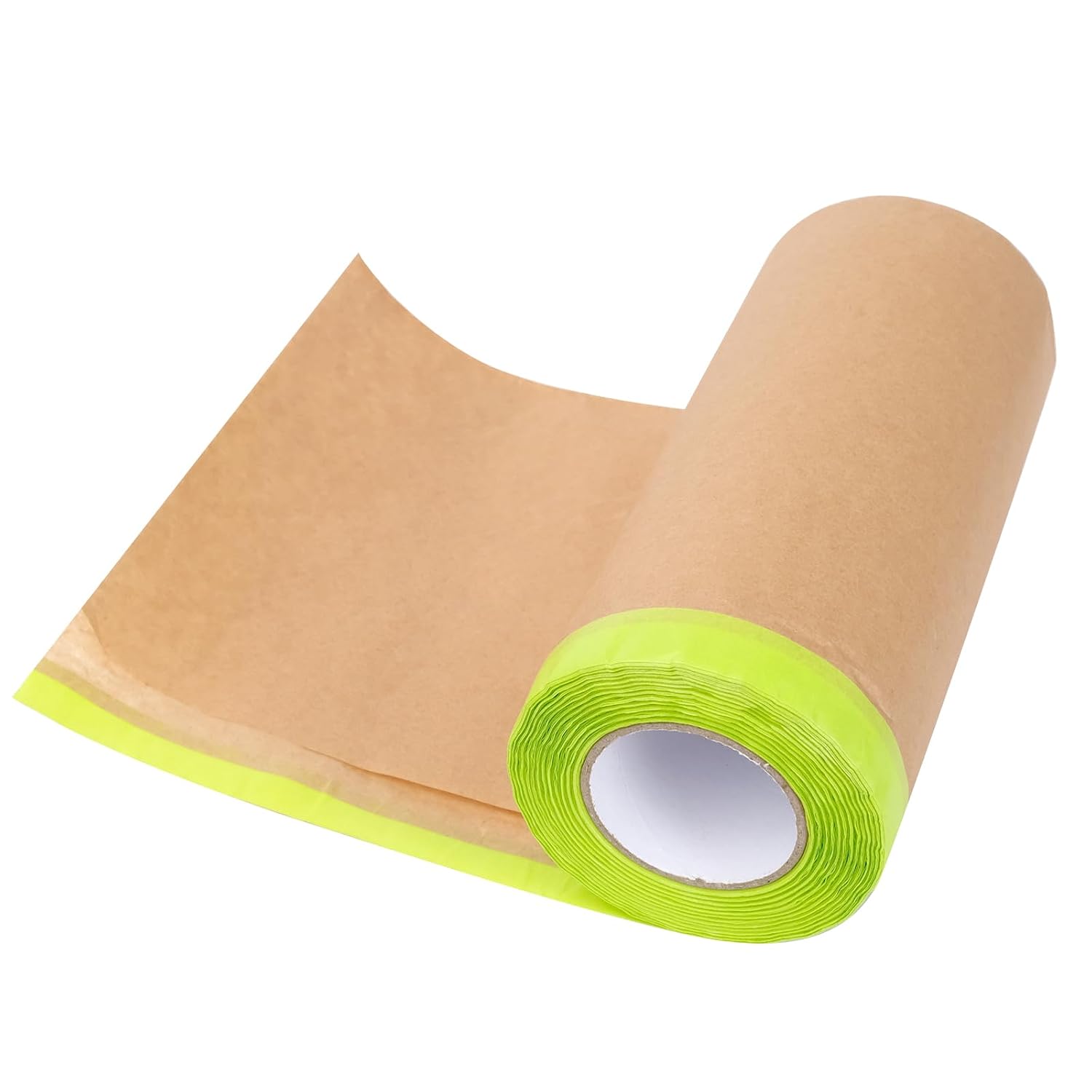
Kraft Masking Film Manufacturer
Kraft Masking Film is a protective masking material made from kraft paper, often with an adhesive edge for quick application. It helps shield floors, walls, furniture, and other surfaces from paint, dust, dirt, and overspray during decorating, renovation, and construction work. It is easy to use, cut, and remove after the job is complete.
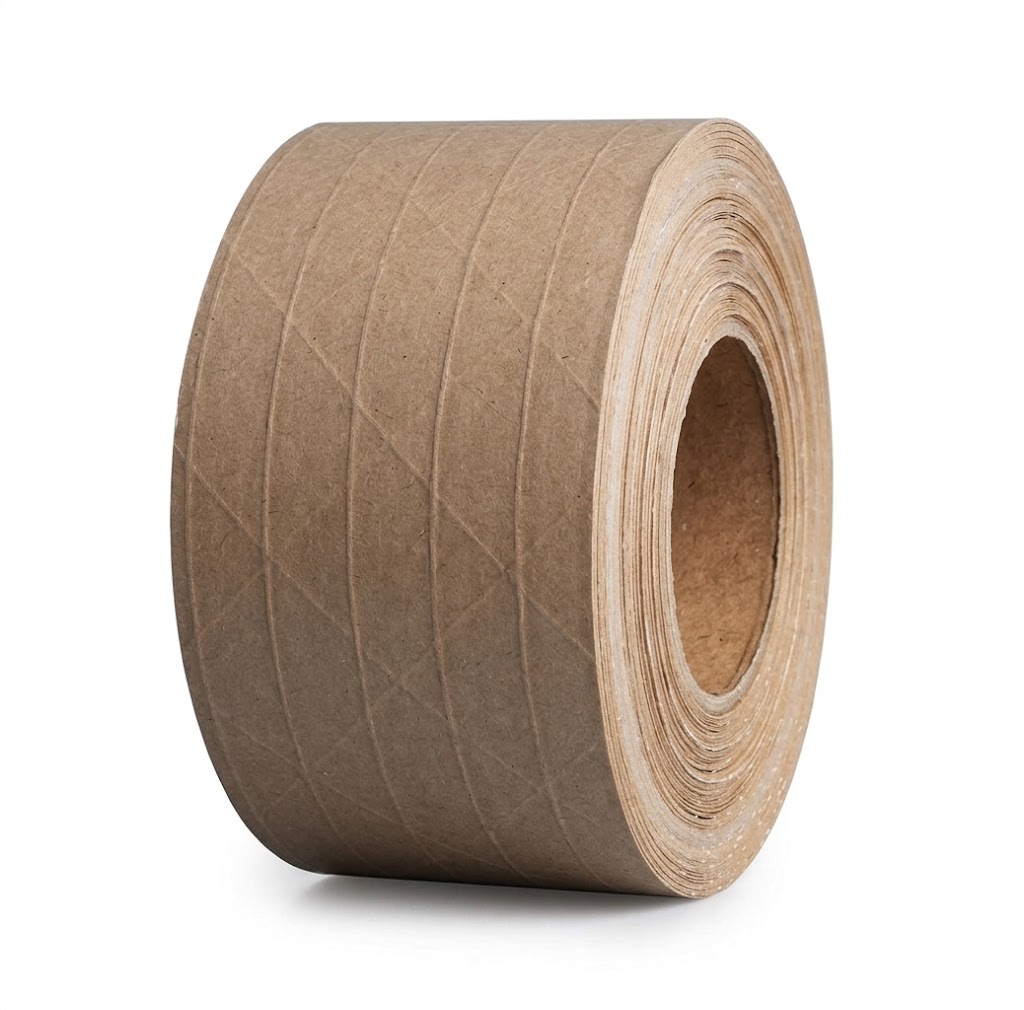
Reinforced Water-Activated Kraft Paper Tape Manufacturer
Reinforced Water-Activated Kraft Paper Tape is made from durable kraft paper reinforced with strong fibers and activated by water. It provides excellent adhesion, high tensile strength, and tamper-evident sealing, making it ideal for sealing cartons, heavy-duty packaging, and shipping boxes.
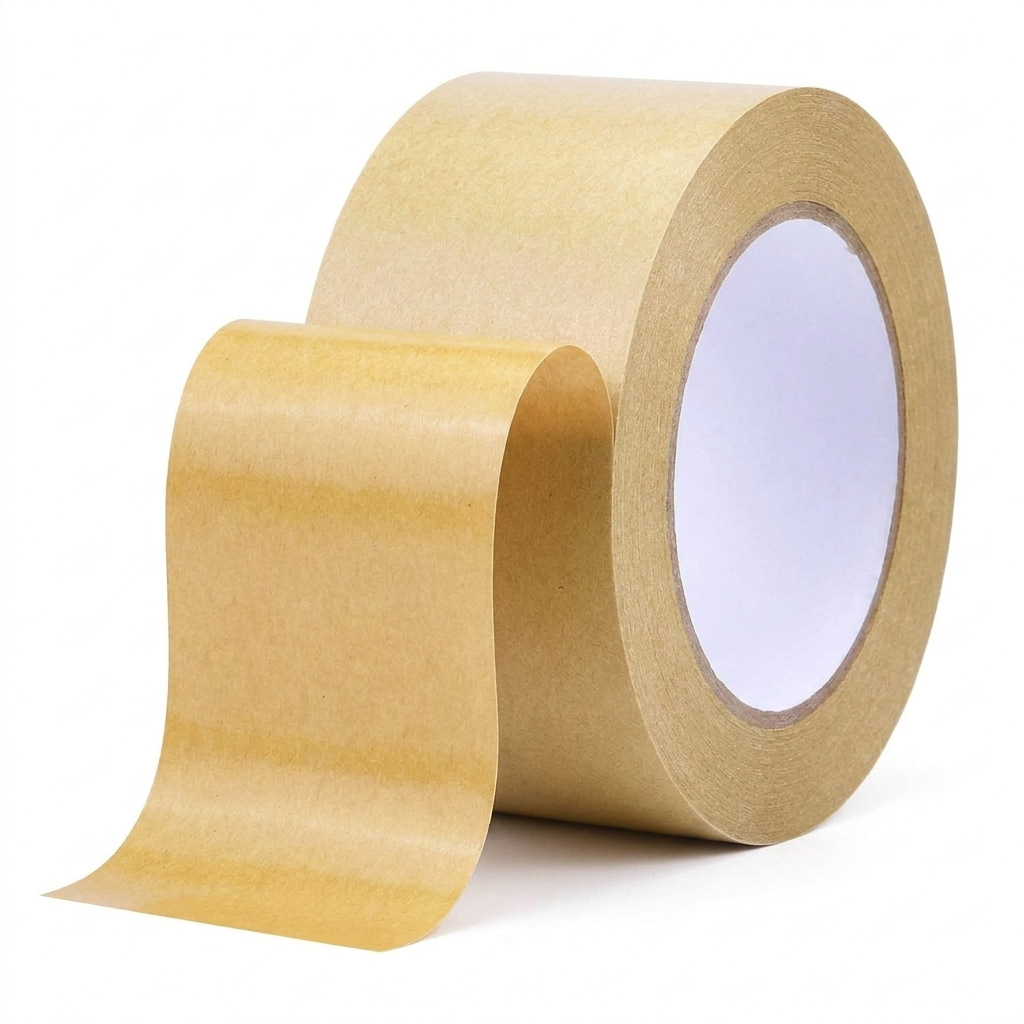
PE Self-Adhesive Kraft Paper Tape Manufacturer
PE Self-Adhesive Kraft Paper Tape is made from durable kraft paper laminated with a PE coating and a strong pressure-sensitive adhesive. It offers moisture resistance, excellent tear strength, and reliable adhesion, making it ideal for carton sealing, packaging, bundling, labeling, and general industrial use.
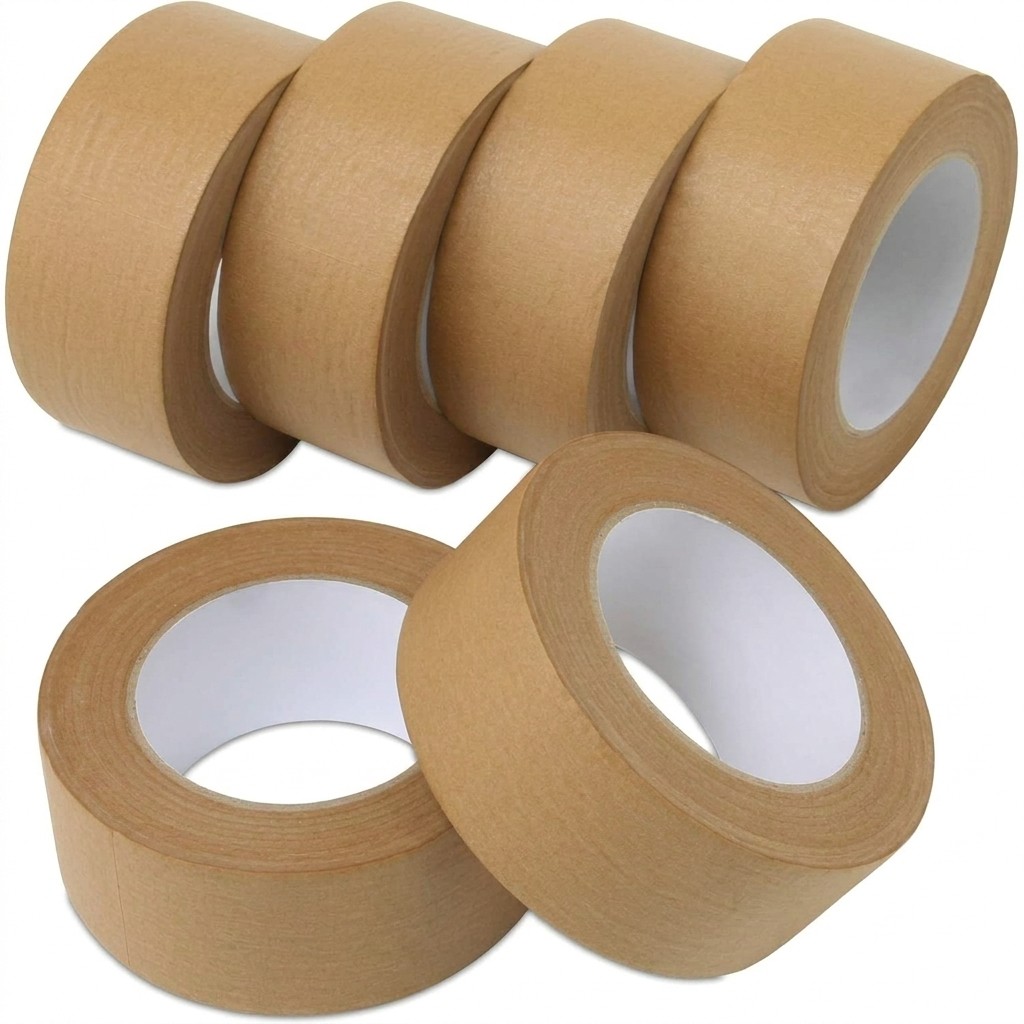
Kraft Paper Tape Manufacturer
Kraft Paper Tape is an eco-friendly adhesive tape made from durable kraft paper. It provides strong adhesion, easy tearability, and reliable sealing performance, making it ideal for carton sealing, packaging, labeling, crafts, and general office use.
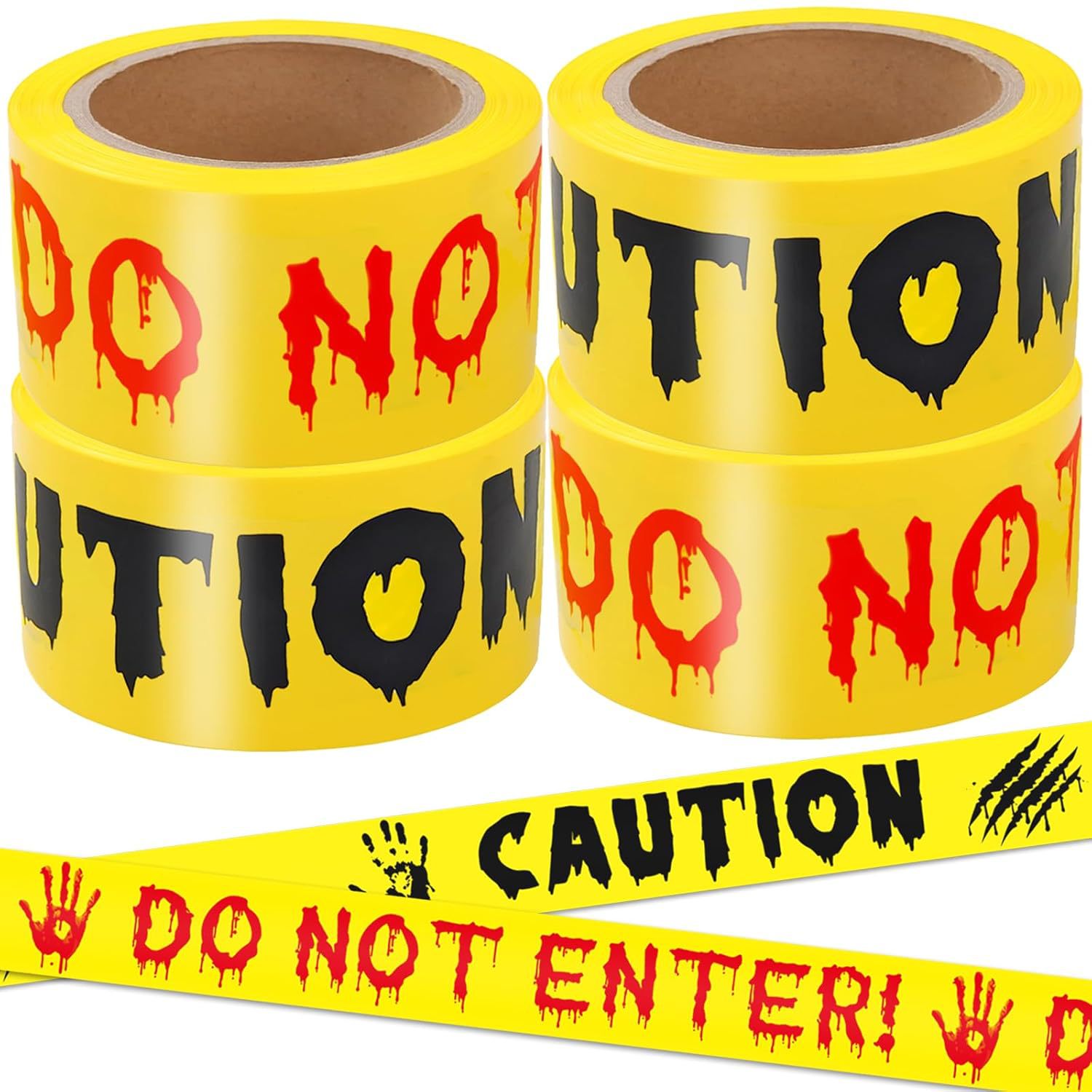
Halloween Caution Tape Manufacturer
Halloween Caution Tape is a festive decorative tape featuring spooky Halloween designs and caution-style lettering. It is ideal for decorating parties, haunted houses, windows, doors, yards, and event spaces, creating a fun and eye-catching atmosphere.
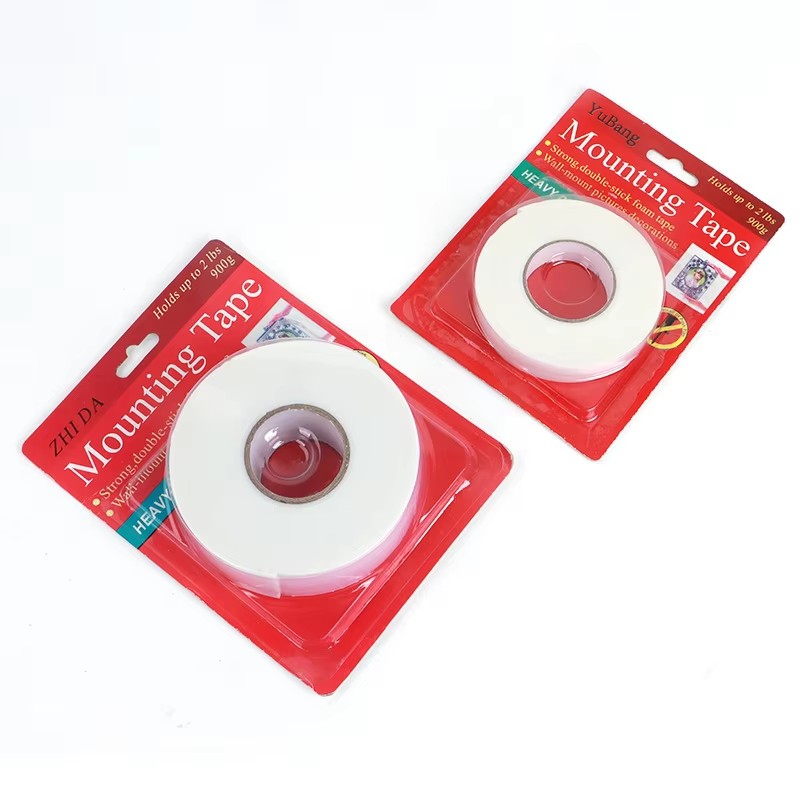
Mounting Tape Manufacturer
Mounting Tape is a strong double-sided adhesive tape designed for securely mounting and fixing items without screws or nails. It provides excellent adhesion, durability, and easy application, making it ideal for signs, decorations, hooks, frames, mirrors, and household or office accessories.