
-
Home

-
Blog
-
Industry News
- Carton Sealing Tape Procurement Checklist for EU PPWR 2026

Carton Sealing Tape Procurement Checklist for EU PPWR 2026
-
 author
 - 13,August
 author
 The EU Packaging and Packaging Waste Regulation, known as PPWR, applies from August 12, 2026. For importers, distributors, private-label brands, and fulfillment operators, the change makes packaging records, supplier communication, and traceability more important.
Carton sealing tape is a small part of a shipping case, but failure can cause open seams, repeated taping, line stoppages, and damaged cartons. Buyers should review the corrugated board, packed weight, application equipment, transport conditions, and supplier documentation.
This article provides procurement guidance, not legal advice. A tape-only statement does not prove that completed packaging meets PPWR requirements.

Why PPWR Changes Carton Sealing Tape Procurement
The Finished Packaging Configuration Comes First
PPWR applies to packaging placed on the EU market, so a shipping case should be reviewed as one configuration. The carton, tape, labels, coatings, and other components may affect the final assessment.
A packing tape supplier can provide specifications, available declarations, test information, and batch details. The relevant economic operator should identify its role and meet the applicable obligations for the finished packaging.
Instead of asking whether a roll is “PPWR compliant,” ask more specific questions:
- What product construction is being supplied?
- Is the specification controlled?
- What supporting information is available?
- Will the buyer be notified about product changes?
The general application date is August 12, 2026, while some recyclability requirements arrive later. Procurement teams should organize specifications, test records, and supplier correspondence before an audit or shipment problem occurs.
Define the Sealing Job Before Requesting a Quote
Carton Weight, Board Surface, and Shipping Route
A useful RFQ describes the actual packing job. Record the packed weight, corrugated grade, surface condition, storage temperature, humidity, transit time, and pallet pattern.
Recycled corrugated boxes may have rough or dusty surfaces. Test the tape on the actual board, not a clean sample carton. Seal the case at normal weight, store it for a realistic period, then inspect the center seam and end flaps.
Manual Packing or Automatic Case Sealing
Tell the BOPP tape manufacturer whether operators use a hand dispenser, tape gun, or automatic case sealer. Width, roll length, core diameter, unwind force, and winding consistency can affect packing-line performance.
Low noise packing tape can help in busy fulfillment centers where several workstations run throughout the day. Quiet unwind is useful, but the shipping tape must also feed cleanly and hold through storage and delivery.
Technical Specifications for Carton Sealing Tape
Construction and Performance Data
A complete quotation request should identify the BOPP backing, adhesive system, total thickness, width, length, core diameter, color, and dimensional tolerances.
Buyers may also request data for:
- Adhesion
- Initial tack
- Holding power
- Tensile strength
- Recommended temperature conditions
Test values are comparable only when the method, substrate, conditioning time, temperature, and units are stated. Two rolls of clear packing tape can look alike yet behave differently on a cold, dusty, or recycled carton.
HONF’s BOPP carton sealing tape is listed as a 1.8 mil acrylic-adhesive tape in a 2-inch by 110-yard format. It is intended for shipping, warehouse packing, e-commerce fulfillment, storage, and general carton-sealing work.
Carton Sealing Tape Procurement Checklist
| Area | What to confirm | Why it matters |
| Application | Board, packed weight, surface, and route | Defines performance needs |
| Construction | Adhesive, thickness, width, length, and core | Keeps quotations comparable |
| Equipment | Hand dispenser or automatic case sealer | Reduces feeding problems |
| Documents | Product code, specification, and batch details | Supports traceability |
| Testing | Actual cartons and working conditions | Finds issues before bulk orders |
| Terms | MOQ, lead time, OEM packing, and change notice | Supports repeat purchasing |
Compare quotations only when the main specifications match. A lower price may reflect a shorter roll, different thickness, smaller core, or less suitable construction.
Documents to Request From a Packing Tape Supplier
Product Identification and Change Control
Request a current specification, product code, construction description, available declarations or test reports for the destination market, and a batch-identification method. Ask whether the lot code connects to production records.
Change control also matters. Changes to the film, adhesive, core, coating process, or winding setup may affect performance and an earlier packaging review. The buyer should receive notice before an approved construction changes.
For a broader review of samples, MOQ, custom packaging, and supplier qualification, buyers can also read HONF’s wholesale and OEM adhesive tape buying guide.
Separate Supplier Information From Buyer Responsibility
Supplier documentation supports the packaging review; it does not replace it. Importers and distributors should confirm:
- Who prepares the technical file
- Who reviews the completed packaging
- Who maintains records for the EU market
- Who approves changes to the packaging configuration
This distinction is particularly important for private-label programs. Changing a product specification, package format, or branding arrangement may affect the buyer’s responsibilities.
Test Packing Tape Before a Bulk Order
Run a Production-Representative Trial
Test more than one roll with the normal dispenser or machine. Apply the packing tape to the actual carton and check the seal immediately, after storage, and after handling.
Watch for:
- Edge lifting or flagging
- Film tearing
- Poor machine feeding
- Loose center seams
- Adhesive transfer
- Covered labels or barcodes
Where relevant, include temperature changes, stacking, pallet movement, and basic transport simulation. A sample that performs well on a desk may behave differently after several days in a warehouse.
Compare Total Packing Cost, Not Just Roll Price
A longer roll may reduce changeovers. Cleaner unwind may cut line interruptions. Better carton holding may reduce double-taping, rework, and repacking.
For that reason, “heavy duty packing tape” is not a complete purchasing specification. Buyers need measurable details and a sample that represents the intended bulk order.
Working With HONF on BOPP Tape Sourcing
Product Options for Commercial Packing
HONF is the adhesive tape brand of Yiwu Hongfu Adhesive Products Co., Ltd.

For quieter packing areas, transparent low noise BOPP packing tape is compatible with standard dispensers and tape guns. Its clear finish also keeps labels and barcodes visible.
For standard brown corrugated cartons, HONF’s brown low noise BOPP packing tape comes in a 2-inch format described for most handheld dispensers and automatic packing machines.
Where package appearance and label visibility are priorities, super clear BOPP packing tape provides a clear acrylic-adhesive option for shipping, warehouse, e-commerce, and storage applications.
The right product still depends on the carton, equipment, storage conditions, and order requirements. A product name alone is not enough to make a reliable purchasing decision.
What to Include in Your HONF Inquiry
Send the following information when requesting samples or pricing:
- Carton type and packed weight
- Required tape width, length, and thickness
- Color and core size
- Manual or automatic application
- Storage and transport conditions
- Destination market
- Initial order quantity
- Estimated annual demand
- OEM or private-label packaging requirements
A BOPP tape manufacturer can respond more accurately when the inquiry describes the application. “Best price for packing tape” usually leads to another round of questions.
Conclusion
A documented PPWR procurement process starts with a clear carton sealing tape specification, representative testing, controlled supplier records, and defined responsibility for the finished packaging. Buyers should compare total packing performance, not only the price per roll.
For bulk packing tape, OEM packaging, or warehouse trial samples, contact HONF for a product recommendation and quotation. Share the carton details, application method, destination market, and estimated demand so HONF can review the request and prepare a suitable proposal.
FAQ
Q1: Does PPWR require a separate certificate for BOPP carton sealing tape?
A: A tape-only certificate does not prove that finished packaging meets PPWR requirements. The relevant economic operator assesses the finished packaging, while the packing tape supplier provides the applicable product information.
Q2: What documents should buyers request from a packing tape supplier?
A: Request the current specification, product code, construction details, available declarations or test reports, batch-identification method, change-notification process, MOQ, and lead time.
Q3: How do you choose carton sealing tape for recycled cardboard boxes?
A: Test the tape on the actual board at normal packed weight. Check adhesion after storage and handling because recycled cartons may have rough, dusty, or inconsistent surfaces.
Q4: Can low noise packing tape run on an automatic case sealer?
A: It may, provided the width, core, roll diameter, unwind behavior, and machine settings are compatible. Run a production trial before buying in bulk.
Q5: What information does a BOPP tape manufacturer need for an OEM quote?
A: Provide the required dimensions, color, core size, carton weight, board type, application method, destination market, quantity, annual forecast, and private-label packaging requirements.
Recent Post




Related Products
Best-selling Products
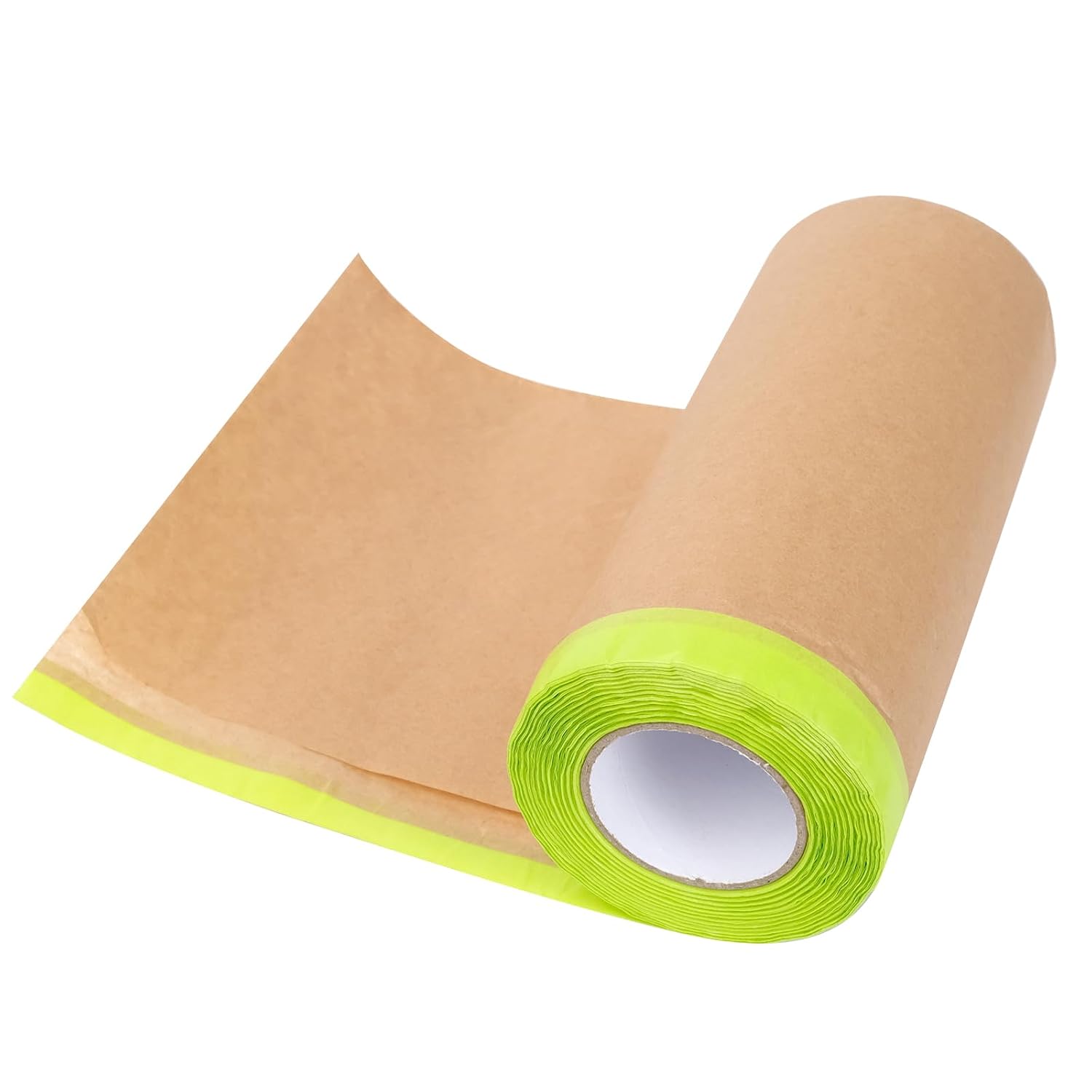
Kraft Masking Film Manufacturer
Kraft Masking Film is a protective masking material made from kraft paper, often with an adhesive edge for quick application. It helps shield floors, walls, furniture, and other surfaces from paint, dust, dirt, and overspray during decorating, renovation, and construction work. It is easy to use, cut, and remove after the job is complete.
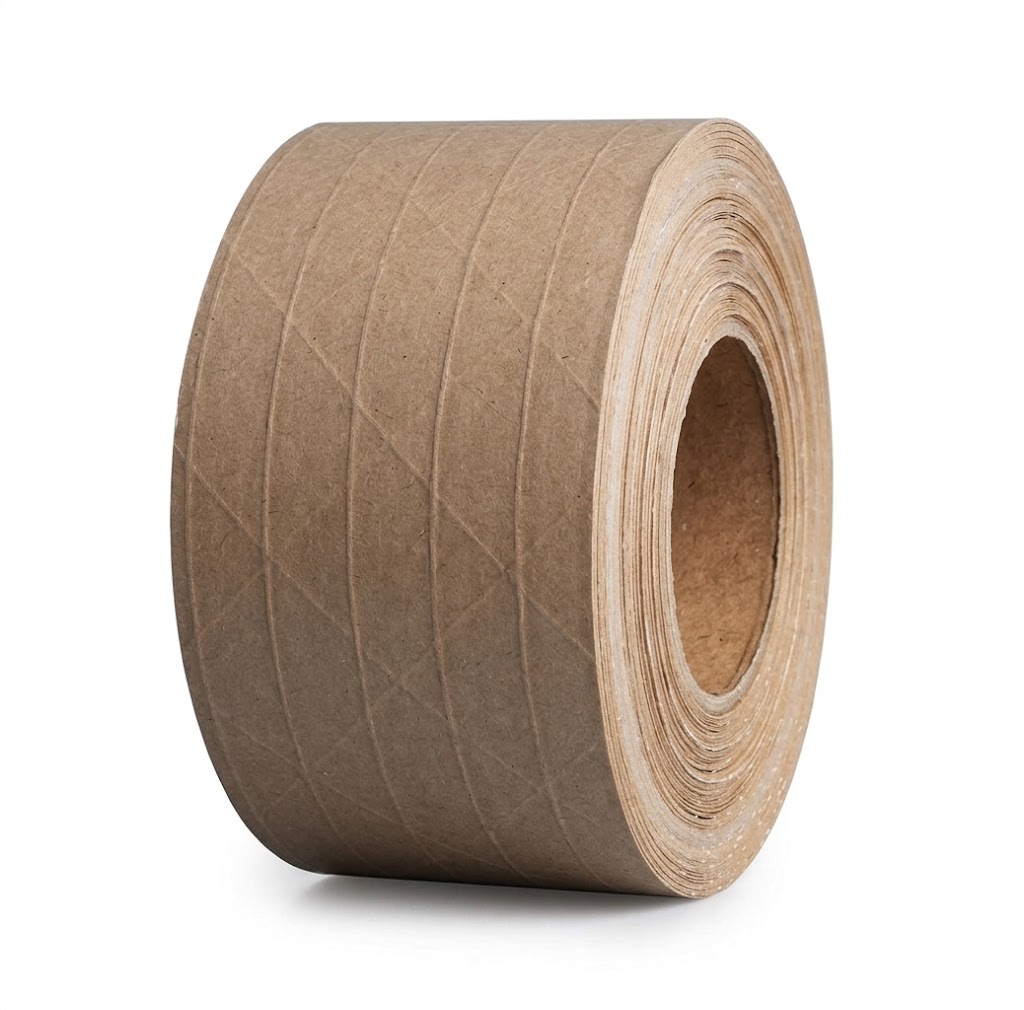
Reinforced Water-Activated Kraft Paper Tape Manufacturer
Reinforced Water-Activated Kraft Paper Tape is made from durable kraft paper reinforced with strong fibers and activated by water. It provides excellent adhesion, high tensile strength, and tamper-evident sealing, making it ideal for sealing cartons, heavy-duty packaging, and shipping boxes.

PE Self-Adhesive Kraft Paper Tape Manufacturer
PE Self-Adhesive Kraft Paper Tape is made from durable kraft paper laminated with a PE coating and a strong pressure-sensitive adhesive. It offers moisture resistance, excellent tear strength, and reliable adhesion, making it ideal for carton sealing, packaging, bundling, labeling, and general industrial use.
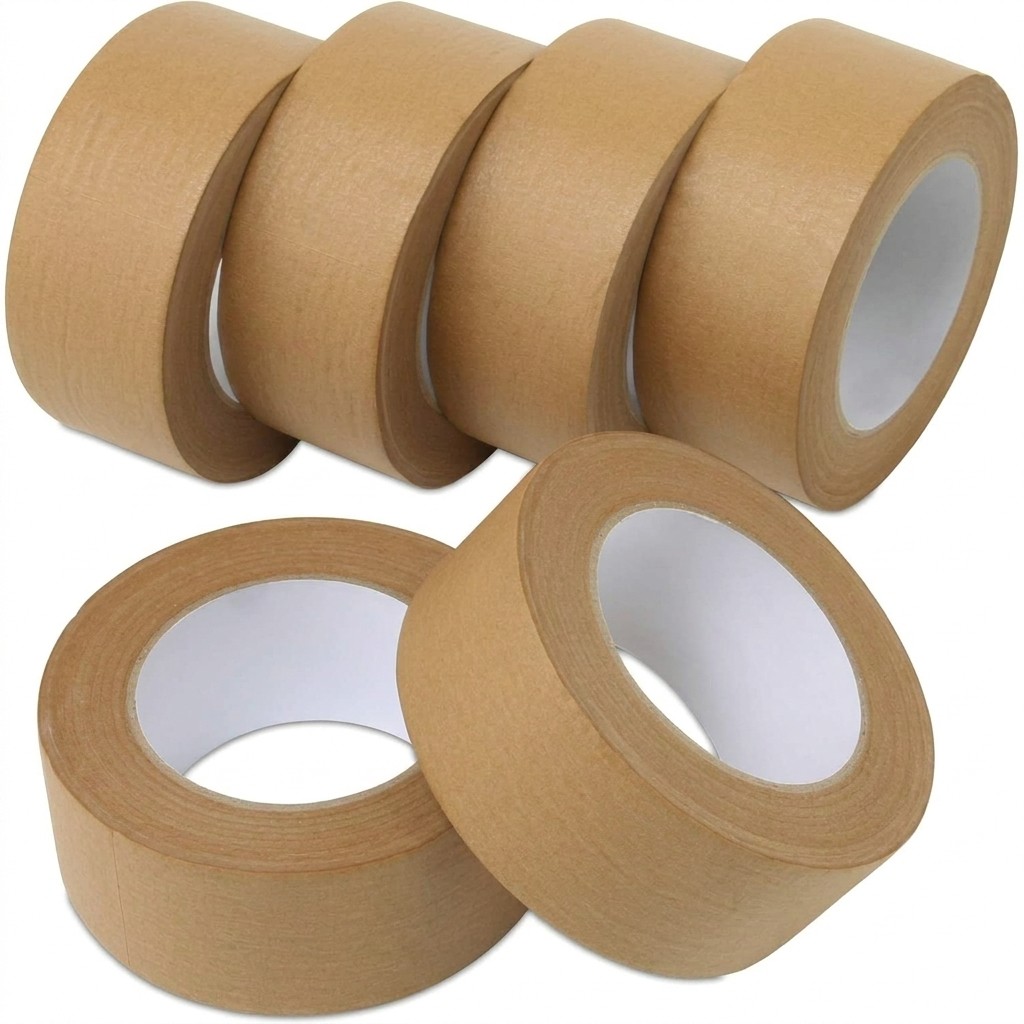
Kraft Paper Tape Manufacturer
Kraft Paper Tape is an eco-friendly adhesive tape made from durable kraft paper. It provides strong adhesion, easy tearability, and reliable sealing performance, making it ideal for carton sealing, packaging, labeling, crafts, and general office use.
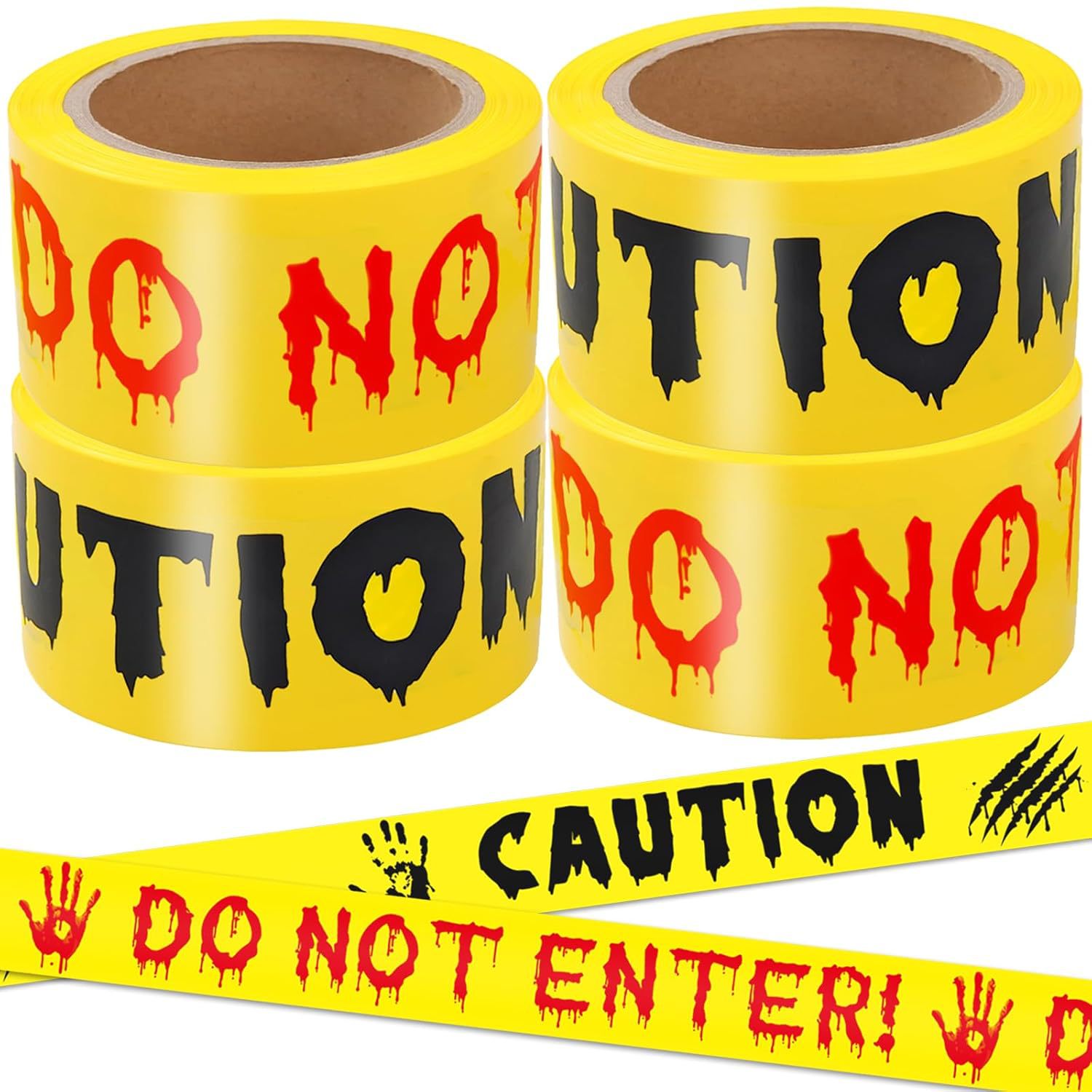
Halloween Caution Tape Manufacturer
Halloween Caution Tape is a festive decorative tape featuring spooky Halloween designs and caution-style lettering. It is ideal for decorating parties, haunted houses, windows, doors, yards, and event spaces, creating a fun and eye-catching atmosphere.
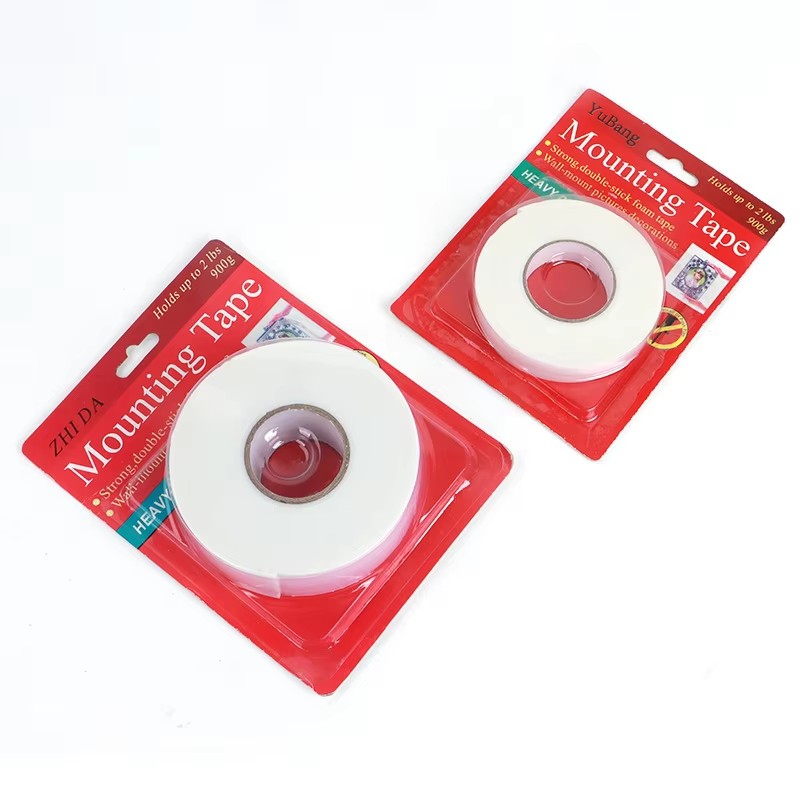
Mounting Tape Manufacturer
Mounting Tape is a strong double-sided adhesive tape designed for securely mounting and fixing items without screws or nails. It provides excellent adhesion, durability, and easy application, making it ideal for signs, decorations, hooks, frames, mirrors, and household or office accessories.