
-
Home

-
Blog
-
Industry News
- Aluminum Foil Tape for Data Center HVAC 2026 Sourcing Guide

Aluminum Foil Tape for Data Center HVAC 2026 Sourcing Guide
-
 author
 - 3,September
 author
 AI data center construction is moving into another major expansion cycle. Global shell-and-core data center construction costs are also forecast to average about $11.3 million per MW in 2026.
Against projects of that size, foil tape looks like a minor purchase. The cost changes when a failed seam has to be reopened after other services are already in place.
For HVAC distributors, MEP contractors, industrial importers, and private-label buyers, choosing aluminum foil tape comes down to application fit. The substrate, installation environment, required documentation, and repeat-order consistency matter more than a “heavy duty” label or the lowest price per roll.

Why HVAC Foil Tape Selection Matters in Data Center Projects
Large data center projects combine extensive mechanical systems with tight construction schedules and expensive skilled labor. Duct and insulation work may represent only one part of the build, but poor material selection can still create callbacks, extra installation time, and inspection delays. That makes tape selection a total-cost decision rather than a simple consumables purchase.
Small Tape Failures Can Become Expensive Rework
An edge that lifts in an open mechanical room may take minutes to repair. The same problem above a finished ceiling or behind later-installed services is harder to reach and much more expensive.
For HVAC foil tape, roll price is only one part of the calculation. Buyers also need to account for labor, waste, repeat installation, and the chance of project delays.
That is especially relevant for bulk aluminum foil tape orders. A small difference in unit price has little value if crews repeatedly have to clean, reseal, or replace failed joints. Testing a representative sample before committing to volume is usually the safer purchasing decision.
Where Aluminum Foil Tape Fits in Data Center HVAC Work
HONF aluminum foil tape can be used for compatible duct joints, insulation reinforcement, and related HVAC sealing work. Product selection still depends on the duct system, insulation facing, adhesive construction, and project specification.
Modern data centers may combine air-based HVAC with chilled-water and liquid-cooling systems, so the application boundary needs to stay clear. HVAC duct sealing tape is not a substitute for coolant piping, cold plates, pipe fittings, or other engineered liquid-cooling hardware.
The useful purchasing question is simple: What surface and joint are we actually sealing? Once that is clear, tape construction becomes much easier to evaluate.
Which Aluminum Foil Tape Specifications Really Matter?
Two silver rolls can look almost identical and still behave differently in the field. Backing, adhesive, installation conditions, and required approvals all affect the result. Comparing these points also prevents a common sourcing problem: accepting a lower quotation without realizing that it represents a different construction or specification.
Backing and Adhesive Construction
Backing construction influences how easily a tape follows seams, bends, and irregular surfaces. Adhesive selection affects bonding behavior and suitability for the intended environment. Neither can be judged from appearance alone.
For applications involving waterproof sealing, HVAC insulation, outdoor exposure, or metal-surface protection, HONF offers Aluminum Foil Butyl Waterproof Tape made with an aluminum foil backing and butyl rubber adhesive. It is used for applications including HVAC ducts and insulation as well as waterproof construction and repair work.

A foil-butyl construction is not automatically interchangeable with every conventional HVAC foil tape. One project may prioritize duct or insulation seaming, while another needs a waterproof barrier or better conformity around corners.
Select the tape around the joint and expected failure mode, not around the product name.
Application Temperature and Surface Condition Affect Bonding
High temperature ratings are easy to compare on a quotation sheet. Installation conditions are less obvious, yet they can have a bigger effect on the first bond.
Dust, oil, loose coatings, moisture, or a poorly prepared substrate can limit adhesive contact. For HONF’s foil-butyl tape, the application surface needs to be clean and dry, with firm pressure applied after installation; movement is avoided during the first 24 hours.
For contractors, this affects work sequencing and labor. For distributors, it affects whether a product that looked fine during sample inspection performs the same way in a customer’s actual installation.
For an HVAC insulation tape application, test on the real insulation facing rather than assuming results from a smooth metal sample will transfer directly.
Certification Needs to Be Verified by SKU
A product category is not a certificate.
Some HVAC projects specify UL 181 or another local, consultant, or project-specific requirement. If a standard is mandatory, include it in the RFQ and request documentation for the exact SKU being considered.
This becomes especially important in international sourcing, where requirements can change by destination market and project type. A tape may be perfectly suitable for one sealing job while being excluded from another because the required approval is different.
The same rule applies when comparing an aluminum foil tape manufacturer: technical documentation needs to match the product actually being supplied.
How to Compare a Foil Tape Supplier Beyond Roll Price
Technical fit is only half of a repeat-order decision. Distributors and importers also need to know whether an approved construction can be supplied consistently six months or a year later. Width, roll length, packaging, product identification, and communication around specification changes all become part of supplier performance.
Test the Actual Substrate Before a Bulk Order
Hand feel and initial tack are useful first impressions, not full qualification.
Apply the sample to the target metal, duct material, or insulation facing. Check how it handles at seams and corners, whether edges remain down, and how much surface preparation is needed. Where temperature or humidity is relevant, include those conditions in the trial.
The test does not need to become a complicated laboratory project. It needs to answer the question that matters: will this tape work on the customer’s actual surface?
For distributors, that difference is important. Performance on a clean sample plate does not guarantee the same result on coated metal or foil-faced insulation.
Check Repeat-Order Consistency and OEM Capability
An approved sample sets the reference for later orders. Private-label and wholesale buyers also need packaging, labels, roll dimensions, and product identification to remain consistent.
HONF supports product development, custom manufacturing, OEM/ODM projects, low-MOQ orders, customized products and packaging, and worldwide delivery. These capabilities are particularly useful when a distributor is qualifying a new product line or testing a private-label program without taking excessive opening stock.
Buyers working across several adhesive tape categories can also review HONF’s Wholesale & OEM Adhesive Tape Buying Guide, which covers sample evaluation, custom packaging, MOQ, production consistency, and repeat supply.
Build an RFQ That Produces Comparable Quotes
“Please quote your best aluminum foil tape” leaves too much open.
A useful RFQ gives every foil tape supplier the same basic purchasing information:
- Intended application and target substrate
- Required width and roll length
- Trial quantity and expected bulk volume
- Installation and operating conditions
- Destination market
- Required standards or technical documents
- OEM or private-label packaging requirements
For OEM aluminum foil tape, add the estimated annual demand and any packaging details that need to remain consistent across repeat orders.
Clear input produces more useful quotations. It also makes it easier to spot an offer that looks cheaper only because the roll length, construction, packaging, or technical scope is different.
When Does HVAC Foil Tape Need to Be Requalified?
A product approved for one project does not automatically fit every future project. A change in substrate, installation conditions, specification, or product construction can make the original test less relevant. Requalification keeps an earlier approval from being stretched beyond the conditions in which it was made.
Requalify After Application Changes
Another trial makes sense when the duct material, insulation facing, surface coating, installation environment, or compliance requirement changes significantly.
The same applies when a distributor introduces the tape to a different customer group. Good adhesion on one metal finish does not prove equal performance on every coated panel or insulation facing.
Requalify After Product or Supplier Changes
Changes to adhesive construction, backing, dimensions, packaging, or another agreed specification can also affect an existing approval.
Comparing the updated sample with the previously approved product before mass production is far easier than handling complaints after stock has already moved through several distributors or customer sites.
For repeat-order business, change control is part of supplier reliability.
Conclusion
The best HVAC foil tape for a data center project is not automatically the thickest tape, the highest temperature rating, or the cheapest quotation. A sound buying decision starts with the duct or insulation application and then works through substrate compatibility, installation conditions, technical requirements, sample performance, and repeat-order consistency.
The same approach applies when comparing an aluminum foil tape manufacturer or foil tape supplier. Unit price matters, but labor, rework, qualification risk, packaging consistency, and repeat supply can have a greater effect on the real purchasing cost.
Where waterproof sealing, HVAC insulation, or outdoor exposure is part of the job, HONF’s aluminum foil butyl construction can be evaluated against the actual substrate and project requirement rather than treated as a universal HVAC solution.
For distributors, contractors, and importers sourcing aluminum foil tape, HVAC duct sealing tape, or an OEM tape program, send HONF the application, substrate, dimensions, destination market, estimated volume, and any mandatory technical requirements. Contact HONF for a sample and quotation before moving into bulk production.
FAQ
Q1: Is every aluminum foil tape suitable for HVAC duct sealing?
A: No. Aluminum foil tapes vary in backing, adhesive construction, dimensions, application conditions, and available technical documentation. The exact tape needs to match the duct or insulation substrate and the project requirements.
Q2: What specifications matter most when buying HVAC foil tape?
A: Start with the application and substrate. Then compare construction, dimensions, adhesive information, installation conditions, service environment, and any required approvals. For bulk orders, repeat-order consistency and packaging also affect the purchasing decision.
Q3: Can aluminum foil butyl tape replace standard HVAC foil tape?
A: Not automatically. Foil-butyl tape is useful where waterproof sealing, flexibility, or outdoor exposure is part of the requirement. Other duct or insulation applications may call for a different construction or a specific approved product.
Q4: Does HVAC foil tape need UL 181 certification?
A: It depends on the project, duct system, destination market, and specification. When UL 181 or another standard is mandatory, request documentation tied to the exact SKU before approving the order.
Q5: How can a distributor qualify a foil tape supplier before a bulk order?
A: Test a representative sample on the real substrate, then review dimensions, packaging, MOQ, lead time, documentation, repeat-order consistency, and how product changes are handled. Private-label buyers also need packaging and labeling approval before mass production.
Recent Post



Related Products
Best-selling Products
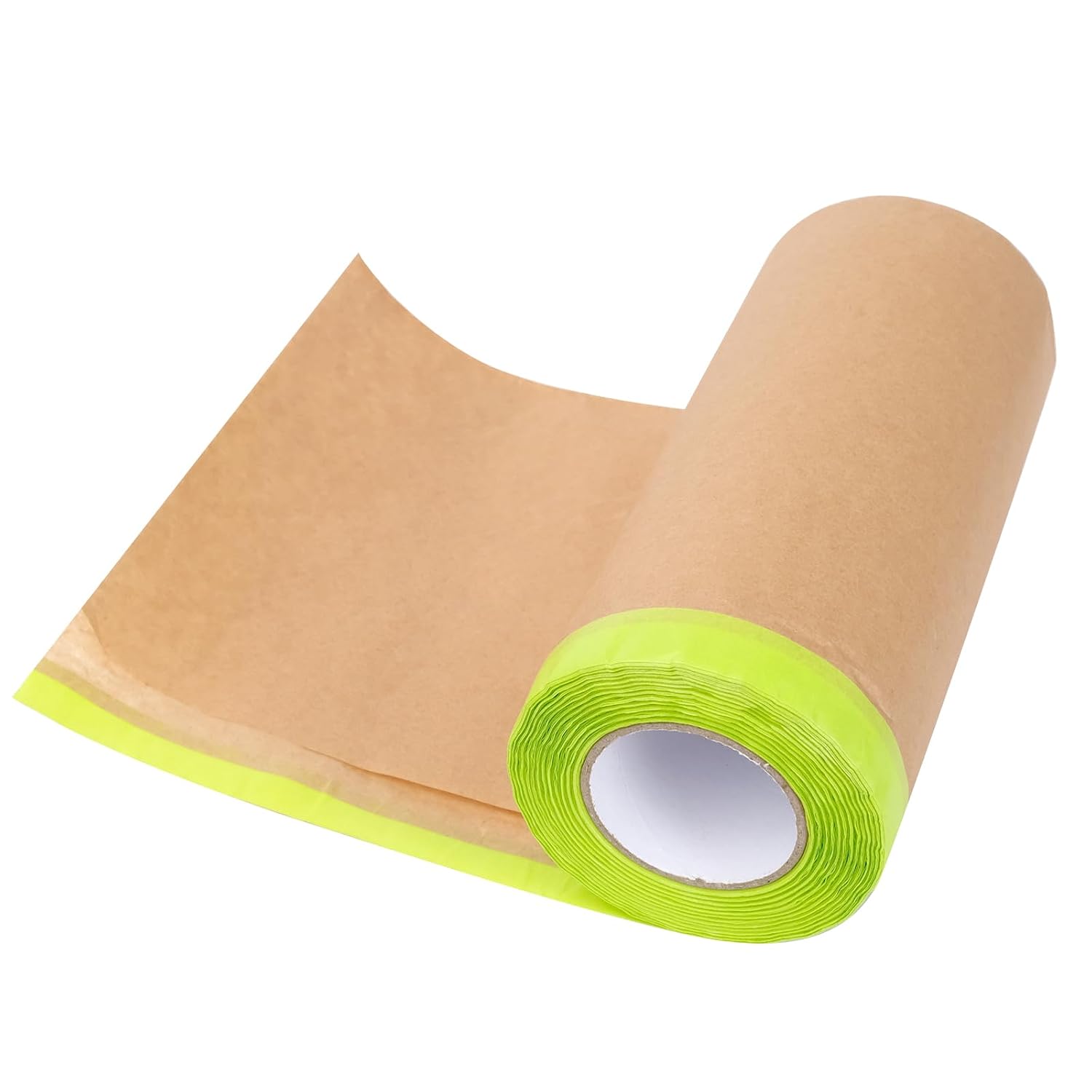
Kraft Masking Film Manufacturer
Kraft Masking Film is a protective masking material made from kraft paper, often with an adhesive edge for quick application. It helps shield floors, walls, furniture, and other surfaces from paint, dust, dirt, and overspray during decorating, renovation, and construction work. It is easy to use, cut, and remove after the job is complete.
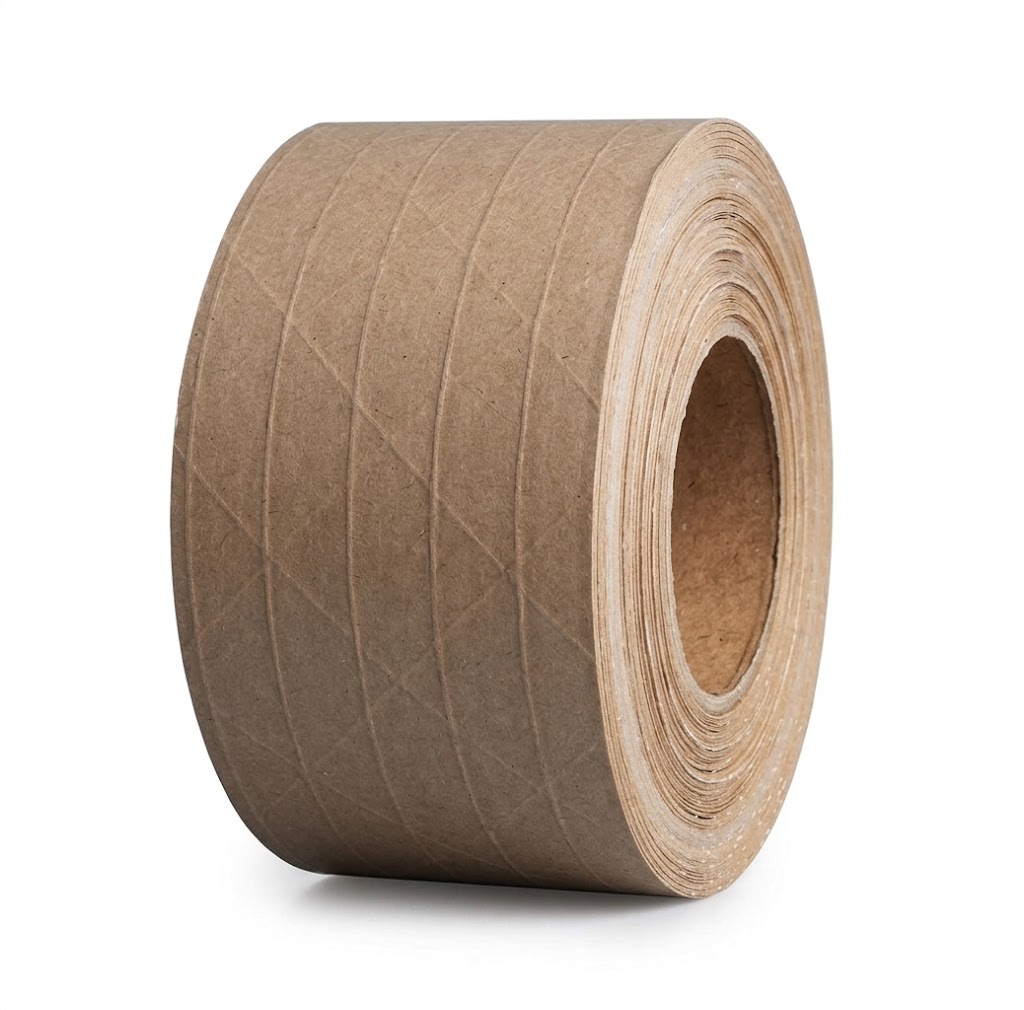
Reinforced Water-Activated Kraft Paper Tape Manufacturer
Reinforced Water-Activated Kraft Paper Tape is made from durable kraft paper reinforced with strong fibers and activated by water. It provides excellent adhesion, high tensile strength, and tamper-evident sealing, making it ideal for sealing cartons, heavy-duty packaging, and shipping boxes.
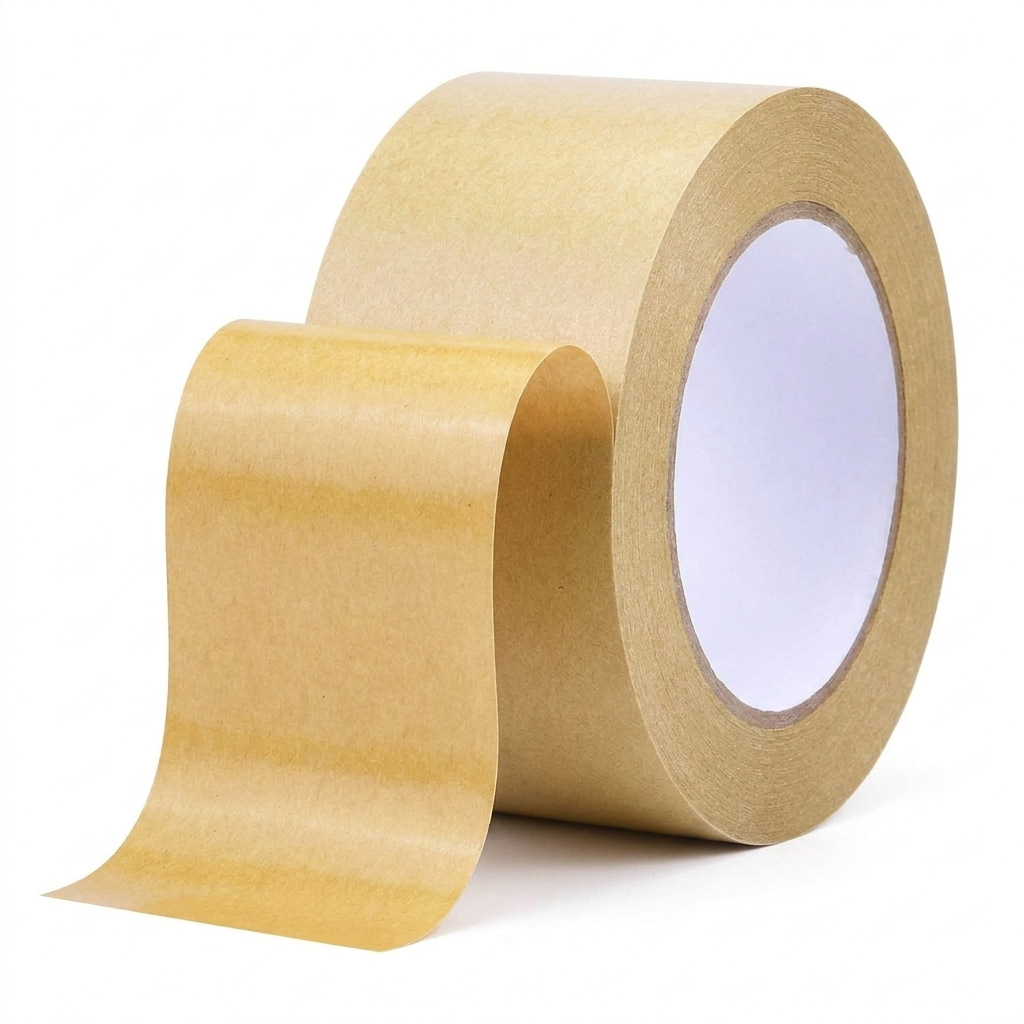
PE Self-Adhesive Kraft Paper Tape Manufacturer
PE Self-Adhesive Kraft Paper Tape is made from durable kraft paper laminated with a PE coating and a strong pressure-sensitive adhesive. It offers moisture resistance, excellent tear strength, and reliable adhesion, making it ideal for carton sealing, packaging, bundling, labeling, and general industrial use.
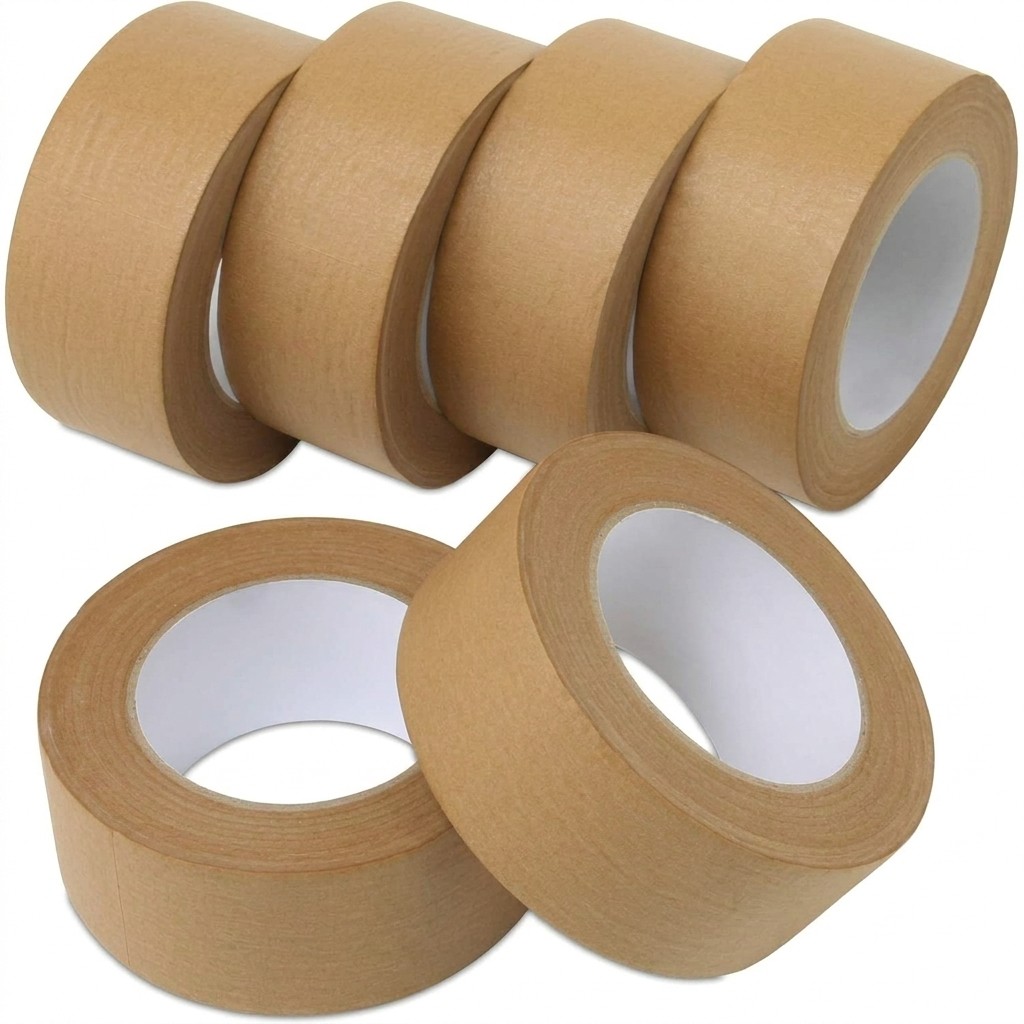
Kraft Paper Tape Manufacturer
Kraft Paper Tape is an eco-friendly adhesive tape made from durable kraft paper. It provides strong adhesion, easy tearability, and reliable sealing performance, making it ideal for carton sealing, packaging, labeling, crafts, and general office use.
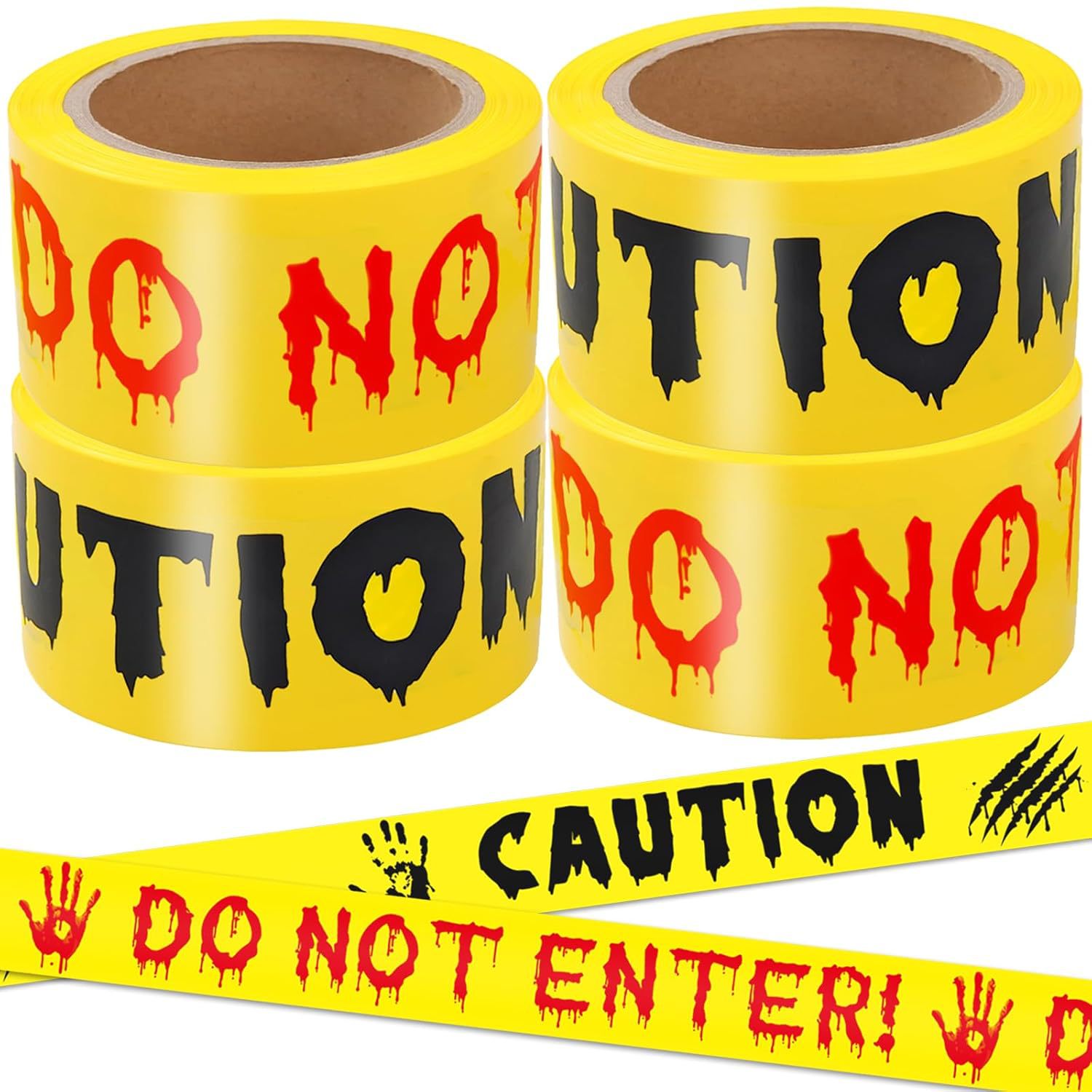
Halloween Caution Tape Manufacturer
Halloween Caution Tape is a festive decorative tape featuring spooky Halloween designs and caution-style lettering. It is ideal for decorating parties, haunted houses, windows, doors, yards, and event spaces, creating a fun and eye-catching atmosphere.
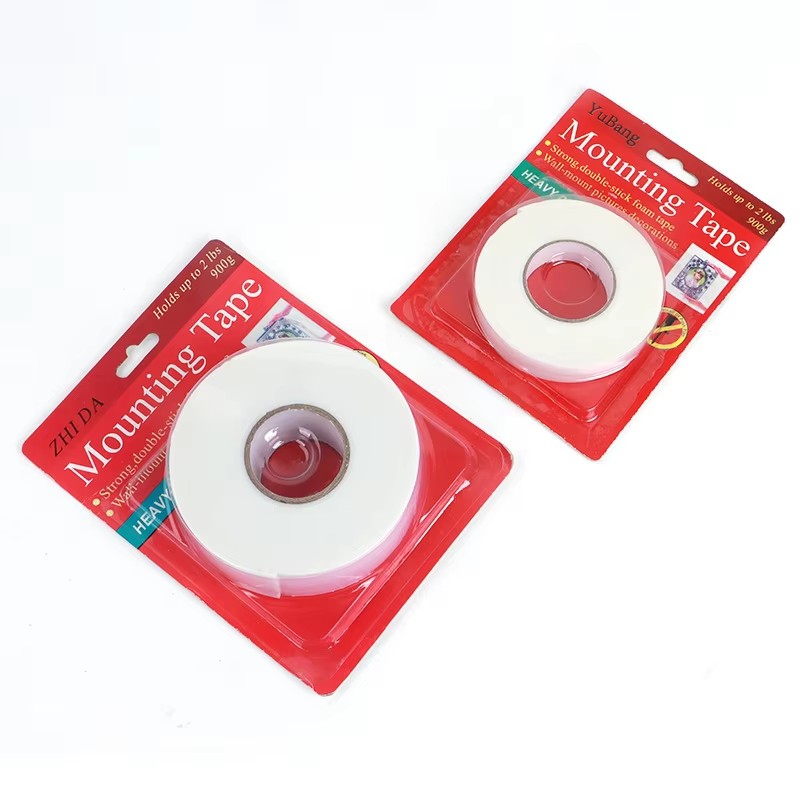
Mounting Tape Manufacturer
Mounting Tape is a strong double-sided adhesive tape designed for securely mounting and fixing items without screws or nails. It provides excellent adhesion, durability, and easy application, making it ideal for signs, decorations, hooks, frames, mirrors, and household or office accessories.