
-
Home

-
Blog
-
Industry News
- Self-Fusing Silicone Tape for Cable Insulation 2026 Sourcing Guide

Self-Fusing Silicone Tape for Cable Insulation 2026 Sourcing Guide
-
 author
 - 4,September
 author
 Electrification and the expansion of EV charging infrastructure are increasing the amount of electrical equipment that requires installation, inspection, and maintenance. Under the IEA’s current-policy scenario, more than 350 million charging points are expected to be added worldwide from 2026 through 2035, most of them in home and other private charging settings.
For electrical distributors, MRO suppliers, contractors, importers, and private-label buyers, this growth expands the installed base of equipment requiring installation, inspection, and maintenance. Cable protection and insulation therefore remain important parts of electrical maintenance sourcing.
Self-fusing silicone tape can be a practical option for cable-joint insulation and temporary outdoor wiring protection, but suitability depends on the cable system, application conditions, and technical requirements. The following sections focus on application fit, key specifications, material differences, supplier qualification, and bulk sourcing.
Where Self-Fusing Silicone Tape Fits in Cable Protection
Before price or roll size enters the discussion, define the job. Self-fusing silicone tape bonds to itself as it is stretched and wrapped rather than relying on a pressure-sensitive adhesive. That can help around bends and irregular joints, but it is not interchangeable with every electrical insulation tape or cable-repair system. Once the tape type fits, the next question is which specifications change the result.

Cable Joints and Temporary Outdoor Wiring
HONF self-fusing silicone tape uses a self-fusing silicone polymer for applications including cable-joint insulation, electrical repair, and temporary outdoor wiring protection. The stretched, overlapping layers fuse into a continuous wrap.
On a joint with changing diameter, that conformability can make wrapping easier. Test the sample on the actual cable or a representative joint rather than judging it by hand feel alone. Temporary protection, supplementary insulation, and a specified primary-insulation system are different jobs.
When Another Electrical Tape Makes More Sense
PVC electrical tape, rubber splicing tape, cable-jacket repair products, and self-fusing silicone tape can serve different functions. A defined voltage class, flame requirement, cable termination system, or project approval may call for another construction.
Broad labels such as waterproof electrical tape and electrical insulation tape cover products with different materials and ratings. Match the exact product and documentation to the cable system before bulk approval.
Which Self-Fusing Silicone Tape Specifications Matter Most?
After application fit is clear, useful specifications are easier to separate from nice-to-have features. Stretch, overlap, width, roll length, material construction, and electrical role can affect field performance or purchasing cost. Headline figures only matter when the project requires them. Focus on parameters that change installation, compliance, performance, or total cost.

Stretch and Overlap Affect the Final Wrap
HONF’s application method uses roughly 1.5 times stretch with about half overlap while keeping tension reasonably even. The layers then self-fuse into an integrated wrap.
If technicians struggle to maintain tension, installation takes longer and the finished layer can become uneven. Wrap a representative cable, work around bends and diameter changes, and check whether the tape can be applied consistently.
Match Electrical Requirements to the Cable System
One insulation value does not prove that a tape fits every electrical system. Cable type, voltage class, insulation function, exposure conditions, and project requirements determine which technical information matters.
“Self-fusing” also covers different material systems. Commercial self-amalgamating electrical products include silicone, EPR, IIR, and other elastomer constructions. If a project calls for a defined rating, standard, or approved cable system, request documentation for the exact SKU.
Width and Roll Length Affect Installation and Unit Cost
HONF provides common widths of 12 mm, 19 mm, and 25 mm, with roll lengths of 1 m, 3 m, and 5 m. Multiple colors are also available.
Width affects wrapping control and coverage. Roll length affects consumption and cost per job. Color can help with identification, but it is not a performance requirement for every project.
For distributors, stocking the sizes customers repeatedly use matters more than carrying every option. Dimensions are easy to compare; material terminology is less straightforward.
Self-Fusing Silicone Tape vs. Self-Amalgamating Tape
In international sourcing, self amalgamating tape and self-fusing tape can refer to products with different elastomer constructions. Similar names can hide differences that affect installation, service conditions, or documentation. That makes material identification an important part of quote comparison rather than a technical detail to check after the order.
Similar Wrapping Method, Different Material Systems
Self amalgamating tape may use silicone, EPR, IIR, or another rubber-based system. Current industrial electrical-tape ranges include both silicone and EPR self-amalgamating constructions. These products can all form a continuous layer after wrapping, yet they are not automatically equivalent.
Put material construction near the top of the comparison sheet, then check electrical role, environmental exposure, stretch behavior, and required documentation. The useful question is whether the construction fits the cable and the intended job.
Silicone Is an Option, Not an Automatic Upgrade
Silicone can be a good fit where flexibility, conformity, and self-fusing behavior suit the application. Another job may need a specific rubber splicing system or a different cable-repair product.
A higher temperature claim, extra colors, or a more expensive material only creates value when it solves a real requirement. Features without a use case add cost. Once material fit is settled, price becomes meaningful—but only when the quotes are comparable.
What Can Make a Low-Cost Tape Expensive?
Roll price is visible on every quote. Labor, waste, rework, complaints, and repeat qualification are not. Poor handling or unsuitable dimensions can erase a small unit-price saving quickly. Cost per usable installation is often more useful than price per roll.
That is especially relevant for distributors buying repeat stock rather than a few rolls for one repair.
Poor Surface Prep and Uneven Wrapping Increase Rework
For HONF’s silicone tape, the application area needs to be clean and dry, with oil and dust removed before wrapping. Consistent stretch and overlap also matter.
Sample approval can check handling, selected width, conformity, and tension control. Use the actual cable or a representative joint and follow the intended wrapping method.
Requalification Matters When the Job Changes
One approved sample does not cover every future application. Recheck the tape when cable construction, operating environment, required standard, or the agreed tape specification changes. A meaningful supplier-side construction change also warrants another sample comparison before the next bulk order.
HONF’s Wholesale & OEM Adhesive Tape Buying Guide provides a broader framework for sample approval, customization, packaging, and repeat-order planning.
How to Compare a Silicone Tape Supplier
Technical fit is only half of a repeat B2B order. The approved construction, dimensions, identification, and packaging also need to stay stable from shipment to shipment. A strong first sample has limited value if later production no longer matches what the buyer approved. That is the test of a silicone tape supplier.
Test the Actual Cable or Joint
Keep qualification close to the real job. Wrap the intended cable or representative joint, then check stretch, handling, conformity around bends, overlap consistency, and relevant exposure conditions.
Confirm technical documentation for the exact SKU at the same stage. A mandatory standard or project approval needs to be resolved before volume purchasing.
Compare Repeat Supply and OEM Capability
HONF supports OEM/ODM and custom manufacturing, including product development, lower-MOQ orders, customized products and packaging, and worldwide delivery.
Lower starting quantities can reduce opening inventory while a private-label line is being tested, and custom packaging can fit an existing brand. On repeat orders, consistency matters more than the first sample.
When comparing a self-fusing tape manufacturer or silicone tape supplier, ask how specification changes are communicated before production.
Build an RFQ Around the Application
Give each silicone tape supplier the same purchasing brief:
- Cable or joint application
- Required width and roll length
- Installation and exposure conditions
- Required technical documents or standards
- Trial quantity and expected annual volume
- Color or private-label packaging needs
- Destination market
Comparable input produces more comparable quotes and makes it easier to spot a lower price based on a different material, roll length, documentation scope, or packaging specification.
Conclusion
Choosing self-fusing silicone tape for cable insulation starts with the cable, the function of the wrap, and the conditions around it. Stretch behavior, material construction, dimensions, electrical requirements, documentation, and repeat-order consistency all affect the purchasing decision. The same discipline applies to self amalgamating tape: similar names can describe different material systems.
For electrical distributors, MRO buyers, contractors, and private-label importers, a representative sample is the practical place to start. For cable-joint insulation, temporary outdoor wiring protection, or an OEM silicone-tape program, send HONF the application, dimensions, destination market, packaging needs, and expected volume to request a sample and quotation.
FAQ
Q1: What is the difference between self-fusing silicone tape and standard electrical tape?
A: Self-fusing silicone tape bonds to itself during stretching and wrapping rather than relying on a pressure-sensitive adhesive. Standard electrical tapes use other constructions for different insulation and protection tasks.
Q2: Is self amalgamating tape the same as self-fusing silicone tape?
A: Not always. Self amalgamating tape is a broader market term and can describe silicone, EPR, IIR, or other elastomer systems. Confirm the material and intended electrical use before treating two products as equivalents.
Q3: What specifications matter most when sourcing self-fusing silicone tape?
A: Focus on application, material construction, wrapping behavior, electrical documentation, exposure conditions, width, roll length, and repeat-order consistency.
Q4: Can self-fusing silicone tape be used for outdoor cable joints?
A: It can fit some outdoor cable-joint applications when the exact product and project requirements match. HONF’s current product includes cable-joint insulation and temporary outdoor wiring protection among its intended uses.
Q5: How do I qualify a silicone tape supplier before a bulk order?
A: Test a representative sample on the actual cable or joint, then compare dimensions, technical documents, MOQ, lead time, packaging, repeat-order consistency, and how specification changes are handled.
Recent Post



Related Products
Best-selling Products
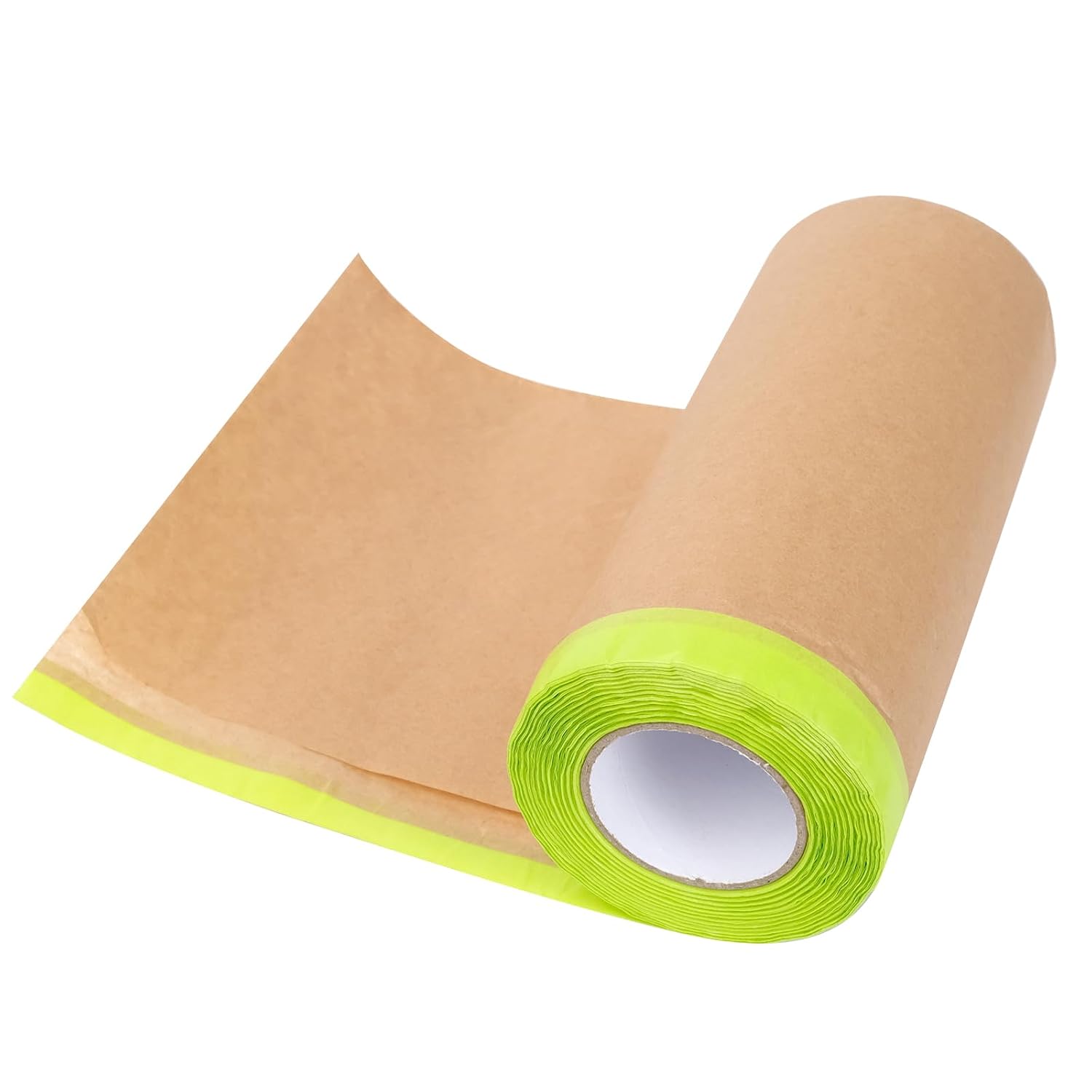
Kraft Masking Film Manufacturer
Kraft Masking Film is a protective masking material made from kraft paper, often with an adhesive edge for quick application. It helps shield floors, walls, furniture, and other surfaces from paint, dust, dirt, and overspray during decorating, renovation, and construction work. It is easy to use, cut, and remove after the job is complete.
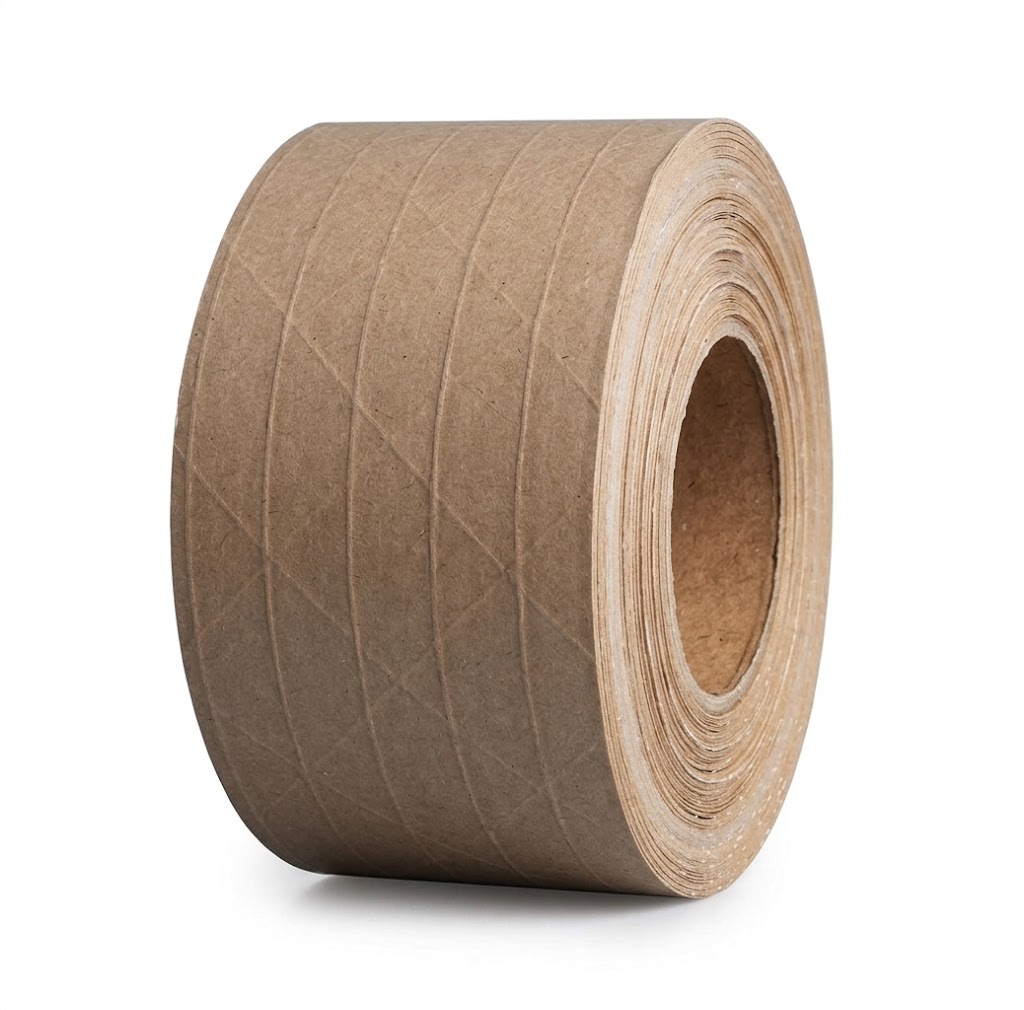
Reinforced Water-Activated Kraft Paper Tape Manufacturer
Reinforced Water-Activated Kraft Paper Tape is made from durable kraft paper reinforced with strong fibers and activated by water. It provides excellent adhesion, high tensile strength, and tamper-evident sealing, making it ideal for sealing cartons, heavy-duty packaging, and shipping boxes.
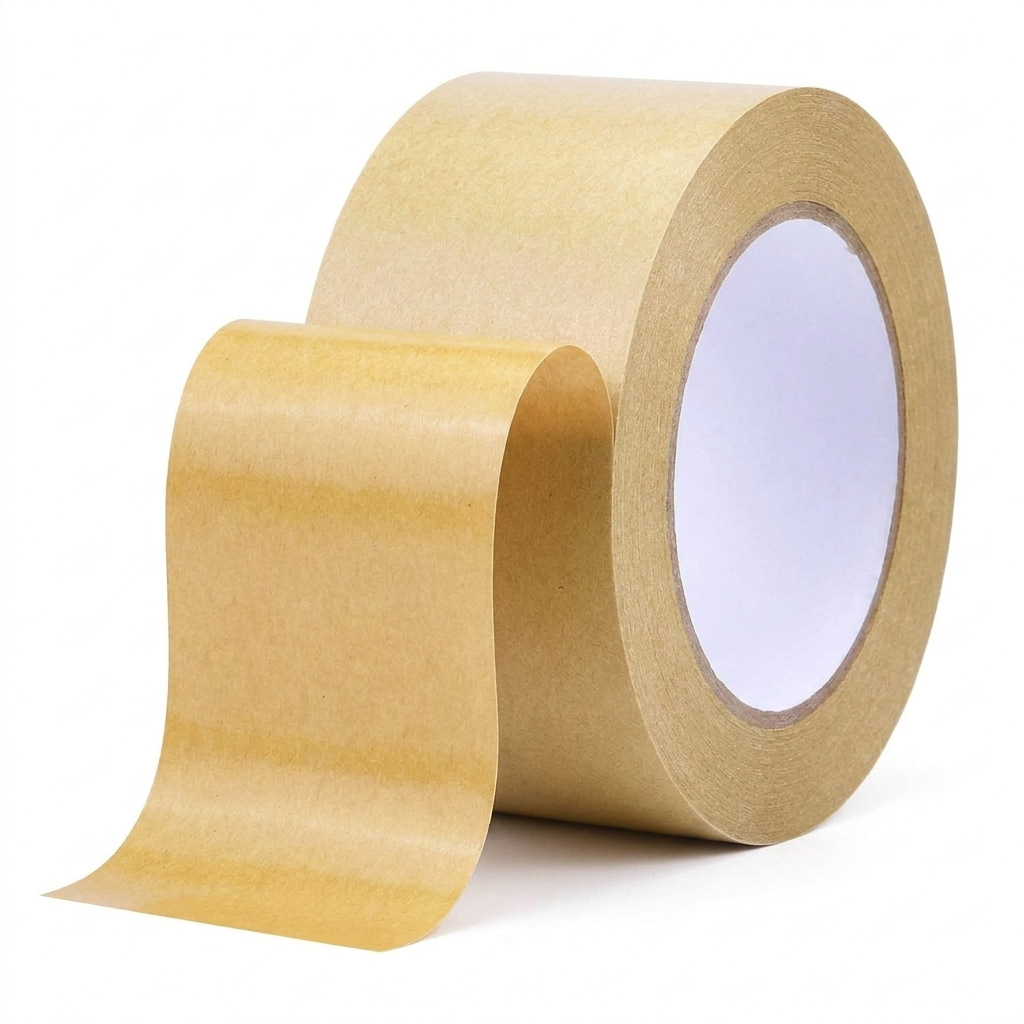
PE Self-Adhesive Kraft Paper Tape Manufacturer
PE Self-Adhesive Kraft Paper Tape is made from durable kraft paper laminated with a PE coating and a strong pressure-sensitive adhesive. It offers moisture resistance, excellent tear strength, and reliable adhesion, making it ideal for carton sealing, packaging, bundling, labeling, and general industrial use.
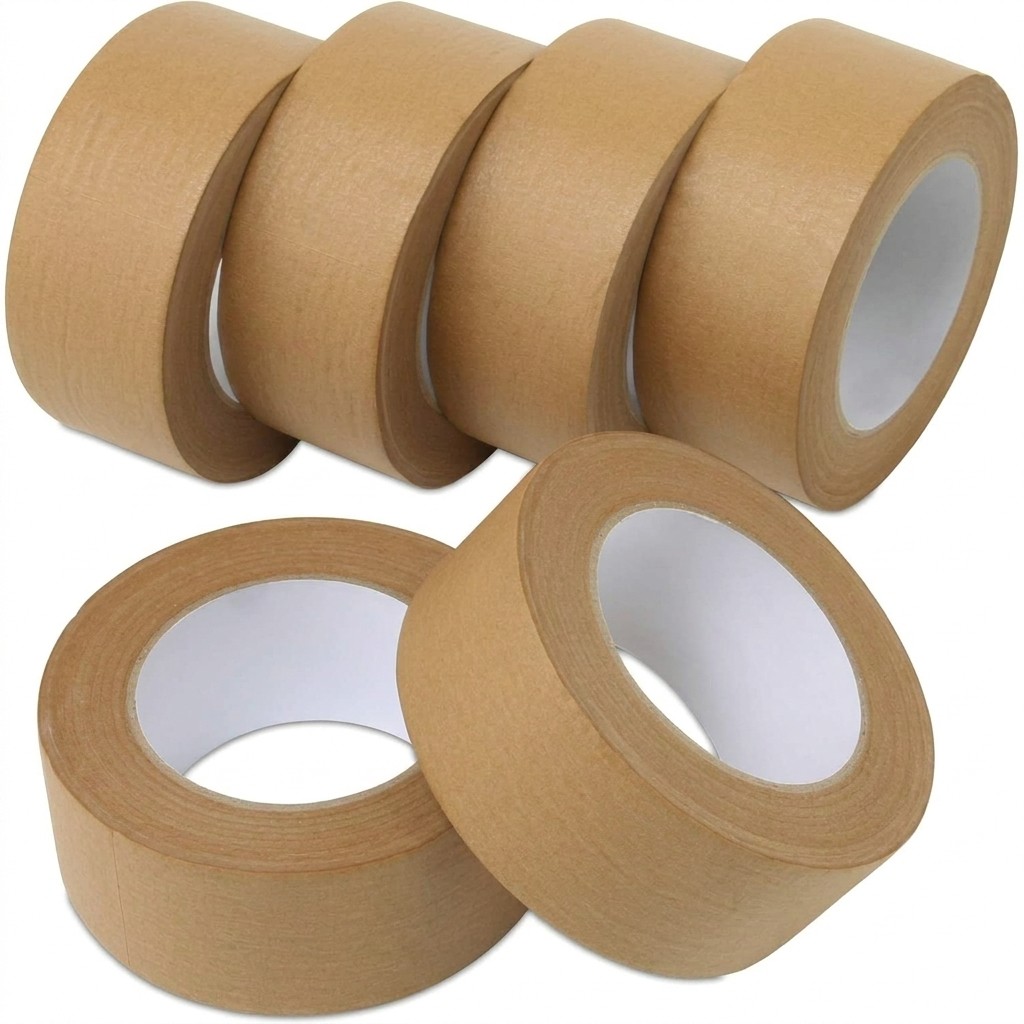
Kraft Paper Tape Manufacturer
Kraft Paper Tape is an eco-friendly adhesive tape made from durable kraft paper. It provides strong adhesion, easy tearability, and reliable sealing performance, making it ideal for carton sealing, packaging, labeling, crafts, and general office use.
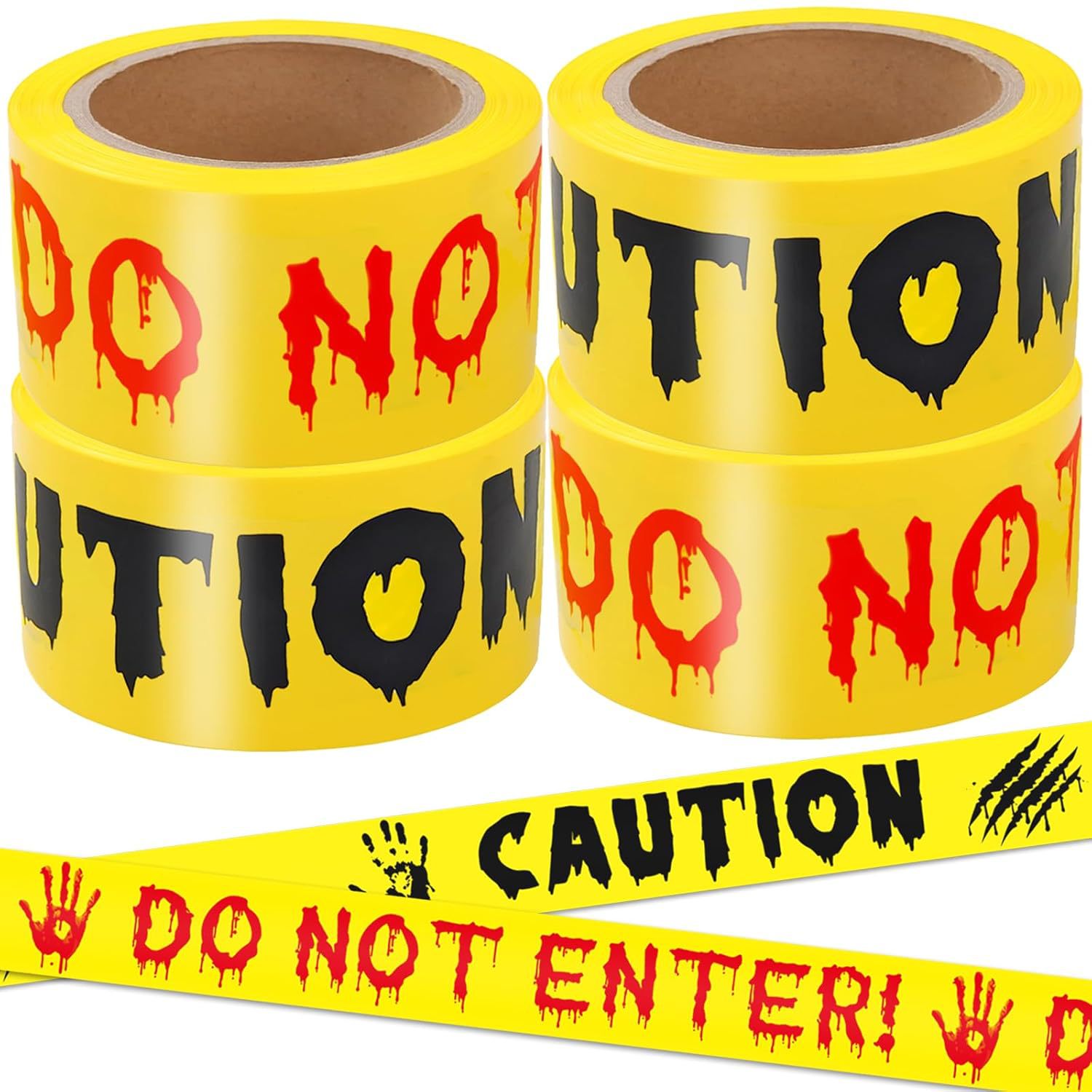
Halloween Caution Tape Manufacturer
Halloween Caution Tape is a festive decorative tape featuring spooky Halloween designs and caution-style lettering. It is ideal for decorating parties, haunted houses, windows, doors, yards, and event spaces, creating a fun and eye-catching atmosphere.
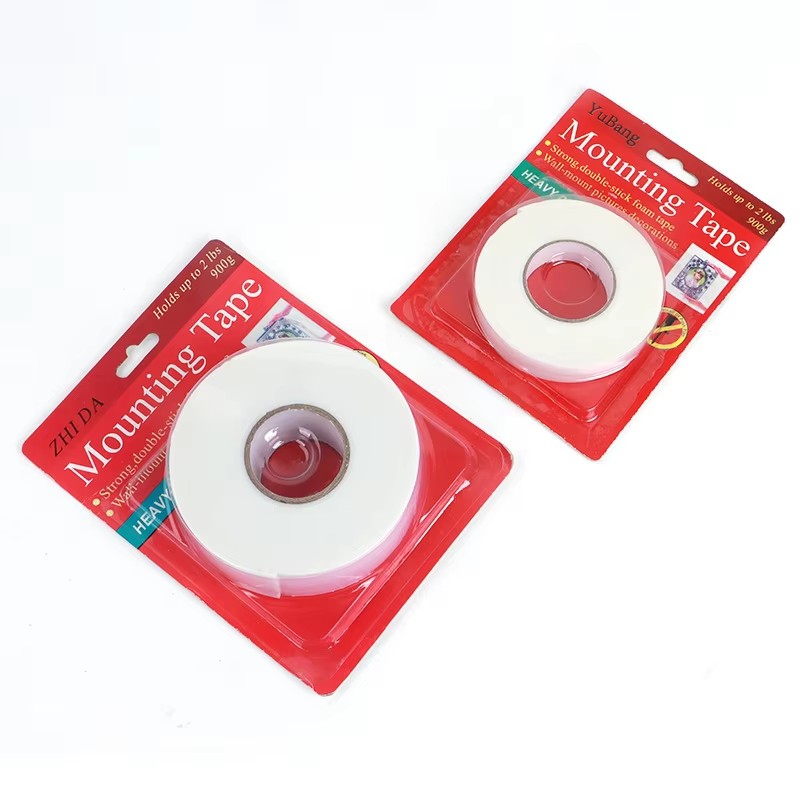
Mounting Tape Manufacturer
Mounting Tape is a strong double-sided adhesive tape designed for securely mounting and fixing items without screws or nails. It provides excellent adhesion, durability, and easy application, making it ideal for signs, decorations, hooks, frames, mirrors, and household or office accessories.