
-
Home

-
Blog
-
Industry News
- Butyl Waterproof Tape for Metal Roof Leak Repair: A No-Torch Sealing Guide for Roofers
Butyl Waterproof Tape for Metal Roof Leak Repair: A No-Torch Sealing Guide for Roofers
-
 author
 - 28,May
Metal roof leaks often begin quietly. A small gap along a panel seam, a loose screw line, a roof ridge opening, or a skylight edge may let in enough rainwater to stain insulation, damage stored goods, or trigger another service call. For roofing contractors, building material wholesalers, and maintenance product buyers, the real issue is not only stopping the leak. The repair also needs to be fast, clean, and practical on site.
That is why butyl waterproof tape has become a useful product for metal roof leak repair. It gives roofers a self-adhesive sealing method that does not require torch work, hot-melt tools, or complicated equipment. On small and medium repair jobs, this can make a clear difference.
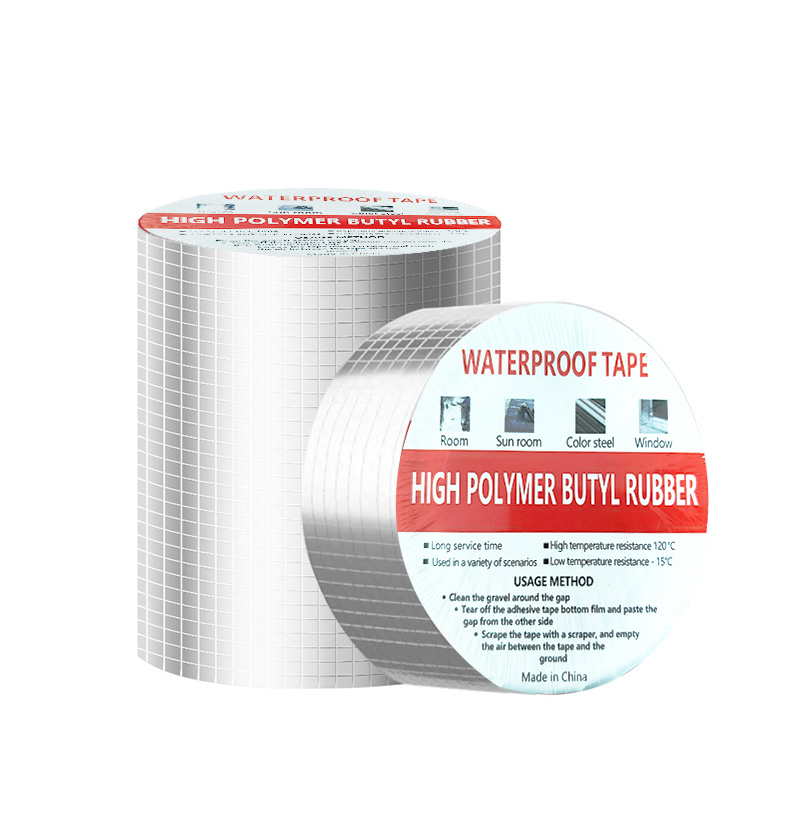
HONF Tape manufactures butyl waterproof tape with a pure butyl rubber layer and a high-strength aluminum foil surface. The tape is made for waterproof sealing in construction, home repair, transportation, and industrial maintenance. Its main selling points include strong adhesion, water resistance, heat resistance, UV resistance, aging resistance, and outdoor durability.
Why Metal Roofs Start Leaking
Small Movement Creates Real Roof Problems
Metal roofing moves every day. Sun, wind, rain, and temperature changes cause the panels to expand and contract. The movement may be slight, but it can slowly open seams, weaken old sealant, and loosen fasteners. Once water enters through one small point, it may travel under the panel before showing up inside the building.
This is why roof leak diagnosis is not always simple. A drip in a warehouse may come from a panel overlap several feet away. A stain near a wall may be linked to a roof ridge gap, an HVAC duct joint, or an aging flashing detail. For roofers, a repair material must do more than cover the visible crack. It needs to stay bonded while the roof keeps moving.
Fasteners and Roof Penetrations Are Common Weak Points
Many metal roof leaks happen around screws, skylights, chimneys, vents, AC pipe openings, and roof edge flashing. These areas break the flat roof surface, so they collect more stress and water. Over time, ordinary sealant may dry out, shrink, or pull away from galvanized steel, aluminum, concrete, PVC, glass, or other building surfaces.
HONF butyl waterproof tape is designed for many of these repair points. It can be used on roofs, glasshouses, color steel sheet roofing, sunrooms, roof ridge gaps, exterior window edges, exterior wall cracks, and similar sealing areas. This wide application range is useful for distributors that sell to roof repair contractors, building maintenance teams, and waterproofing product retailers.
Why Butyl Waterproof Tape Is Suitable for No-Torch Roof Repair
A Cleaner Method for On-Site Repairs
Hot-work repair is not always the best choice on a metal roof. Some buildings restrict open flame. Some jobs are too small for heavy tools. In other cases, the contractor simply needs a faster way to handle a leak before the next rainfall.
Butyl waterproof tape fits this kind of job because the application process is straightforward. The worker cleans the surface, cuts the tape to the right length, removes the release liner, places the tape over the leak area, and presses it firmly. According to HONF’s product guidance, no primer is required. That makes the product easier to carry, easier to explain, and easier to sell through wholesale and hardware channels.
Butyl Rubber Seals While Aluminum Foil Protects
The structure of the tape is important. HONF butyl waterproof tape uses a metal foil surface, a butyl rubber layer, and an anti-stick liner. The butyl rubber creates the sealing body, while the aluminum foil surface gives the repair area extra protection against outdoor exposure.
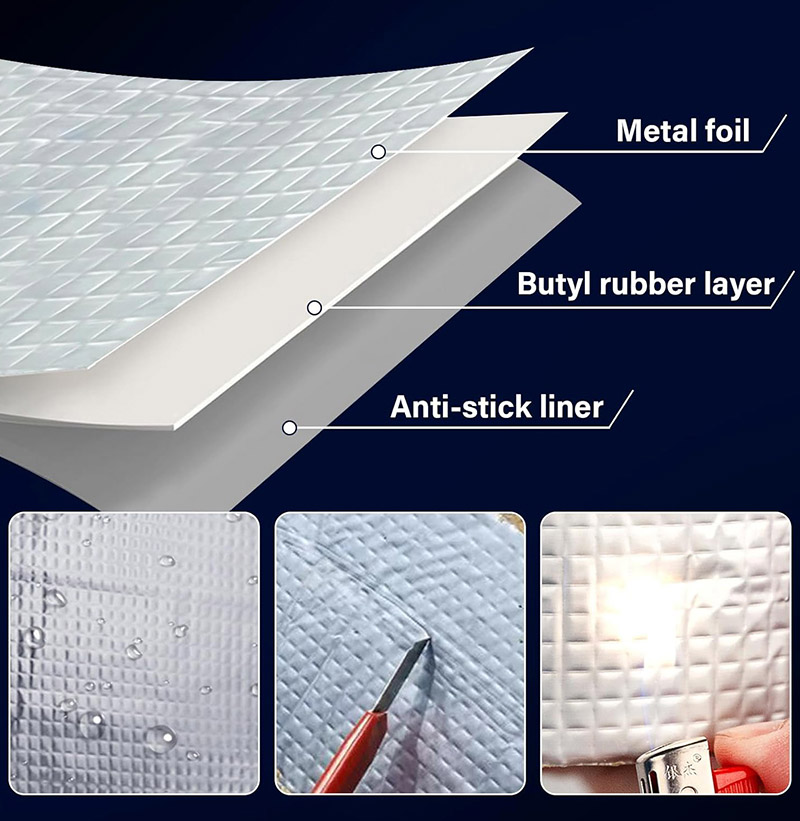
This structure is valuable on metal roof seam sealing, screw line repair, roof crack repair, skylight base sealing, chimney flashing repair, and gutter joint waterproofing. A single roll can serve several roof maintenance needs. For B2B buyers, that means one product can cover many customer requests instead of sitting on the shelf as a narrow-use item.
Where Roofers Can Use Butyl Waterproof Tape on Metal Roofs
Panel Seams, Screw Lines, and Ridge Gaps
Panel seams are one of the first places roofers should check when water enters a metal building. If the seam has opened or the old sealant has failed, butyl waterproof tape can be applied over the joint. The tape should cover both sides of the problem area, not only the visible crack.
Screw lines are another frequent repair point. Rubber washers around screws can harden with age. Fasteners may also loosen after years of roof movement. In these cases, roof repair tape can cover the weakened area and form a new waterproof barrier.
Roof ridge gaps need attention as well. Wind-driven rain often reaches the ridge before other parts of the roof. On storage sheds, agricultural buildings, factories, and prefabricated metal structures, ridge sealing can prevent repeat leaks during heavy weather.
Skylights, Chimneys, HVAC Vents, and Roof Edges
Skylights and chimney bases are difficult because they include corners, edges, and uneven transitions. HVAC vents, duct joints, and AC pipe openings bring similar problems. A sealing product used around these details must conform to the surface and hold its edge after pressing.
HONF’s butyl waterproof tape is also suitable for HVAC duct joints, vents, and AC pipe protection. This gives wholesalers a stronger product story. Buyers are not only looking for “waterproof tape.” They often search for more specific answers, such as waterproof tape for roof leaks, butyl tape for flashing, metal roof seam tape, roof repair tape for skylights, or sealing tape for color steel sheet roofing.
How to Apply Butyl Waterproof Tape for a Better Seal
Clean and Dry the Surface Before Application
Surface preparation decides much of the final result. Dust, oil, standing water, rust flakes, and old broken sealant can reduce bonding strength. Before applying the tape, the repair area should be cleaned carefully and kept dry. Loose material should be removed so the tape bonds to a stable surface rather than a weak layer.
This step may sound basic, but it often separates a short-term patch from a longer-lasting repair. Roofers and distributors should explain this clearly to end users, especially when the product is sold for DIY or emergency leak repair.
Choose Enough Width and Press the Edges
For metal roof crack repair, the tape should be wider than the damaged line. A narrow strip may hide the leak at first, but it can fail at the edges after rain, heat, or panel movement. Wider tape gives better coverage around seams, flashing, and screw rows.
After the release liner is removed, the tape should be pressed directly onto the target area. Hand pressure may work for small repairs, while a roller is better for wider rolls and uneven metal surfaces. The edges need firm contact. HONF’s application guidance also recommends avoiding powerful water flow during the first 24 hours after treatment, which helps the tape settle into stronger contact with the substrate.
What B2B Buyers Should Check Before Ordering
Performance Across Common Building Surfaces
A butyl waterproof tape supplier should provide product details that match real jobsite conditions. Buyers should check whether the tape can bond to galvanized steel, aluminum, concrete, masonry, tiles, glass, PVC, EPDM rubber, fiberglass, wood, and gypsum board. HONF lists broad surface compatibility across these materials, which is useful for mixed repair markets.
Outdoor resistance also matters. HONF reports a temperature resistance range from -40°C to 80°C and describes the tape as resistant to UV, salt spray, humidity, dry weather, acid, alkali, and solvent exposure. These details help buyers choose the product for hot roofs, cold regions, coastal areas, and industrial maintenance environments.
Factory Capacity and Custom Supply
Yiwu Hongfu Adhesive Products Co., Ltd. is based in Yiwu, Zhejiang, China. The company has more than 9,000 square meters of factory space and production equipment that includes high-speed coating lines, slitting machines, printing machines, and automatic packaging machines. HONF exports to more than 80 countries and holds ISO 9001:2008 and ISO 14001:2004 certifications.
For importers, hardware chains, roofing repair brands, and building material distributors, these factory details matter. Bulk supply, stable production, custom roll sizes, retail packaging, private label options, and OEM waterproof tape orders all depend on manufacturing control. A strong product is important, but dependable supply is what keeps repeat orders moving.
Conclusion
Butyl waterproof tape gives roofers and B2B buyers a practical way to handle metal roof leak repair without torch work. It can be used for roof seam sealing, fastener hole repair, roof ridge gap waterproofing, skylight sealing, chimney flashing repair, HVAC duct joint sealing, and color steel sheet roofing repair. With a butyl rubber sealing layer, aluminum foil protection, broad surface compatibility, and outdoor resistance, HONF butyl waterproof tape fits many construction and maintenance markets. For buyers sourcing bulk waterproof tape, OEM packaging, or custom roll sizes, HONF Tape offers a product line built around real leak repair needs.
FAQs
Q1: Why is my metal roof leaking around the screws?
A1: A metal roof may leak around screws when rubber washers age, fasteners loosen, or the sheet moves after years of heat and cold cycles. Water can enter through very small gaps. Butyl waterproof tape can cover screw lines and create a sealing layer over the weakened area when the surface is clean and dry.
Q2: Can butyl waterproof tape stop a metal roof leak without a torch?
A2: Yes. Butyl waterproof tape is a self-adhesive sealing product, so it can be applied without flame, hot-melt tools, or special heating equipment. The tape is cut to size, placed over the leak area, and pressed firmly to form contact with the roof surface.
Q3: What surfaces can HONF butyl waterproof tape stick to?
A3: HONF butyl waterproof tape is suitable for many construction and repair surfaces, including galvanized steel, aluminum, concrete, masonry, tiles, glass, PVC, EPDM rubber, fiberglass, wood, and gypsum board. This makes it useful for roofers, hardware wholesalers, waterproofing product distributors, and maintenance teams.
Q4: How long should the roof stay dry after applying butyl waterproof tape?
A4: The repaired area should avoid powerful water flow during the first 24 hours after application. This gives the tape more time to settle against the surface, especially around edges, seams, flashing details, and screw lines.
Q5: What should buyers check before sourcing butyl waterproof tape in bulk?
A5: B2B buyers should check tape width, thickness, aluminum foil quality, adhesion performance, temperature resistance, UV resistance, surface compatibility, roll length, packaging style, MOQ, and factory supply capacity. For private label or wholesale channels, custom packaging and stable production are also important.
Recent Post



Related Products
Best-selling Products
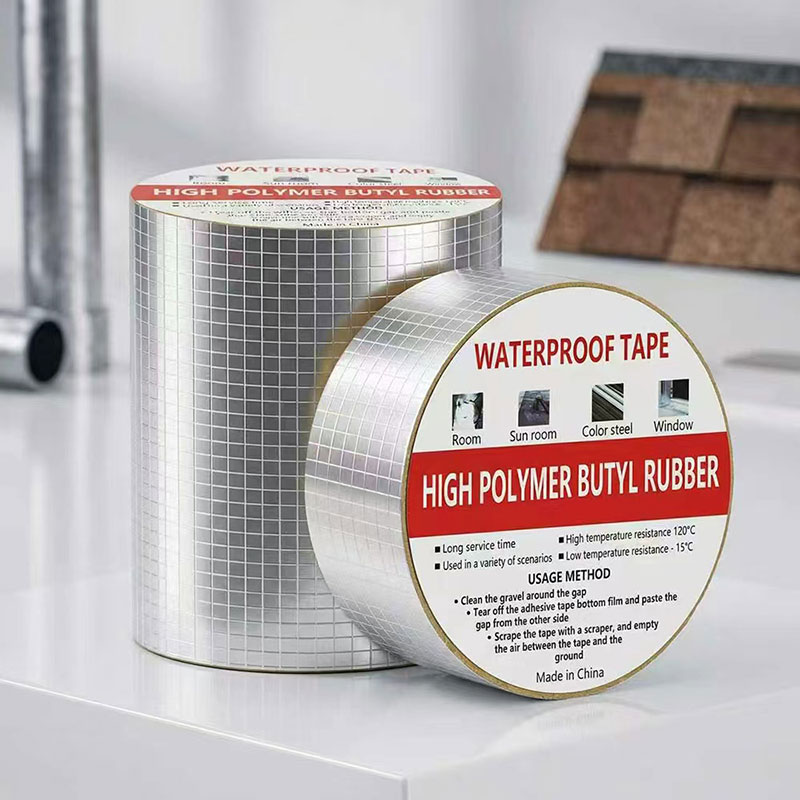
Aluminum Foil Butyl Waterproof Tape Manufacturer
Aluminum Foil Butyl Waterproof Tape has strong adhesion and great weather resistance. It is an ideal sealing material for roof leakage repair and gap waterproofing.

Butyl Deck Joist Tape Manufacturer
Joist Tape for Decking, Waterproof Butyl Tape
Weather Resistanceand Anti-Corrosion, Self-Adhesive Deck Joist Tape for Wood Joists Decks Beams Roof Extend Deck Life
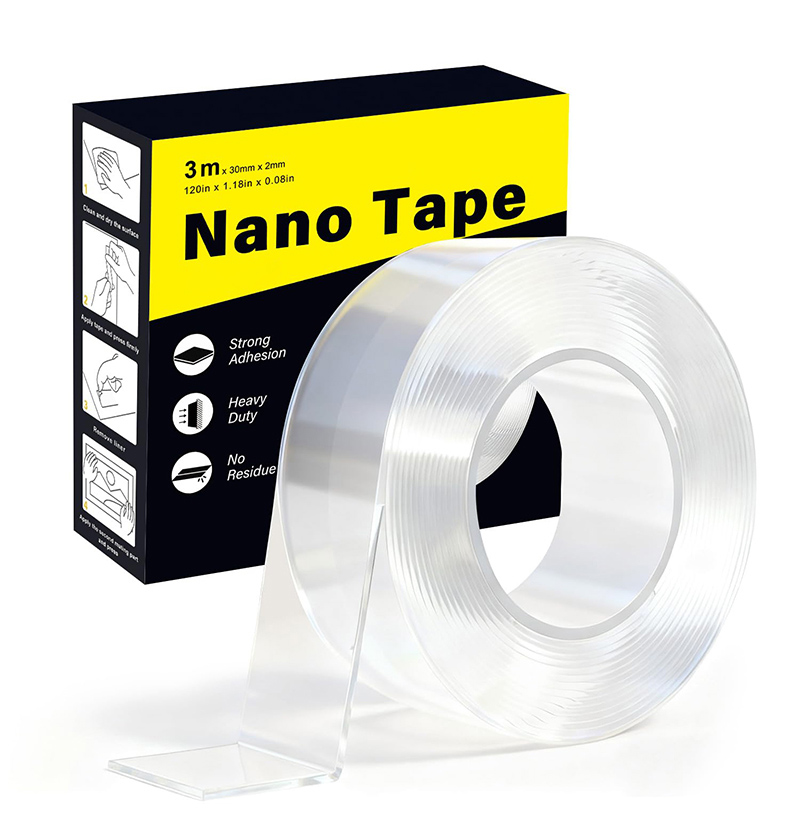
Nano Tape Manufacturer
Nano double-sided tape uses acrylic PSA. Strong adhesion on smooth hard surfaces, low residue after removal for small object fixing.
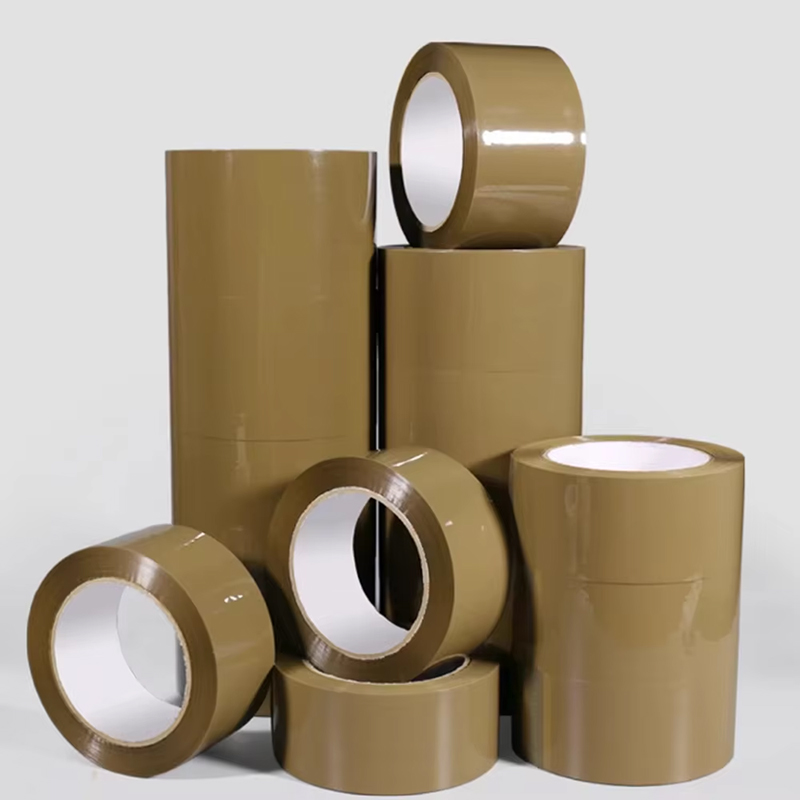
Brown Low Noise BOPP Packing Tape Manufacturer
Brown low noise BOPP packing tape with water-based acrylic adhesive. Smooth unwinding, strong holding for carton sealing.
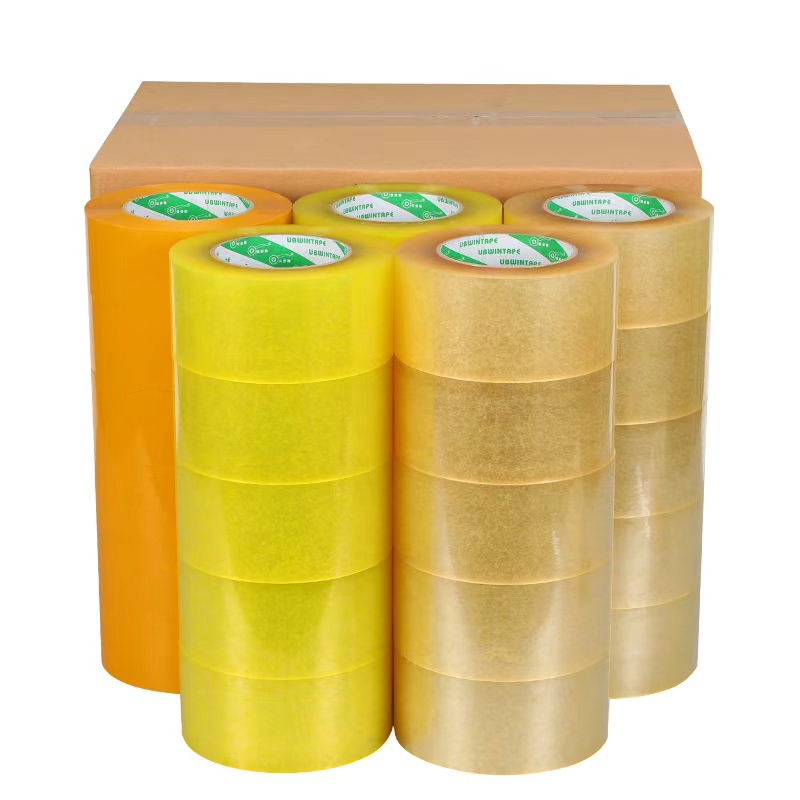
BOPP Packing Tape Manufacturer
BOPP packing tape with acrylic adhesive, strong adhesion for carton sealing.
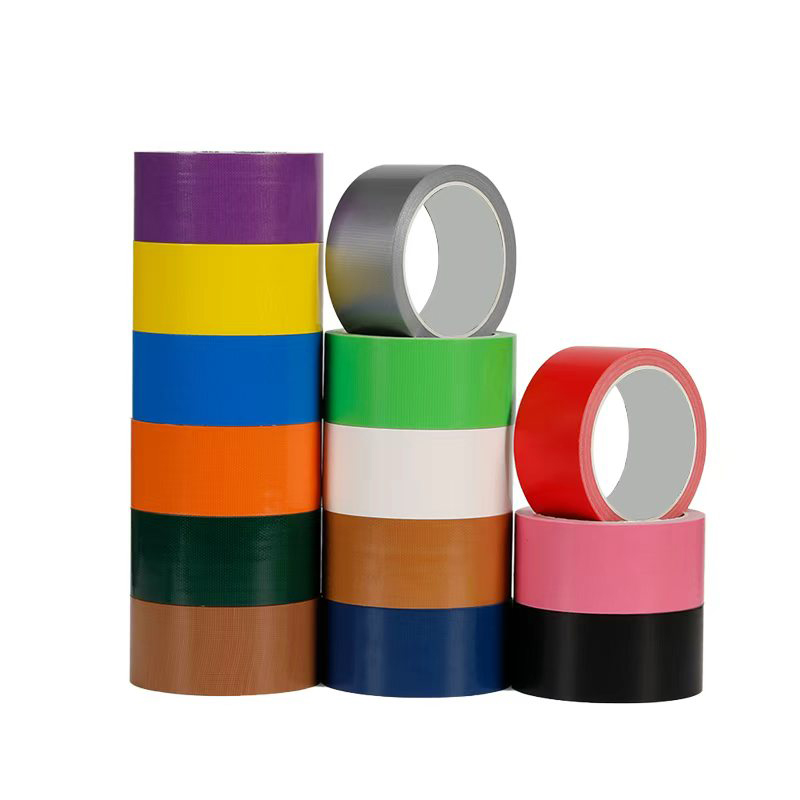
Duct Tape Manufacturer
Duct tape is a strong, waterproof cloth-backed adhesive tape with good tensile strength, widely used for repairing, bundling and sealing.