
-
Home

-
Blog
-
Industry News
- How to Source Non-Abrasive Anti-Slip Tape for Bathroom Retail Programs

How to Source Non-Abrasive Anti-Slip Tape for Bathroom Retail Programs
-
 author
- 29,October
 author
A 50 mm roll may be easy to specify, yet leave the bathroom application unresolved. Wholesalers sourcing non-abrasive anti-slip tape for bathrooms need the tray or bath finish named, a sample checked for wet grip and adhesion, and an agreed interval before water exposure. Barefoot texture is one part of that review. The label also needs to explain preparation and the use the sample has passed.
The commercial question is straightforward. Can the selected roll be sold with a clear use description, installed without avoidable mistakes and reordered against the same specification? A useful bathroom range gives a retailer answers to those questions. A broad “bathroom safe” label, on its own, does not.
The bathroom finish belongs in the buying specification
A shower-tray enquiry becomes more useful with the material, finish and proposed strip positions attached. A photograph can explain the layout, while a representative surface lets the adhesive be assessed. For a curved section, the reviewer needs to look at edge contact. A firm-looking middle doesn’t answer whether the ends and sides are sitting properly against the finish.
HONF PEVA anti-slip tape pairs a flexible textured PEVA surface, without exposed mineral grit, with an oil-based acrylic pressure-sensitive adhesive. For a barefoot retail line, that gives the buyer a defined construction to sample. The proposed bath or tray finish still needs an adhesion trial; the material name cannot settle that part of the order.
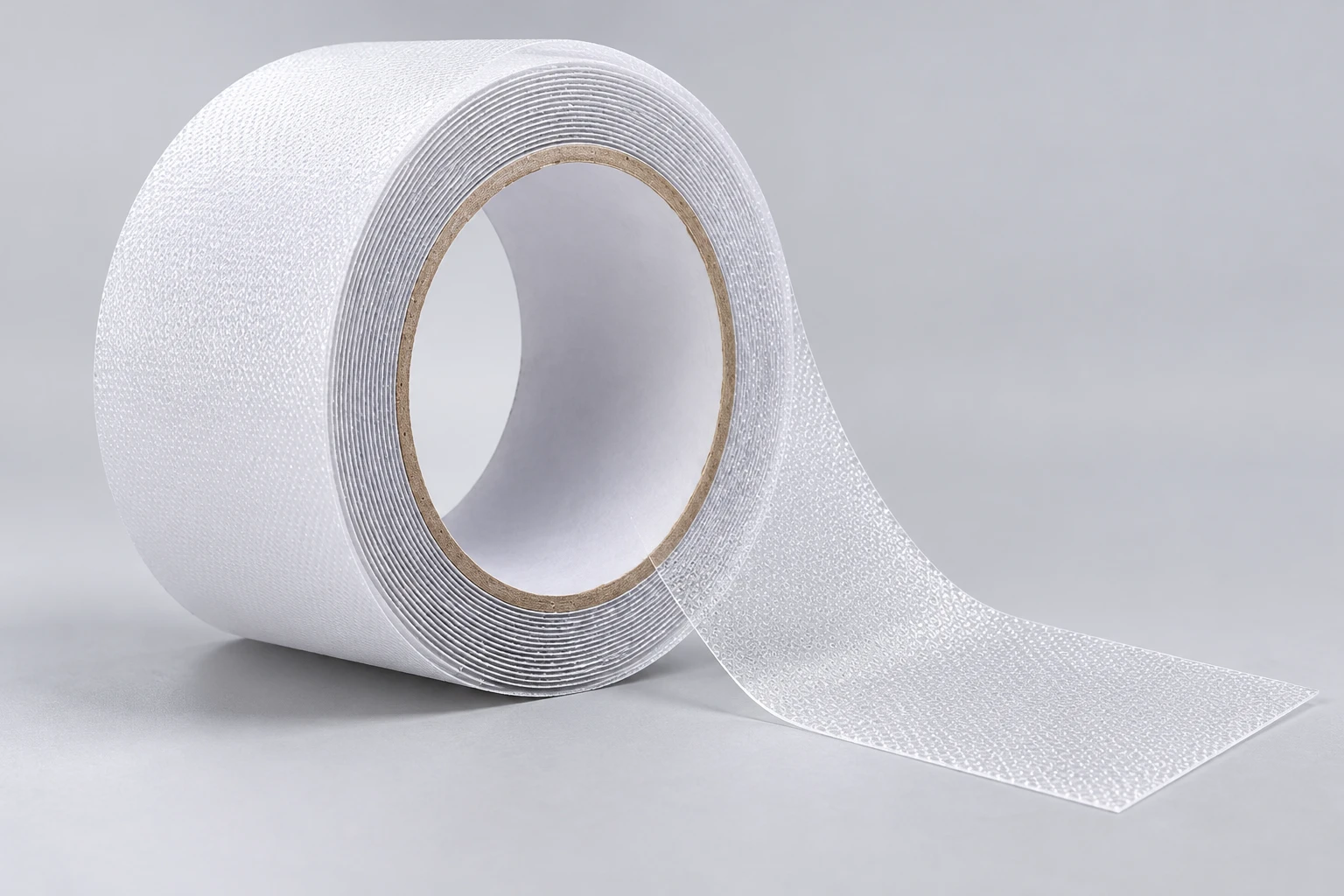
Two quotations describing a non-abrasive roll can still refer to different adhesives. The backing and adhesive therefore belong on the sample sheet, alongside the use description. An alternative can then be compared detail by detail. If its construction changes, the discussion is about which result needs checking again, rather than whether the rolls look similar enough to order.
The finish under the adhesive has to remain sound. With loose paint, the point of attachment is that paint layer; a stronger bond to it would not repair the surface beneath. Repair and preparation come first. Deep texture or persistent contamination also needs assessment, while standing water from poor drainage remains a separate problem for the site to address.
Give each roll size a clear retail purpose
An installation layout makes the width comparison tangible. The review can note where each piece sits, how much trimming is required and whether the edges lie flat. This is particularly useful when the planned listing illustrates placement. The layout then has an accepted basis, instead of being a pack designer’s guess about how the roll ought to be used.
HONF’s standard PEVA rolls measure 25, 50 or 100 mm across, with 5 m lengths and 0.8 mm thickness. If the broader piece needs awkward trimming around the proposed contact area, its extra material may add little value to that retail format.
A simple stock calculation illustrates the point. Cutting a 5 m roll into 0.4 m pieces would yield twelve complete pieces and a 0.2 m remainder before cutting losses. That is an illustrative material calculation, not a recommended safety layout or a promise of bathrooms covered. The accepted installation, and any allowance for rejected pieces, determines what can be claimed on the pack.
Retail naming also deserves a check. If the catalogue contains several anti-slip constructions, “bathroom” and “barefoot” need to lead to the correctly qualified item. An image or a general category label may not explain the distinction. Clear material and use descriptions help a retailer avoid treating nearby products as interchangeable during ordering or customer enquiries.
Two acceptance results are needed from the sample
Grip and attachment are different acceptance questions. The exposed surface can behave as intended while an edge begins lifting; a securely attached strip may still fail the buyer’s contact requirements. A sample review that records only an overall pass loses that distinction. Separate results make it easier to identify which part of the specification needs changing.
For footwear use, HONF PVC anti-slip tape has a PVC backing and quartz grit. That is a different material choice from the PEVA construction being sampled for barefoot contact. A retailer carrying both needs separate descriptions and acceptance records; a use claim approved for one roll does not belong automatically on the other.
For bathroom samples, the record starts with the actual surface and its condition. Preparation method, application pressure and the interval before wetting all need to be recorded. Water exposure and cleaning also need definition. An unspecified “wet test” leaves a later buyer unable to tell whether the sample faced occasional splashes or a much longer period of water contact.
A compact acceptance sheet can record:
- The finish, preparation method and placement used for the trial.
- Dry and wet contact behaviour under the agreed conditions.
- Edge lifting, movement or loss of adhesive contact after exposure.
- Cleaning products used and any change to the texture or edges.
- Removal results, including residue and the condition of the finish.
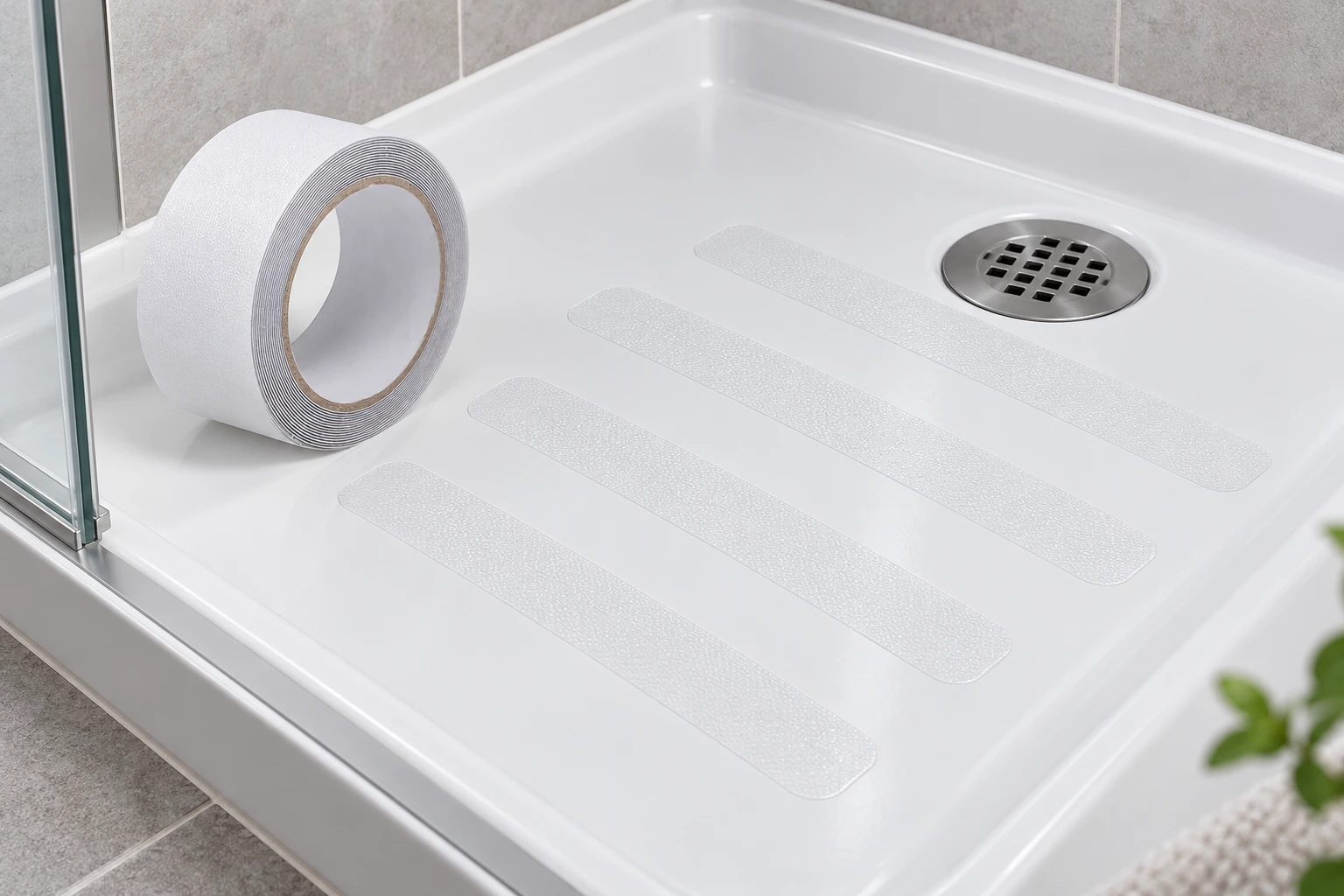
These observations can reveal practical problems. They are not a formal slip classification. A retailer seeking a measured performance statement needs an appropriate test method and evidence tied to the finished construction and stated conditions. A report for a material family is not enough to substantiate every wording proposed for a retail pack.
At reorder, matching dimensions are only the first check. A roll with a different texture or adhesive behaviour needs investigation against the retained sample. The order can identify the construction details that require approval before substitution. Inspection staff then have something specific to compare, including a reference for discussing any discrepancy with the supplier.
Settle use instructions before approving the pack
A label draft can be checked line by line against the trial. A named surface needs a result for that finish; a cleaning instruction needs to match the method assessed. Any blank or unresolved item goes back to the sample review. That is easier to manage before printing than after a retail pack has already been committed.
Timing is one of those items. The supplier’s proposed interval before wetting needs validation for the chosen installation, because bathroom tape has no universal waiting time. The record also needs to say what “wet use” involved. Splash exposure and continuous immersion are different requirements, so a result for the former cannot establish the latter.
HONF can review retail cards, labels, instruction inserts and private-label artwork for PEVA programmes through its OEM and ODM customisation route. Buyers can bring the accepted application and proposed pack together for discussion. Dimensions, wording and packing quantity need agreement before the branded format is approved for an order.
“Works on every surface” would be difficult to reconcile with a trial limited to one finish. “Prevents falls” is an even wider promise. Cleanability and comfort need support of their own. The final UK retail pack can use plain English to describe the accepted task, with the artwork version recorded on the order so later revisions remain traceable.
Compare bulk offers against one agreed specification
An alternative offer is easier to judge when the changed detail is visible beside the requested specification. A non-abrasive tape supplier might be proposing another construction or pack format. The buyer can decide whether the saving warrants a further sample review. Until then, it remains an alternative offer, not an approved substitute for the original roll.
For bathroom anti-slip tape wholesale purchasing, the quotation needs to distinguish the standard roll from any custom dimensions or branded packing work. The minimum quantity and production timing are order questions. They need a written answer for the selected format, even when the supplier’s general range and services are already familiar to the buyer.
Retail pack count and carton configuration need a common delivery basis for cost comparison. Artwork or sample charges can be identified separately. At arrival, inspection staff can check dimensions, product identity and condition against the purchasing record. An agreed route for discrepancies makes that inspection useful, rather than leaving a mismatched lot waiting for an undefined decision.
Conclusion
For non-abrasive anti-slip tape for bathrooms, the finish and strip placement set the starting requirements. Wet contact and adhesive retention then get separate decisions in the sample record. Width selection and retail instructions follow from those results. This leaves the wholesaler with a purchase specification that describes a use, not just a roll dimension and a general product name.
The target finish, selected dimensions and estimated order quantity give a useful starting point to discuss a bathroom tape programme with HONF. Sample criteria and pack requirements complete the enquiry. Once accepted, those records stay with the purchasing specification, giving subsequent deliveries a reference and keeping the sales description tied to the construction actually ordered.
Frequently asked questions
Can non-abrasive tape be used on every bath or shower tray?
No. Two trays described as acrylic may still present different finishes for adhesive contact. The reviewed finish and placement define what has been established by a sample. Loose or damaged paint needs repair first; attaching tape to that layer does not resolve the condition of the underlying surface.
How soon can bathroom tape be exposed to water?
A supplier recommendation gives a starting point for the installation trial. The actual preparation and exposure conditions then determine whether that interval can be used in the instructions. Another product’s waiting time cannot fill the gap: the timing needs to be established for the construction and finish being ordered.
What should a private-label buyer send with a sample request?
A brief can name the finish and proposed placement, then add roll dimensions, estimated quantity and the intended pack. Cleaning conditions and draft claims help focus the trial. Where the programme needs non-standard dimensions or branded packing, those details also give the supplier a basis for confirming the order commitment.
Recent Post



Related Products
Best-selling Products
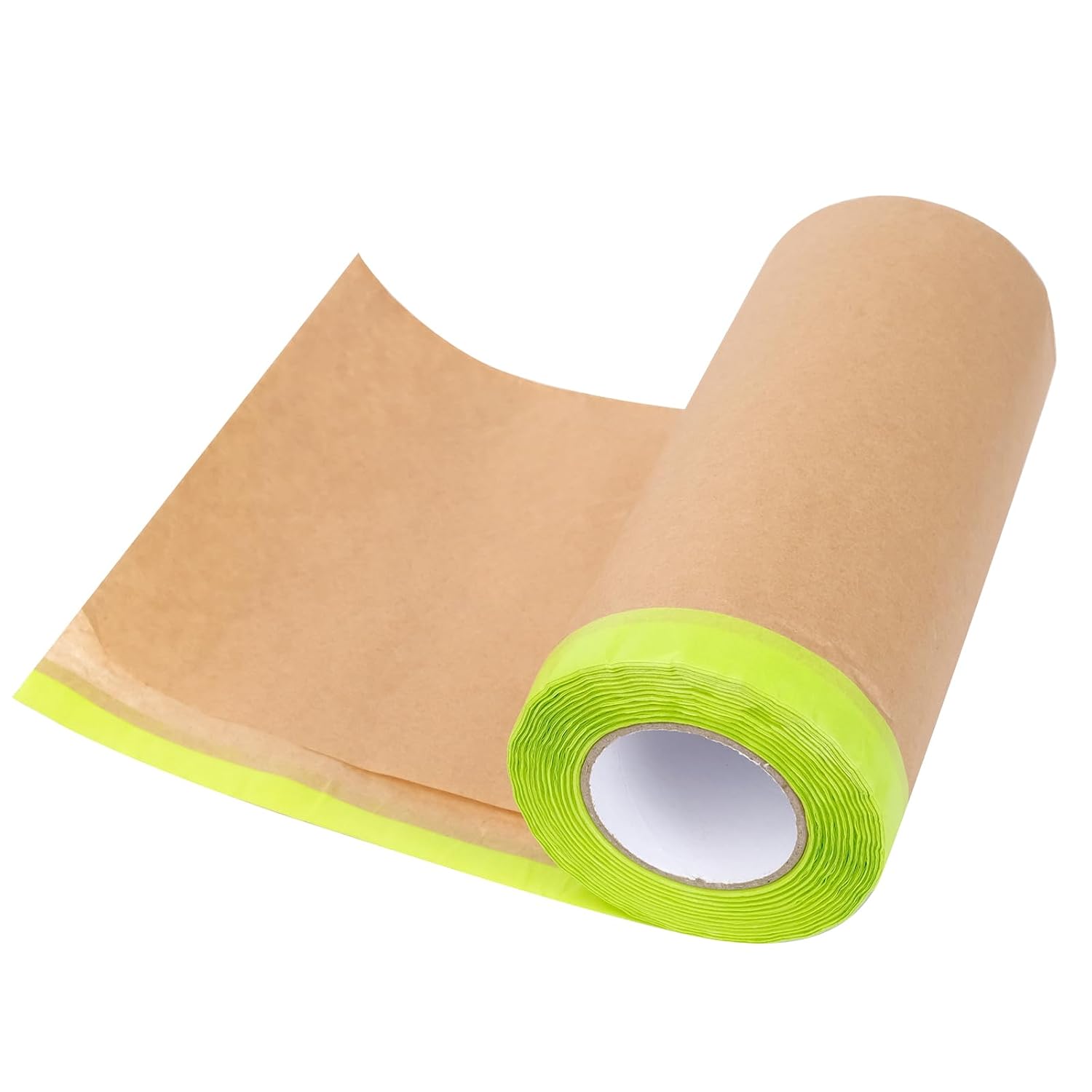
Kraft Masking Film Manufacturer
Kraft Masking Film is a protective masking material made from kraft paper, often with an adhesive edge for quick application. It helps shield floors, walls, furniture, and other surfaces from paint, dust, dirt, and overspray during decorating, renovation, and construction work. It is easy to use, cut, and remove after the job is complete.
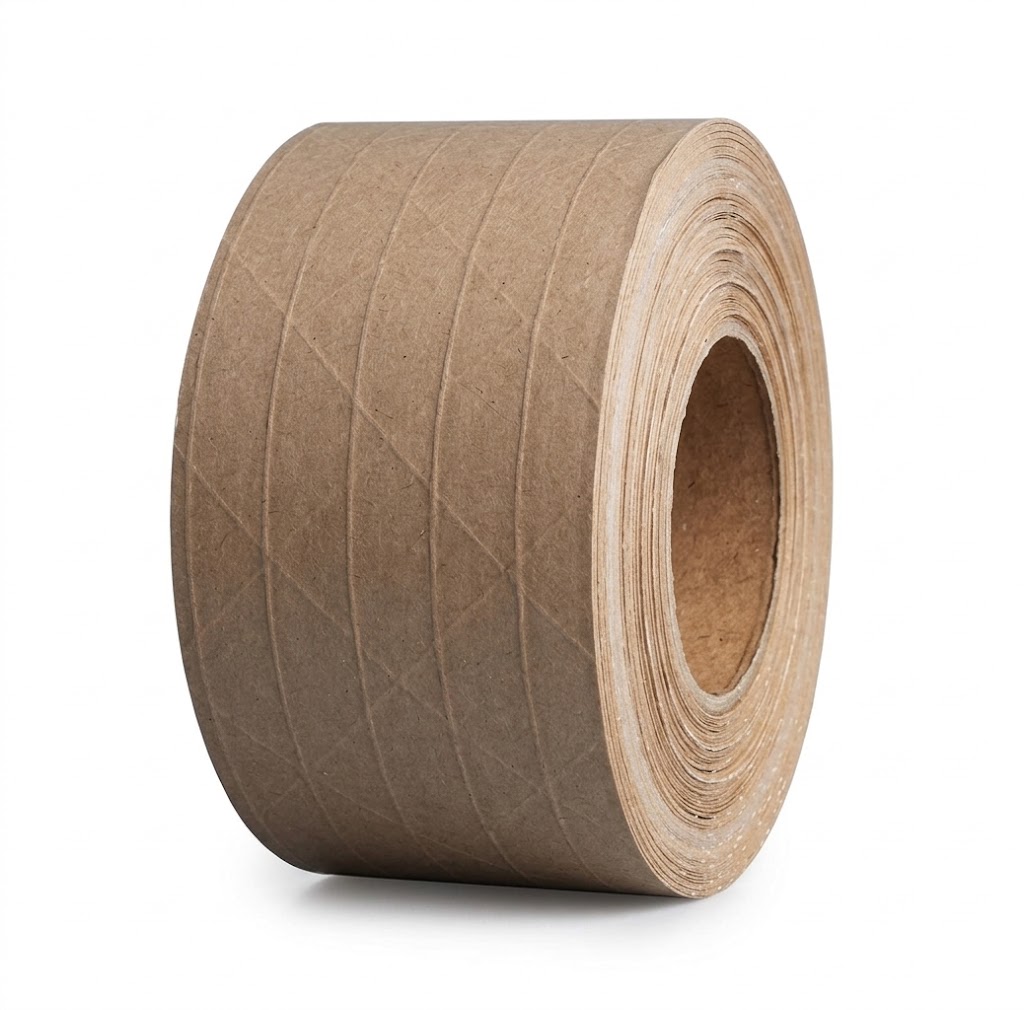
Reinforced Water-Activated Kraft Paper Tape Manufacturer
Reinforced Water-Activated Kraft Paper Tape is made from durable kraft paper reinforced with strong fibers and activated by water. It provides excellent adhesion, high tensile strength, and tamper-evident sealing, making it ideal for sealing cartons, heavy-duty packaging, and shipping boxes.
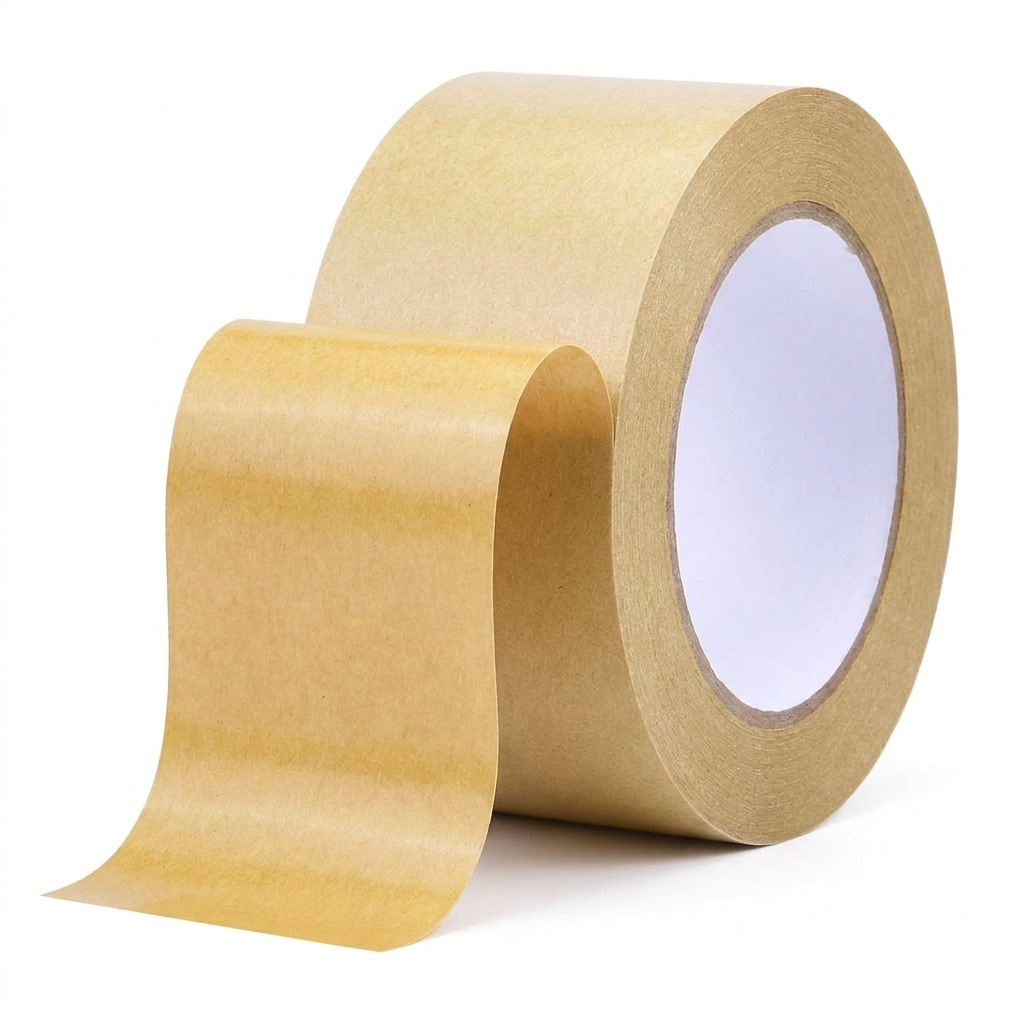
PE Self-Adhesive Kraft Paper Tape Manufacturer
PE Self-Adhesive Kraft Paper Tape is made from durable kraft paper laminated with a PE coating and a strong pressure-sensitive adhesive. It offers moisture resistance, excellent tear strength, and reliable adhesion, making it ideal for carton sealing, packaging, bundling, labeling, and general industrial use.
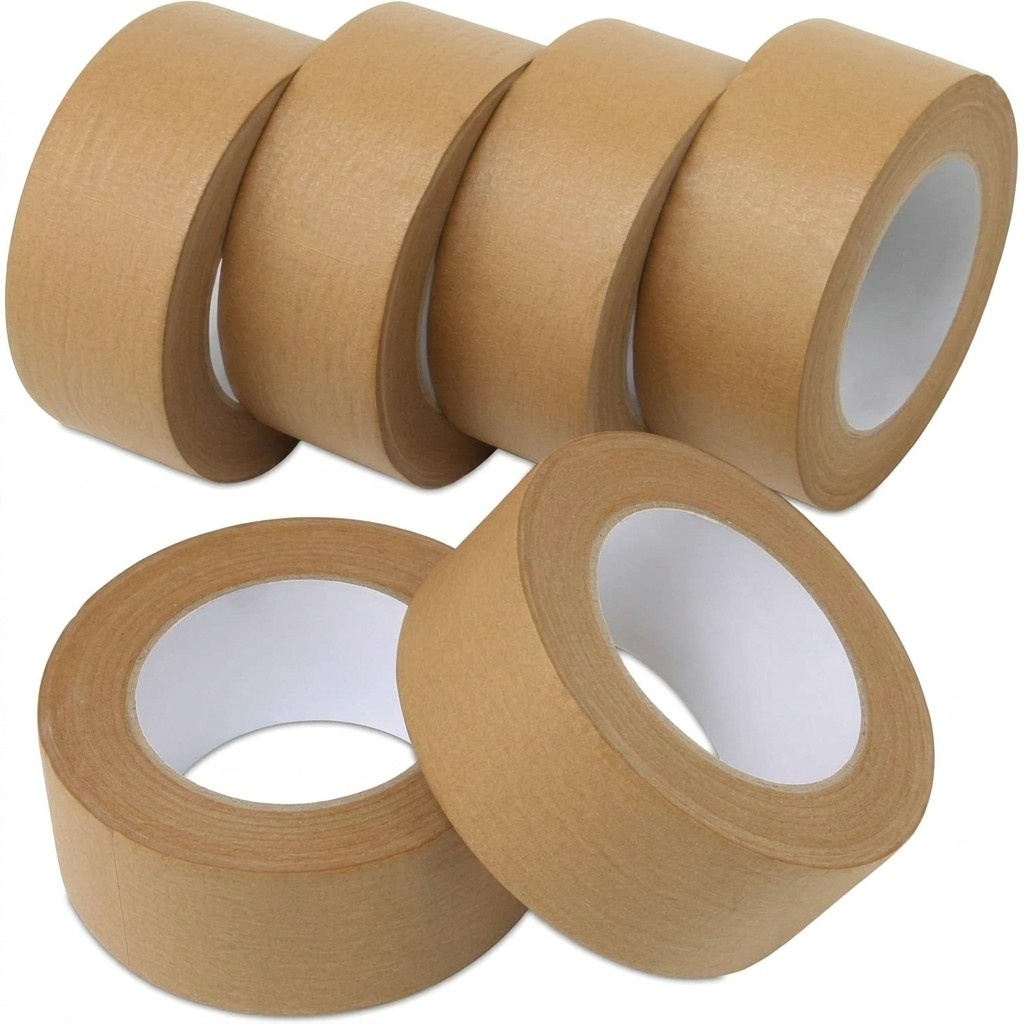
Kraft Paper Tape Manufacturer
Kraft Paper Tape is an eco-friendly adhesive tape made from durable kraft paper. It provides strong adhesion, easy tearability, and reliable sealing performance, making it ideal for carton sealing, packaging, labeling, crafts, and general office use.
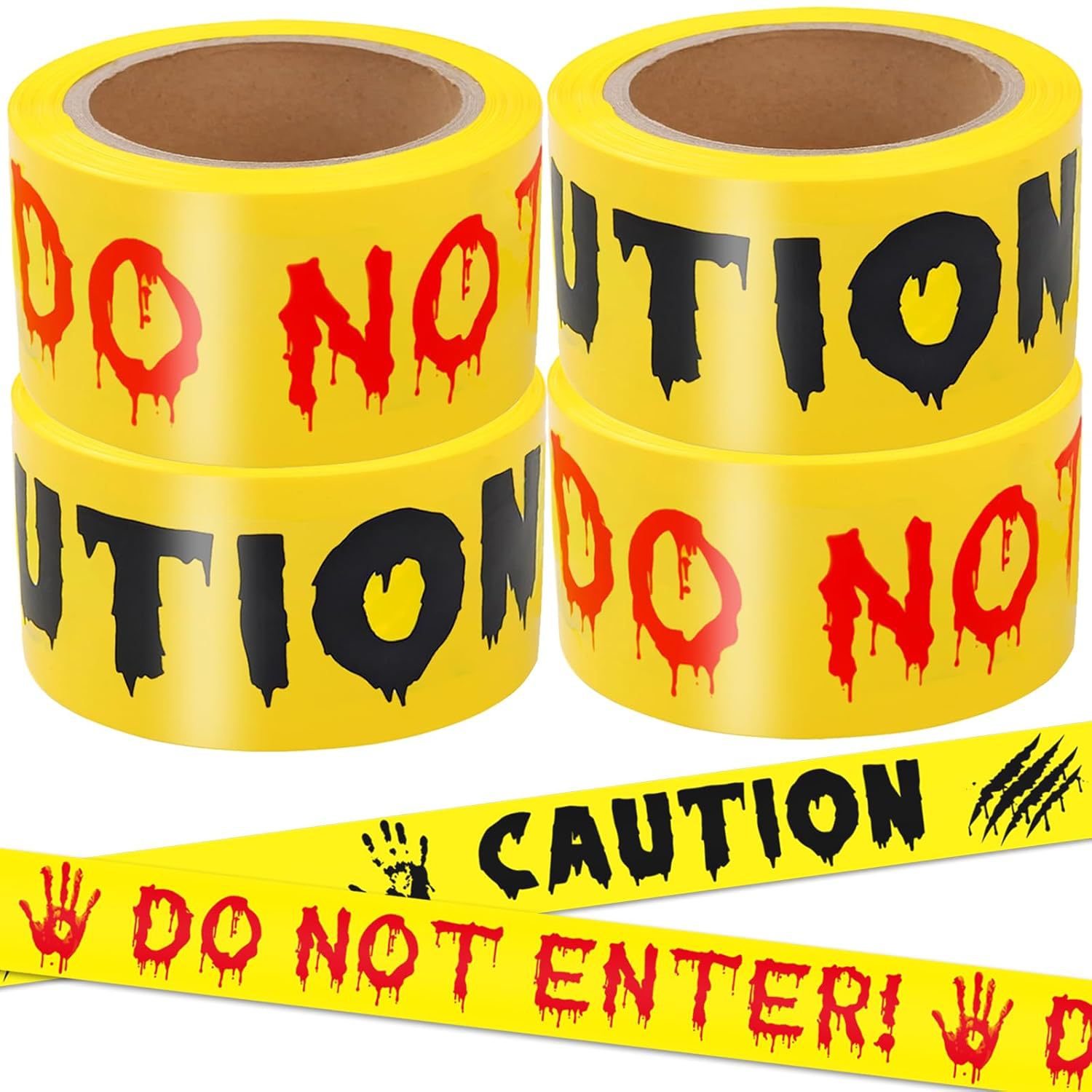
Halloween Caution Tape Manufacturer
Halloween Caution Tape is a festive decorative tape featuring spooky Halloween designs and caution-style lettering. It is ideal for decorating parties, haunted houses, windows, doors, yards, and event spaces, creating a fun and eye-catching atmosphere.
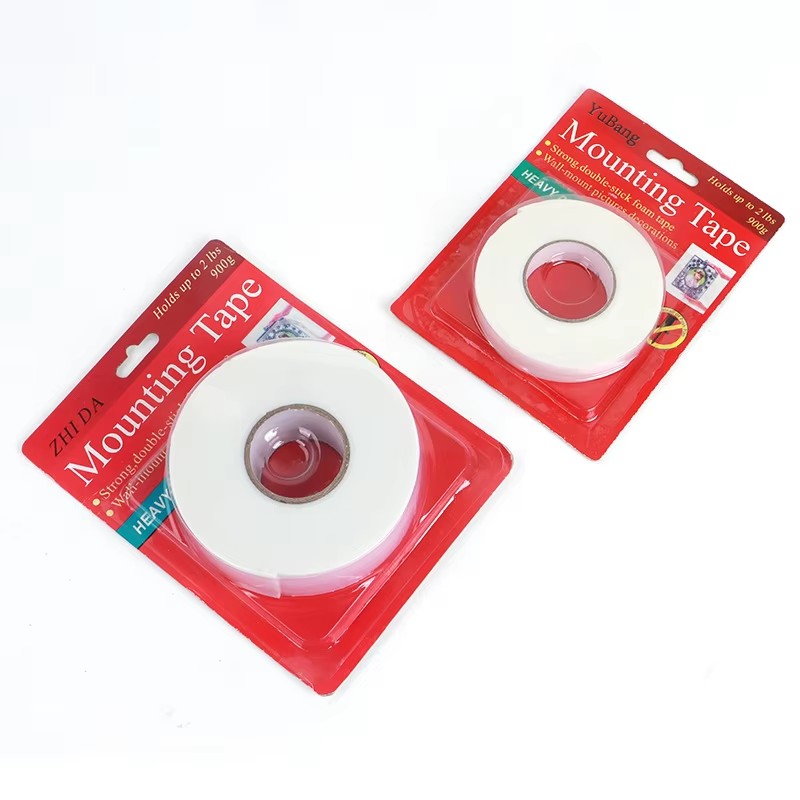
Mounting Tape Manufacturer
Mounting Tape is a strong double-sided adhesive tape designed for securely mounting and fixing items without screws or nails. It provides excellent adhesion, durability, and easy application, making it ideal for signs, decorations, hooks, frames, mirrors, and household or office accessories.