
-
Home

-
Blog
-
Industry News
- How to Source Pre-Taped Masking Paper for Painting and Decorating Programs

How to Source Pre-Taped Masking Paper for Painting and Decorating Programs
-
 author
- 30,October
 author
For a paint distributor, buying pre-taped masking paper for painting starts with the job beside the paintwork. How much of the skirting, frame or surrounding area needs covering? The answer sets the candidate width; a trial with the intended coating and finish then determines whether that roll can be stocked for the task. Price comparison follows.
There needn’t be a size for every possible job. A SKU called simply “masking paper” is too vague when the stocked rolls differ in width. The display label, ordering description and purchase specification need the same dimensions. Each listed application also needs a sample result behind it, including on a private-label pack.
Specify what sits beside the paintwork
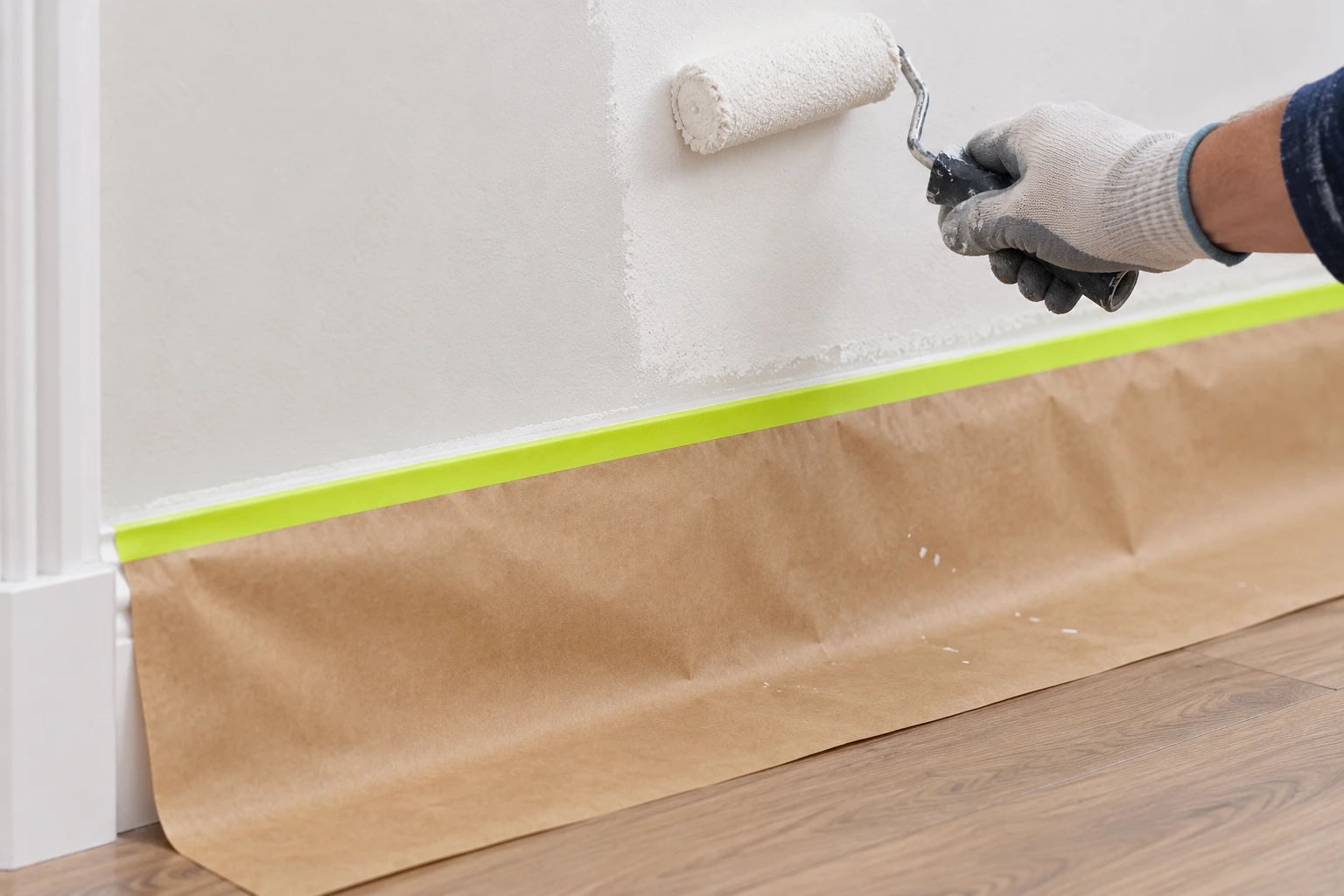
Skirting protection puts the focus on a strip of covering beside a painted edge. Protecting surrounding furniture brings sheet handling into the decision as well. In either case, the sample has two jobs: the paper must give the required protection and its taped edge must hold position on the specified finish. “Paper for painting” leaves both questions too open for approval.
HONF Kraft Masking Film uses a pre-taped kraft-paper covering and an acrylic pressure-sensitive adhesive edge. For the distributor’s proposed job, sampling needs to settle paper absorption and tear behaviour as well as adhesion and removal.
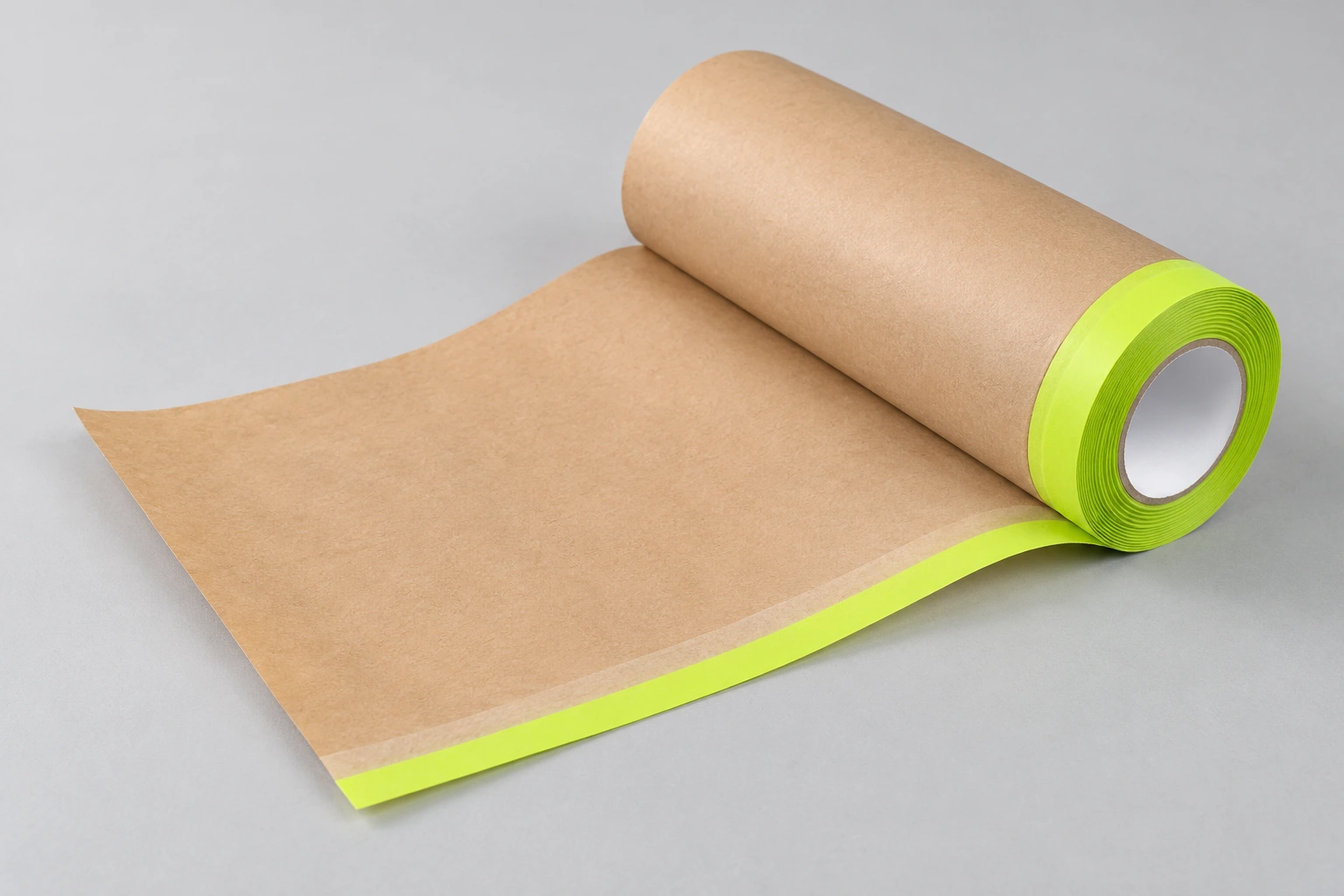
Terminology can cause confusion during sourcing. “Film” does not always tell a buyer what covering material is being offered, and “paper” still leaves its grade and construction open. A written description and matching sample settle that question. Retail listings then need to describe the accepted material plainly enough for a decorator choosing between covering products.
An indoor frame trial leaves exterior use and heated processes unanswered. Another coating may also call for another trial. The distributor can keep those requests outside the initial listing and review them separately if demand warrants it. There is no reason to widen a first order’s promise before the extra application has been assessed.
A stocked width needs a job to match
A width becomes useful when it matches the area beside the work. Too little coverage means another piece or an exposed section; excess width may make a confined space harder to handle. The trial layout can show which matters more for the intended task. Measuring the area first also prevents an assortment from being built around sizes that happen to be available.
HONF has standard covering widths of 15, 30 and 55 cm, then 1.1, 2.4 and 2.7 m, in 10, 15 and 20 m lengths. That gives a distributor options for compact protection and larger surrounding areas. The format as supplied and its usable width still need checking on the chosen sample before the SKU is set.
Around skirting or a frame, the measured area gives a practical starting width for sampling. A broader sheet raises a handling question as well: how will it sit while the decorator works? That needs to be answered with the selected format. Another width in the catalogue remains another sample decision, even when the material description is unchanged.
Shelf space puts a practical limit on the initial assortment. Less frequently requested formats can remain order options while the core range is established. The packed roll and carton need checking as well. A broad covering that works well at the application stage may require a different storage or display arrangement from the smaller rolls beside it.
Check protection and removal with the actual coating
Surface preparation has to be repeatable across the comparison. One sample on a clean finish and another on a dusty area would leave the buyer comparing preparation as well as products. The record can identify the substrate, its condition and the age of any existing paint, so the result has a usable context at the next order.
Paint protection needs the intended application method. A light brush trial and a heavier application pose different questions. The buyer’s record can describe whether paint penetrated the sheet, reached the protected edge or changed how the paper handled during removal. Tears and edge movement also need recording. A single overall “good” result gives the next purchasing team too little detail.
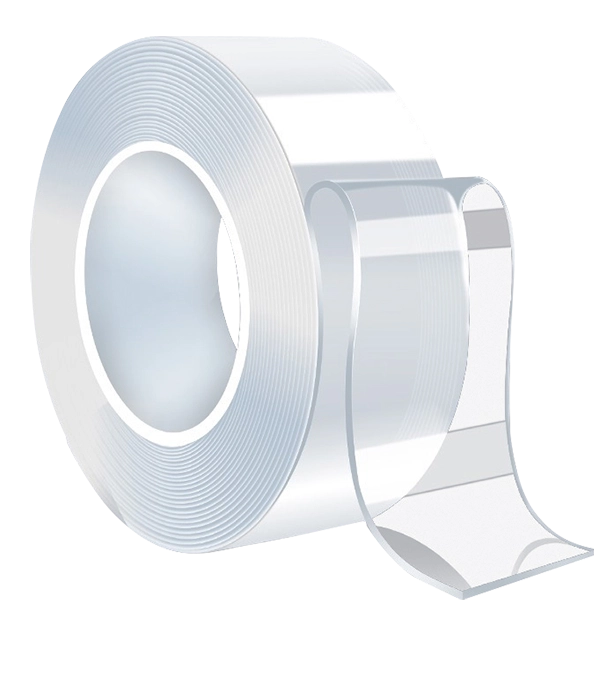
A decorating range may also need HONF standalone masking tape for line masking without an attached covering sheet. That is a separate sample decision. A satisfactory paint-edge result from the tape does not establish the paper’s protective performance, so the pre-taped covering still needs its own trial with the intended coating and finish.
Removal needs a stated time in the trial. No universal dwell time covers every painted finish. Slow removal at a controlled angle lets the reviewer check for residue and paint lifting; if the finish is being affected, removal stops for investigation. The buyer then has a result for that coating and exposure, rather than an unsupported time limit for the whole range.
On a reorder, a change to paper grade or adhesive belongs beside the original specification for review. The retained sample is the comparison point. Notes about protection and edge holding are useful separately: paint passing through the sheet calls for a different investigation from paper shifting because the edge has lifted. The supplier needs that distinction in the feedback.
Compare the material that will actually be used
Width multiplied by length gives nominal area. For the 30 cm by 15 m example, the calculation is 0.30 × 15 = 4.5 square metres, before waste or overlaps. That is a material quantity, not a job count. It can help compare offers for different rolls once their constructions and supplied formats have also been aligned.
Waste belongs to the layout. A narrow offcut may cover another part of one job yet have no use on the next. A trial layout can show that difference alongside any joins or trimming. It gives the buyer a more realistic comparison while keeping task-specific coverage estimates separate from the nominal material quantity printed on the roll.
Preparation time can be reviewed in the same trial. Material used, placement time and rework are practical records for a distributor comparing formats. They need consistent working conditions. A quicker result on one layout is evidence for that layout, rather than a labour-saving percentage to apply to every decorating job or repeat in a general sales claim.
For bulk masking paper, saleable pack cost is often the useful purchasing unit. The quotation needs a defined roll and pack quantity, with agreed artwork, carton packing and delivery terms. Development costs can be separated from repeat-order costs. A low roll price is difficult to assess when the offers include different material amounts or leave packing work unresolved.
Bring the pack and quotation into the same order
The retail description needs to settle which covering is in the pack and the job it has been approved for. Dimensions help selection; preparation and removal instructions explain use. A limited trial cannot support universal adhesion or residue-free removal. Where the range contains other constructions, explicit use descriptions also help sales staff distinguish the choices.
Paper grade, dimensions, adhesive level, cores, labels, printing and packing can be reviewed with HONF for a custom programme. Its private-label customisation route brings the branded pack into that discussion. Sample approval and the required order commitment for non-standard work need agreement before the buyer commits artwork or sets a launch date.
For a pre-taped masking paper wholesale enquiry, the brief can include:
- Approved construction, paper requirements and the sample reference.
- Covering width, roll length and intended decorating tasks.
- Coatings and finishes used in the acceptance trial.
- Retail or trade pack count, core, label and carton requirements.
- Forecast quantity, destination and the requested order schedule.
The masking paper supplier’s offer needs to distinguish the requested specification from any proposed alternative. A different construction may still be acceptable, but it cannot inherit approval without review. Minimum quantity, timing and commercial terms also need order-specific agreement. Neither a standard-roll quotation nor a general supplier description establishes those terms for custom masking paper.
A sample reference and artwork version on the order give inspection staff something specific to check. Roll identity, dimensions, paper condition and the adhesive edge can be compared with those records. A discrepancy then goes to review before the affected stock is released to retailers.
Conclusion
For pre-taped masking paper for painting, a stocked format needs a job behind it. Coverage trials establish the useful width, while the actual paint and finish establish protection and removal conditions. A distributor can build the initial range around those results. The quotation then has a clear material, format and packing basis, with waste considered for the intended work.
The chosen dimensions, paint and finish, estimated quantity and pack requirements form a useful enquiry to request a masking-paper sample and quotation from HONF. The trial record then stays with the accepted specification for reorders. Any later change to paper or adhesive can be assessed against that reference before its effect reaches the retail listing or the next delivery.
Frequently asked questions
Is pre-taped masking paper the same as masking film?
Not necessarily. An attached adhesive edge does not establish the covering material. A programme requiring kraft paper needs a written construction description and an approved matching sample. The retail listing can then describe the accepted material clearly, rather than relying on a broad name that could refer to another covering.
Does every painted surface allow clean removal?
No. The finish and its condition, preparation and time in place can affect removal. Qualification needs the actual surface and coating, with residue and paint lifting checked at the agreed time. The instructions can describe that accepted use; they cannot turn one sample result into a promise for all painted surfaces.
How should buyers compare different roll prices?
Construction, width, length and pack count need to match first. Nominal area provides one comparison; a representative layout shows waste and handling differences. Delivered pack cost then needs the same commercial basis. Any measured time saving remains tied to the job and conditions used in the trial.
Recent Post



Related Products
Best-selling Products
Kraft Masking Film Manufacturer
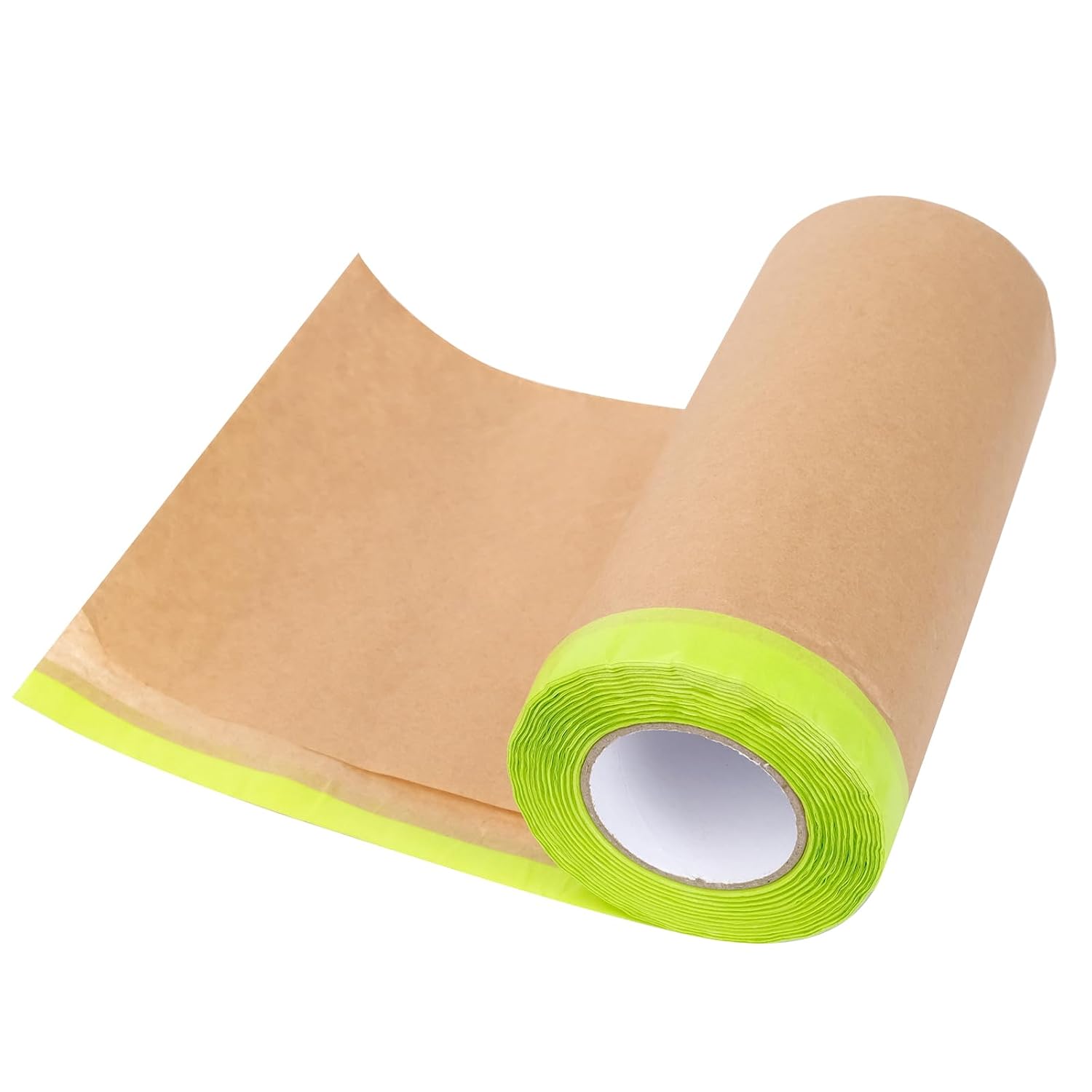
Kraft Masking Film is a protective masking material made from kraft paper, often with an adhesive edge for quick application. It helps shield floors, walls, furniture, and other surfaces from paint, dust, dirt, and overspray during decorating, renovation, and construction work. It is easy to use, cut, and remove after the job is complete.
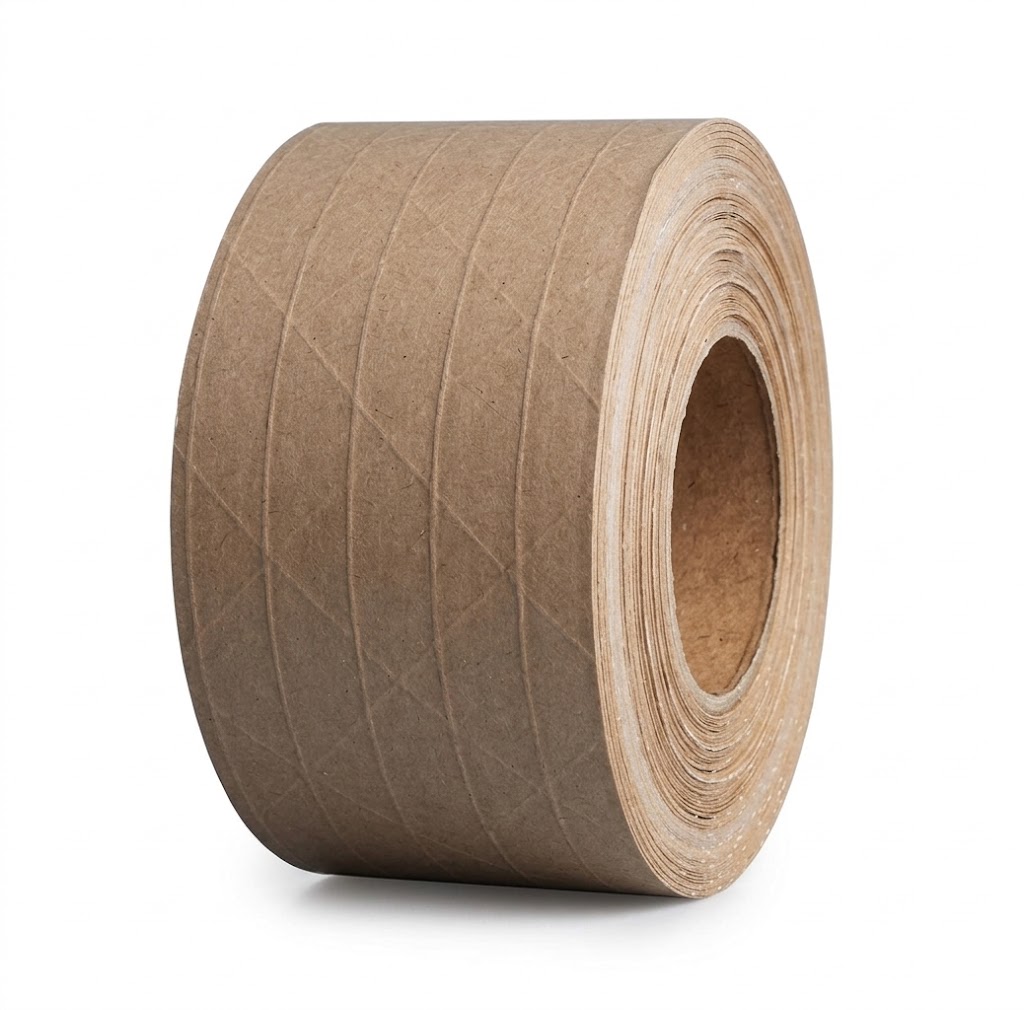
Reinforced Water-Activated Kraft Paper Tape Manufacturer
Reinforced Water-Activated Kraft Paper Tape is made from durable kraft paper reinforced with strong fibers and activated by water. It provides excellent adhesion, high tensile strength, and tamper-evident sealing, making it ideal for sealing cartons, heavy-duty packaging, and shipping boxes.
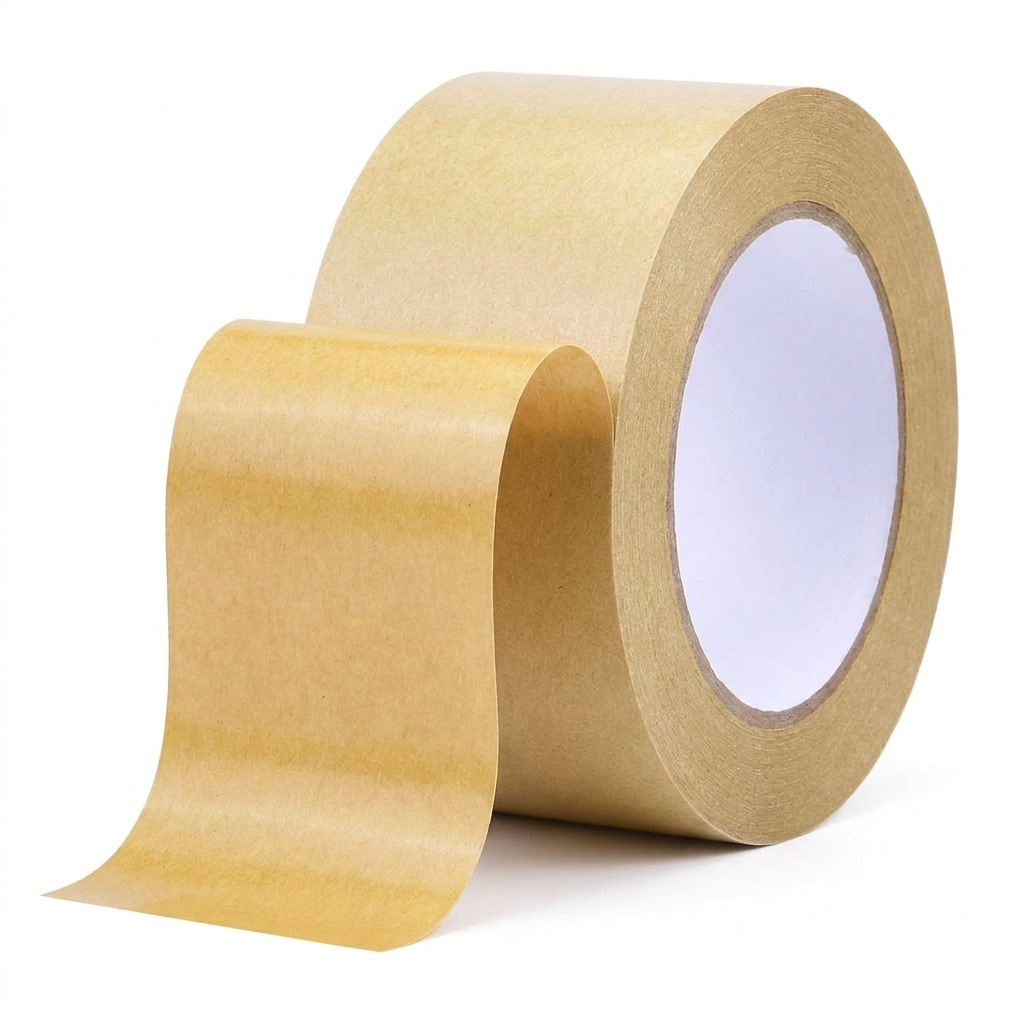
PE Self-Adhesive Kraft Paper Tape Manufacturer
PE Self-Adhesive Kraft Paper Tape is made from durable kraft paper laminated with a PE coating and a strong pressure-sensitive adhesive. It offers moisture resistance, excellent tear strength, and reliable adhesion, making it ideal for carton sealing, packaging, bundling, labeling, and general industrial use.
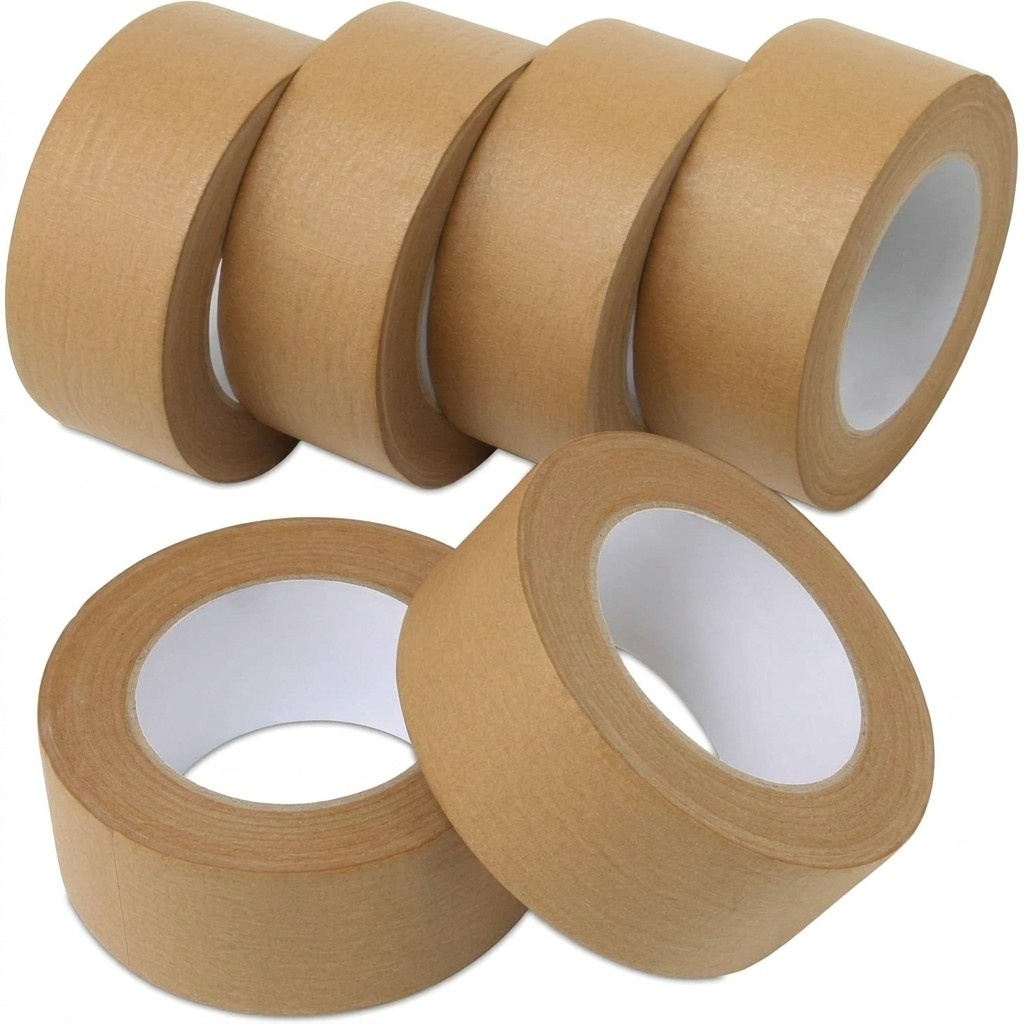
Kraft Paper Tape Manufacturer
Kraft Paper Tape is an eco-friendly adhesive tape made from durable kraft paper. It provides strong adhesion, easy tearability, and reliable sealing performance, making it ideal for carton sealing, packaging, labeling, crafts, and general office use.
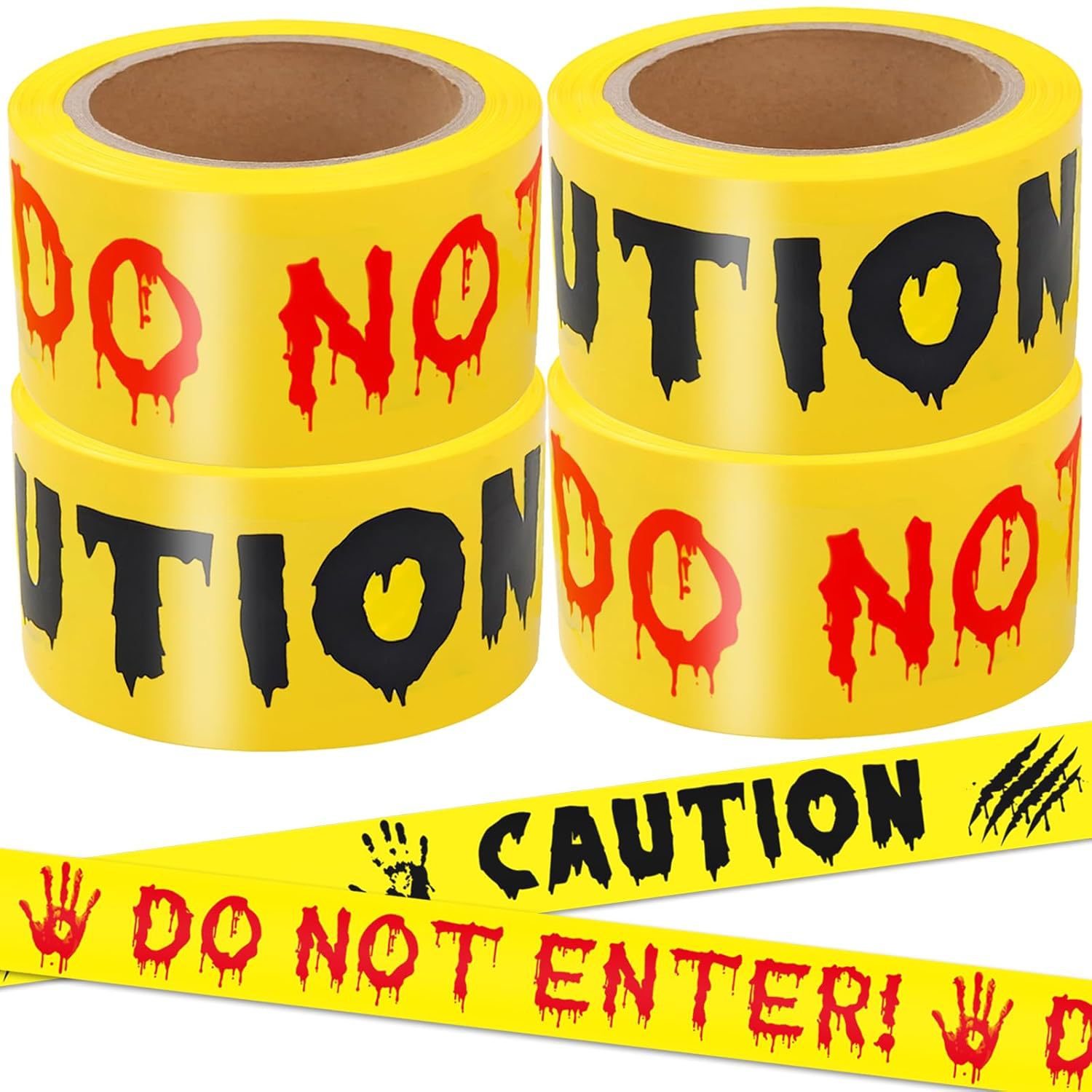
Halloween Caution Tape Manufacturer
Halloween Caution Tape is a festive decorative tape featuring spooky Halloween designs and caution-style lettering. It is ideal for decorating parties, haunted houses, windows, doors, yards, and event spaces, creating a fun and eye-catching atmosphere.
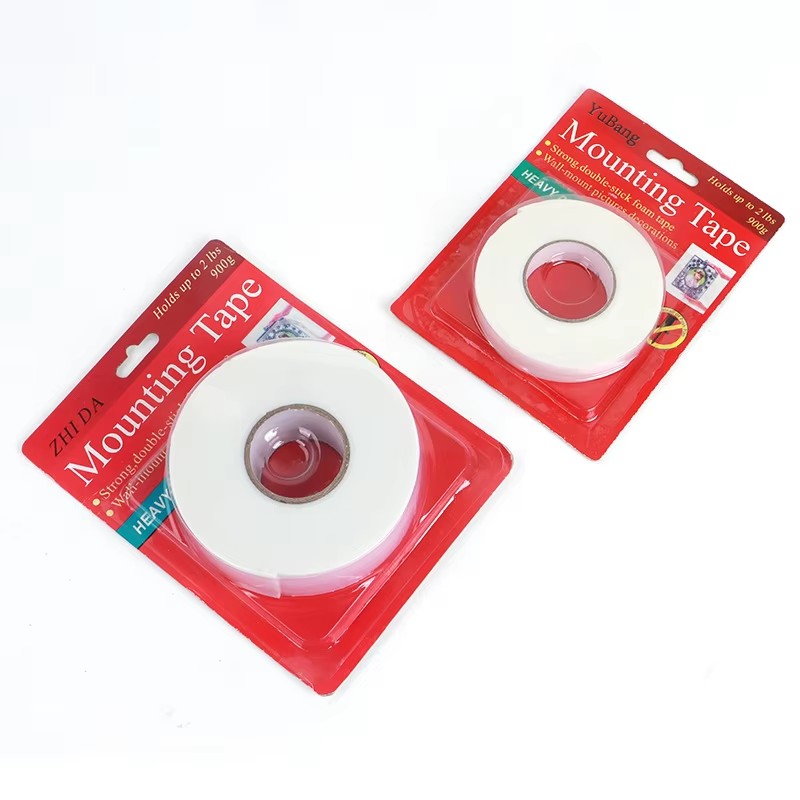
Mounting Tape Manufacturer
Mounting Tape is a strong double-sided adhesive tape designed for securely mounting and fixing items without screws or nails. It provides excellent adhesion, durability, and easy application, making it ideal for signs, decorations, hooks, frames, mirrors, and household or office accessories.