
-
Home

-
Blog
-
Industry News
- HVAC Aluminum Foil Tape for AI Data Center Cooling Duct & Insulation Guide 2026

HVAC Aluminum Foil Tape for AI Data Center Cooling Duct & Insulation Guide 2026
-
 author
- 24,September
 author
AI data center construction is bringing more attention to cooling infrastructure, but not every cooling challenge happens at the rack level. While liquid cooling is becoming more common for high-density computing environments, many facilities still rely on a combination of air-side systems, insulation components, and mechanical solutions to maintain stable operating conditions.
For HVAC contractors, distributors, and sourcing teams, the selection of small components such as HVAC aluminum foil tape is usually not about finding the cheapest roll. The key questions are whether the tape matches the application, performs consistently on the intended surface, and fits the requirements of the overall HVAC system.
This guide explains how aluminum foil tape is used in duct sealing and insulation-related applications, what buyers should consider before ordering, and how product selection connects with the changing needs of modern data center cooling.
2026 Data Center Thermal Management: Why Air-Side HVAC Sealing Still Matters
Rising rack density is pushing operators toward direct-to-chip liquid cooling and other high-capacity thermal strategies. At the same time, hybrid cooling is gaining ground because many facilities still support a mix of conventional and AI workloads. That leaves HVAC infrastructure with an important supporting role. Duct integrity, insulation continuity, and airflow management remain relevant across many new builds and retrofit projects.
Air-Side Cooling Remains Part of Hybrid Thermal Architectures
Air handling is still part of the wider building system in many facilities. That includes ducts, joints, insulation, and associated mechanical equipment.
In many hybrid facilities, air-side mechanical systems continue to support room conditions, mixed-density workloads, and broader building-level cooling requirements.
A tape cannot correct poor airflow design or an undersized HVAC system. Its role is smaller and more specific: supporting compatible seam sealing and insulation work where tape is part of the selected assembly.
For buyers, “data center tape” is not a useful purchasing specification. The application, surface, environment, and project requirements should define the product first.
Duct Sealing and Insulation Continuity Affect Mechanical-System Performance
A duct seam and an insulation seam solve different problems, but both sit in the same air-distribution chain. Duct closure supports the intended air path. Insulation facing helps maintain the surrounding thermal layer.
That keeps aluminum foil tape for ductwork relevant in air-side systems, provided the selected tape matches the substrate and job requirements. The same applies to aluminum foil tape for insulation: qualify it for the actual facing rather than buying from the product name alone.
HVAC Aluminum Foil Tape Applications in Data Center Mechanical Systems
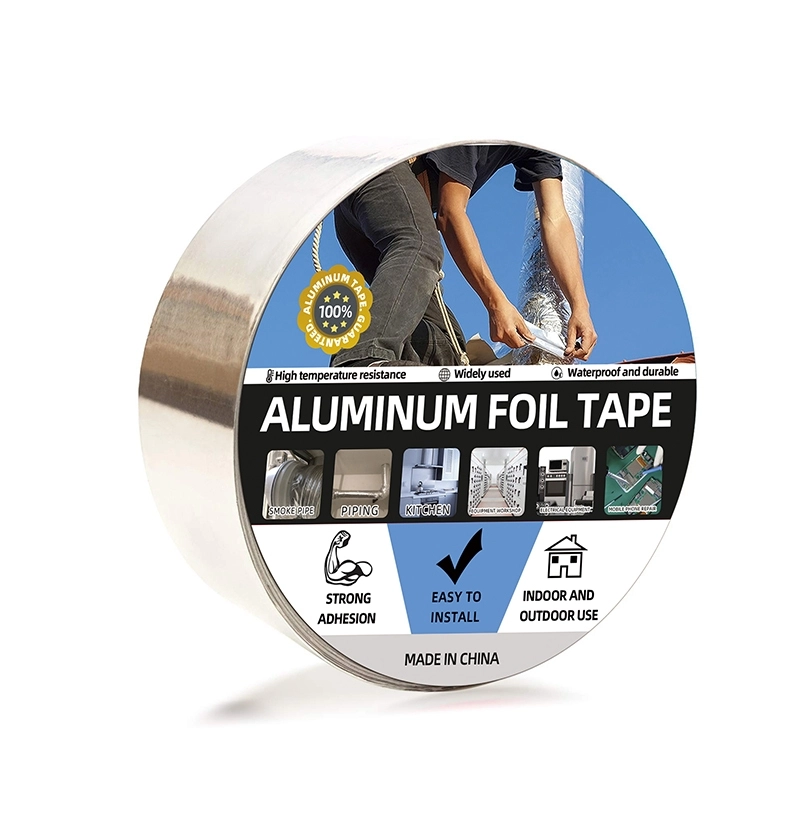
For B2B buyers, the useful way to look at foil tape is by assembly rather than marketing category. Sheet metal, coated surfaces, foil-faced insulation, and older retrofit surfaces can behave differently during application. HONF Aluminum Foil Tape is used for applications including HVAC duct sealing and insulation reinforcement, giving distributors and contractors a relevant option for those jobs.
Duct Seams, Joints, and Air-Distribution Assemblies
On compatible ductwork, foil tape may be used at seams, joints, and related air-distribution assemblies where tape is part of the specified closure method. Surface preparation is easy to overlook. Dust, oil, moisture, loose coatings, or poor edge contact can affect the finished bond.
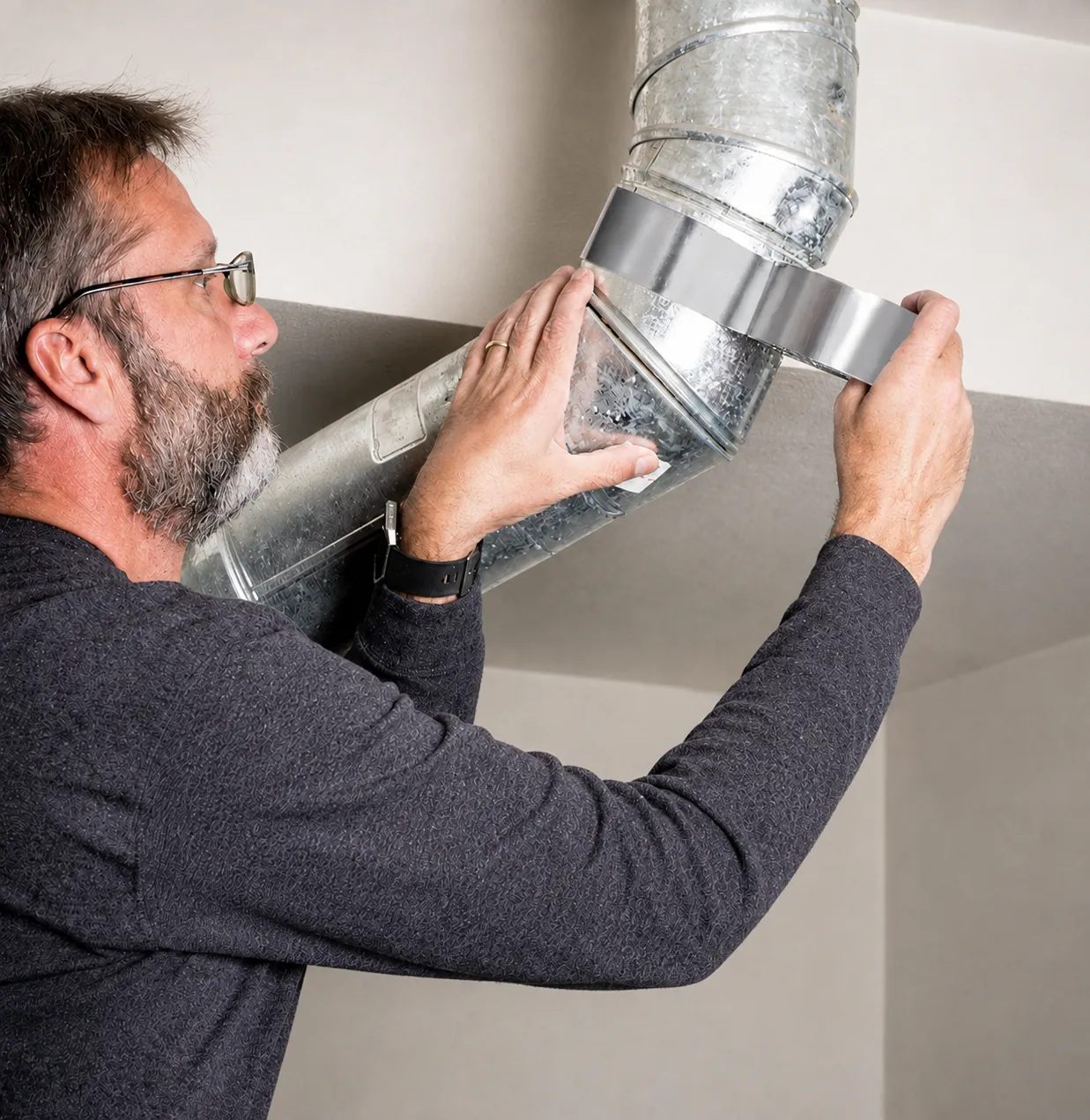
A basic sample check is useful, but qualification on the customer’s actual substrate gives a more meaningful reference. This matters before a bulk order because one clean test panel does not represent every field condition.
Foil-Faced Insulation Seams and Moisture Management Applications
Aluminum foil tape is often used in HVAC insulation work where compatible foil-facing seams require reinforcement or a cleaner finished surface.
In HVAC insulation work, aluminum foil tape is commonly used on compatible foil-facing seams and localized reinforcement areas. Product selection should still be based on the actual insulation facing and project requirements.
Facing type, joint design, tape selection, surface condition, and installation quality all affect the final result. In condensation-prone areas, these details deserve attention during sample approval.
Specification Criteria for HVAC Aluminum Foil Tape
“Strong adhesive” is not a complete B2B specification. Importers and HVAC material distributors need to compare the tape against the assembly: backing construction, substrate, service environment, installation conditions, roll format, and any documents required by the project. This makes quotations easier to compare and reduces unsuitable substitutions.
Foil Tape, Cloth Duct Tape, and Mastic: Functional Differences
The word duct causes confusion because foil tape, cloth duct tape, and mastic may all appear in conversations about ductwork, yet they do not serve the same purpose.
| Selection Point | Aluminum Foil Tape Selected for HVAC | Cloth Duct Tape | Mastic |
| Typical role | Compatible HVAC seams and foil-faced insulation work | General repair, bundling and temporary fixing | Sealing in duct systems where specified |
| Larger or irregular joints | Limited; depends on joint design | Generally not preferred | Often used with reinforcement or other approved repair methods |
| Immediate handling | Yes | Yes | May require curing |
| Project requirements | Verify exact tape grade | Verify intended use | Verify specified system |
HONF also supplies Duct Tape for general repair, fastening, bundling, industrial maintenance, and related work. Keeping these categories separate makes product positioning clearer and reduces the chance of the wrong tape being sold for a specified HVAC application.
Adhesive Compatibility, Substrate Condition, and Service Environment
The same tape can behave differently on clean metal, coated panels, or insulation facing. Surface contamination, texture, moisture, and application pressure all affect adhesive contact.
A practical trial should answer straightforward questions. Does the tape conform around the seam? Do the edges stay flat? Does the backing handle normal installation without unwanted damage? Does the finished joint remain acceptable after the expected exposure? These checks give purchasing teams more useful information than a quick hand-tack comparison.
Project Listings and Documentation Requirements
Some HVAC projects specify closure-system standards. UL 181A covers closure systems for rigid air ducts, while UL 181B covers closure systems for flexible air ducts and air connectors. These standards cover closure products including tapes and mastics.
Where a project calls for UL 181A, UL 181B, or another documented requirement, the paperwork should match the exact product grade offered for that job. Compliance language in an RFQ should be clear before samples or pricing are approved.
Application Validation and B2B Procurement
A suitable tape still has to work as a supply item. Contractors care about installation consistency; importers and distributors also manage specifications, packaging, inventory, and repeat orders. Sample approval therefore needs to cover more than initial adhesion. The production grade, commercial format, and project requirement should stay aligned from the first trial through later purchase orders.
Surface Preparation and Representative Field Testing
For foil-tape applications, start with a clean surface and apply firm pressure across the bond area. Testing should use the real duct material or insulation facing whenever possible.
If temperature changes, humidity, or condensation are relevant to the working environment, include those conditions in the approval process instead of relying only on a room-temperature sample.
Supplier Documentation, Sample Approval, and Bulk-Order Consistency
When contacting an aluminum foil tape manufacturer or supplier, send enough project information to get a useful quotation. Application, substrate, required roll dimensions, quantity, packaging, destination market, and specified documentation are a solid starting point.
For buyers managing wider sourcing programs, HONF adhesive tape manufacturing and OEM/ODM services cover product development, custom manufacturing, packaging customization, and international supply support. Once a production grade is approved, keeping that construction tied to repeat orders reduces specification drift and unnecessary clarification later.
Conclusion
AI infrastructure is making data center cooling one of the major engineering topics of 2026. Liquid cooling will continue to expand as rack density rises, but hybrid architectures keep air-side HVAC, ductwork, and insulation relevant across many facilities.
For buyers sourcing HVAC aluminum foil tape, the purchasing logic stays practical: define the application, match the tape to the substrate, test the production grade under representative conditions, confirm project documents where required, and keep the approved specification clear for bulk and repeat orders.
HONF supplies aluminum foil tape for HVAC duct sealing and insulation reinforcement. B2B buyers can request a sample or bulk quotation from HONF with their application, dimensions, quantity, packaging requirements, and destination market.
FAQ
Q1: What is HVAC aluminum foil tape used for?
A: It is commonly used for compatible HVAC duct seams, joints, and foil-faced insulation applications. The selected tape should match the substrate, working environment, and project requirements.
Q2: Can aluminum foil tape be used on HVAC ductwork and insulation?
A: A foil tape selected for the relevant HVAC application can be used on compatible ductwork and foil-faced insulation. Buyers should qualify the exact product on the intended surface before project or bulk approval.
Q3: Foil tape vs duct tape: which is better for HVAC applications?
A: They serve different roles. Foil tape is commonly selected for compatible HVAC seam and insulation work, while cloth duct tape is commonly used for broader repair, bundling, fastening, and maintenance tasks. The project specification should decide the final choice.
Q4: What should buyers check when an HVAC project specifies UL 181 closure systems?
A: Confirm which closure-system standard applies and request documentation for the exact product grade offered. UL 181A covers rigid air-duct closure systems, while UL 181B covers flexible air ducts and air connectors.
Q5: What information should I send an aluminum foil tape supplier for a bulk quote?
A: Send the intended application, substrate, roll dimensions, quantity, packaging needs, destination market, and any project-specific documentation requirements. Clear input makes sample selection and quotation more efficient.
Recent Post



Related Products
Best-selling Products
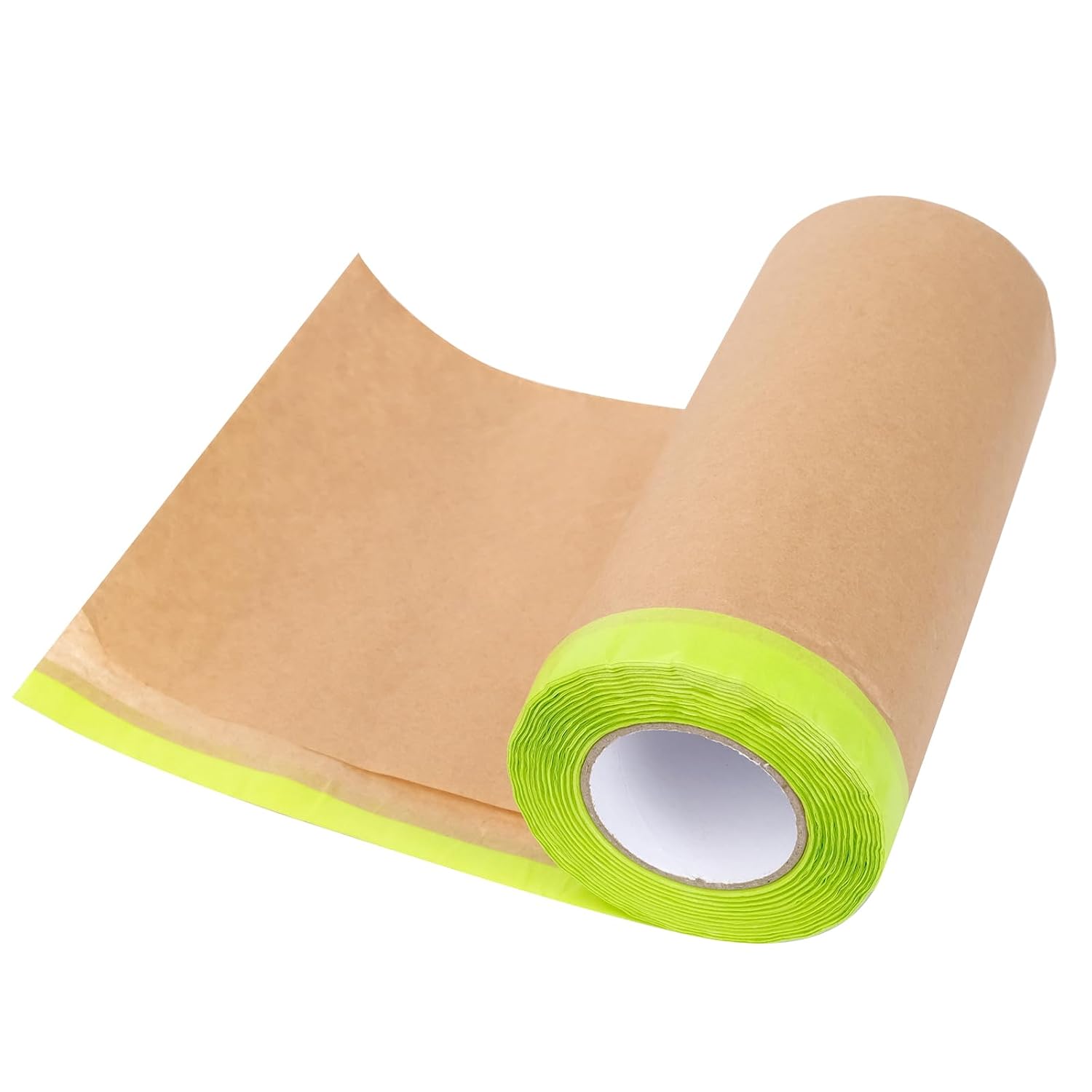
Kraft Masking Film Manufacturer
Kraft Masking Film is a protective masking material made from kraft paper, often with an adhesive edge for quick application. It helps shield floors, walls, furniture, and other surfaces from paint, dust, dirt, and overspray during decorating, renovation, and construction work. It is easy to use, cut, and remove after the job is complete.
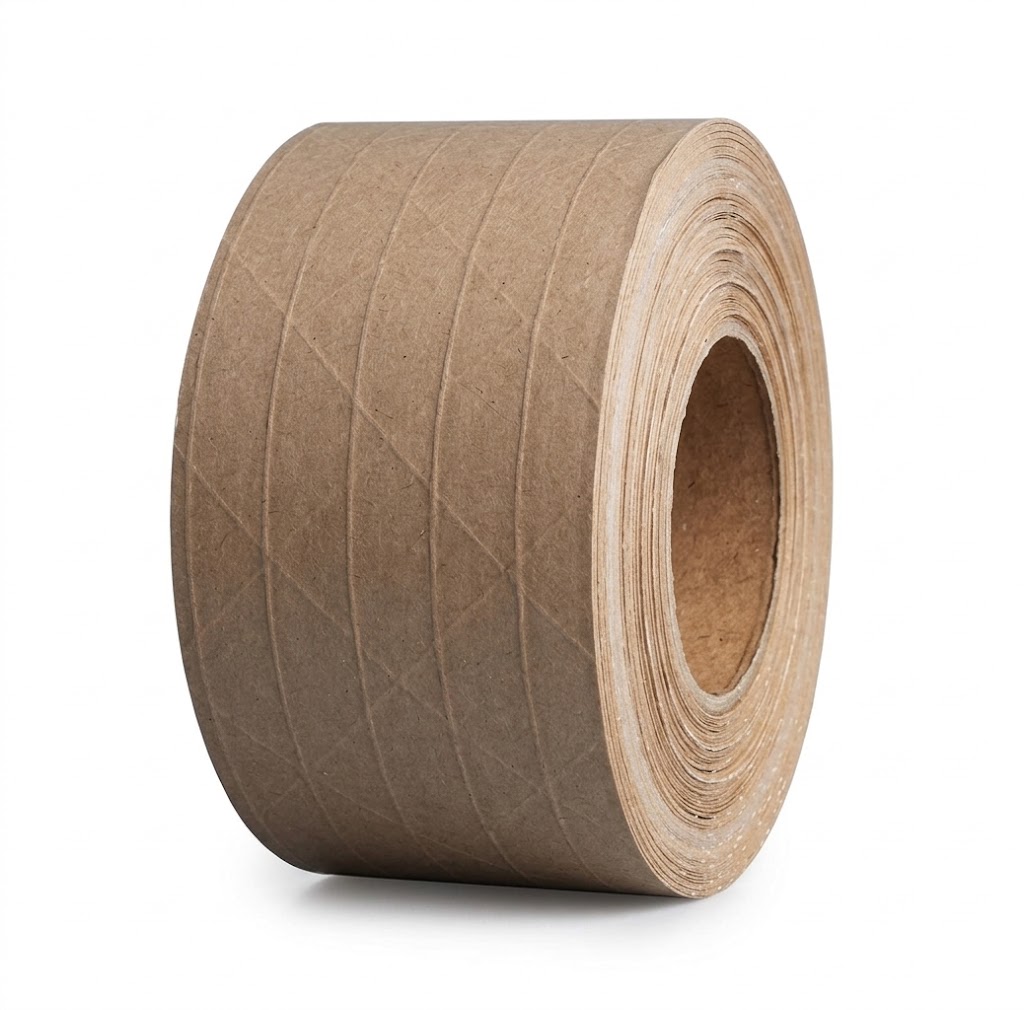
Reinforced Water-Activated Kraft Paper Tape Manufacturer
Reinforced Water-Activated Kraft Paper Tape is made from durable kraft paper reinforced with strong fibers and activated by water. It provides excellent adhesion, high tensile strength, and tamper-evident sealing, making it ideal for sealing cartons, heavy-duty packaging, and shipping boxes.
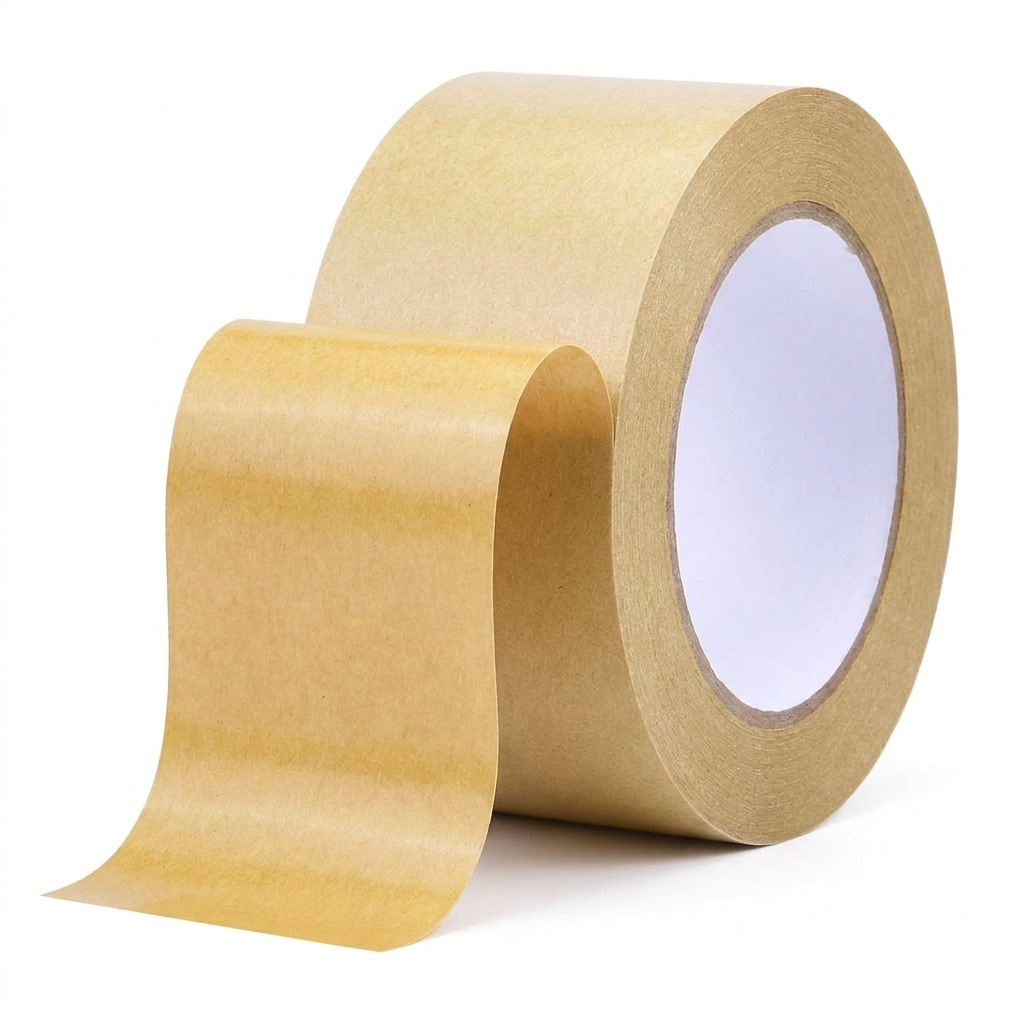
PE Self-Adhesive Kraft Paper Tape Manufacturer
PE Self-Adhesive Kraft Paper Tape is made from durable kraft paper laminated with a PE coating and a strong pressure-sensitive adhesive. It offers moisture resistance, excellent tear strength, and reliable adhesion, making it ideal for carton sealing, packaging, bundling, labeling, and general industrial use.
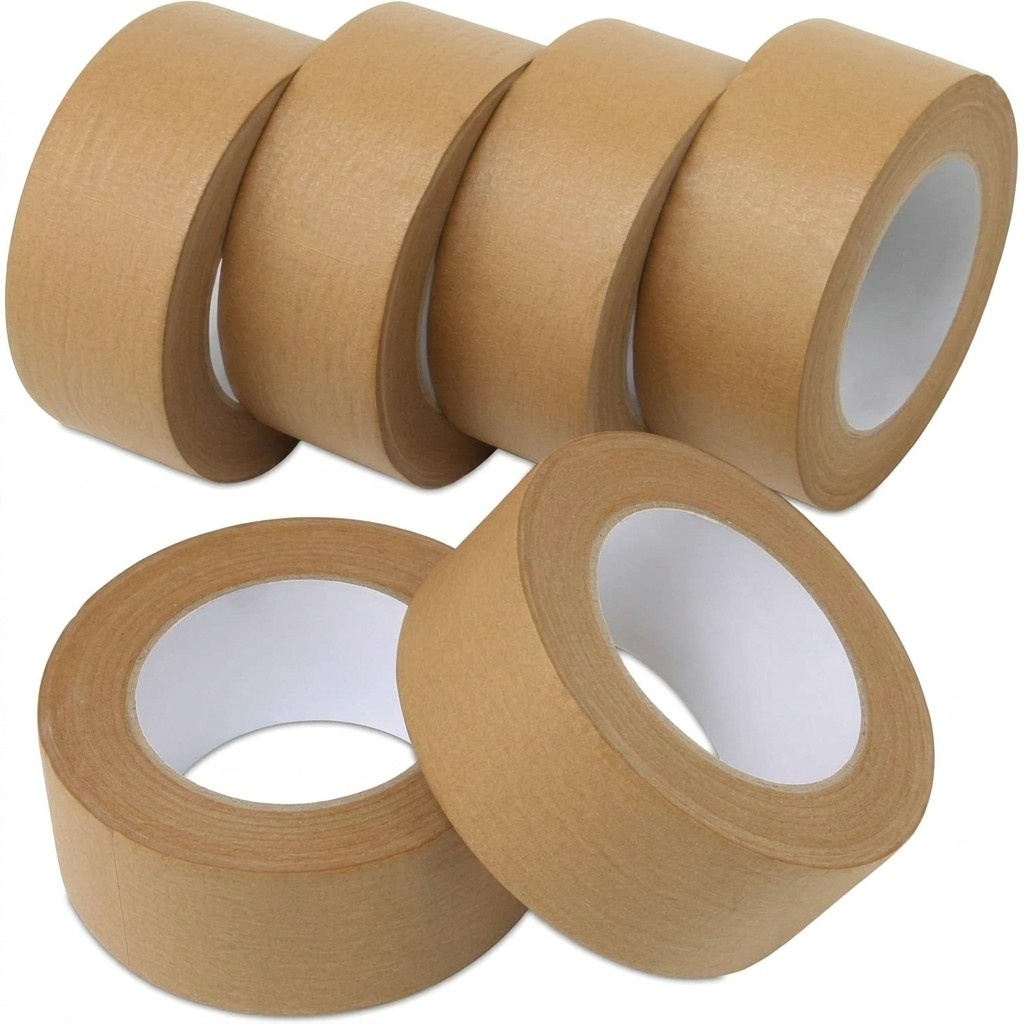
Kraft Paper Tape Manufacturer
Kraft Paper Tape is an eco-friendly adhesive tape made from durable kraft paper. It provides strong adhesion, easy tearability, and reliable sealing performance, making it ideal for carton sealing, packaging, labeling, crafts, and general office use.
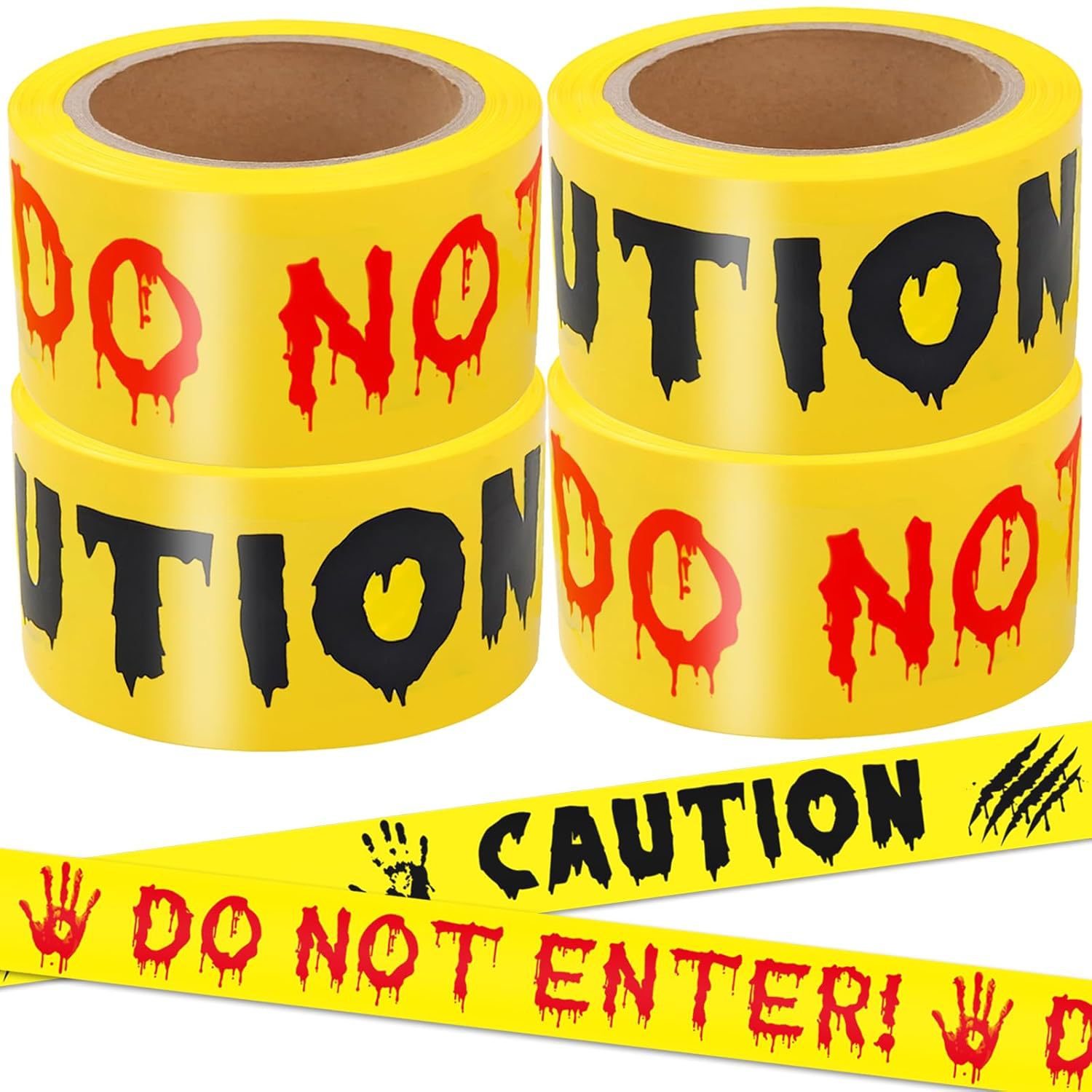
Halloween Caution Tape Manufacturer
Halloween Caution Tape is a festive decorative tape featuring spooky Halloween designs and caution-style lettering. It is ideal for decorating parties, haunted houses, windows, doors, yards, and event spaces, creating a fun and eye-catching atmosphere.
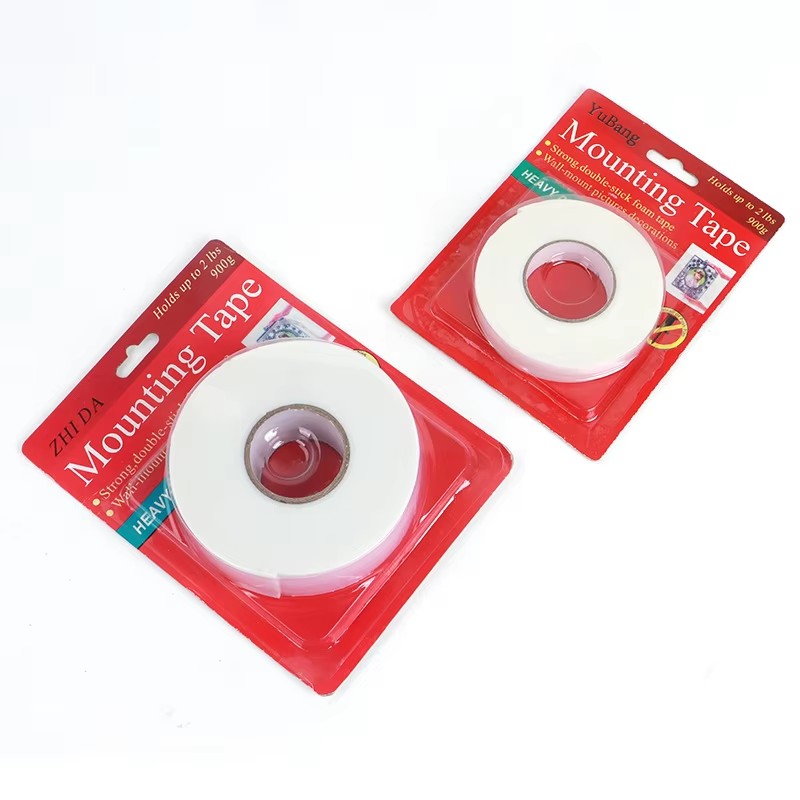
Mounting Tape Manufacturer
Mounting Tape is a strong double-sided adhesive tape designed for securely mounting and fixing items without screws or nails. It provides excellent adhesion, durability, and easy application, making it ideal for signs, decorations, hooks, frames, mirrors, and household or office accessories.