
-
Home

-
Blog
-
Industry News
- Self Fusing Silicone Tape Electrical Insulation, Cable Repair & High Temperature Use

Self Fusing Silicone Tape Electrical Insulation, Cable Repair & High Temperature Use
-
 author
- 25,September
 author
Electrical maintenance buyers rarely choose tape from a product name alone. A cable joint exposed outdoors, a temporary wiring repair, and a routine wire-bundling job may all involve “electrical tape,” yet they place very different demands on the material.
Self-fusing silicone tape is designed for applications where a flexible wrap needs to conform around cable joints, bends, and irregular components while bonding to itself rather than relying on a pressure-sensitive adhesive. That puts it in the same buying conversation as self-fusing electrical tape, cable insulation tape, waterproof electrical tape, and high-temperature electrical tape, but the final choice still depends on the actual job.
This guide focuses on electrical maintenance applications, product selection, wrapping method, and B2B sourcing. HONF’s self-fusing silicone tape provides a practical reference for cable-joint insulation, waterproofing, electrical repair, and temporary outdoor wiring protection.
Self-Fusing Silicone Tape for Electrical Insulation
The way a tape forms its wrap affects both installation and product selection. Conventional vinyl electrical tape uses pressure-sensitive adhesive to stay in place. Self-fusing silicone works differently: it is stretched, overlapped, and allowed to bond to itself. For distributors and industrial buyers, this difference matters before temperature ratings or roll dimensions even enter the discussion. It determines how the tape behaves around cable joints, curved parts, threads, and other surfaces where a flat adhesive-backed tape may be less convenient.
Self-Fusion Mechanism and Adhesive-Free Wrapping
When self-fusing silicone tape is stretched and wrapped over itself, the contacting layers gradually form an integrated silicone wrap. Because the bond is created between layers, the tape can follow irregular profiles without depending on an adhesive coating against the cable surface.
HONF’s silicone construction has elongation of at least 150%, giving it the flexibility needed for bends, joints, threaded parts, and similar shapes.
The term self-amalgamating tape often appears in the same searches. From a purchasing standpoint, the name is only the starting point. Material construction, electrical performance, service temperature, and the intended application should still be checked before a product is approved.
Self-Fusing Silicone Tape vs Conventional Vinyl Electrical Tape
Both tape types can appear in electrical maintenance, but their typical roles are different.
| Selection Point | Self-Fusing Silicone Tape | Conventional Vinyl Electrical Tape |
| Bonding method | Fuses to itself | Pressure-sensitive adhesive |
| Typical role | Joint wrapping, sealing, irregular profiles | General insulation, bundling, identification |
| Key application factor | Stretch and overlap | Adhesive and backing performance |
| Common buying focus | Electrical performance, temperature, exposure | Adhesive grade, backing, service conditions |
Vinyl tape remains widely used for general wiring, bundling, and identification. A self-fusing silicone wrap becomes more relevant when the job involves a cable joint, moisture protection, an irregular profile, or a service environment where a conformable wrap is useful.
Cable Joint Protection and Outdoor Electrical Maintenance
Cable joints and outdoor wiring combine several issues that buyers need to consider at the same time. Electrical insulation is one. Moisture, temperature variation, component shape, and application consistency matter as well. This is why a quick hand test tells very little about how a cable repair tape will behave in service. A representative application gives purchasing teams a better basis for sample approval and makes supplier comparisons more meaningful before moving into regular orders.
Cable Joint Insulation and Temporary Outdoor Wiring
For cable-joint applications, HONF self-fusing silicone tape combines a conformable wrap with insulation strength of ≥20 kV/mm. Its operating range of -60°C to +200°C also gives buyers a wide temperature window for maintenance applications.

A typical use may involve wrapping a localized cable connection on outdoor equipment or adding insulation and waterproofing around a joint. In this situation, dielectric performance, moisture exposure, working temperature, and wrapping quality need to be considered together.
This is also where broad search terms such as cable repair tape, wire insulation tape, and waterproof electrical tape need a little context. They describe a need, not one universal product. The cable construction and working conditions should guide the final selection.
Distributors planning a broader maintenance assortment can also review the HONF household tape range for complementary repair products rather than building each SKU as a separate sourcing program.
2026 Electrification Trends and Outdoor Electrical Maintenance
Electrification is increasing the amount of electrical equipment operating in commercial buildings, transport networks, industrial sites, and outdoor environments. EV charging is one visible example. The International Energy Agency projects that more than 350 million light-duty vehicle charging points will be added worldwide from 2026 through the end of 2035 under its Current Policies Scenario.
For B2B maintenance suppliers, rapid charging deployment is one sign of the broader growth in distributed electrical infrastructure. As more electrical equipment is installed across residential, commercial, workplace, and public locations, cable protection and field maintenance remain practical purchasing considerations.
Tape selection should still follow the electrical requirement, cable design, operating environment, and any project-specific documentation. Electrification creates the maintenance demand; the application decides the product.
High-Temperature Electrical Tape Selection
High-temperature electrical tape covers more than one tape construction. Buyers may be dealing with cable joints, field repairs, manufactured components, or equipment exposed to repeated temperature changes. A maximum temperature figure is useful, but it should not become the only selection criterion. For self-fusing silicone tape, flexibility, electrical insulation, wrapping behavior, and service conditions need to be considered together. This gives buyers a better basis for comparing products that may all appear under the same broad high-temperature search term.
Temperature Range, Dielectric Performance, and Service Conditions
HONF lists a published operating temperature range of -60°C to +200°C, with insulation strength of ≥20 kV/mm. These two figures provide useful screening criteria when a purchasing team is evaluating tape for electrical maintenance.
Other practical checks include:
- component geometry and wrapping area;
- indoor or outdoor installation;
- moisture exposure;
- required electrical performance;
- working temperature;
- customer or project documentation requirements.
A sample wrapped around the intended component—or a representative part with similar geometry—is more useful than simply stretching the tape by hand. Buyers can see whether the material follows the joint cleanly, whether installers can maintain consistent overlap, and whether the selected width suits the component.
Once the product specification fits the service conditions, application becomes the next factor affecting the finished wrap.
Application Method for Reliable Self-Fusion
Self-fusing electrical tape depends on controlled stretch and overlap. Loose wrapping or uneven tension can prevent the layers from forming a consistent wrap, while contamination can make installation unnecessarily difficult. This is relevant not only to maintenance technicians. Distributors and private-label buyers also need an application method that is easy to explain and repeat across different customers. Clear installation guidance reduces avoidable problems after the product leaves the warehouse and makes sample evaluation more realistic.
Surface Preparation, Stretch Ratio, and Half-Overlap Wrapping
Begin with a clean, dry area free from dust and oil. Stretch the tape to approximately 1.5 times its original length, then wrap it with a half-overlap pattern while keeping the stretch even. The contacting layers then self-fuse over several minutes.
Around cable joints or changing diameters, keep the wrap smooth instead of simply pulling as hard as possible. Consistent layer-to-layer contact is the goal.
This method also addresses common search questions such as how to use self-fusing tape, how much to stretch silicone tape, and self-fusing tape overlap without turning a professional sourcing guide into a basic DIY article.
Buyers who source several adhesive categories can review HONF functional tape solutions to connect electrical repair products with a wider tape portfolio for hardware, maintenance, construction, and packaging channels.

B2B Selection for Distributors and Industrial Buyers
Once the technical fit is clear, the buying discussion moves toward consistency. One successful sample is useful, but distributors need later production orders to remain aligned with the approved product. Width, length, color, handling, packaging, and the agreed construction all matter when the tape becomes part of a repeat-order program. When qualifying a self-fusing silicone tape supplier, the practical goal is not simply to obtain the lowest first quotation. It is to establish a specification that can be supplied consistently.
Specifications to Confirm Before Sampling and Bulk Orders
HONF offers 12 mm, 19 mm, and 25 mm widths, with 1 m, 3 m, and 5 m roll lengths. Black, red, yellow, green, and blue options are available.
A useful inquiry should define the application before pricing begins. Buyers normally need to confirm the target component, required dimensions, color, working environment, electrical requirements, sample quantity, expected bulk demand, and packaging requirements.
There is no need to carry every size just because it is available. An industrial maintenance distributor may build its assortment differently from a general hardware retailer. A smaller range built around repeat customer demand is often easier to stock, quote, and reorder.
For buyers evaluating long-term cooperation, HONF’s manufacturing and company background provides more detail on production capability, tape categories, customization, and international supply experience.
Conclusion
Self-fusing silicone tape is a practical choice for electrical maintenance applications that need a flexible, adhesive-free wrap around cable joints or irregular components. For B2B buyers, the selection process should stay focused on the job: electrical requirements, service temperature, moisture exposure, component shape, dimensions, and application method.
Once those points are defined, representative sample testing gives both the buyer and supplier a clearer reference for bulk production. HONF supports distributors, industrial buyers, OEM projects, and private-label programs with multiple sizes and color options.
Buyers can contact HONF for a sample or bulk quotation with the target application, required specification, estimated quantity, and packaging details.
FAQs
Q1: Is self-fusing silicone tape the same as self-amalgamating tape?
A: The terms are often used across similar self-bonding tape categories, but the actual construction should still be checked. For electrical sourcing, compare the material, operating temperature, insulation performance, and intended application rather than relying only on the product name.
Q2: Can self-fusing silicone tape be used for cable joint insulation?
A: Yes. HONF self-fusing silicone tape is suitable for cable-joint insulation and waterproofing, with insulation strength of ≥20 kV/mm.
Q3: Is HONF self-fusing silicone tape suitable for outdoor wiring?
A: Temporary outdoor wiring protection is one of its applications. For B2B projects, buyers should also consider moisture exposure, working temperature, cable construction, and project requirements before sample approval.
Q4: What temperature range does HONF silicone electrical tape support?
A: The operating range is -60°C to +200°C. When comparing high-temperature electrical tape, buyers should evaluate temperature together with electrical performance, component shape, and the actual service environment.
Q5: How much should self-fusing silicone tape be stretched and overlapped?
A: Stretch the tape to approximately 1.5 times its original length and apply it with a half-overlap pattern. Keep the area clean and dry, maintain even stretch while wrapping, and allow the layers several minutes to self-fuse.
Recent Post



Related Products
Best-selling Products
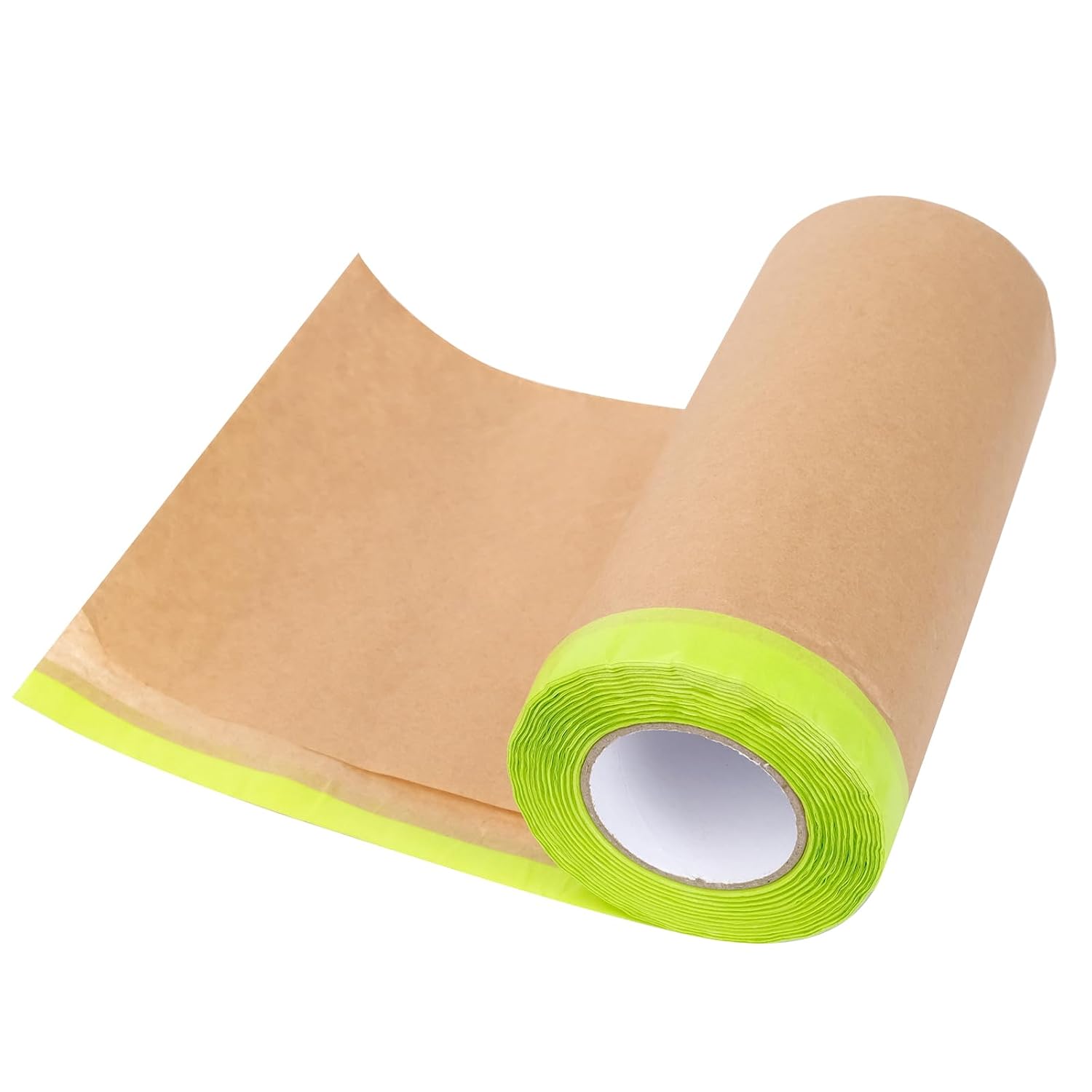
Kraft Masking Film Manufacturer
Kraft Masking Film is a protective masking material made from kraft paper, often with an adhesive edge for quick application. It helps shield floors, walls, furniture, and other surfaces from paint, dust, dirt, and overspray during decorating, renovation, and construction work. It is easy to use, cut, and remove after the job is complete.
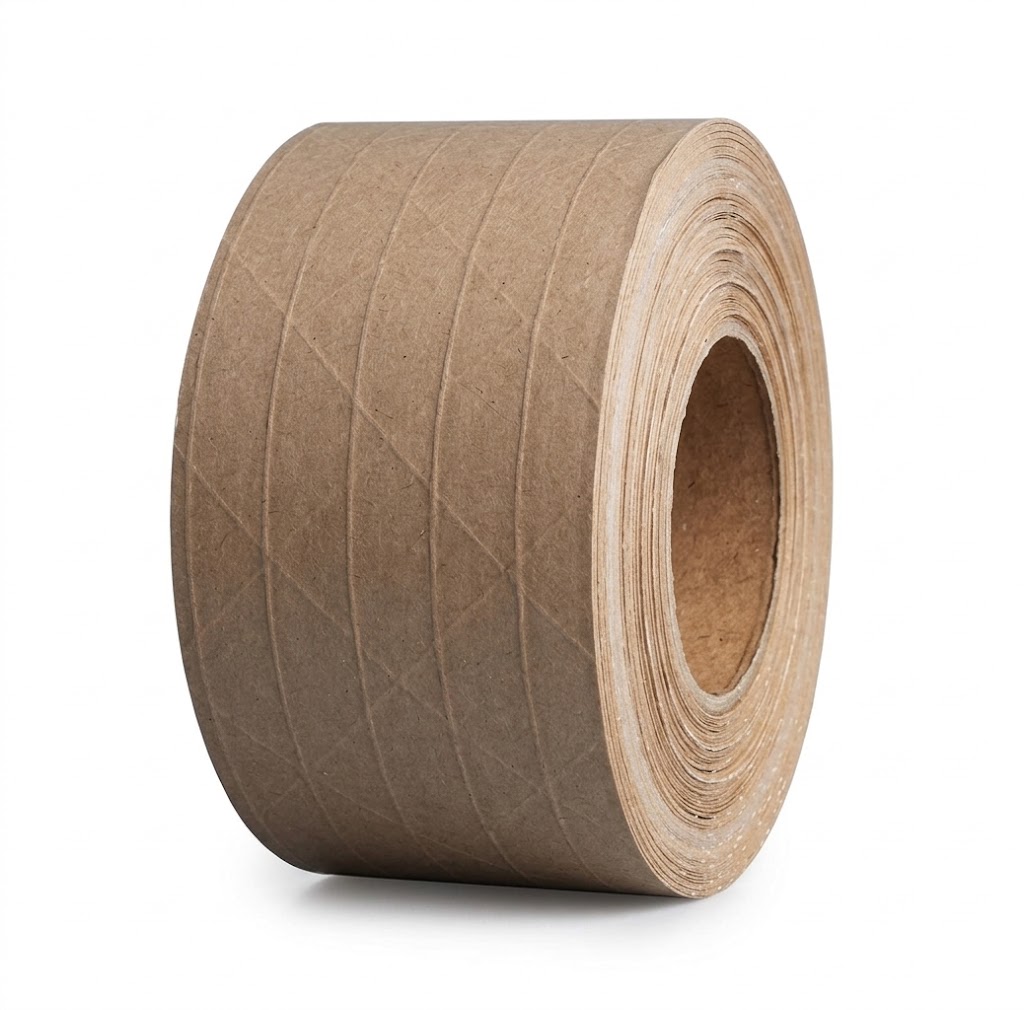
Reinforced Water-Activated Kraft Paper Tape Manufacturer
Reinforced Water-Activated Kraft Paper Tape is made from durable kraft paper reinforced with strong fibers and activated by water. It provides excellent adhesion, high tensile strength, and tamper-evident sealing, making it ideal for sealing cartons, heavy-duty packaging, and shipping boxes.
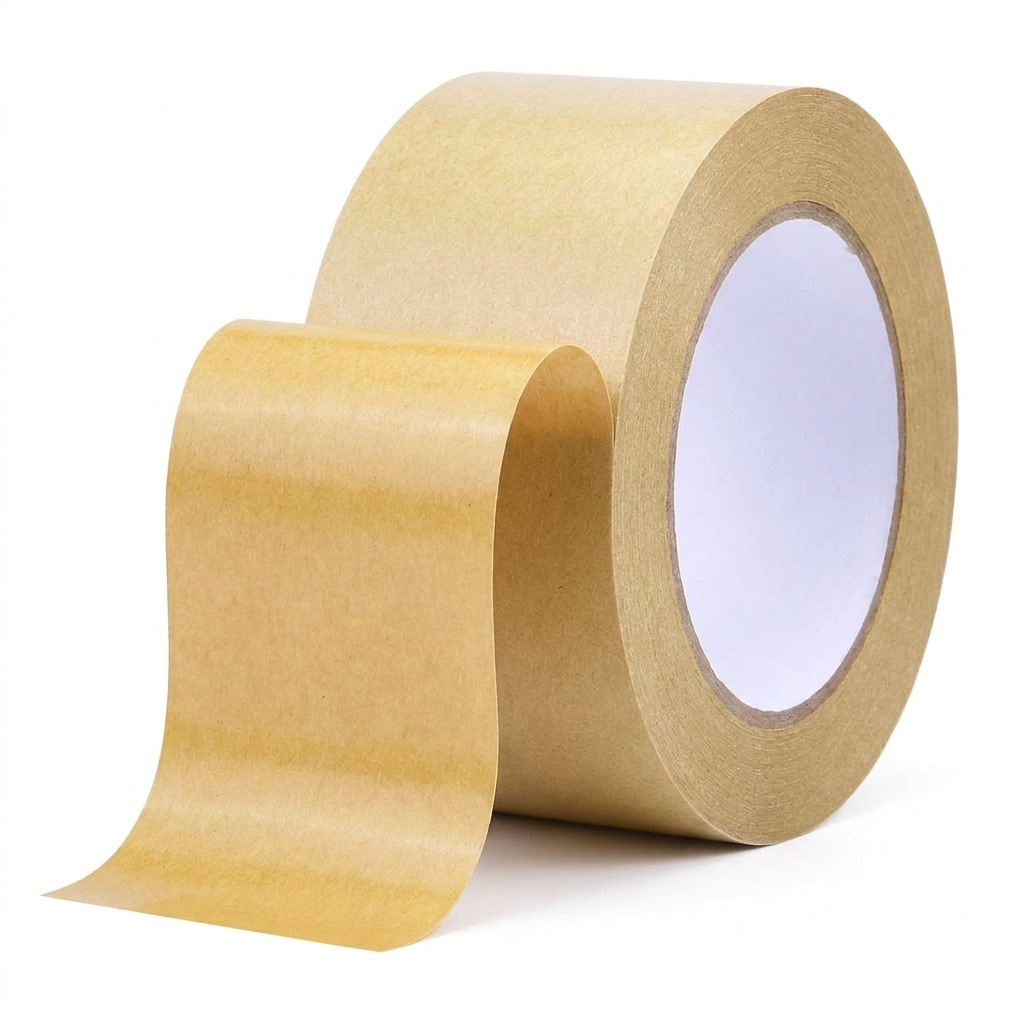
PE Self-Adhesive Kraft Paper Tape Manufacturer
PE Self-Adhesive Kraft Paper Tape is made from durable kraft paper laminated with a PE coating and a strong pressure-sensitive adhesive. It offers moisture resistance, excellent tear strength, and reliable adhesion, making it ideal for carton sealing, packaging, bundling, labeling, and general industrial use.
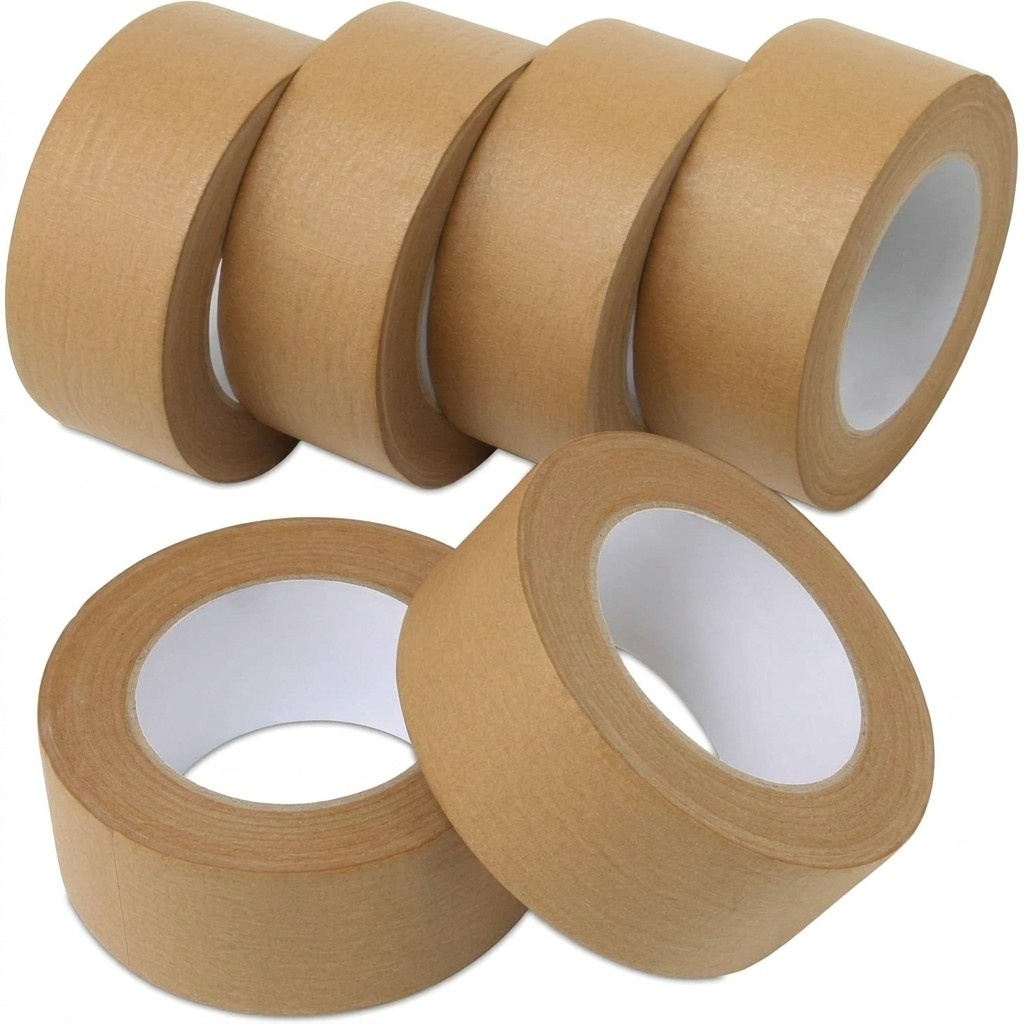
Kraft Paper Tape Manufacturer
Kraft Paper Tape is an eco-friendly adhesive tape made from durable kraft paper. It provides strong adhesion, easy tearability, and reliable sealing performance, making it ideal for carton sealing, packaging, labeling, crafts, and general office use.
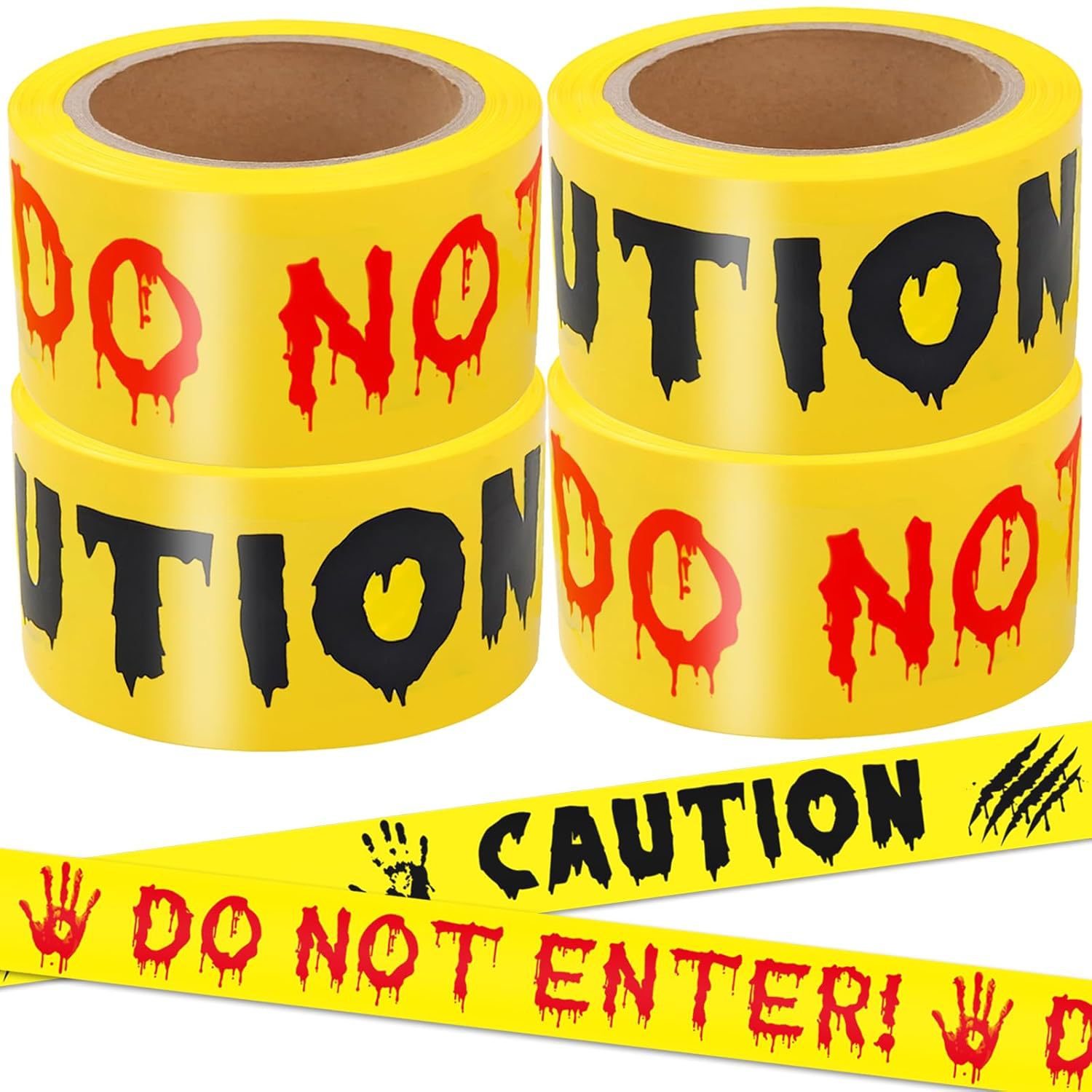
Halloween Caution Tape Manufacturer
Halloween Caution Tape is a festive decorative tape featuring spooky Halloween designs and caution-style lettering. It is ideal for decorating parties, haunted houses, windows, doors, yards, and event spaces, creating a fun and eye-catching atmosphere.
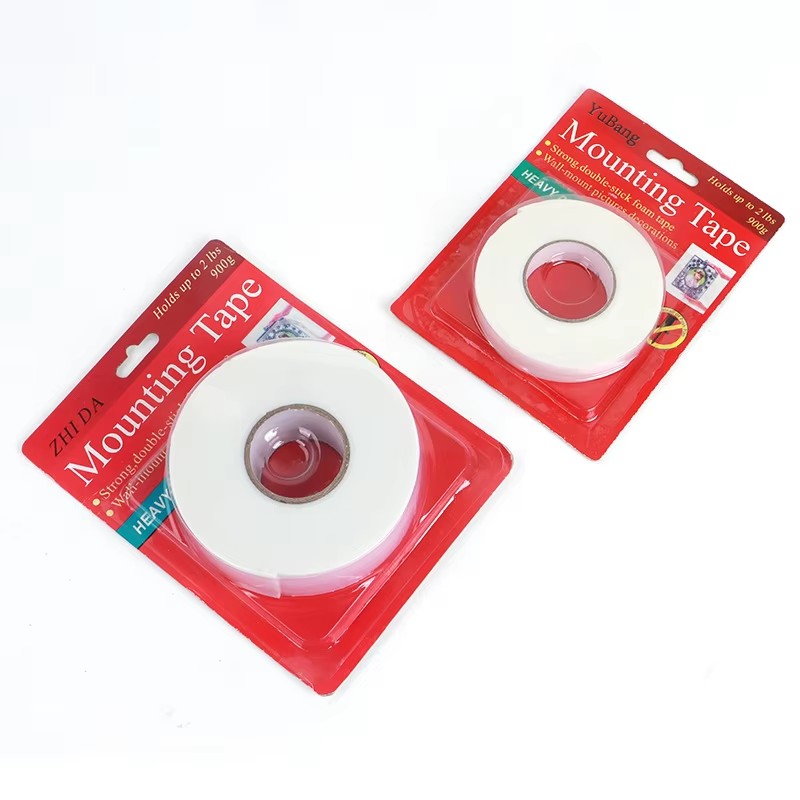
Mounting Tape Manufacturer
Mounting Tape is a strong double-sided adhesive tape designed for securely mounting and fixing items without screws or nails. It provides excellent adhesion, durability, and easy application, making it ideal for signs, decorations, hooks, frames, mirrors, and household or office accessories.