
-
Home

-
Blog
-
Industry News
- Window Screen Repair Tape Guide for Retail and Private Label

Window Screen Repair Tape Guide for Retail and Private Label
-
 author
- 8,October
 author
Window screen repair tape is best positioned as a quick patch for small holes, short tears, and localized wear when sound mesh remains around the damage. It should not be sold as a universal substitute for rescreening, frame repair, or spline replacement.
Retail and private-label buyers need to qualify the tape on the actual screen materials in their market, then build claims and instructions around the combinations that pass.
A reliable buying decision covers four questions: what damage the product can address, which meshes accept the adhesive, how visible and durable the patch is under intended conditions, and whether the packaging sets realistic expectations.
A sample approval matrix is more valuable than a long feature list because it turns these questions into repeatable launch and receiving criteria.
Define the Repair Job Before You Choose the Tape
Repair tape needs stable mesh around the damaged area. That surrounding material carries the patch and gives the adhesive enough contact beyond the opening. The useful scope is therefore localized damage: a small puncture, a short cut, a worn spot, or an edge area that still leaves secure mesh for overlap. The package should show this boundary clearly.
The HONF window screen repair tape is intended for compatible window and door insect screens. It is not the right remedy for a bent or broken frame, failed spline, detached screen, very large opening, severely stretched mesh, structural load, or a safety-rated barrier. Route those jobs to replacement materials or an appropriate repair system instead of stretching the tape claim.
This boundary matters commercially. A tightly defined use case helps retail staff recommend the product, reduces preventable returns, and protects the brand from promises the sample never proved. It also separates a convenient household patch from a full window screen repair kit containing mesh, spline, and installation tools.
Match the Patch to the Screen and the Damage
Screen materials differ in texture, coating, strand shape, openness, flexibility, and surface energy. Fiberglass, coated polymer, metal, and specialty meshes may not respond alike even when they look similar from a distance.
Ask retail partners for representative samples or obtain common local screens, then label every result by material rather than reporting a single universal pass.
HONF’s standard repair tape uses a polyurethane construction in a flexible, screen-like form with a cotton-tissue adhesive construction. The standard format is 0.3 mm thick, 50 mm wide, and 2 m long.
These dimensions can support compact household repair tasks, but they do not prove compatibility with every insect screen. Buyers should approve mesh pattern, openness, appearance, tack, aging behavior, residue, and removal on the intended substrates.
Damage geometry also changes the outcome. A round puncture gives more uniform surrounding contact than a long tear that continues to spread. Frayed strands, contamination, and loose edges reduce useful bonding area.
Define a minimum overlap onto sound mesh during sampling, round the patch corners where practical, and reject applications in which the tape mainly bridges empty space.
Build a Retail Assortment Shoppers Can Understand
HONF lists gray, white, and black as standard color choices. A retailer can begin with the shade that best matches its dominant screen assortment, then add colors only when sell-through or channel needs justify them.
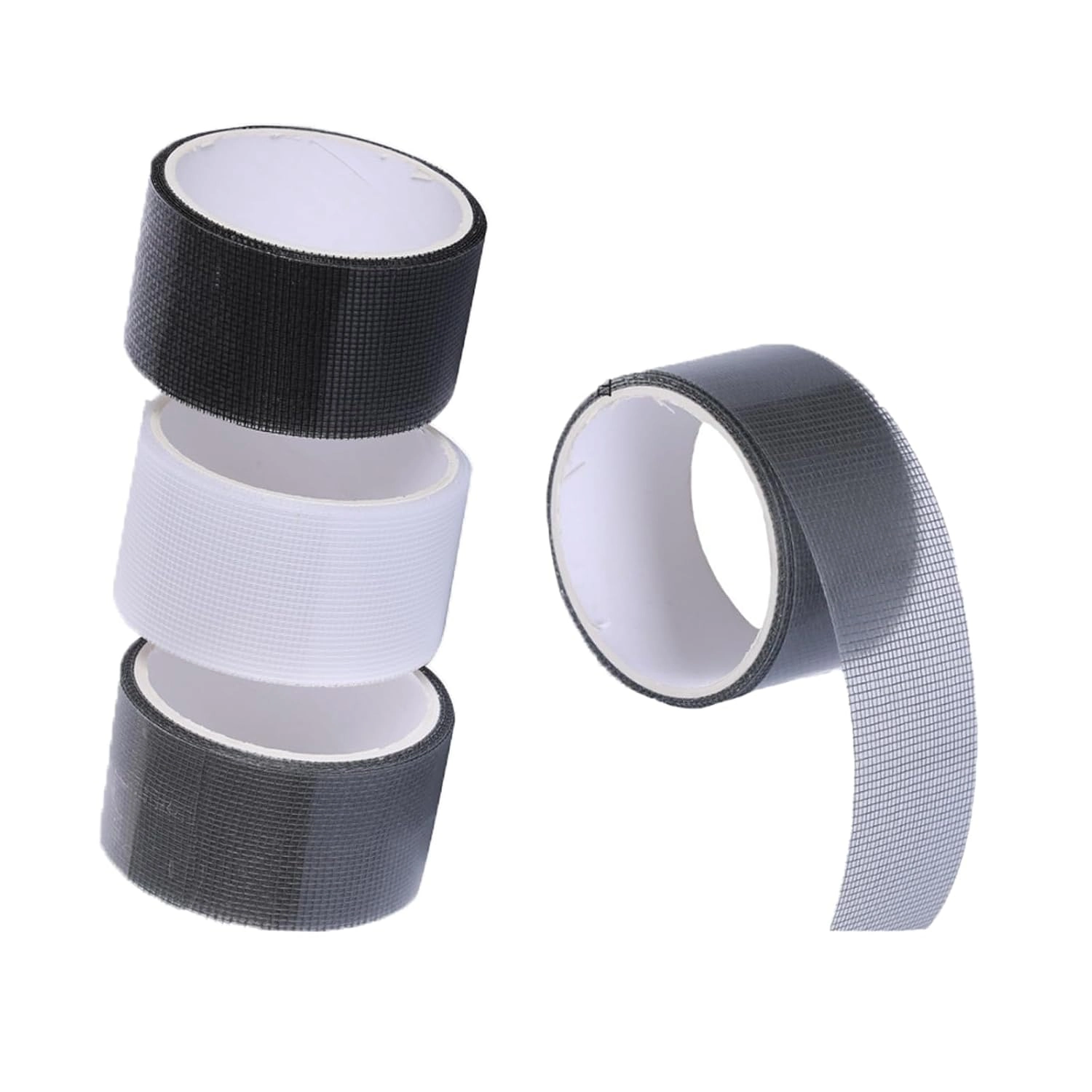
The 50 mm by 2 m roll gives shoppers material for cutting more than one patch, while the final SKU count should still reflect shelf space, online navigation, and replacement risk.
Merchandise the product by task, not by an unexplained material name. A simple range can distinguish localized window and screen-door patching from other products in the household repair tape range. Use front-panel language that identifies the repair boundary, supported screen types, color, and format. Put preparation and exclusions where shoppers can see them before purchase.
For e-commerce, show the roll dimensions and the patching method in words without implying that the repair disappears. State whether the listing sells a roll, precut pieces, or a broader kit. The title, bullets, package, and instructions should use the same scope so marketplaces, retailers, and end users do not receive conflicting promises.
Qualify Application and Appearance Before Launch
Build a sample matrix around the intended market. Include each target screen type and color, clean and realistically aged surfaces, a small puncture, a short tear, and an edge-wear example. Apply patches indoors and, if outdoor use will be claimed, expose samples under defined local conditions for an agreed period. Record observations instead of using vague labels such as weatherproof or permanent.
- Clean and dry the mesh using a method consumers can reasonably follow. Do not use a laboratory preparation that will not appear in the instructions.
- Trim loose strands without enlarging the opening, cut a patch with the specified overlap, and round corners if that is part of the approved method.
- Press the patch across supported mesh with consistent hand pressure. Record application temperature and any dwell time before handling.
- Inspect immediate bond, edge lift, distortion, blocked airflow, color contrast, and whether the damaged strands continue to move.
- Recheck after the chosen aging interval and realistic moisture, heat, sunlight, cleaning, or flexing exposure. Keep photos and physical references by sample code.
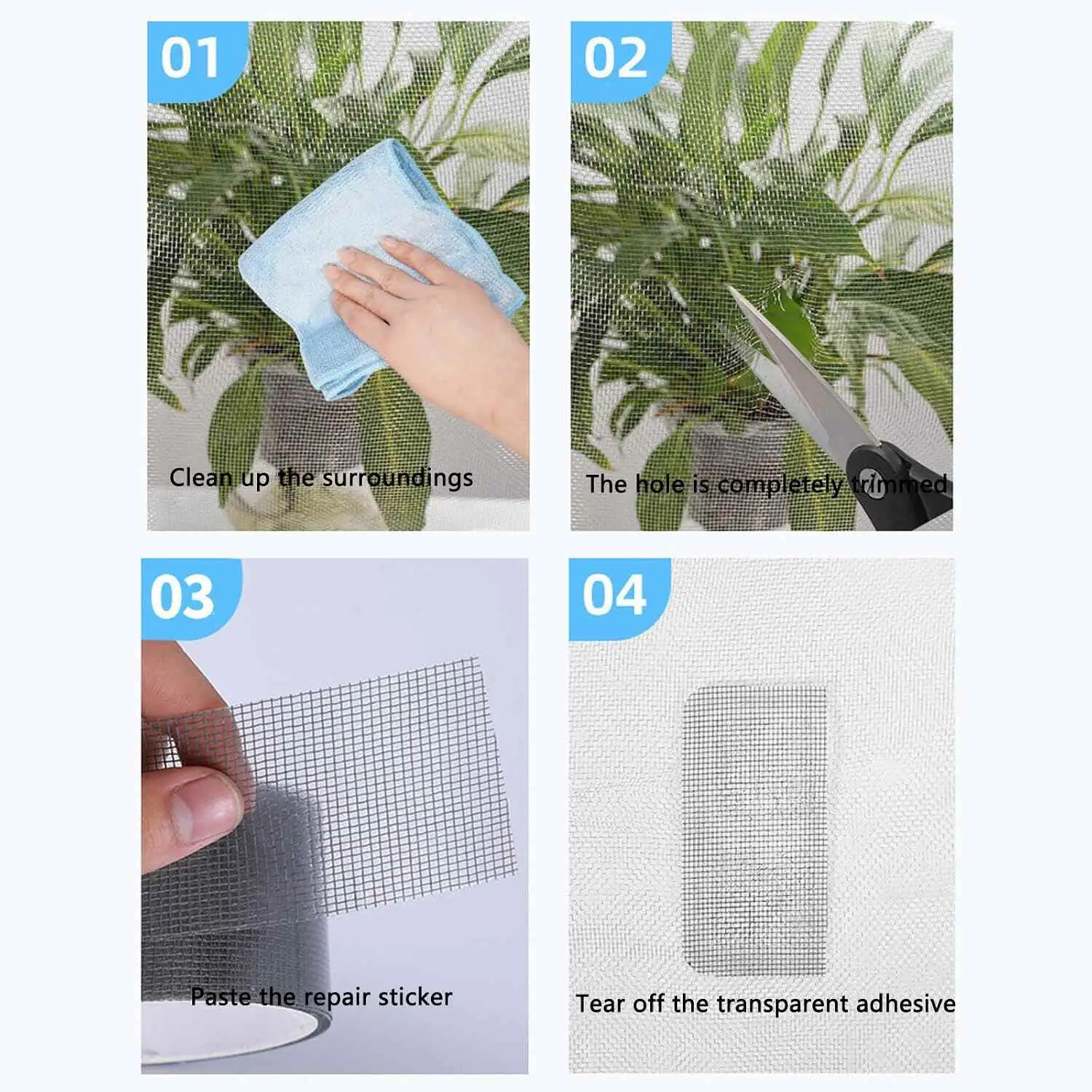
Appearance is a legitimate acceptance criterion, but ‘invisible’ is rarely defensible at close range. Evaluate the patch from normal viewing distance and under representative light. Decide how much contrast, mesh mismatch, and edge visibility the shopper should expect. If appearance is poor but the repair holds, the product may still fit utility areas while being unsuitable for prominent windows.
Plan Private Label Packaging and Claims
The package has to do more than carry a logo. It should state the supported repair type, known exclusions, mesh compatibility established by the buyer’s tests, roll dimensions, color, surface preparation, cutting method, overlap guidance, pressure step, and storage instructions.
Add the responsible business information, barcode, market language, and any traceability fields required by the buyer’s quality system.
Claims must follow evidence. Replace ‘works on all screens’ with the approved screen types; replace ‘permanent’ with a neutral repair description unless a defined test supports duration; and avoid fixed outdoor life when climate, exposure, and substrate vary. If the product will enter multiple markets, have the importer or responsible compliance team review labeling and consumer instructions for each destination.
HONF can discuss alternative dimensions, color programs, and retail or private-label packaging for qualified volume orders, subject to order review and sample approval. Use the HONF OEM and ODM service to frame the customization discussion, then lock the approved tape, color, artwork, instructions, selling unit, and master-carton details in the purchase specification.
Send an RFQ That Supports a Meaningful Sample
A useful RFQ identifies the target screen materials, common frame and mesh colors, damage examples, indoor or outdoor use, expected consumer application, desired format, planned selling channels, markets, packaging languages, artwork needs, initial estimate, and approval schedule.
Include the exact tests and claims the sample must support. This gives the supplier a defined job instead of an open request for the best tape.
- Request standard samples first and mark each roll with its product or batch reference.
- Send representative mesh pieces when local screen constructions are important to the program.
- Agree on color, dimensions, allowable variation, packaging configuration, and receiving checks.
- List prohibited claims and any market-specific label review required before artwork approval.
- Retain signed artwork, instructions, test records, and physical samples as the repeat-order reference.
Conclusion
Choose window screen repair tape by proving a narrow job well. Define the maximum damage and exclusions, test every intended mesh family, set a realistic appearance standard, and make the package teach the approved method.
For retail and private label, a compact color range with clear instructions is usually more defensible than a broad assortment built on untested universal claims.
For standard samples or a custom retail discussion, send HONF your screen repair program requirements, including target mesh samples, damage scenarios, colors, format, packaging, destination markets, expected quantity, and the criteria your team will use for approval.
Frequently Asked Questions
Can window screen repair tape be used on fiberglass and metal screens?
It may work on some compatible screens, but material names alone do not establish adhesion. Coatings, texture, strand shape, contamination, and flexibility vary. Test representative samples from the intended market, record results by screen type, and name only approved materials in retail claims and instructions.
Is screen repair tape suitable for outdoor use?
Outdoor suitability must be established for the exact tape, screen, climate, and exposure behind the claim. Sunlight, heat, moisture, cleaning, and movement can affect the patch. Use defined aging conditions and an observation period, then word the package conservatively. Do not promise a fixed life without evidence that matches the destination market.
Will the patch be invisible?
No repair should be assumed invisible. Color matching can reduce contrast, but mesh pattern, openness, patch size, lighting, and viewing distance still affect appearance. Approve the result under representative conditions and show a realistic expectation in product content rather than retouching the repair or promising disappearance.
When should a screen be replaced instead of patched?
Choose replacement when damage is large, spreading, severely stretched, detached from the frame, associated with failed spline, or located in a screen with a safety function. A patch needs stable surrounding mesh and cannot restore a broken frame or certify a barrier. Put these exclusions in instructions and customer-service guidance.
What should be approved before private-label production?
Approve the physical tape, supported meshes, color, dimensions, patch method, aging results, claims, artwork, instructions, selling unit, barcode, and master-carton details. Keep the signed records and reference samples together. Any change to tape construction, dimensions, color, or packaging should trigger a documented review before the next order.
Recent Post



Related Products
Best-selling Products
Kraft Masking Film Manufacturer
Kraft Masking Film is a protective masking material made from kraft paper, often with an adhesive edge for quick application. It helps shield floors, walls, furniture, and other surfaces from paint, dust, dirt, and overspray during decorating, renovation, and construction work. It is easy to use, cut, and remove after the job is complete.
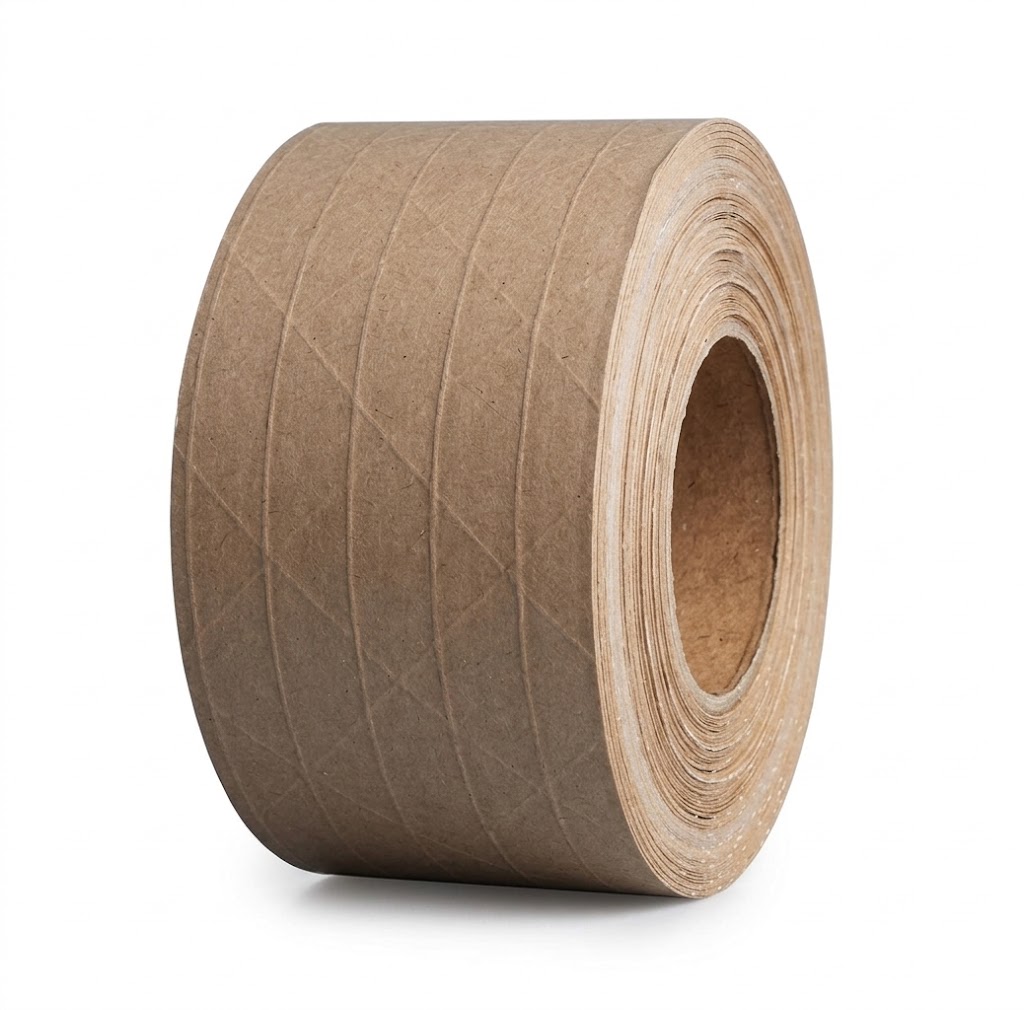
Reinforced Water-Activated Kraft Paper Tape Manufacturer
Reinforced Water-Activated Kraft Paper Tape is made from durable kraft paper reinforced with strong fibers and activated by water. It provides excellent adhesion, high tensile strength, and tamper-evident sealing, making it ideal for sealing cartons, heavy-duty packaging, and shipping boxes.
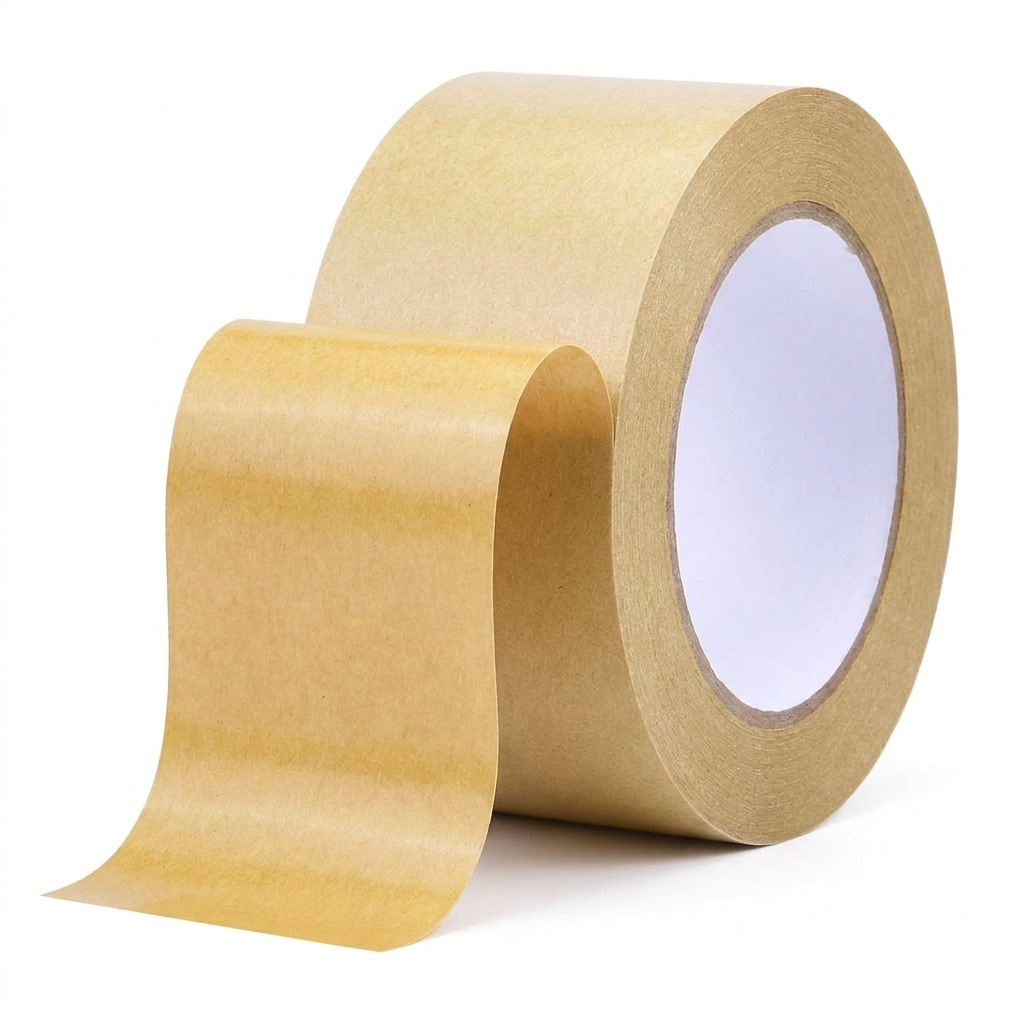
PE Self-Adhesive Kraft Paper Tape Manufacturer
PE Self-Adhesive Kraft Paper Tape is made from durable kraft paper laminated with a PE coating and a strong pressure-sensitive adhesive. It offers moisture resistance, excellent tear strength, and reliable adhesion, making it ideal for carton sealing, packaging, bundling, labeling, and general industrial use.
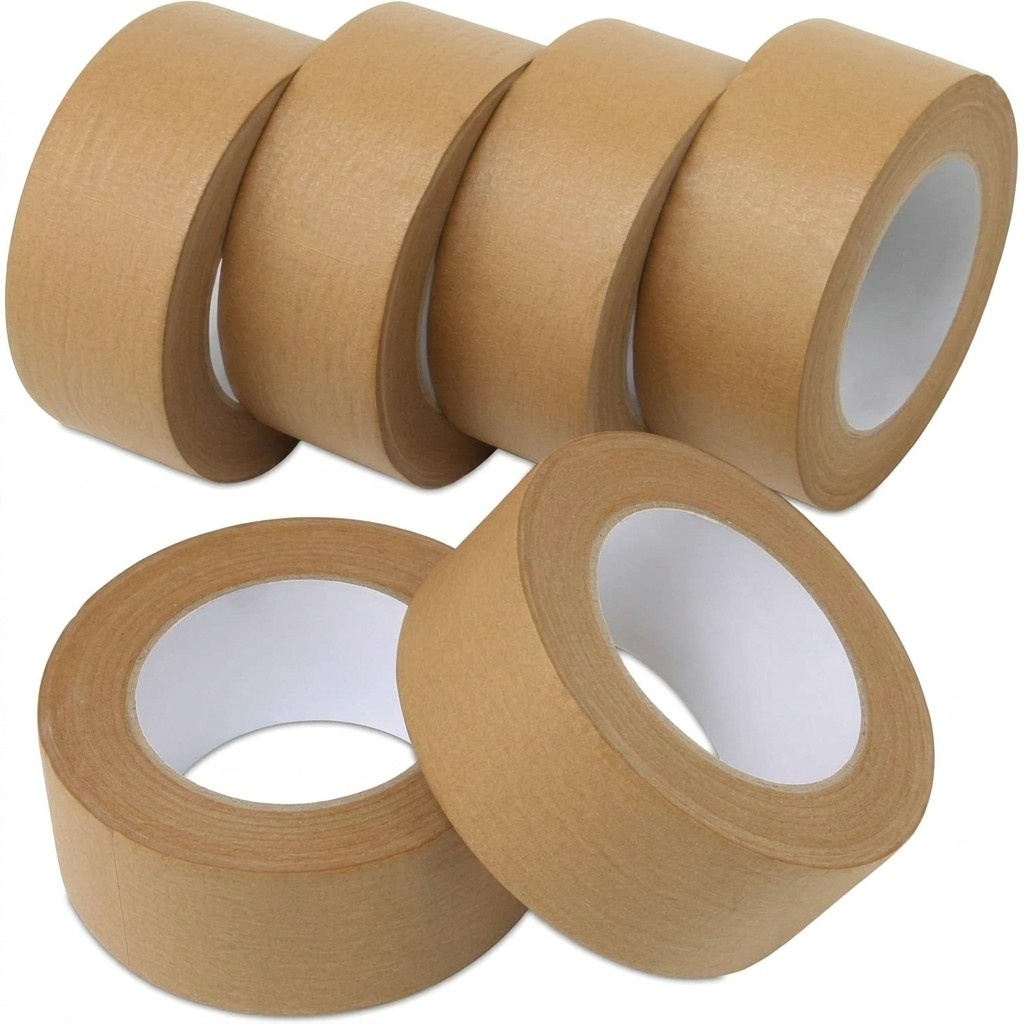
Kraft Paper Tape Manufacturer
Kraft Paper Tape is an eco-friendly adhesive tape made from durable kraft paper. It provides strong adhesion, easy tearability, and reliable sealing performance, making it ideal for carton sealing, packaging, labeling, crafts, and general office use.
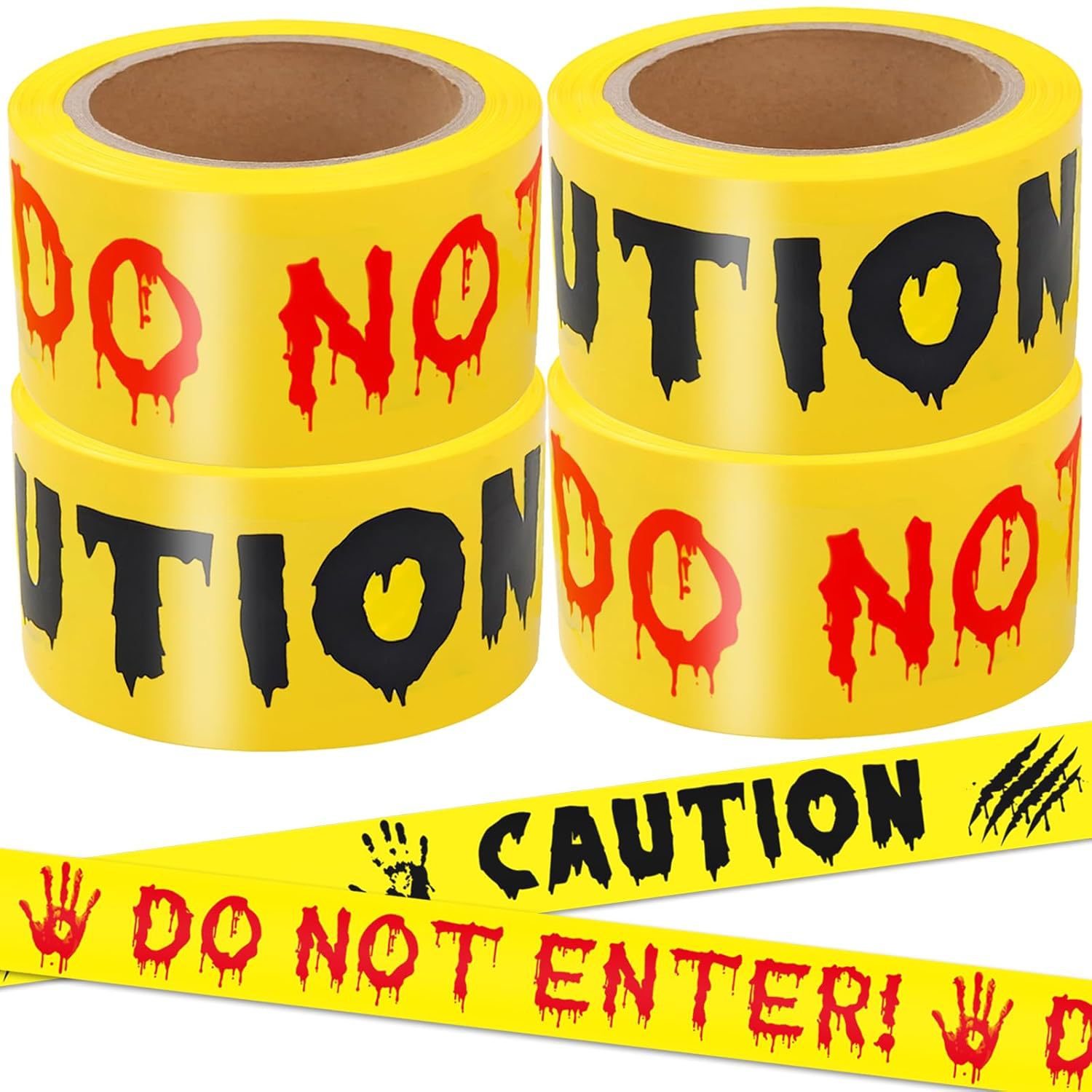
Halloween Caution Tape Manufacturer
Halloween Caution Tape is a festive decorative tape featuring spooky Halloween designs and caution-style lettering. It is ideal for decorating parties, haunted houses, windows, doors, yards, and event spaces, creating a fun and eye-catching atmosphere.
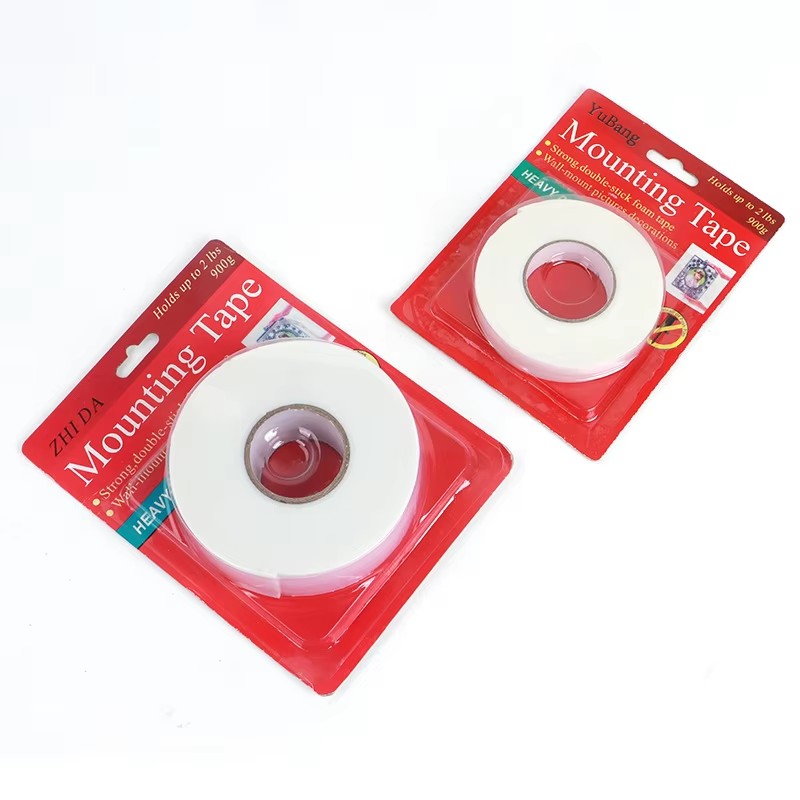
Mounting Tape Manufacturer
Mounting Tape is a strong double-sided adhesive tape designed for securely mounting and fixing items without screws or nails. It provides excellent adhesion, durability, and easy application, making it ideal for signs, decorations, hooks, frames, mirrors, and household or office accessories.