
-
Home

-
Blog
-
Industry News
- Low Noise Packing Tape for Warehouses and Fulfillment Centers

Low Noise Packing Tape for Warehouses and Fulfillment Centers
-
 author
- 9,October
 author
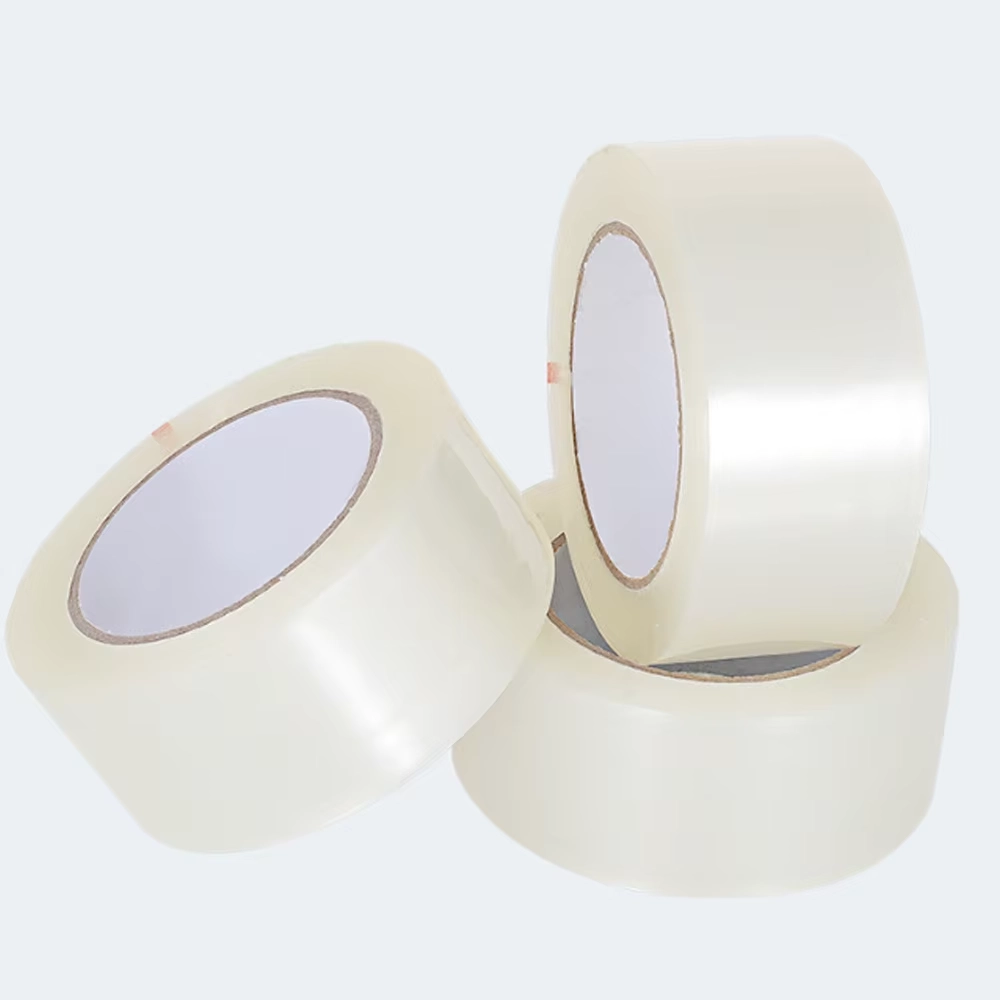
Low noise packing tape is a practical choice for busy manual packing stations when ordinary tape creates a sharp, repetitive unwind sound. The right product still has to seal the actual carton reliably, fit the dispenser, and run comfortably at normal operator speed. Buyers should therefore qualify noise and sealing as two separate acceptance criteria rather than treating a quiet unwind as proof of overall performance.
For warehouses, fulfillment centers, distributors, and private-label programs, the safest decision is a representative trial using production cartons, current hand dispensers, typical environmental conditions, and more than one operator. That trial can confirm whether quieter handling is meaningful without trading away flap closure, edge hold, or workflow efficiency.
When Low-Noise Packing Tape Earns a Place in the Operation
The strongest use case is a packing area where people open many rolls close to one another throughout a shift. Repeated unwind noise can be distracting around manual benches, returns stations, retail back rooms, and shared dispatch zones.
A lower-noise grade may improve the working environment, but the business case depends on station density, tape usage, existing background sound, and whether operators notice a consistent difference.
The low-noise benefit is most apparent at manual packing stations. For automated sealing applications, buyers should evaluate machine compatibility and carton-sealing performance according to the selected tape and equipment.
Start by identifying the stations with the highest hand-taping frequency. This keeps the trial focused and prevents a broad conversion based only on a product label.
What Changes the Unwind Sound
Tape unwind sound comes from several interacting elements: the film, adhesive, release surface, roll tension, unwind speed, and dispenser. The same roll may sound different when pulled slowly by hand, drawn quickly across a bench, or used in a dispenser with a tight brake. Temperature and storage can also affect handling, so a sample tested in an office is not a substitute for a workstation trial.
HONF’s transparent low-noise grade uses a BOPP film backing with a water-based acrylic adhesive. That construction is intended for carton sealing with a smoother, quieter unwind than a conventional noisy roll.
Buyers should treat this as the starting design, not an acoustic guarantee: confirm the unwind character with the exact dispenser, pull speed, carton position, and room conditions used in the packing area.
Avoid specifications that promise silence without a defined method. A useful comparison records the test location, distance from the tape, background conditions, dispenser, and pulling action.
If acoustic measurement matters to an internal health or facilities program, let the responsible specialist define the method; a supplier description alone cannot establish workplace exposure.
Run a Representative Carton-Sealing Trial
A short, controlled trial reveals more than a desk review. Use unopened sample rolls that have been stored as instructed, and compare them with the current tape under the same conditions. Keep operators blind to price during the handling check if possible, then collect observations in a simple form rather than relying on one memorable pull.
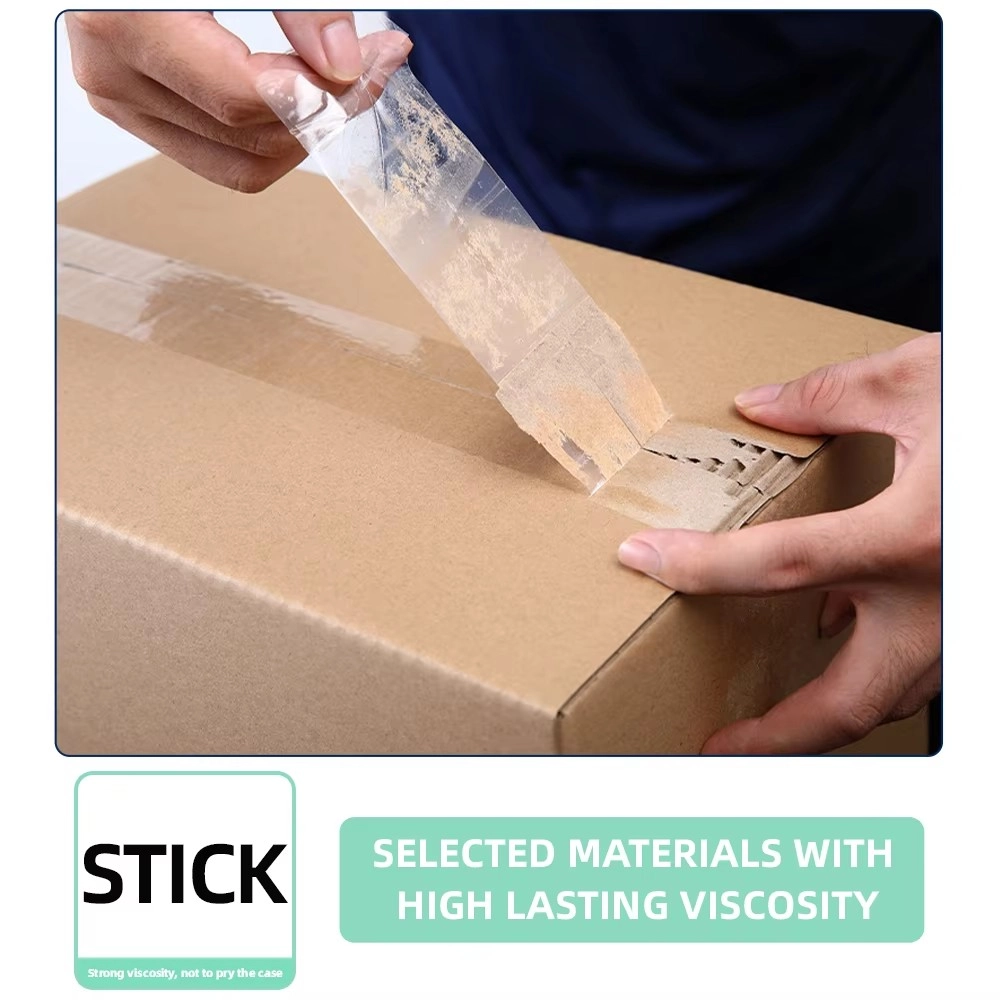
- Select cartons that represent the main board grades, recycled content, print or coating, dust level, weights, and flap stresses in the operation.
- Use the current dispensers and normal application method. Include more than one experienced operator and the stations where unwind noise is most noticeable.
- Rate unwind character, pull consistency, cutting behavior, roll tracking, hand effort, and any dispenser adjustment needed. Record conditions instead of using only pass or fail.
- Seal cartons with the normal strip length and pressure. Inspect initial wet-out, edge lift, flap return, and tape damage after the usual handling and observation period.
- Repeat the trial after normal sample storage and, when relevant, across the operation’s realistic temperature and humidity range. Approve noise and sealing separately.
Do not repair a weak seal by adding extra strips during the comparison; that hides the true consumption and labor effect. If the quiet grade needs a different application pressure or dispenser setting, document the change and retest. Procurement can then compare total process impact, not merely the price per roll.
Choose Roll Format and Color by Workflow
HONF lists 48 mm as the standard width for its transparent low-noise BOPP tape, with 66 m and 100 m standard roll lengths. Those formats give buyers two practical sample points: a shorter roll can suit lighter hand use or distributed stations, while a longer roll may reduce changeovers if the dispenser and operator handling remain comfortable. Verify roll dimensions, core fit, and usable length during incoming inspection.
Transparent tape keeps printed carton information visible and often fits general shipping programs. Buyers who prefer a kraft-like appearance can evaluate brown low-noise BOPP packing tape as a separate color-specific option.
Do not assume that color is the only difference between two SKUs; approve each selected grade on the intended cartons and retain its own reference sample.
For private-label or distribution programs, define the selling unit as carefully as the tape. Confirm roll labeling, bundling, carton quantity, barcode placement, language, and the tolerance fields that will appear in the purchase specification.
Custom dimensions or presentation may affect order requirements and timing, so keep them outside the standard comparison until the supplier confirms feasibility.
Check Seal Quality and Operating Limits
A carton-sealing tape bonds through pressure-sensitive contact, so the substrate and application matter. Dust, loose fibers, moisture, cold surfaces, weak board, heavy print coverage, and high flap stress can change the result.
Sample the worst normal carton as well as the cleanest one. Wipe only if that step is realistic in production; otherwise the test no longer represents the workflow.
When quiet unwind is not the main requirement, compare the proposed grade with a standard BOPP carton-sealing tape. This separates the value of the quieter handling characteristic from the baseline sealing task. It also gives procurement a fallback for automated lines, low-use stations, or cartons on which another adhesive system performs better.
Reject a sample that is pleasantly quiet but lifts, splits, telescopes, transfers adhesive, tracks poorly, or requires abnormal pressure. Also avoid promising permanent outdoor performance, freezer suitability, tamper evidence, or compatibility with every recycled board unless the exact grade has evidence for that claim. When conditions fall outside the approved trial, request a different grade or a new test.
Prepare a Useful Supplier RFQ
A clear RFQ lets the supplier recommend a sample without guessing. Describe the carton surface and board, packed weight range, closure pattern, manual or machine application, dispenser model, storage and use conditions, desired width and length, color, annual estimate, delivery market, and any packaging or labeling needs. Attach photos only as supplementary context; physical cartons are more useful for qualification.
- Define what ‘low noise’ must change in the operation and how the comparison will be observed.
- State seal acceptance criteria, observation time, failure definitions, and who approves the sample.
- Request a product specification and agree which dimensions and properties will be checked by lot.
- Separate standard samples from later custom printing, color, core, carton, or private-label requirements.
- Ask the supplier to flag conditions that require a different adhesive or tape construction.
For a HONF program, use the verified standard construction and roll formats as the sample baseline, then identify any requested changes. The OEM and ODM customization service can support a discussion about branded presentation and custom requirements, subject to order review. Keep the approved physical roll, artwork, packaging file, and written acceptance criteria together so repeat orders are checked against the same reference.
Conclusion
Low noise packing tape deserves approval only when it makes the target workstations noticeably more comfortable and still seals representative cartons without extra labor or material.
First identify where hand-taping frequency justifies the change. Then test unwind behavior and carton performance separately, confirm dispenser fit and roll format, document limitations, and preserve an approved sample for purchasing and receiving teams.
To evaluate a standard sample or discuss a private-label program, send HONF your carton-sealing requirements, including carton types, equipment, operating conditions, preferred roll format, color, estimated quantity, destination market, and acceptance plan.
Frequently Asked Questions
Is low-noise packing tape completely silent?
No. Low noise describes quieter unwind behavior relative to a noisier reference under comparable conditions; it is not a universal promise of silence. The perceived result changes with pull speed, dispenser, roll tension, room acoustics, and background sound. Compare samples at the actual packing stations before setting an internal acceptance criterion.
Does water-based acrylic adhesive work on every carton?
No adhesive should be assumed to work on every board. Surface fibers, recycled content, coatings, dust, moisture, temperature, flap stress, and application pressure can all influence sealing. Test clean and difficult cartons from the real operation, record edge lift and flap return, and approve only the combinations that pass the agreed observation period.
Can low-noise BOPP tape be used with a hand dispenser?
It can be evaluated for hand dispensers, but fit and handling need confirmation. Check roll width, core fit, brake setting, tracking, cutting effort, and operator comfort. A tight brake or worn blade can change both sound and application quality, so use maintained production dispensers during the trial rather than a different demonstration tool.
What documentation should an EU buyer request?
Documentation depends on the product, packaging system, destination, and buyer obligations. Use the EU carton-sealing tape procurement checklist as a planning aid, then have the importer or compliance team confirm the current legal and customer-specific requirements. Do not infer compliance from the tape’s adhesive type or quiet-unwind description.
Recent Post



Related Products
Best-selling Products
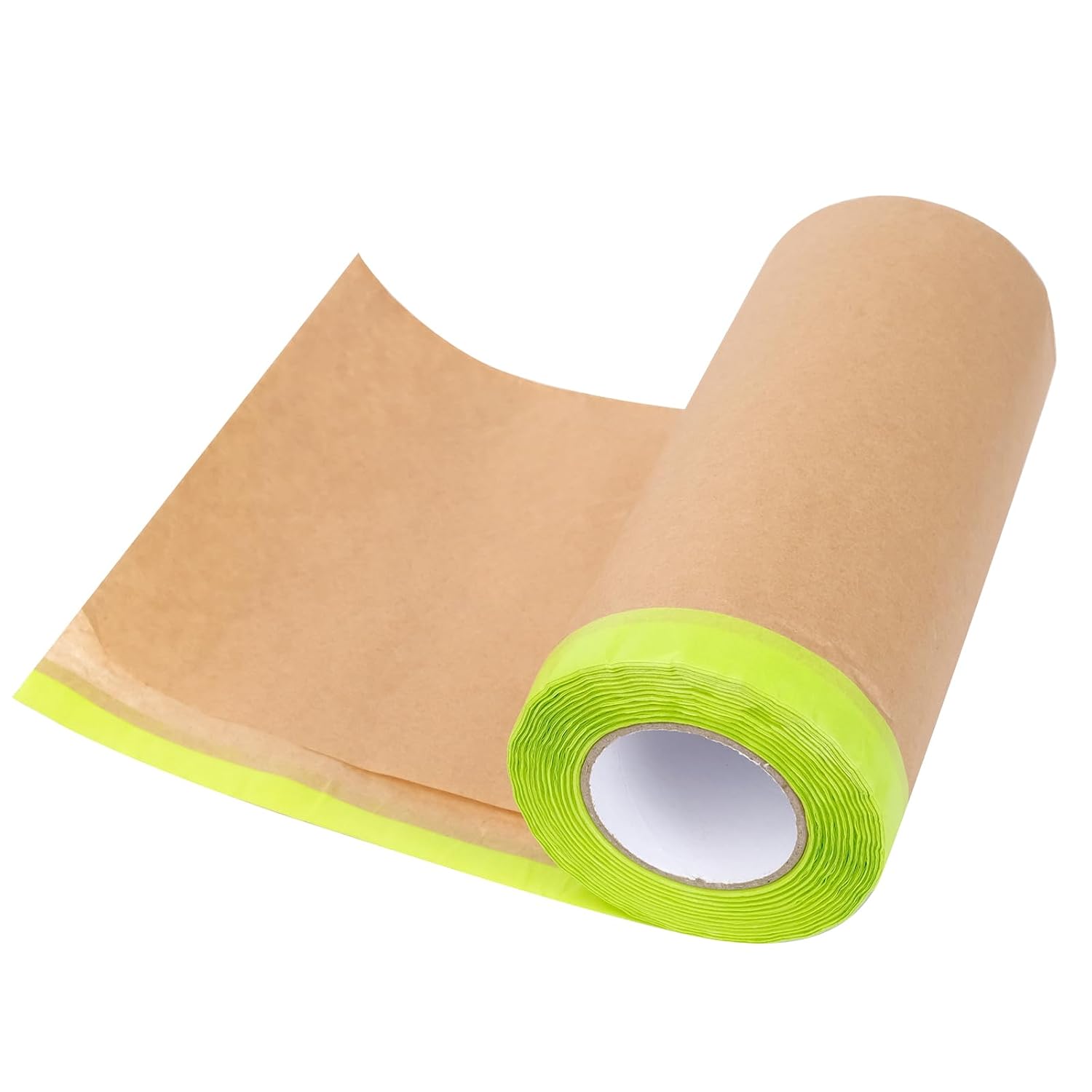
Kraft Masking Film Manufacturer
Kraft Masking Film is a protective masking material made from kraft paper, often with an adhesive edge for quick application. It helps shield floors, walls, furniture, and other surfaces from paint, dust, dirt, and overspray during decorating, renovation, and construction work. It is easy to use, cut, and remove after the job is complete.
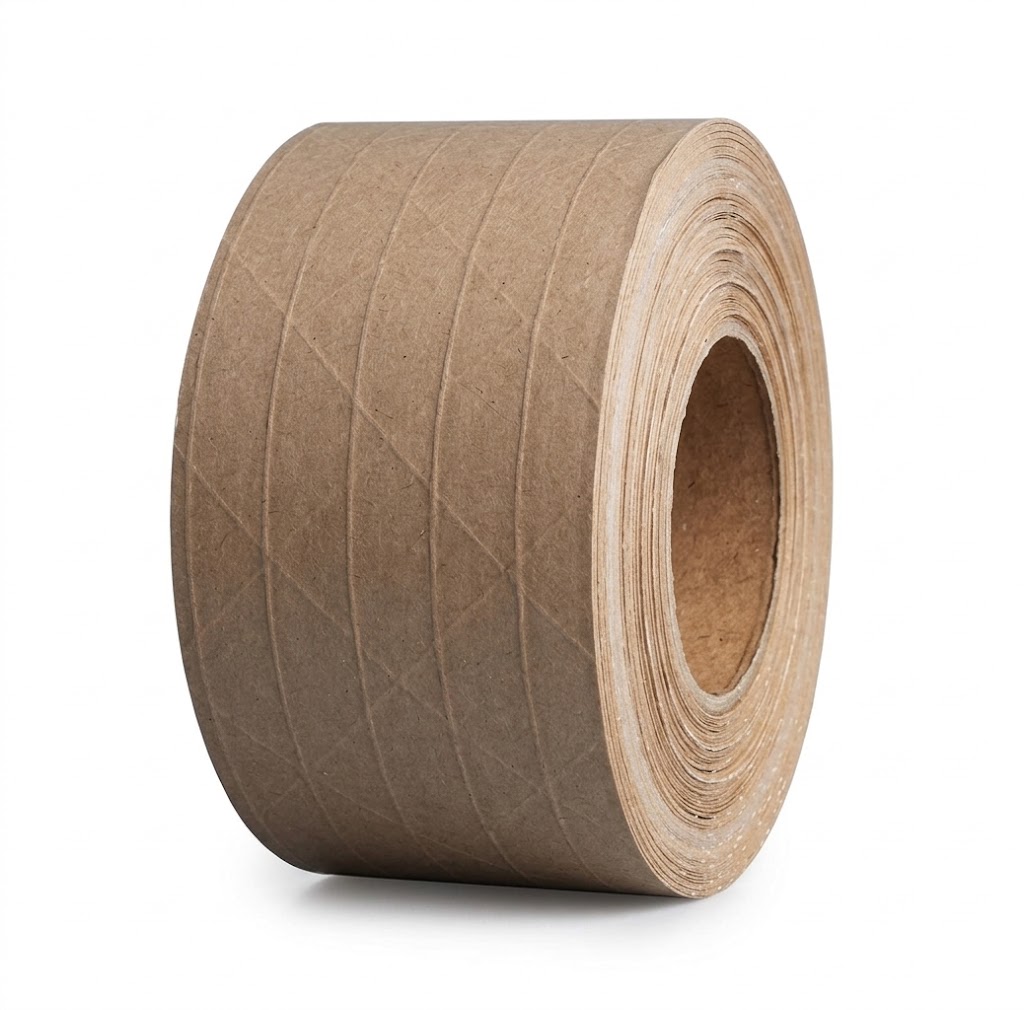
Reinforced Water-Activated Kraft Paper Tape Manufacturer
Reinforced Water-Activated Kraft Paper Tape is made from durable kraft paper reinforced with strong fibers and activated by water. It provides excellent adhesion, high tensile strength, and tamper-evident sealing, making it ideal for sealing cartons, heavy-duty packaging, and shipping boxes.
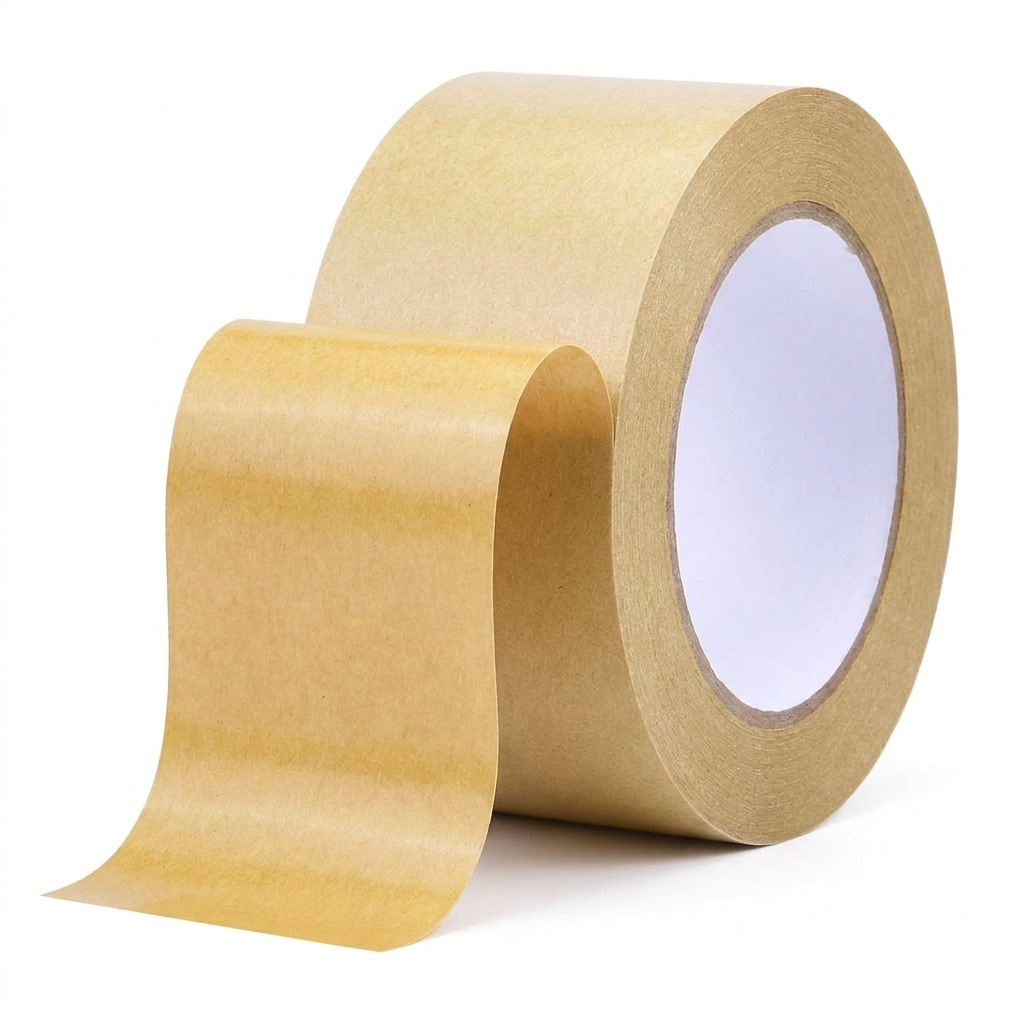
PE Self-Adhesive Kraft Paper Tape Manufacturer
PE Self-Adhesive Kraft Paper Tape is made from durable kraft paper laminated with a PE coating and a strong pressure-sensitive adhesive. It offers moisture resistance, excellent tear strength, and reliable adhesion, making it ideal for carton sealing, packaging, bundling, labeling, and general industrial use.
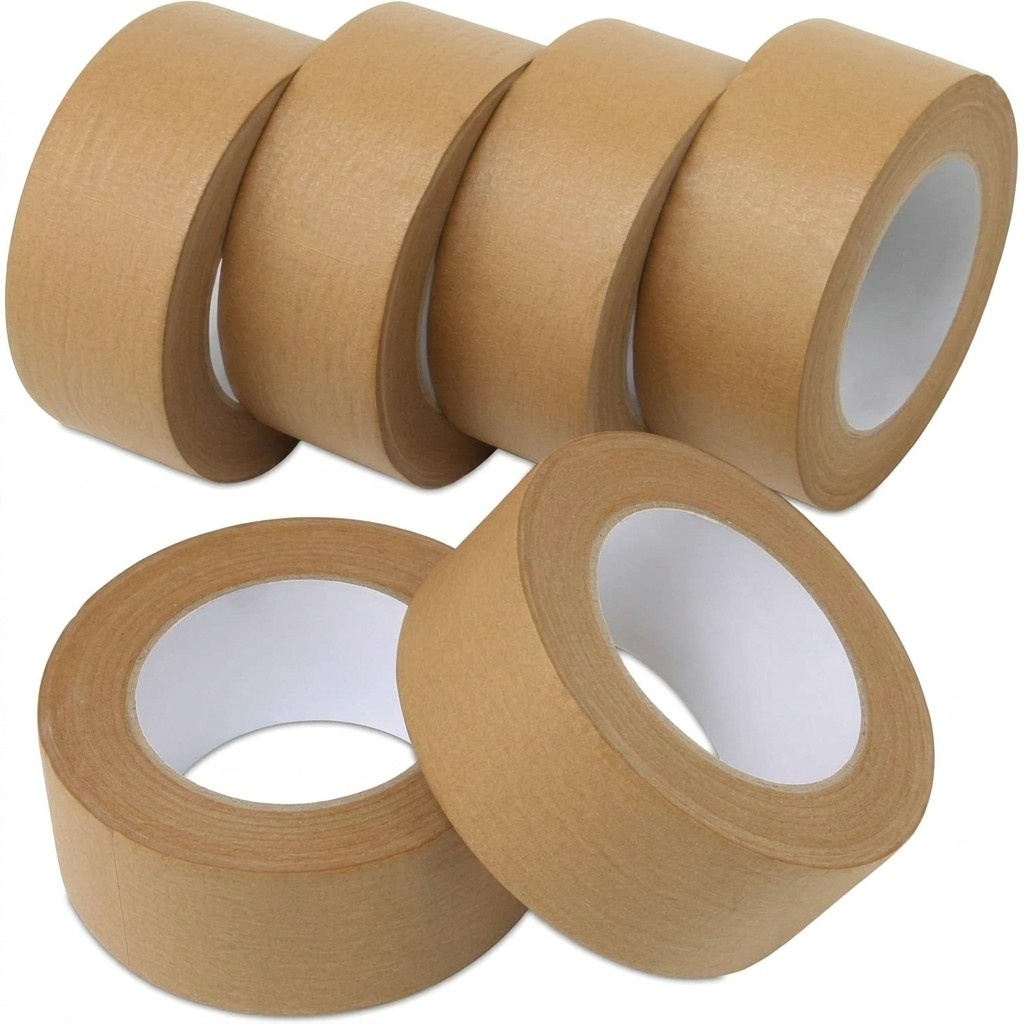
Kraft Paper Tape Manufacturer
Kraft Paper Tape is an eco-friendly adhesive tape made from durable kraft paper. It provides strong adhesion, easy tearability, and reliable sealing performance, making it ideal for carton sealing, packaging, labeling, crafts, and general office use.
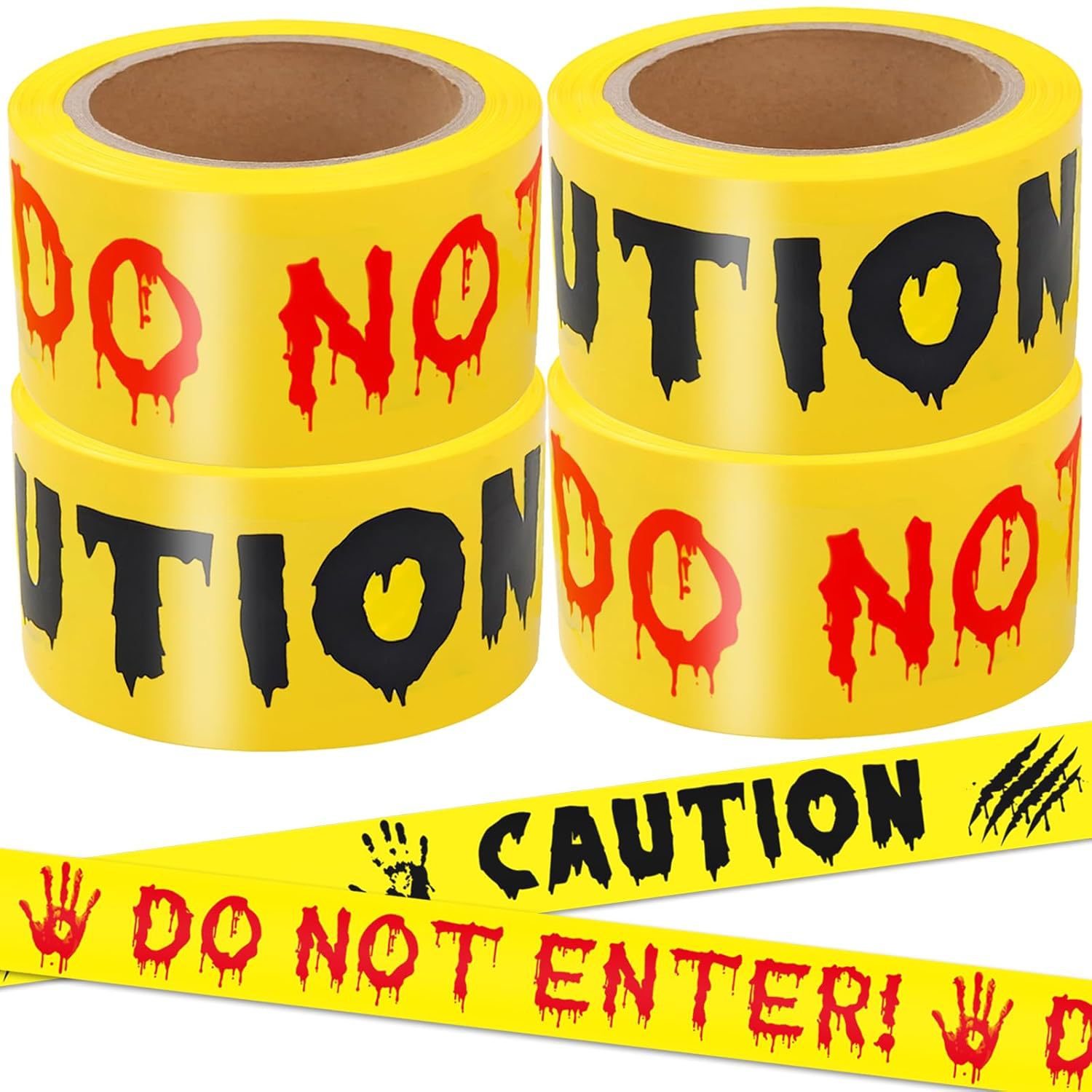
Halloween Caution Tape Manufacturer
Halloween Caution Tape is a festive decorative tape featuring spooky Halloween designs and caution-style lettering. It is ideal for decorating parties, haunted houses, windows, doors, yards, and event spaces, creating a fun and eye-catching atmosphere.
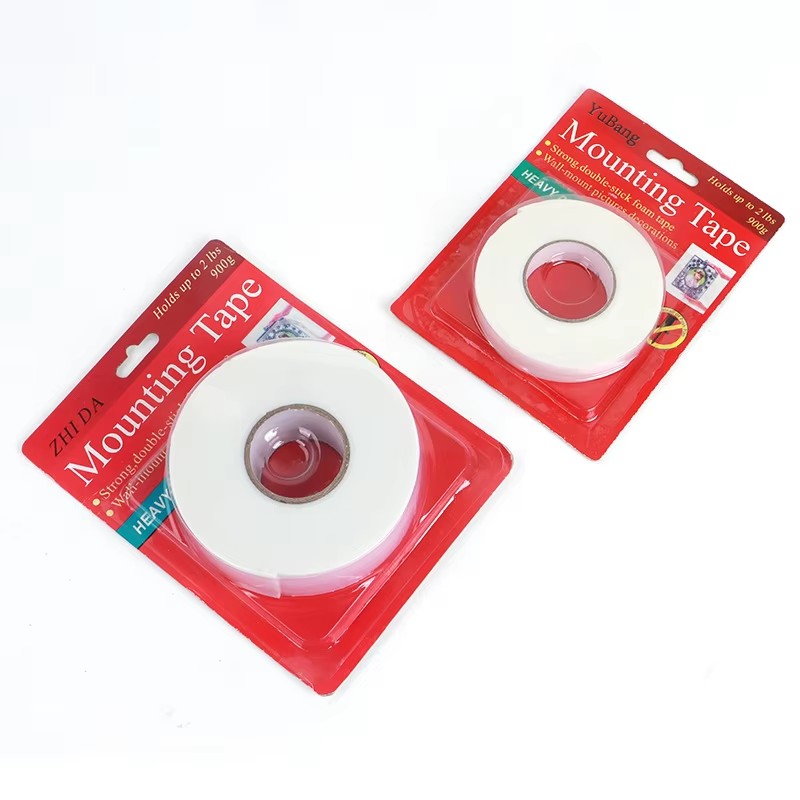
Mounting Tape Manufacturer
Mounting Tape is a strong double-sided adhesive tape designed for securely mounting and fixing items without screws or nails. It provides excellent adhesion, durability, and easy application, making it ideal for signs, decorations, hooks, frames, mirrors, and household or office accessories.