
-
Home

-
Blog
-
Industry News
- How to Choose Fiberglass Mesh Tape for Drywall Joints, Wall Cracks and Exterior Repairs

How to Choose Fiberglass Mesh Tape for Drywall Joints, Wall Cracks and Exterior Repairs
-
 author
- 2,October
 author
Fiberglass mesh tape is best selected as one component of a compatible wall-finishing system, not as a stand-alone crack cure. Importers, building-material distributors, and private-label buyers should match the mesh, adhesive, width, and roll length to the substrate and the joint compound, plaster, skim coat, putty, render, or repair mortar used over it.
Before a bulk order, confirm whether the job involves drywall joints, a stable surface crack, a patch transition, or an exterior repair detail. Then test the finished layered system on a representative wall surface and document the approved tape and packing specification.
Define the Wall Repair Before Choosing the Tape
A drywall joint, a repaired hole, a stable plaster crack, and an exterior render transition do not create the same demand. Mesh tape can distribute localized movement through a finishing layer, but it cannot correct continuing structural movement, water entry, loose masonry, failed render, or an unsound board installation.
The first qualification question is not “Which mesh is strongest?” It is “What caused the joint or crack, and is the substrate stable enough to finish?” Active movement and water intrusion must be resolved before a decorative surface system is applied.
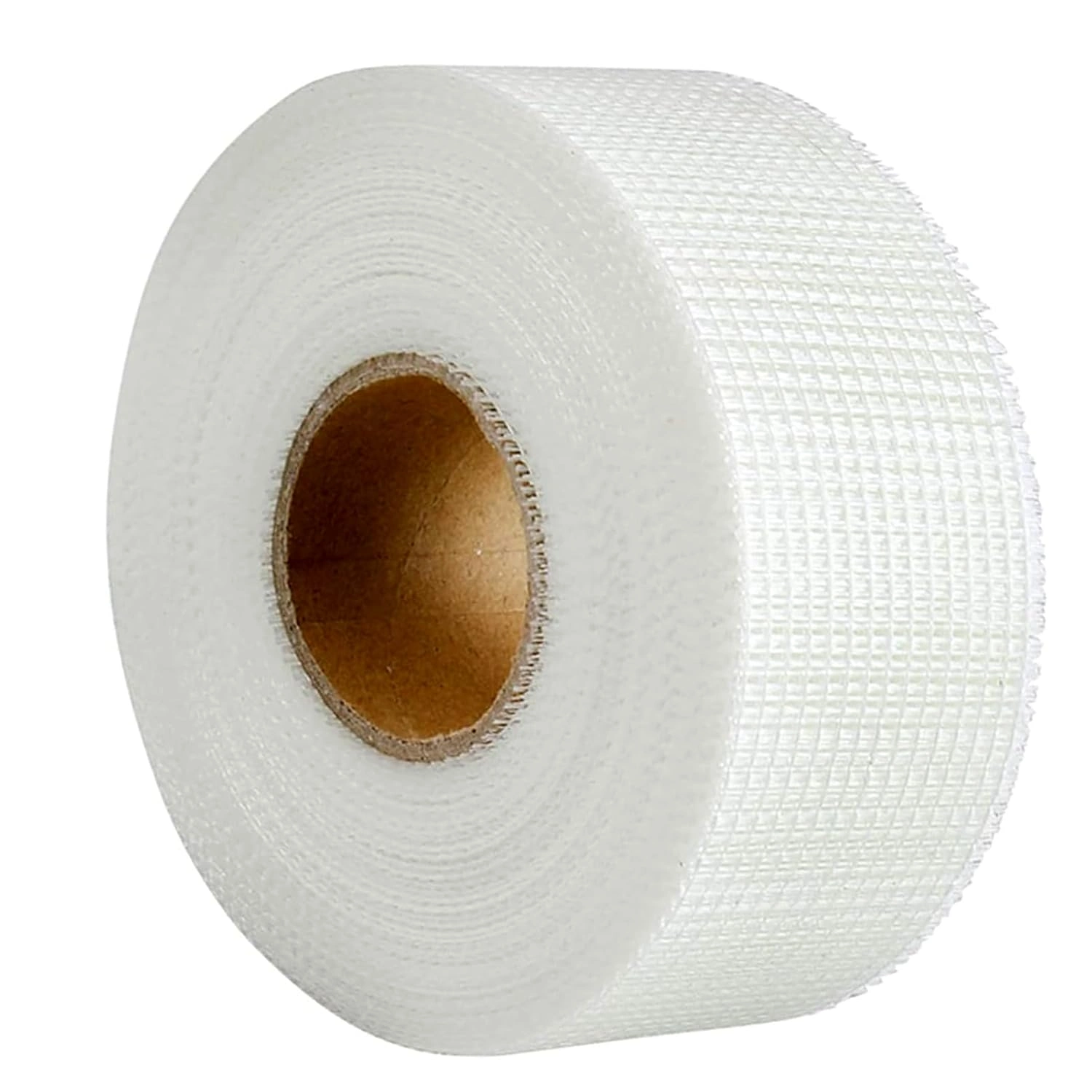
HONF’s fiberglass mesh drywall tape uses an open-weave glass-fiber mesh with a water-based adhesive. The standard width is 48 mm, approximately 1-7/8 inches, and standard roll lengths are 45 m and 90 m. These formats suit common joint and repair work, while custom width, core, label, and carton details are subject to order confirmation.
Match the Mesh to the Substrate and Finishing Material
The open grid is designed to let a compatible compound pass through and key around the fibers. That relationship matters more than the tape’s initial stickiness. A mesh that stays in position but does not integrate with the finishing material will not produce the intended reinforced layer.
Common reference substrates include drywall, plasterboard, cement board, rendered walls, masonry, and selected exterior surfaces. Compatibility is not automatic across all boards, mortars, paints, or cement-based systems.
Buyers should identify the exact substrate, primer if any, compound chemistry, application thickness, drying conditions, and final coating before approving a fiberglass mesh tape supplier.
For drywall distribution, 48 mm bridges many board joints without creating an unnecessarily wide finishing area. Exterior or specialized systems may need a different width or mesh construction. Do not claim that a general tape meets an exterior requirement unless technical data covers that exact construction.
Fiberglass Mesh Tape and Paper Joint Tape Are Not Interchangeable
Both products can appear in drywall work, but the installation system and best-fit conditions differ. Self-adhesive mesh can stay in place before the compound is applied, and its open weave allows compound to pass through. Paper tape is embedded into a bedding layer and is commonly specified within established drywall finishing methods.
| Buying question | Fiberglass mesh tape | Paper joint tape |
|---|---|---|
| Positioning | Self-adhesive mesh can be placed before coating. | Paper is normally bedded into wet compound. |
| Material interaction | Open grid allows compatible compound to pass through. | Paper forms a continuous strip within the finishing layer. |
| Typical sourcing focus | Mesh opening, adhesive, roll format, substrate and compound compatibility. | Paper strength, fold, width, roll format and specified bedding compound. |
| Decision basis | Approved wall system and representative trial. | Approved wall system and installer method. |
The comparison should not be reduced to “mesh is better” or “paper is stronger.” Project specification, board manufacturer guidance, compound selection, installer method, and expected movement determine which system is appropriate. Distributors serving several markets may need both product types rather than one universal SKU.
Control Surface Preparation and Embed the Mesh Completely
Dust, loose paint, chalky filler, oil, moisture, and crumbling edges prevent a reliable repair. The substrate should be clean, dry, and sound. Damaged material must be removed, and the joint or crack should be prepared according to the chosen repair system before the tape is positioned.
Apply the mesh flat without wrinkles, bubbles, or tension that distorts the opening. Center it over the joint or stable crack, then cover and embed it fully with the compatible finishing material. The finished surface should not leave exposed mesh or dry pockets. Drying and recoating follow the instructions for the compound or render system, not a generic tape schedule.
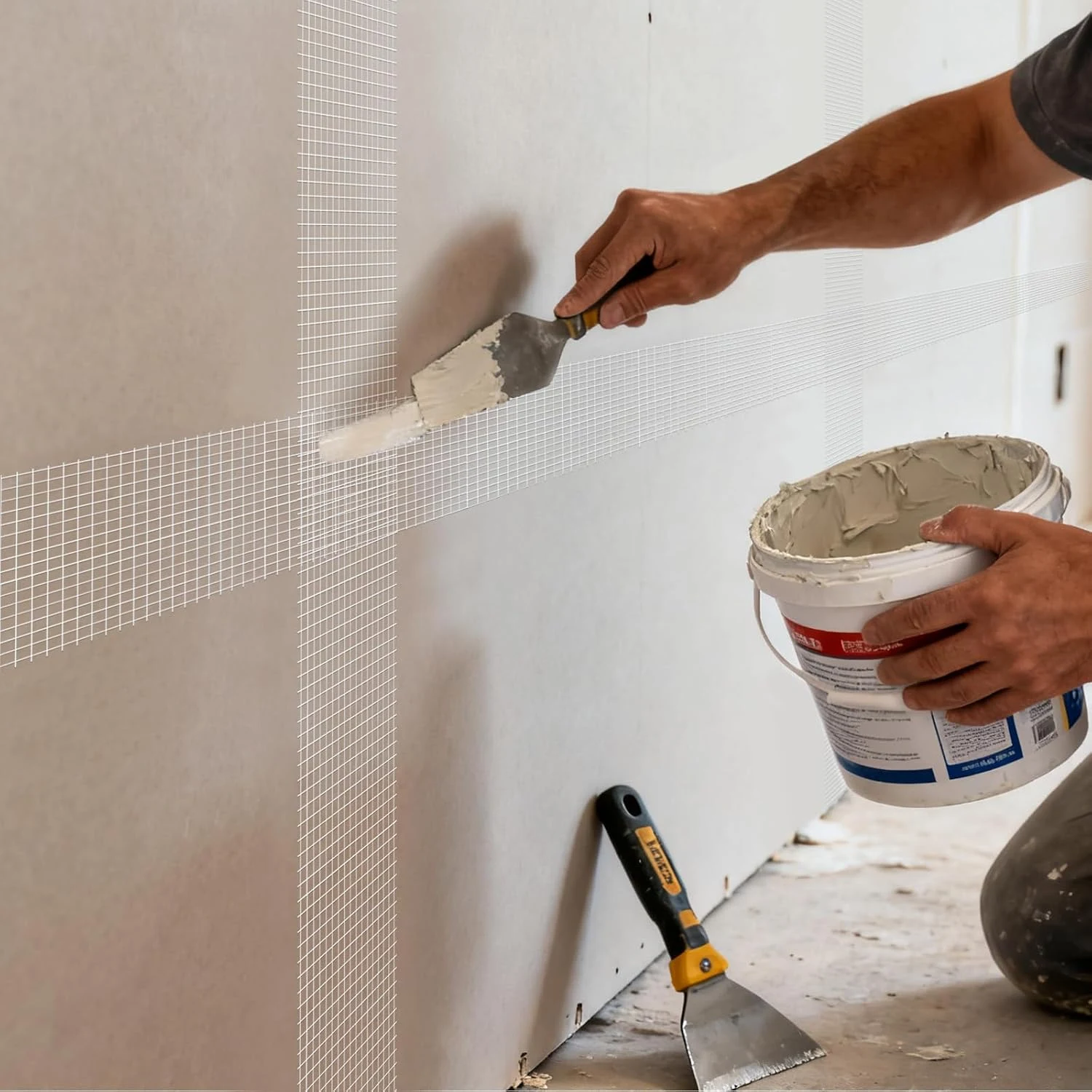
For exterior work, the distinction is critical: fiberglass mesh tape is an embedded reinforcement layer, not the final weather barrier. It must be protected within a compatible exterior finish. If the assembly requires waterproofing, vapor control, fire performance, impact resistance, or a certified facade system, verify those requirements separately with the project designer and system documentation.
Approve the Complete Wall System, Not a Loose Roll
A hand-feel test can compare tack and flexibility, but it cannot show how the mesh performs after coating, drying, sanding, temperature changes, or normal movement. Build a representative sample using the actual board, render, masonry, primer, and finishing material. Follow the intended layer thickness and site conditions.
The approval check should cover:
- whether the adhesive holds the mesh in position during coating;
- whether compound passes through and fully surrounds the grid;
- whether the strip remains flat at edges and overlaps;
- finished profile, drying, sanding, and coating appearance;
- cracking, delamination, or visible mesh after the agreed conditioning period;
- installer handling with the selected roll width and length.
Record the product lot, mesh construction, adhesive, dimensions, sample method, and result. If the buyer changes compound chemistry, board type, render formulation, primer, or application climate, repeat the affected part of the qualification.
Select Roll Formats for the Customer and Sales Channel
Roll size influences labor, merchandising, replenishment, and freight. A 45 m roll may suit repair crews, retail packs, and customers who value a manageable unit. A 90 m roll can reduce roll changes for contractors and support higher-consumption distribution. The 48 mm width aligns with many common joints and narrow repair paths, but wider or specialized applications should be confirmed rather than improvised on site.
Private-label buyers need more than a tape specification. Core size, label material, barcode, instructions, language, rolls per carton, carton dimensions, and shipping marks affect whether the SKU works in a warehouse or retail program. HONF’s OEM/ODM customization service can be used to discuss custom width and packaging requirements after the wall system and standard roll have been qualified.
Keep artwork claims within the evidence available for the exact grade. Avoid unverified terms such as structural repair, waterproof, fireproof, alkali resistant, or universal exterior use. Clear instructions about embedding, substrate preparation, and compatible finishing materials are more useful to customers than broad performance slogans.
Prepare a B2B RFQ and Acceptance Plan
A useful inquiry gives the supplier enough context to recommend and quote the same product that will be tested. Include:
- target application: drywall joint, stable crack, patch, transition, or exterior detail;
- substrate and condition;
- finishing compound, plaster, putty, render, or repair mortar;
- indoor or exterior environment and application temperature;
- required width, roll length, core, label, and carton format;
- sample quantity, evaluation method, and acceptance criteria;
- bulk quantity, private-label artwork, destination, and required documents.
Do not approve a bulk order from price per roll alone. Compare width, length, mesh construction, adhesive, packaging, and evidence for the intended system. Preserve the approved sample reference and acceptance criteria in the purchase specification so future orders can be checked against the same basis.
Buyers can review HONF’s building and decoration tape solutions after the mesh-tape requirement is settled. Adjacent products remain separate applications, not one generic “repair tape” specification.
Conclusion
Choosing a fiberglass mesh tape supplier starts with a stable substrate and a defined finishing system. Identify the joint or crack, confirm the wall is sound, match the mesh and adhesive to the actual compound or render, and evaluate the complete layered repair rather than the loose tape. Roll width, length, core, labeling, and carton format can then be selected around contractor, distributor, or private-label needs.
For a sample review or quotation, send HONF your fiberglass mesh tape requirements with the substrate, repair type, finishing material, indoor or exterior conditions, roll format, sample quantity, bulk volume, packaging needs, and destination market. That information supports a more accurate product and packaging discussion.
FAQ
What is fiberglass mesh drywall tape used for?
It reinforces drywall or plasterboard joints, stable surface cracks, patch transitions, and selected wall-repair details beneath a compatible joint compound, skim coat, plaster, putty, render, or repair mortar. It is one layer in the finishing system and must be matched to the substrate and coating material.
Can fiberglass mesh tape be used on exterior wall cracks?
It can be considered for selected exterior repairs when the mesh construction, substrate, repair mortar or render, and final coating are compatible. The tape must be fully embedded and protected. It is not a stand-alone weather barrier, waterproof membrane, or repair for active structural movement.
Is fiberglass mesh tape better than paper joint tape?
Neither is universally better. Self-adhesive mesh can be positioned before coating and allows compound to pass through its grid. Paper tape is bedded into compound and is used in established drywall systems. Follow the project specification, board and compound guidance, installer method, and representative trial.
How should importers evaluate a fiberglass mesh tape sample?
Apply the exact proposed grade to the real board, masonry, render, or repair surface and cover it with the intended finishing material. Check positioning, compound penetration, edge flatness, drying, sanding, surface profile, and cracking or delamination after the agreed conditioning period. Record the sample lot and method.
What information belongs in a fiberglass mesh tape RFQ?
Provide the repair type, substrate, finishing material, indoor or exterior environment, application conditions, width, length, core, label and carton requirements, sample quantity, acceptance plan, bulk volume, destination, and required technical documents. This makes supplier quotations and sample results easier to compare.
Recent Post



Related Products
Best-selling Products
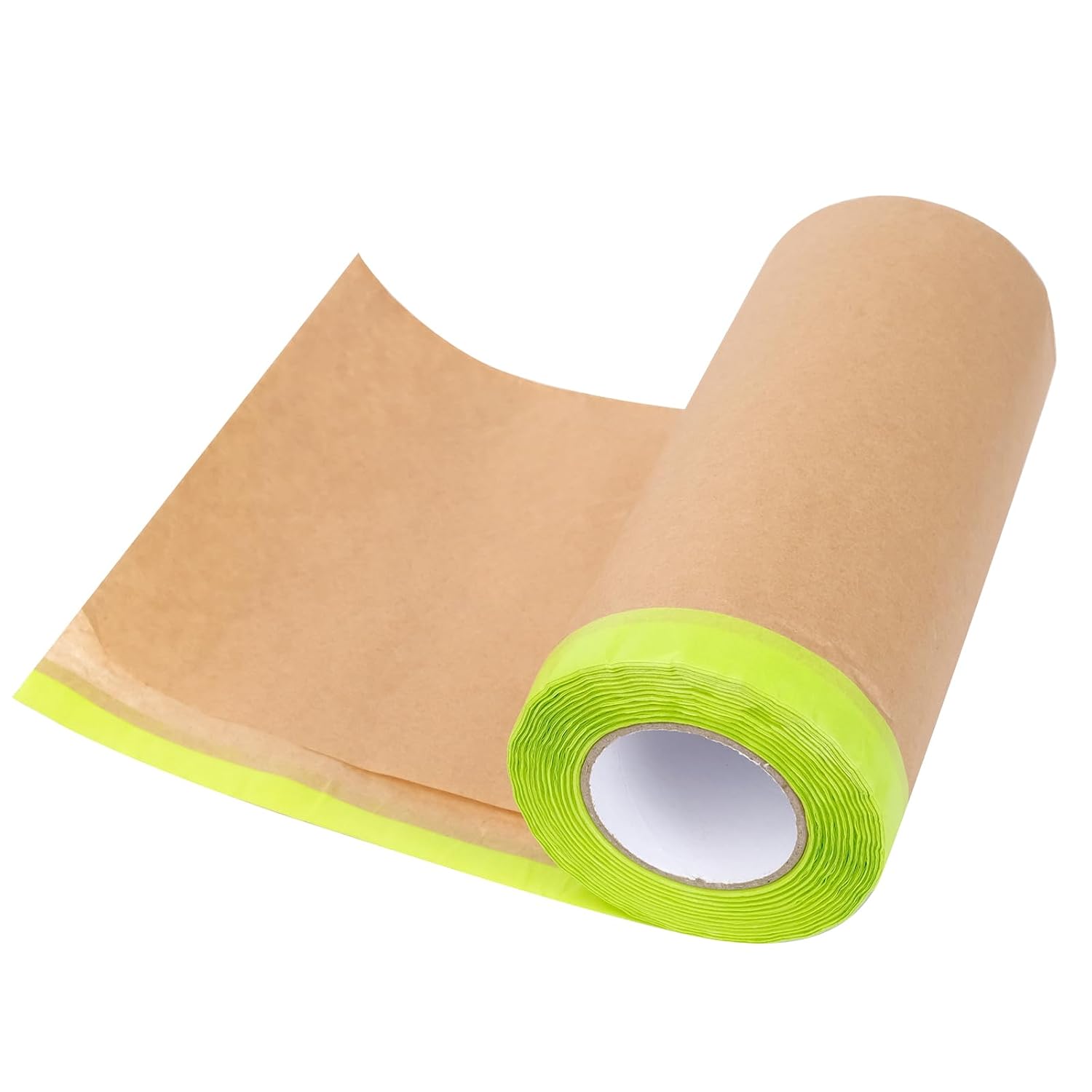
Kraft Masking Film Manufacturer
Kraft Masking Film is a protective masking material made from kraft paper, often with an adhesive edge for quick application. It helps shield floors, walls, furniture, and other surfaces from paint, dust, dirt, and overspray during decorating, renovation, and construction work. It is easy to use, cut, and remove after the job is complete.
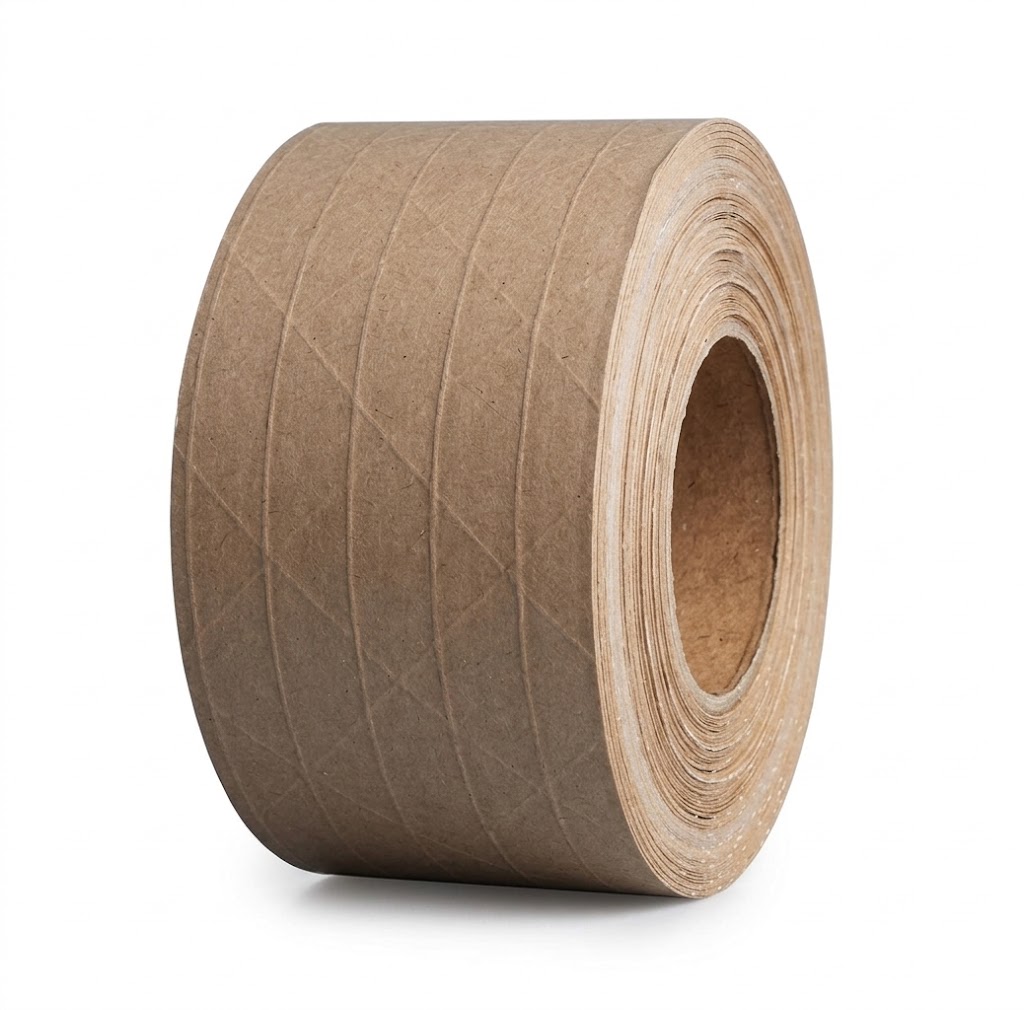
Reinforced Water-Activated Kraft Paper Tape Manufacturer
Reinforced Water-Activated Kraft Paper Tape is made from durable kraft paper reinforced with strong fibers and activated by water. It provides excellent adhesion, high tensile strength, and tamper-evident sealing, making it ideal for sealing cartons, heavy-duty packaging, and shipping boxes.
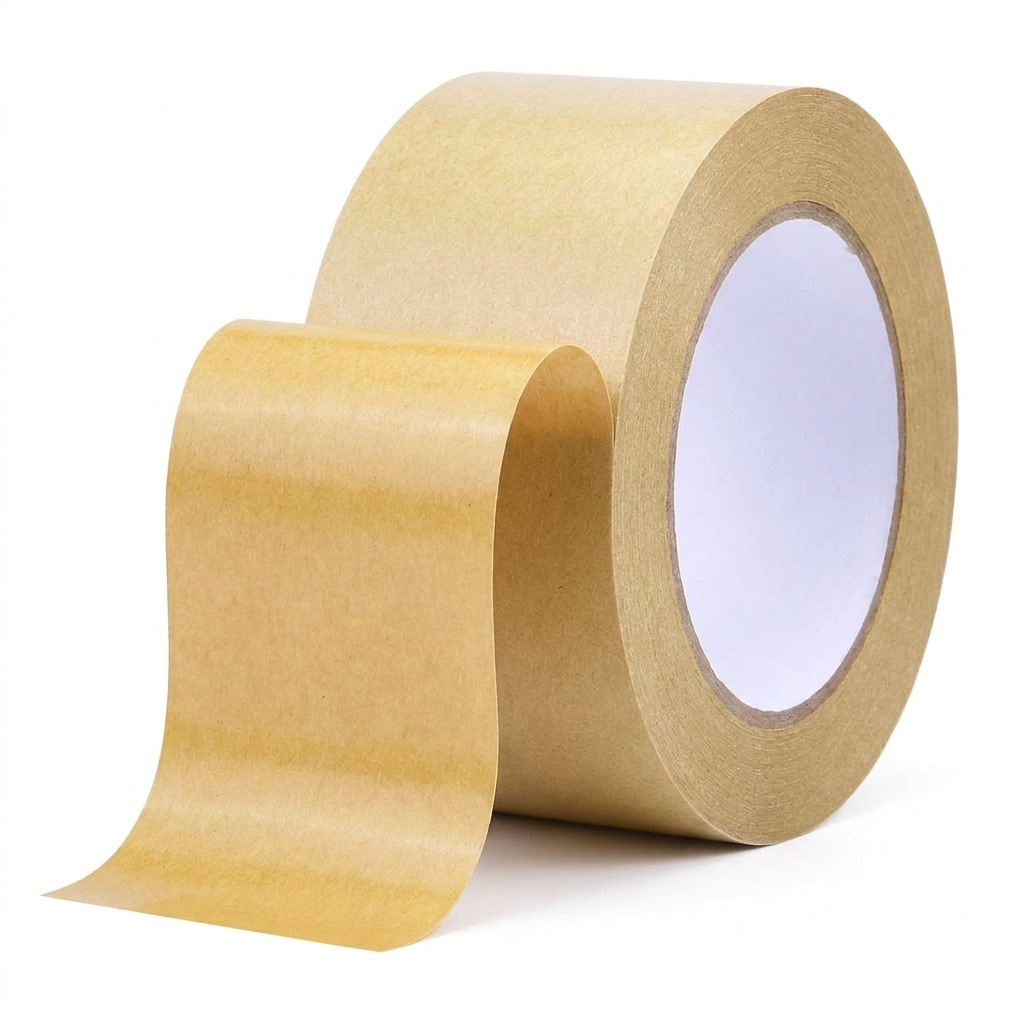
PE Self-Adhesive Kraft Paper Tape Manufacturer
PE Self-Adhesive Kraft Paper Tape is made from durable kraft paper laminated with a PE coating and a strong pressure-sensitive adhesive. It offers moisture resistance, excellent tear strength, and reliable adhesion, making it ideal for carton sealing, packaging, bundling, labeling, and general industrial use.
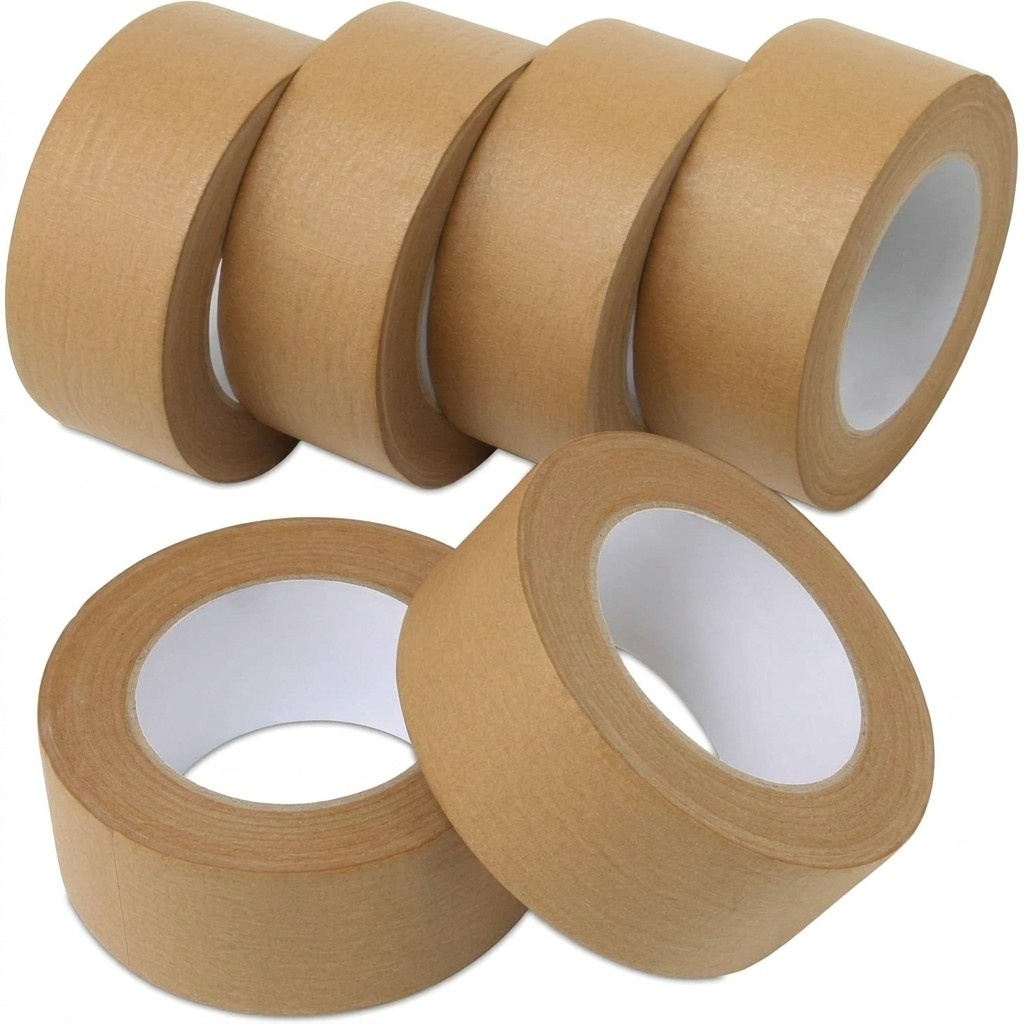
Kraft Paper Tape Manufacturer
Kraft Paper Tape is an eco-friendly adhesive tape made from durable kraft paper. It provides strong adhesion, easy tearability, and reliable sealing performance, making it ideal for carton sealing, packaging, labeling, crafts, and general office use.
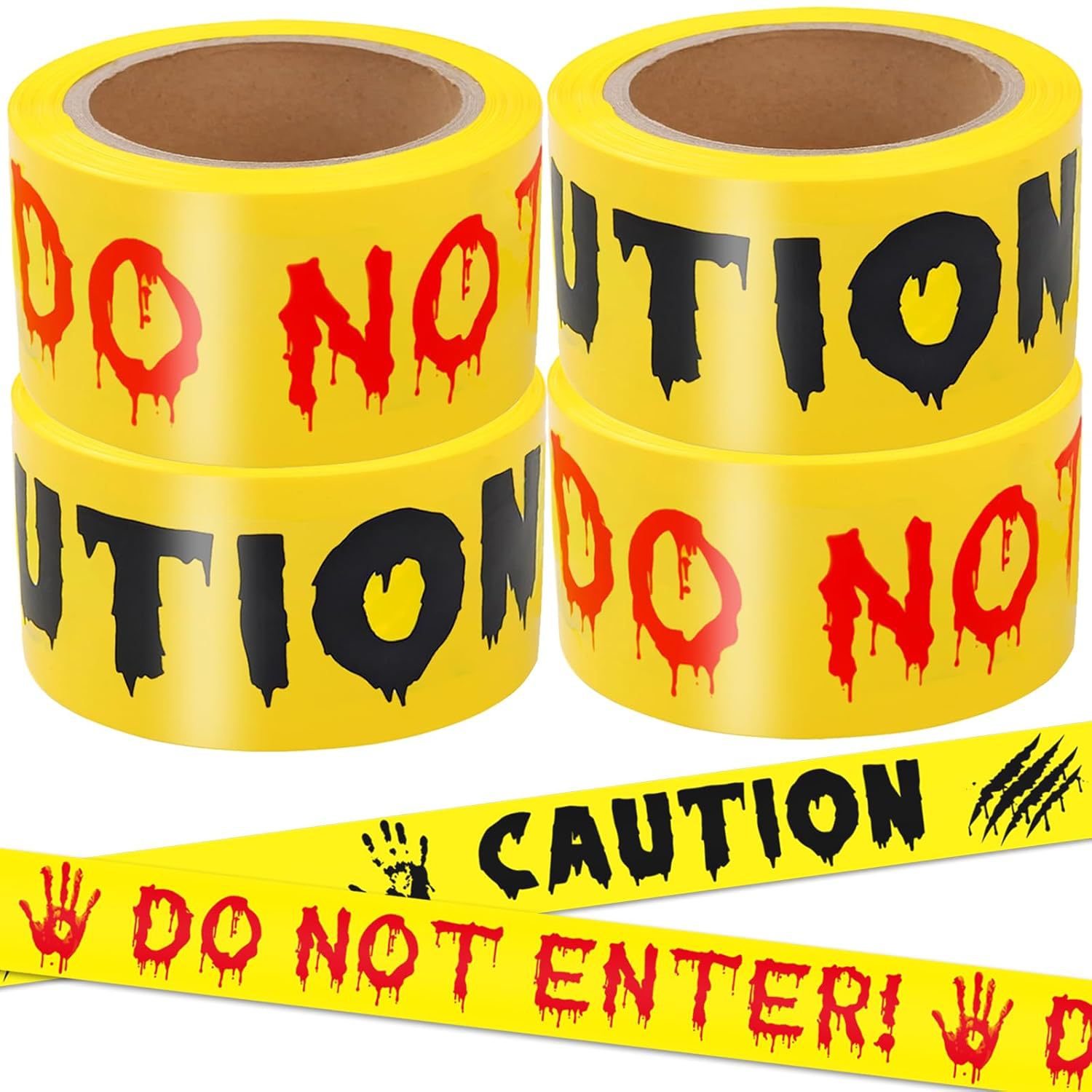
Halloween Caution Tape Manufacturer
Halloween Caution Tape is a festive decorative tape featuring spooky Halloween designs and caution-style lettering. It is ideal for decorating parties, haunted houses, windows, doors, yards, and event spaces, creating a fun and eye-catching atmosphere.
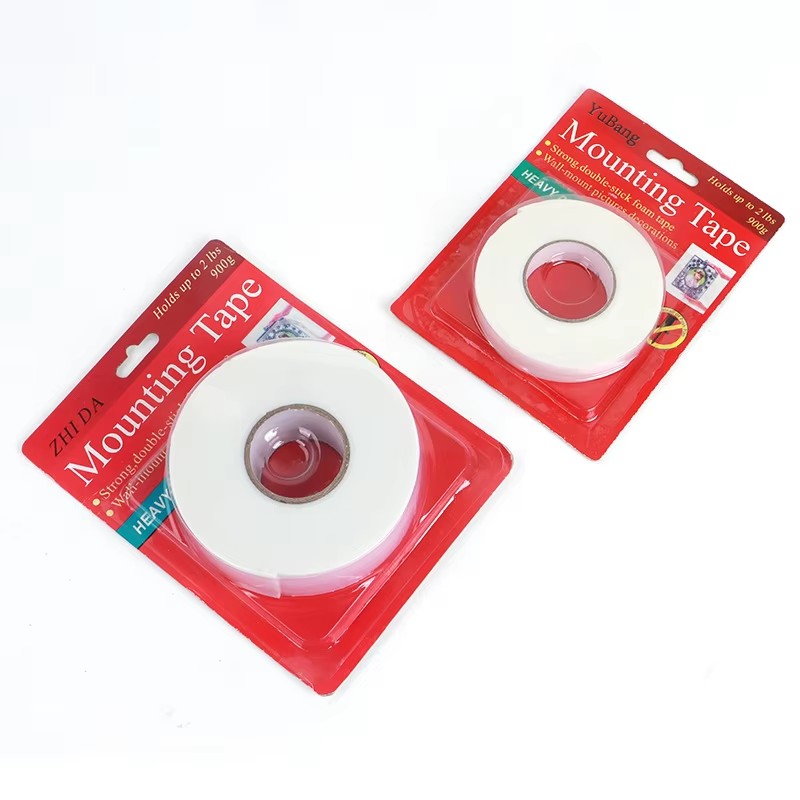
Mounting Tape Manufacturer
Mounting Tape is a strong double-sided adhesive tape designed for securely mounting and fixing items without screws or nails. It provides excellent adhesion, durability, and easy application, making it ideal for signs, decorations, hooks, frames, mirrors, and household or office accessories.