
-
Home

-
Blog
-
Industry News
- How to Choose Fiberglass Filament Tape for Palletizing, Bundling and Carton Reinforcement

How to Choose Fiberglass Filament Tape for Palletizing, Bundling and Carton Reinforcement
-
 author
- 1,October
 author
Fiberglass filament tape is a practical choice when an importer, packaging distributor, or industrial buyer needs more tensile support than ordinary carton-sealing tape can provide. The correct grade depends on the load, pull direction, substrate, handling conditions, roll format, and whether the tape is reinforcing a carton, unitizing a pallet, or bundling a long product.
A supplier comparison is useful only when every quotation describes the same construction and intended job. Before placing a bulk order, define the application, test the proposed production grade on the real packaging material, and document the approved roll and packing specification.
Where Fiberglass Filament Tape Fits in Industrial Packaging
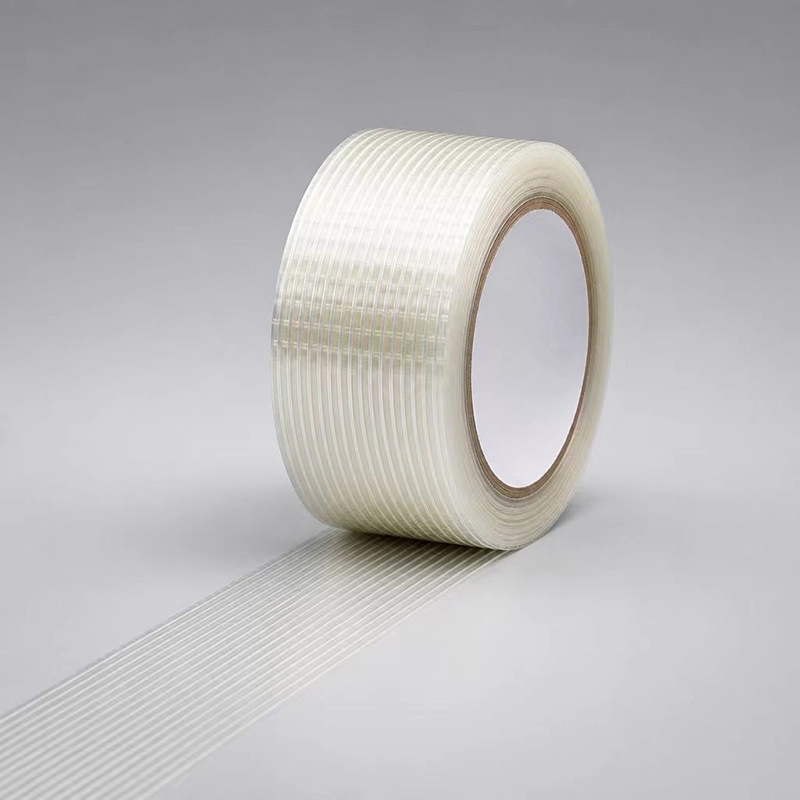
Filament tape combines a pressure-sensitive adhesive with continuous glass-fiber reinforcement. The reinforcement helps the tape resist pulling forces along its length, while the adhesive holds the construction to the package or bundle.
This makes it relevant to carton reinforcement, palletizing, pipe or profile bundling, appliance shipping, furniture holding, cable bundling, and temporary industrial fixing.
Filament tape can support a packaging system, but it is not automatically a substitute for PET strap, steel band, stretch wrap, or an engineered restraint method. Heavy, unstable, sharp-edged, hazardous, or regulated loads require a design that addresses the full transport risk.
HONF’s fiberglass filament tape specifications provide a useful sourcing reference: a BOPP film carries continuous unidirectional glass-fiber yarns and a hot-melt pressure-sensitive adhesive. The published standard format is 150 microns thick, with 20 mm and 50 mm widths and a 50 m roll length. Custom dimensions are order-dependent, so buyers should identify any nonstandard format before comparing prices.
Start With the Load and the Packaging Failure You Need to Prevent
A buyer should describe the failure mode before asking for a “heavy-duty” tape. A carton that opens at a stressed seam has a different problem from a tall pallet that shifts during internal handling. Long pipes need controlled bundling around a narrow profile, while appliance packaging may need reinforcement at selected contact points without hiding printed labels.
Use a short application brief:
- Describe the packed product, unit weight, package geometry, and contact surfaces.
- State whether the tape will reinforce, bundle, unitize, hold a component, or secure a temporary fixture.
- Identify the main pulling direction and whether the load is static or moving.
- Record temperature, humidity, storage time, handling method, and expected transport route.
- Note any sharp edges, recycled board, dusty surfaces, low-energy plastics, or coatings.
This information lets a fiberglass filament tape supplier recommend a construction for a real task and exposes jobs that need another restraint method.
Compare the Complete Tape Construction, Not Just Thickness
Thickness is easy to place on an RFQ, but it does not describe the whole product. Reinforcement pattern, yarn content, backing, adhesive grade, width, and roll length all affect handling and suitability. Two rolls with the same nominal thickness may behave differently on a dusty recycled carton or a smooth plastic component.
| Selection factor | Why it changes the buying decision |
|---|---|
| Reinforcement direction | Linear filaments primarily support pull along the tape; multidirectional loads may require another construction or application pattern. |
| Adhesive system | Initial tack and holding behavior vary with substrate, dwell time, temperature, surface energy, and load. |
| Width | Wider tape increases contact area and may suit broad carton or pallet applications; narrow tape can fit profiles and localized reinforcement. |
| Roll length and core | These affect dispenser fit, changeover frequency, carton count, and downstream packaging. |
| Backing and appearance | Transparent BOPP can leave labels visible, while other appearance requirements must be confirmed before sampling. |
Ask suppliers to identify the test method behind any numerical tensile, peel, or holding-power claim. A value without the specimen, conditioning, unit, direction, and method is difficult to compare. Do not convert an internal supplier value into a safety rating or transport guarantee.
Filament Tape, Carton-Sealing Tape, and Strapping Serve Different Jobs
Ordinary BOPP carton-sealing tape is designed primarily to close carton flaps. Filament tape adds continuous reinforcement for demanding holding or bundling tasks. Plastic or steel strapping can restrain heavier unit loads and may work with edge protectors, buckles, seals, or tensioning tools. Stretch wrap contains and stabilizes a load but does not perform the same job as a narrow reinforced tape.
A practical decision rule is to select the least complex system that passes the actual handling trial without exceeding the verified rating of any component. Filament tape may be efficient for carton corners, long-item bundles, pallet layers, and temporary component holding.
Buyers who also source standard closing materials can compare the reinforced application with HONF’s BOPP carton-sealing tape. Keeping the two specifications separate reduces substitutions between a closure tape and a reinforcement tape.
Qualify Adhesion on the Actual Packaging Substrate
Corrugated board varies with fiber content, recycled material, coating, ink, moisture, and dust. Plastics can have low surface energy. Painted metal, bare metal, wood, and composite surfaces introduce their own texture and contamination issues. A quick finger-tack check does not represent these conditions.
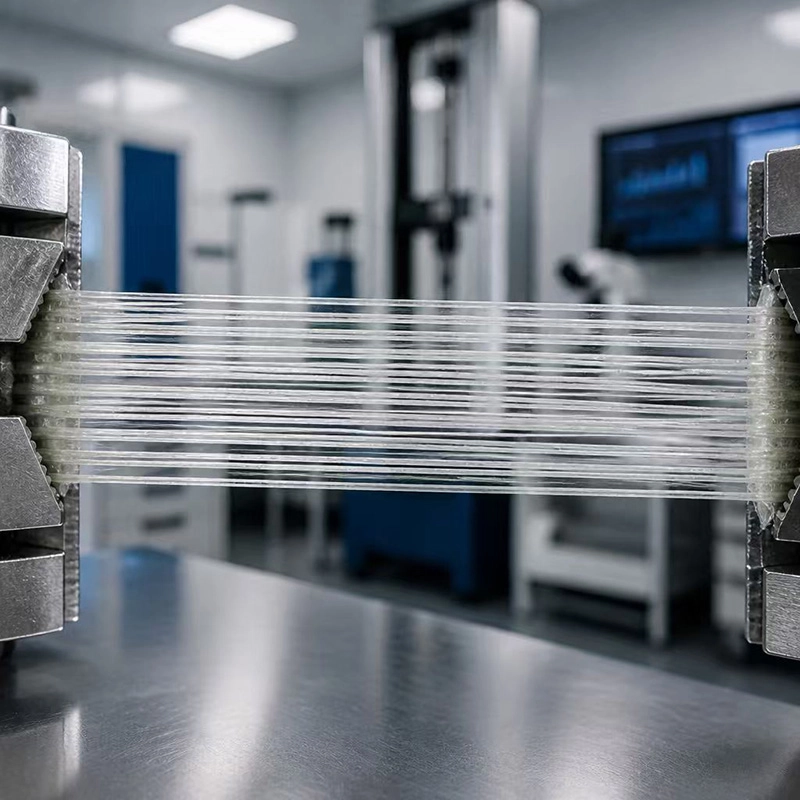
Apply a sample to clean, dry production material using the intended pressure and wrapping pattern. Allow the agreed dwell time, then run the package through representative lifting, staging, vibration, temperature, and handling conditions. Inspect edge lift, adhesive transfer, backing damage, filament splitting, package distortion, and loss of tension. Record the result against the sample lot and application method.
The trial should use the width, length, adhesive grade, and reinforcement construction expected in production. If the buyer changes a carton coating, recycled-board source, plastic grade, or storage temperature, repeat the relevant qualification rather than assuming the original approval still applies.
Build a Bulk-Order Specification That Can Be Repeated
Once the application passes, convert the successful sample into a controlled purchasing specification. At minimum, record the product construction, reinforcement direction, thickness, width, roll length, core, color or transparency, individual roll packing, rolls per carton, label artwork, acceptance checks, and approved sample reference. Add the destination market and any documents that the buyer must review.
For HONF’s standard construction, 20 mm and 50 mm widths can serve different inventory roles: the narrower format may fit profiles or localized reinforcement, while 50 mm gives broader contact for cartons and bundles. The 50 m standard roll also makes consumption and carton planning easier to compare. These are starting formats, not a reason to skip testing or assume identical performance across custom grades.
Private-label buyers should finalize artwork, label language, core markings, barcodes, carton quantity, and shipping marks before approval. HONF’s OEM and private-label tape customization can support custom dimensions and packaging discussions, subject to order review. Keep the approved artwork and physical reference together for repeat orders.
Use an RFQ That Produces Comparable Quotations
A complete RFQ saves time and makes commercial differences visible. Send the supplier:
- packed product, package type, unit weight, and application;
- substrate and surface condition;
- load direction and handling environment;
- required tape construction, width, length, core, and appearance;
- sample quantity and qualification plan;
- estimated order quantity, private-label needs, and destination;
- required test data, documents, and acceptance criteria.
Price per roll is meaningful only after roll dimensions, construction, packing, and performance evidence are aligned. A shorter roll, lighter reinforcement, different adhesive, or looser carton pack can create an attractive quotation that is not equivalent to the approved specification.
Conclusion
Choosing a fiberglass filament tape supplier begins with the package and the load, not with a generic strength claim. Define the failure you need to prevent, compare reinforcement and adhesive construction on the same basis, and qualify the proposed production grade on the real carton, pallet, pipe, appliance, or component. Then preserve the approved dimensions, packing details, test references, and sample identity for repeat orders.
For a product recommendation or quotation, send HONF your filament tape application with the substrate, package or bundle, load conditions, required roll format, sample quantity, bulk volume, private-label requirements, and destination market. This gives the team enough information to review a suitable standard or custom configuration.
FAQ
What is fiberglass filament tape used for?
Fiberglass filament tape is used for carton reinforcement, palletizing, bundling pipes or profiles, appliance and furniture holding, cable bundling, and other industrial tasks that need more tensile support than ordinary carton-sealing tape. The exact construction must still be matched to the substrate, load direction, handling conditions, and verified product rating.
Is filament tape the same as regular packing tape?
No. Regular BOPP packing tape primarily closes carton flaps. Filament tape adds continuous glass-fiber reinforcement for holding, bundling, or strengthening selected areas. Buyers should keep separate specifications for closure and reinforcement so a lower-strength packing tape is not substituted into a demanding job.
Can filament tape replace plastic or steel strapping?
Sometimes it can serve a lighter reinforcement or unitizing task, but it is not a universal replacement. Load weight, stability, sharp edges, handling equipment, transport conditions, and the verified rating of each packaging component determine the restraint system. Test the complete package and use engineered strapping when the load requires it.
How should a distributor test filament tape before a bulk order?
Use the intended production grade on the actual carton, plastic, metal, or wood surface. Apply it with the planned pressure and wrapping pattern, allow the agreed dwell time, and run representative handling and environmental checks. Record edge lift, adhesion, backing damage, filament splitting, tension loss, and package stability.
What information should be included in a filament tape RFQ?
Include the application, packed product, unit weight, substrate, load direction, storage and transport conditions, width, length, core, appearance, sample plan, order quantity, packing, private-label artwork, destination market, and required technical documents. This allows suppliers to quote comparable constructions rather than loosely similar rolls.
Recent Post



Related Products
Best-selling Products
Kraft Masking Film Manufacturer
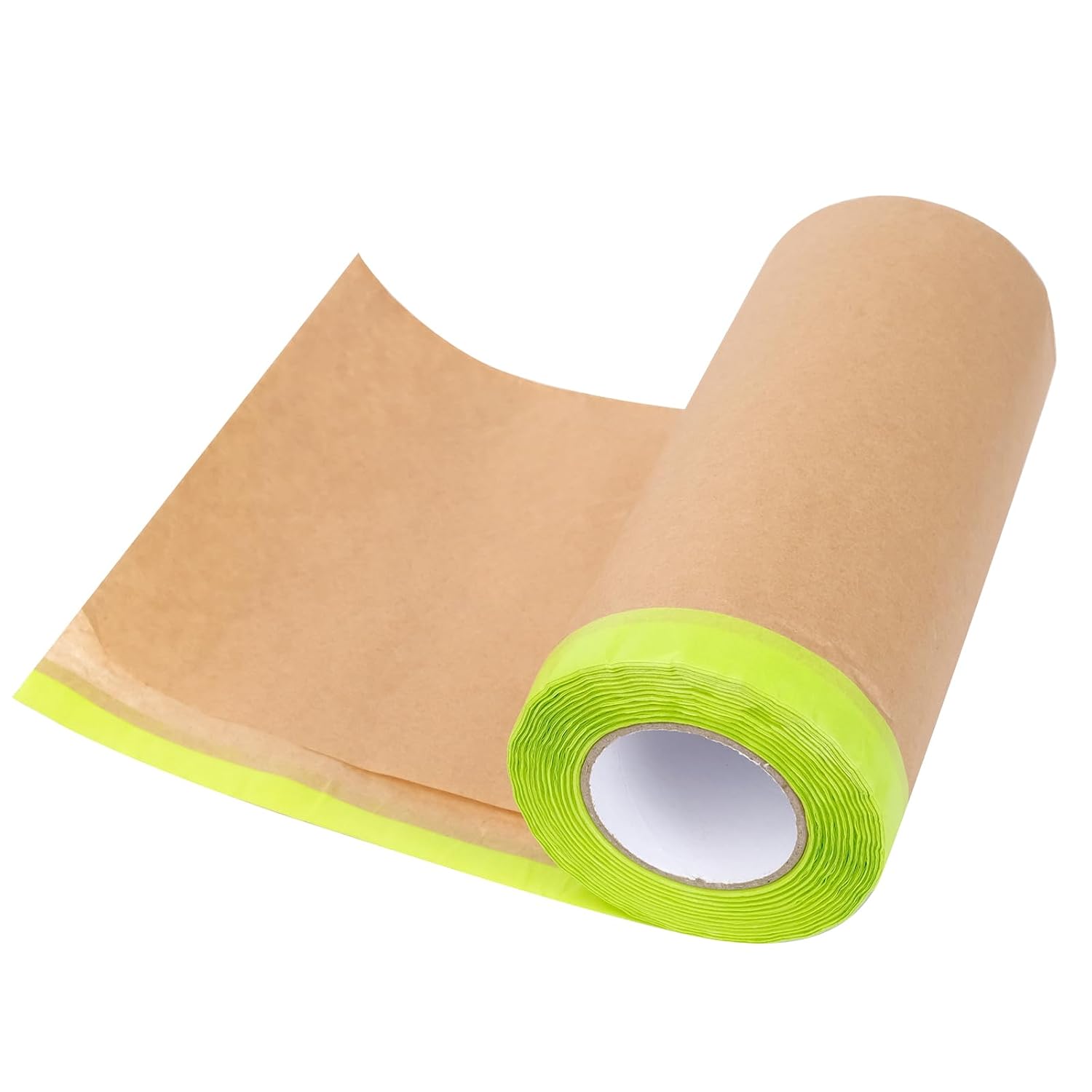
Kraft Masking Film is a protective masking material made from kraft paper, often with an adhesive edge for quick application. It helps shield floors, walls, furniture, and other surfaces from paint, dust, dirt, and overspray during decorating, renovation, and construction work. It is easy to use, cut, and remove after the job is complete.
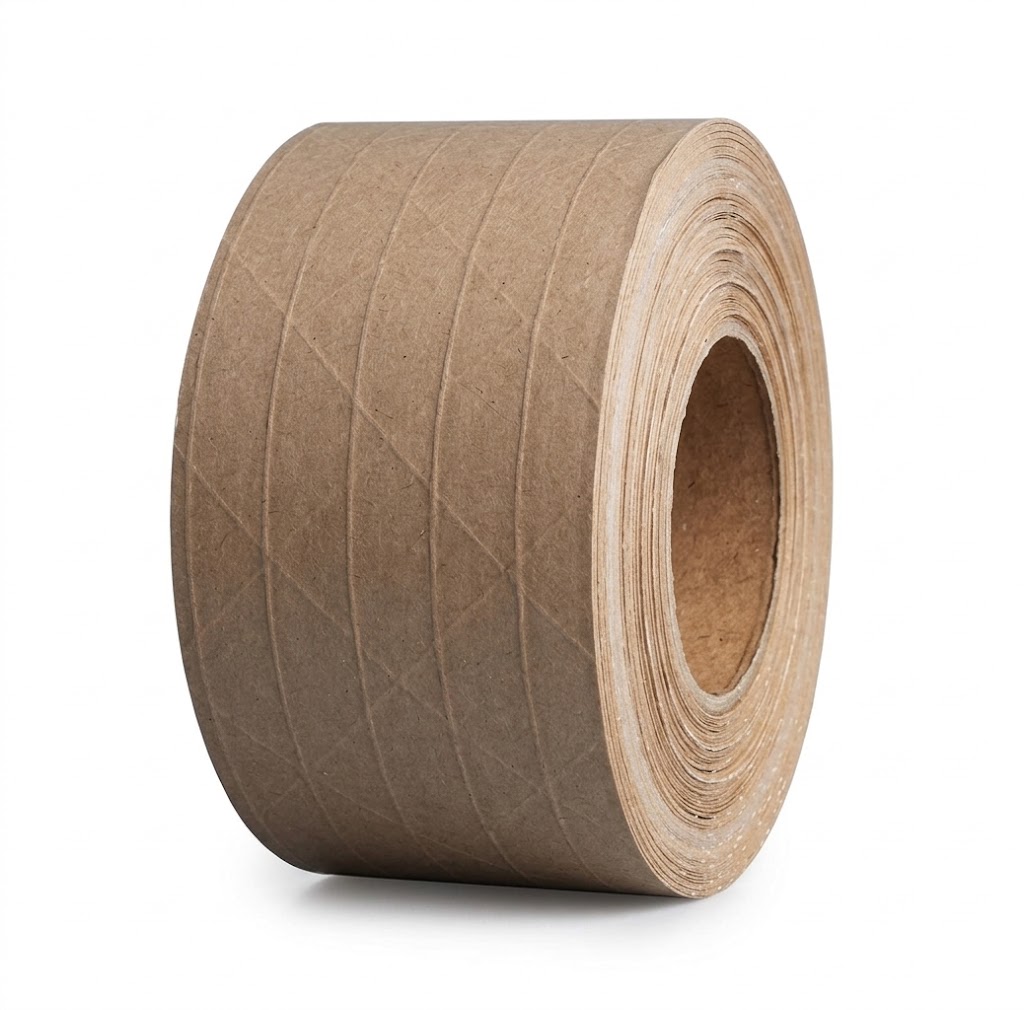
Reinforced Water-Activated Kraft Paper Tape Manufacturer
Reinforced Water-Activated Kraft Paper Tape is made from durable kraft paper reinforced with strong fibers and activated by water. It provides excellent adhesion, high tensile strength, and tamper-evident sealing, making it ideal for sealing cartons, heavy-duty packaging, and shipping boxes.
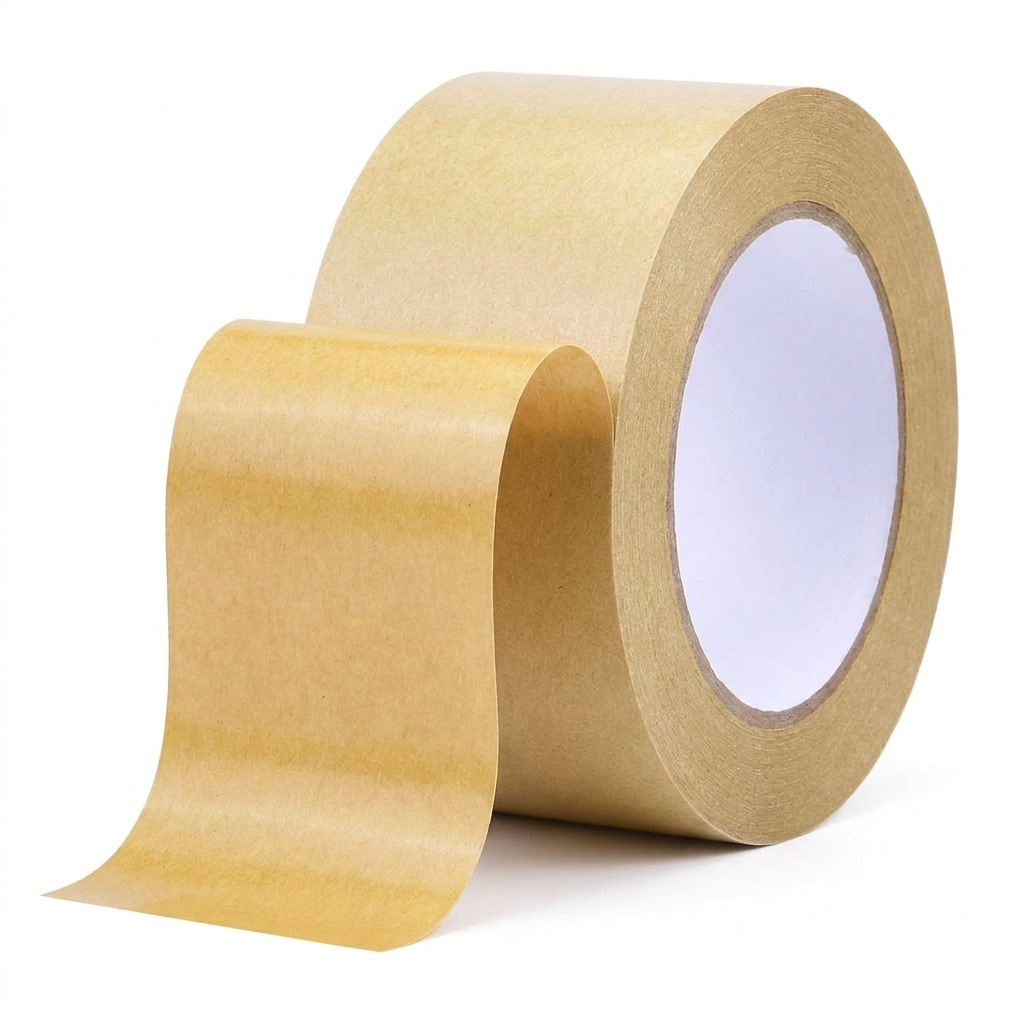
PE Self-Adhesive Kraft Paper Tape Manufacturer
PE Self-Adhesive Kraft Paper Tape is made from durable kraft paper laminated with a PE coating and a strong pressure-sensitive adhesive. It offers moisture resistance, excellent tear strength, and reliable adhesion, making it ideal for carton sealing, packaging, bundling, labeling, and general industrial use.
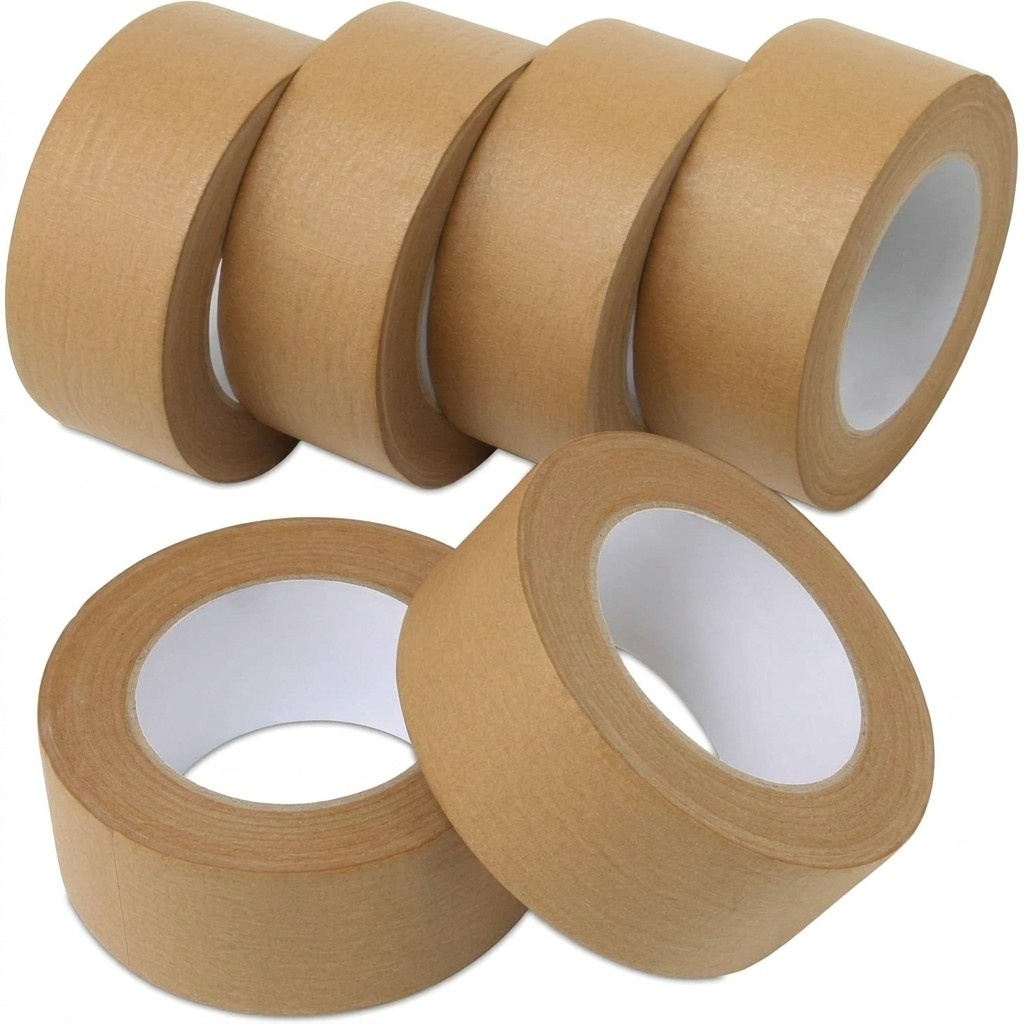
Kraft Paper Tape Manufacturer
Kraft Paper Tape is an eco-friendly adhesive tape made from durable kraft paper. It provides strong adhesion, easy tearability, and reliable sealing performance, making it ideal for carton sealing, packaging, labeling, crafts, and general office use.
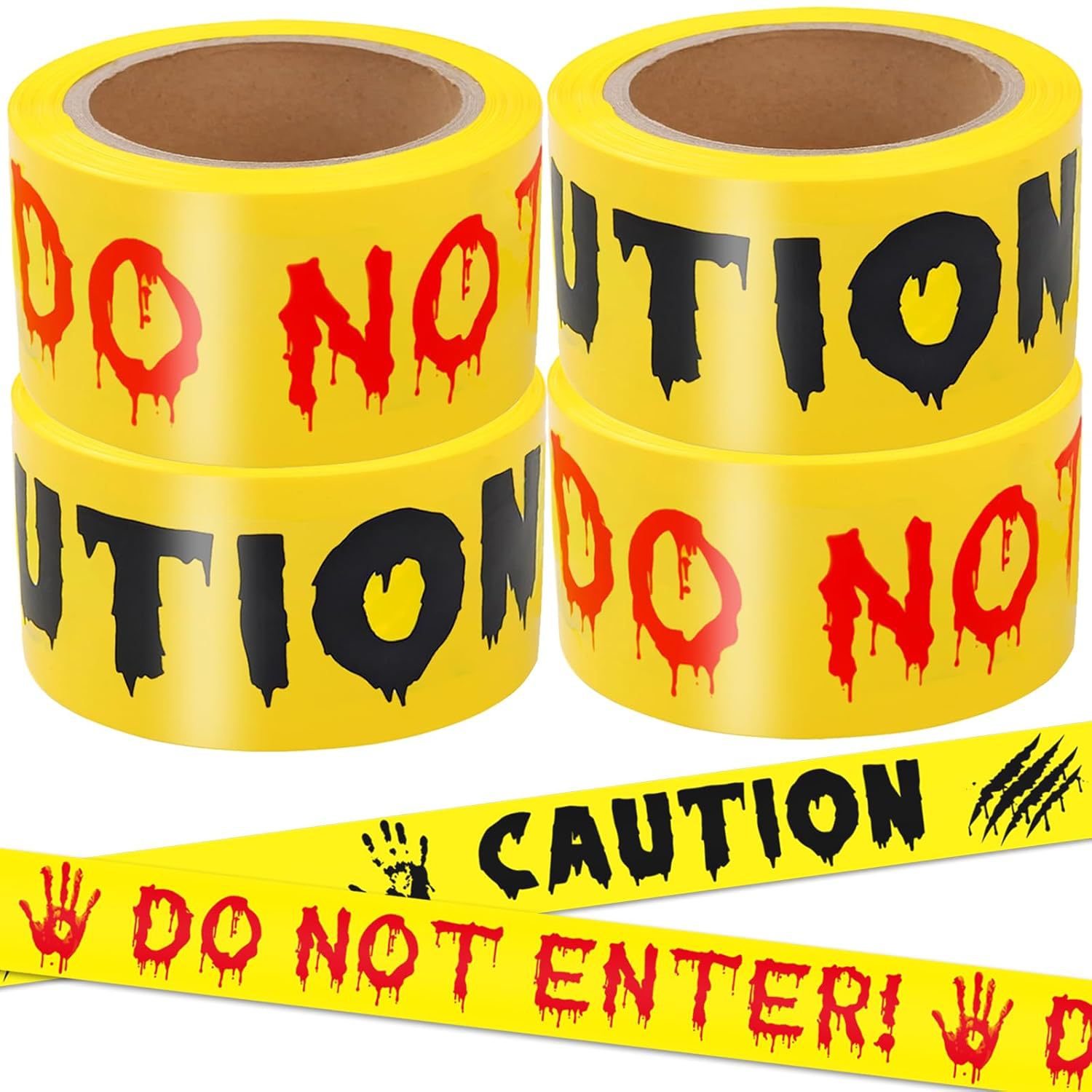
Halloween Caution Tape Manufacturer
Halloween Caution Tape is a festive decorative tape featuring spooky Halloween designs and caution-style lettering. It is ideal for decorating parties, haunted houses, windows, doors, yards, and event spaces, creating a fun and eye-catching atmosphere.
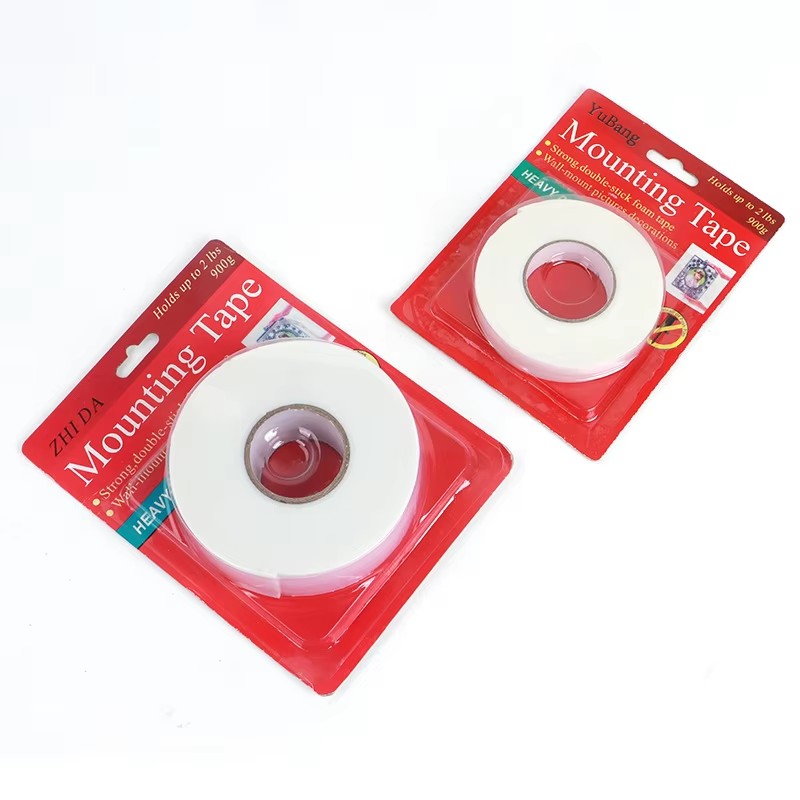
Mounting Tape Manufacturer
Mounting Tape is a strong double-sided adhesive tape designed for securely mounting and fixing items without screws or nails. It provides excellent adhesion, durability, and easy application, making it ideal for signs, decorations, hooks, frames, mirrors, and household or office accessories.