Duct Tape Wholesale Buying Guide for Hurricane Season 2026
  • 21,August

Duct Tape Wholesale Buying Guide for Hurricane Season 2026

HONF duct tape supports waterproof repair, sealing, marking, and maintenance, with bulk and OEM supply. Request samples or a wholesale quote.
Deck Joist Tape vs Waterproof Repair Tape A Buying Guide for Distributors
  • 20,August

Deck Joist Tape vs Waterproof Repair Tape: A Buying Guide for Distributors

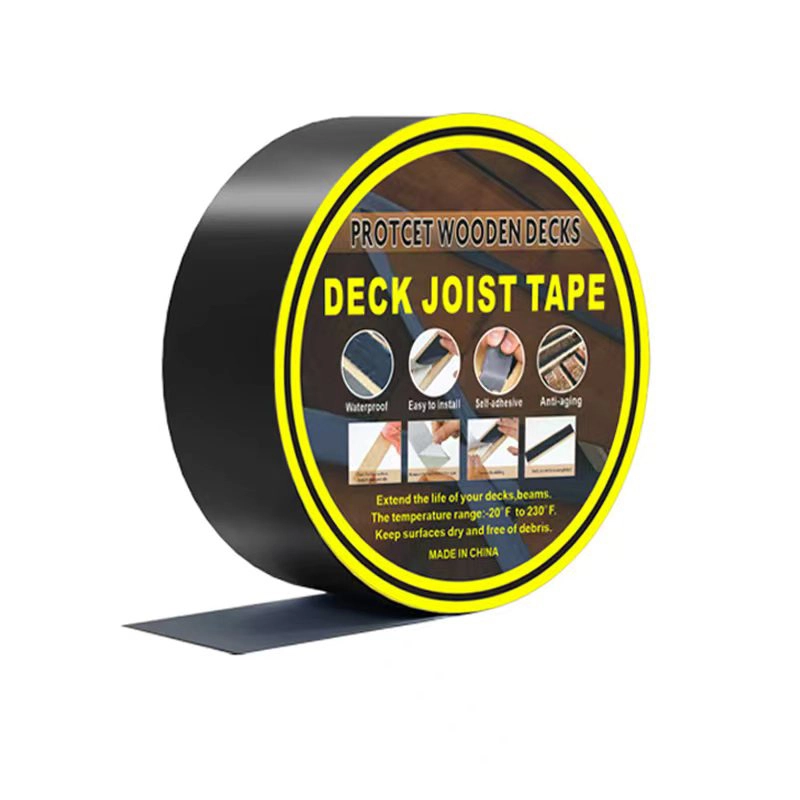
HONF deck joist tape protects wood framing, while waterproof repair tape seals leaks and joints. Request samples, OEM packaging, or a bulk quote.
Floor Marking Tape vs. Paint 2026 Warehouse Buying Guide
  • 14,August

Floor Marking Tape vs. Paint: 2026 Warehouse Buying Guide

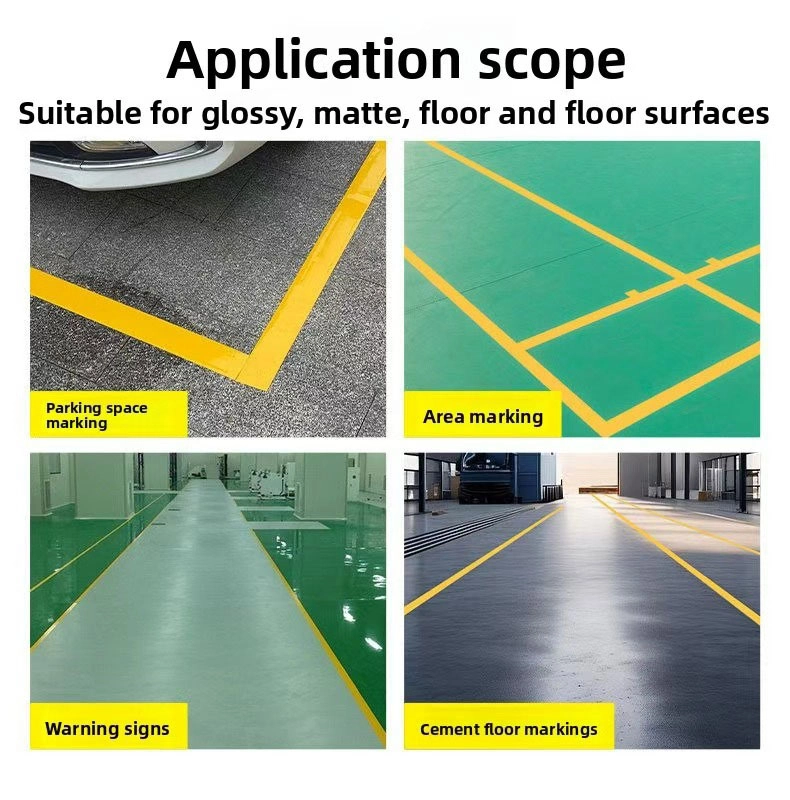
Warehouse automation in 2026 is moving beyond isolated robot projects. Many facilities now manage employees, forklifts, pallet jacks, AGVs, and AMRs in the same building. Industry planning increasingly favors the “robot-ready warehouse,” where layouts and safety controls can adapt as equipment and workflows change. Pedestrian walkways, forklift lanes, charging points, staging areas, and restricted zones still need clear visual boundaries. For warehouse managers and procurement teams, the buying question is practical: floor marking tape or paint?   Why Automated Warehouses Need a Flexible Marking Plan AGV Routes, AMR Zones, and Mixed Traffic ISO 3691-4:2023 covers driverless industrial trucks, including automated guided vehicles and autonomous mobile robots. The standard also recognizes that conditions inside the operating zone affect safe operation. Floor lines do not replace barriers, sensors, traffic rules, employee training, or a site risk assessment. They serve a different purpose: giving workers, visitors, and equipment operators an immediate visual cue. Some AGVs follow predefined routes, while AMRs navigate more dynamically. Both environments may still need visible markings around crossings, charging stations, work cells, pallet queues, and restricted areas. Warehouse Layouts Change More Often Automation projects often grow in stages. A pilot route expands, a packing cell moves, or peak season creates a temporary staging lane. Warehouse floor marking tape can make these changes easier because individual sections can be removed and replaced as the layout changes. Paint may be the better fit where rack positions and traffic lanes will remain fixed for years. Floor Marking Tape vs. Paint: Key Buying Factors Installation and Operational Downtime Tape installation usually involves cleaning, drying, measuring, and applying the line. Paint may also require masking, ventilation, drying, and curing before normal traffic resumes. Closing one cross-aisle can redirect forklifts or push installation into an overtime shift. That cost may not appear on the material quote, but it belongs in the purchasing calculation. Maintenance and Layout Changes A damaged tape section can often be replaced locally. A worn painted line may require surface preparation, repainting, and another drying period. Neither option performs well over oil, dust, standing moisture, cracks, wax, or loose coatings. Surface condition comes first. Buying factor Floor marking tape Paint Installation Applied after surface preparation Usually requires masking and drying Layout changes Individual sections can be revised Old lines may need repainting Line width Consistent manufactured width Depends more on application quality Maintenance Local sections can be replaced Worn areas generally need repainting Typical fit Changing or phased layouts Stable, long-term layouts When Warehouse Floor Marking Tape Is the Better Choice Changing Routes and Clean Indoor Floors Warehouse floor marking tape often suits pilot projects, temporary staging lanes, revised pedestrian paths, charging areas, robot cells, and no-storage zones. A facility can update one section without repainting the full traffic route. Do not approve industrial floor marking tape from the phrase “heavy duty” alone. Forklift turns, pallet drag, carts, and floor scrubbers create different wear patterns. Test a sample in at least three places: A straight aisle with regular traffic A forklift turning point An intersection exposed to cleaning equipment Concrete, epoxy, tile, and sealed floors may be suitable when the surface is dry, stable, and free of oil, loose paint, dust, or wax. A sample that looks fine beside an office door may behave differently near outbound loading. For cold, wet, or condensation-prone areas, floor marking and slip prevention may require separate products and installation methods. HONF’s guide to cold-storage anti-slip tape selection examines those conditions in more detail. When Paint May Be the Better Choice Permanent Layouts and Difficult Surfaces Paint may suit fixed rack layouts, stable vehicle routes, and facilities with planned shutdown windows. It can also make sense where repainting is already part of the maintenance schedule. For U.S. workplaces using mechanical handling equipment, OSHA requires permanent aisles and passageways to be appropriately marked. The rule does not require one specific marking product. Porous concrete, deep cracks, standing moisture, oil contamination, and failing floor coatings may need repair before either tape or paint is applied. A floor trial should evaluate the substrate, not just the adhesive. Choosing Colors and Safety Zones Use One Facility-Wide Color System Document what each color and pattern means across the site. Common categories include: Pedestrian walkways Forklift lanes AGV operating areas Caution zones Storage positions Charging points Restricted spaces A 5S color chart can support internal consistency, but it is not a universal legal code. Local rules, customer requirements, company standards, and the site risk assessment still apply. HONF’s road safety tape range includes products for floor marking, warning, visibility, and slip-prevention applications. This can help buyers build a broader warehouse zoning plan instead of expecting one tape to handle every area.   Confirm Aisle Width and Local Requirements An archived OSHA interpretation recommends aisle-marking lines between 2 and 6 inches wide. It also notes that different colors and line formats may be used when the aisle remains clearly defined. Because the interpretation is archived, it should be treated as historical guidance rather than a new legal requirement. International buyers should also check the rules in the destination market and the customer’s own warehouse marking standard. What to Include in a Floor Marking Tape RFQ Surface, Traffic, and Commercial Details A floor marking tape supplier needs more than a color and roll count. A useful RFQ should include: Floor material, coating, age, and current condition Cleaning chemicals and cleaning equipment Pedestrian, cart, forklift, AGV, and AMR traffic Corners, crossings, turning points, and pallet-drag areas Required width, pattern, color, and roll length Photos or a simple floor layout Sample quantity, first order, and annual forecast Destination market and packaging format MOQ, lead time, and OEM requirements Buyers should also ask how the supplier controls dimensional tolerances, batch identification, repeat-order consistency, and product changes. The HONF Wholesale & OEM Adhesive Tape Buying Guide provides a broader checklist for sample approval, customization, packaging, and repeat-order planning. Once the site requirements are documented, buyers can compare samples and commercial terms on the same basis. The lowest roll price is not always the lowest installed cost. Labor, downtime, replacement, and future layout changes all count. How to Specify HONF Floor Marking Tape AGV and Warehouse Applications HONF supplies AGV Floor Marking & Safety Tape for AGV routes, warehouse safety lanes, forklift traffic management, and factory floor organization. HONF’s AGV Floor Marking & Safety Tape is listed at 1.1 mm thick and 50 mm wide. It is designed for use on concrete, epoxy, tile, and sealed floors, subject to surface preparation and site testing. Those specifications suit visible zoning and forklift lane marking projects, but the final choice should follow a site trial. Floor coatings, cleaning methods, turning loads, and wheel traffic can change the result. Information to Send HONF For an application review and quotation, provide: Floor type and current condition Required line width, color, and pattern Traffic type and intensity Cleaning method Layout photos or drawings Trial quantity and annual demand OEM packaging requirements This gives HONF enough detail to recommend a relevant sample instead of guessing from a short request such as “yellow warehouse tape price.” Conclusion The choice between paint and floor marking tape depends on layout stability, surface condition, traffic, downtime, maintenance, and total installed cost. Paint may suit permanent routes. Tape may fit automated warehouses that need shorter installation windows or expect frequent layout changes. For AGV routes, forklift lanes, pedestrian zones, or 5S projects, send HONF the floor details, traffic conditions, required dimensions, and estimated order volume to request samples and a commercial quotation. FAQ Q1: Is floor marking tape better than paint for an automated warehouse? A: Neither option is always better. Tape often suits changing layouts and shorter installation windows, while paint may suit permanent routes and planned maintenance shutdowns. Q2: What surfaces can be used with warehouse floor marking tape? A: Clean concrete, epoxy, tile, and sealed floors may be suitable. Adhesion still depends on coating condition, dust, oil, moisture, wax, and cleaning chemicals. Q3: Does OSHA require yellow floor markings in warehouses? A: OSHA requires permanent aisles and passageways to be appropriately marked where mechanical handling equipment is used. The current rule does not require yellow for every aisle. Q4: What should buyers ask a floor marking tape supplier before ordering? A: Buyers should confirm floor compatibility, dimensions, color, sample availability, traffic conditions, MOQ, lead time, batch identification, change control, and OEM options. Q5: What width should warehouse aisle markings be? A: An archived OSHA interpretation recommends a width of 2 to 6 inches. Facilities should also follow current local rules, internal standards, and site-specific safety requirements.

Carton Sealing Tape Procurement Checklist for EU PPWR 2026
  • 13,August

Carton Sealing Tape Procurement Checklist for EU PPWR 2026

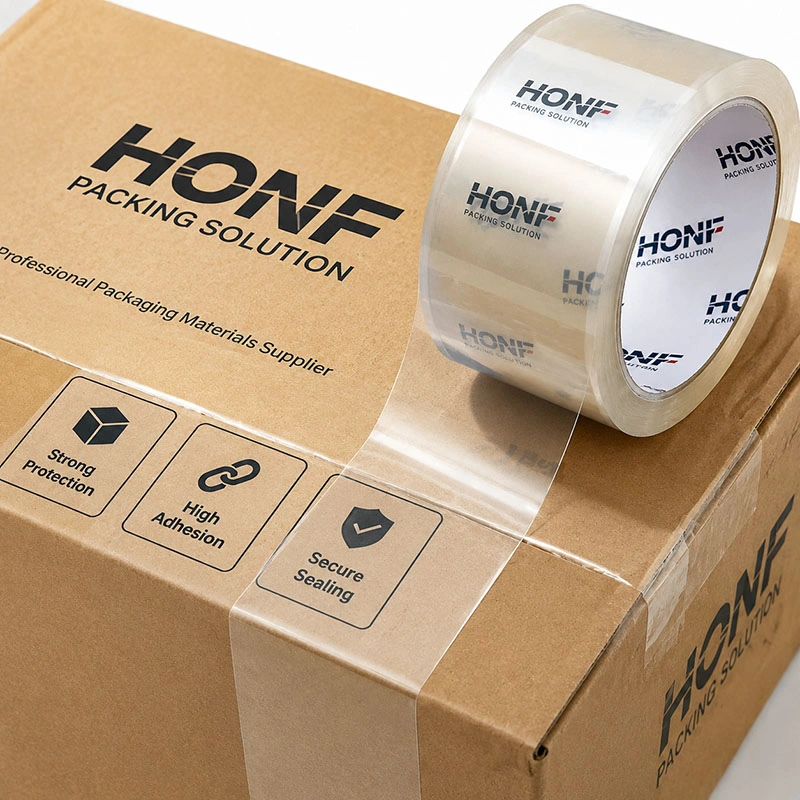
The EU Packaging and Packaging Waste Regulation, known as PPWR, applies from August 12, 2026. For importers, distributors, private-label brands, and fulfillment operators, the change makes packaging records, supplier communication, and traceability more important. Carton sealing tape is a small part of a shipping case, but failure can cause open seams, repeated taping, line stoppages, and damaged cartons. Buyers should review the corrugated board, packed weight, application equipment, transport conditions, and supplier documentation. This article provides procurement guidance, not legal advice. A tape-only statement does not prove that completed packaging meets PPWR requirements.   Why PPWR Changes Carton Sealing Tape Procurement The Finished Packaging Configuration Comes First PPWR applies to packaging placed on the EU market, so a shipping case should be reviewed as one configuration. The carton, tape, labels, coatings, and other components may affect the final assessment. A packing tape supplier can provide specifications, available declarations, test information, and batch details. The relevant economic operator should identify its role and meet the applicable obligations for the finished packaging. Instead of asking whether a roll is “PPWR compliant,” ask more specific questions: What product construction is being supplied? Is the specification controlled? What supporting information is available? Will the buyer be notified about product changes? The general application date is August 12, 2026, while some recyclability requirements arrive later. Procurement teams should organize specifications, test records, and supplier correspondence before an audit or shipment problem occurs. Define the Sealing Job Before Requesting a Quote Carton Weight, Board Surface, and Shipping Route A useful RFQ describes the actual packing job. Record the packed weight, corrugated grade, surface condition, storage temperature, humidity, transit time, and pallet pattern. Recycled corrugated boxes may have rough or dusty surfaces. Test the tape on the actual board, not a clean sample carton. Seal the case at normal weight, store it for a realistic period, then inspect the center seam and end flaps. Manual Packing or Automatic Case Sealing Tell the BOPP tape manufacturer whether operators use a hand dispenser, tape gun, or automatic case sealer. Width, roll length, core diameter, unwind force, and winding consistency can affect packing-line performance. Low noise packing tape can help in busy fulfillment centers where several workstations run throughout the day. Quiet unwind is useful, but the shipping tape must also feed cleanly and hold through storage and delivery. Technical Specifications for Carton Sealing Tape Construction and Performance Data A complete quotation request should identify the BOPP backing, adhesive system, total thickness, width, length, core diameter, color, and dimensional tolerances. Buyers may also request data for: Adhesion Initial tack Holding power Tensile strength Recommended temperature conditions Test values are comparable only when the method, substrate, conditioning time, temperature, and units are stated. Two rolls of clear packing tape can look alike yet behave differently on a cold, dusty, or recycled carton. HONF’s BOPP carton sealing tape is listed as a 1.8 mil acrylic-adhesive tape in a 2-inch by 110-yard format. It is intended for shipping, warehouse packing, e-commerce fulfillment, storage, and general carton-sealing work. Carton Sealing Tape Procurement Checklist Area What to confirm Why it matters Application Board, packed weight, surface, and route Defines performance needs Construction Adhesive, thickness, width, length, and core Keeps quotations comparable Equipment Hand dispenser or automatic case sealer Reduces feeding problems Documents Product code, specification, and batch details Supports traceability Testing Actual cartons and working conditions Finds issues before bulk orders Terms MOQ, lead time, OEM packing, and change notice Supports repeat purchasing Compare quotations only when the main specifications match. A lower price may reflect a shorter roll, different thickness, smaller core, or less suitable construction. Documents to Request From a Packing Tape Supplier Product Identification and Change Control Request a current specification, product code, construction description, available declarations or test reports for the destination market, and a batch-identification method. Ask whether the lot code connects to production records. Change control also matters. Changes to the film, adhesive, core, coating process, or winding setup may affect performance and an earlier packaging review. The buyer should receive notice before an approved construction changes. For a broader review of samples, MOQ, custom packaging, and supplier qualification, buyers can also read HONF’s wholesale and OEM adhesive tape buying guide. Separate Supplier Information From Buyer Responsibility Supplier documentation supports the packaging review; it does not replace it. Importers and distributors should confirm: Who prepares the technical file Who reviews the completed packaging Who maintains records for the EU market Who approves changes to the packaging configuration This distinction is particularly important for private-label programs. Changing a product specification, package format, or branding arrangement may affect the buyer’s responsibilities. Test Packing Tape Before a Bulk Order Run a Production-Representative Trial Test more than one roll with the normal dispenser or machine. Apply the packing tape to the actual carton and check the seal immediately, after storage, and after handling. Watch for: Edge lifting or flagging Film tearing Poor machine feeding Loose center seams Adhesive transfer Covered labels or barcodes Where relevant, include temperature changes, stacking, pallet movement, and basic transport simulation. A sample that performs well on a desk may behave differently after several days in a warehouse. Compare Total Packing Cost, Not Just Roll Price A longer roll may reduce changeovers. Cleaner unwind may cut line interruptions. Better carton holding may reduce double-taping, rework, and repacking. For that reason, “heavy duty packing tape” is not a complete purchasing specification. Buyers need measurable details and a sample that represents the intended bulk order. Working With HONF on BOPP Tape Sourcing Product Options for Commercial Packing HONF is the adhesive tape brand of Yiwu Hongfu Adhesive Products Co., Ltd.   For quieter packing areas, transparent low noise BOPP packing tape is compatible with standard dispensers and tape guns. Its clear finish also keeps labels and barcodes visible. For standard brown corrugated cartons, HONF’s brown low noise BOPP packing tape comes in a 2-inch format described for most handheld dispensers and automatic packing machines. Where package appearance and label visibility are priorities, super clear BOPP packing tape provides a clear acrylic-adhesive option for shipping, warehouse, e-commerce, and storage applications. The right product still depends on the carton, equipment, storage conditions, and order requirements. A product name alone is not enough to make a reliable purchasing decision. What to Include in Your HONF Inquiry Send the following information when requesting samples or pricing: Carton type and packed weight Required tape width, length, and thickness Color and core size Manual or automatic application Storage and transport conditions Destination market Initial order quantity Estimated annual demand OEM or private-label packaging requirements A BOPP tape manufacturer can respond more accurately when the inquiry describes the application. “Best price for packing tape” usually leads to another round of questions. Conclusion A documented PPWR procurement process starts with a clear carton sealing tape specification, representative testing, controlled supplier records, and defined responsibility for the finished packaging. Buyers should compare total packing performance, not only the price per roll. For bulk packing tape, OEM packaging, or warehouse trial samples, contact HONF for a product recommendation and quotation. Share the carton details, application method, destination market, and estimated demand so HONF can review the request and prepare a suitable proposal. FAQ Q1: Does PPWR require a separate certificate for BOPP carton sealing tape? A: A tape-only certificate does not prove that finished packaging meets PPWR requirements. The relevant economic operator assesses the finished packaging, while the packing tape supplier provides the applicable product information. Q2: What documents should buyers request from a packing tape supplier? A: Request the current specification, product code, construction details, available declarations or test reports, batch-identification method, change-notification process, MOQ, and lead time. Q3: How do you choose carton sealing tape for recycled cardboard boxes? A: Test the tape on the actual board at normal packed weight. Check adhesion after storage and handling because recycled cartons may have rough, dusty, or inconsistent surfaces. Q4: Can low noise packing tape run on an automatic case sealer? A: It may, provided the width, core, roll diameter, unwind behavior, and machine settings are compatible. Run a production trial before buying in bulk. Q5: What information does a BOPP tape manufacturer need for an OEM quote? A: Provide the required dimensions, color, core size, carton weight, board type, application method, destination market, quantity, annual forecast, and private-label packaging requirements.
RV Repair Tape for Camper Roof Leak Sealing and Repairs
  • 7,August

RV Repair Tape for Camper Roof Leak Sealing and Repairs

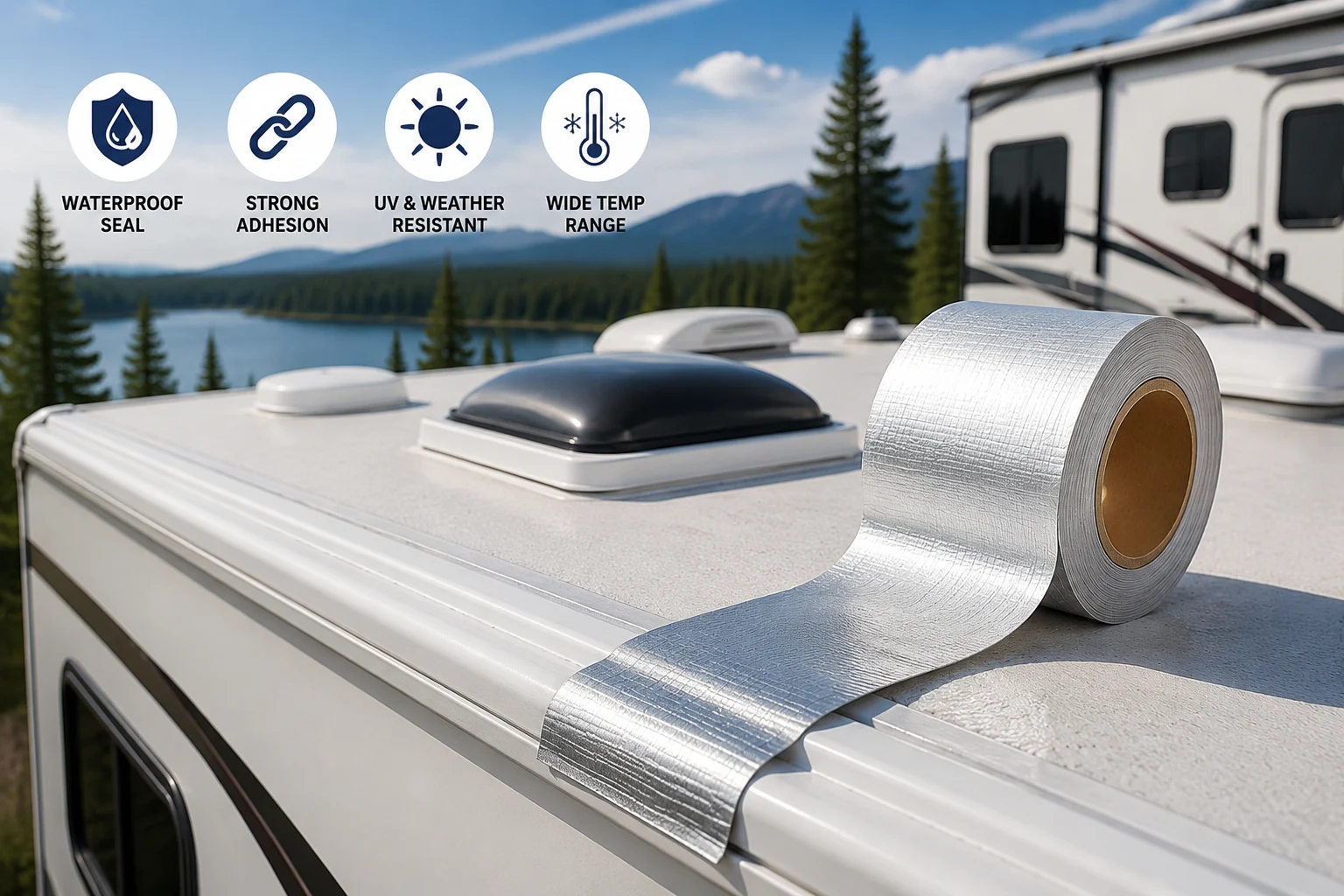
An RV roof problem often starts in a place that is easy to overlook. A small opening around a roof vent, a worn seam after years of outdoor exposure, or a loose sealing area near an exterior connection may not look serious at first. But after repeated rain, temperature changes, and road vibration, moisture can gradually find its way inside the vehicle. For RV owners, these situations often happen during travel. A leak discovered at a campground or during a road trip is not always easy to repair immediately. Having a compact repair material available can help protect the affected area until a more complete maintenance job can be arranged. For RV accessory distributors and repair product suppliers, these user needs create demand for products that are easy to store, simple to apply, and suitable for outdoor conditions. RV repair tape is designed for waterproof sealing and maintenance applications, including camper roofs, seams, vents, and other exterior repair areas. It provides a convenient option for users who need quick protection against water exposure. HONF manufactures adhesive tape products for construction, industrial, and repair applications. The company develops waterproof tape solutions for customers looking for outdoor sealing products, customized specifications, and B2B supply cooperation.   Common RV Leak Problems That Require Fast Repair Roof Seams, Vents, and Exterior Connection Areas RV roofs are exposed to more than just rain. During normal use, campers and trailers experience sunlight, wind, temperature changes, and constant movement on the road. These conditions can gradually affect sealing areas, especially around places where different materials connect. Common areas that may require repair include: Roof seams Vent openings Skylight edges Window frames Awning rails Exterior joints Roof vents are one area that often receives attention during maintenance. The opening itself may remain stable, but the surrounding sealant can become worn after long-term exposure. Many RV owners keep RV roof repair tape available because it can be used when small leaks appear around these vulnerable areas. For example, a camper parked outdoors after a heavy storm may show moisture around a ceiling vent. A temporary seal applied quickly can help reduce further water entry before professional repair. How Weather and Travel Conditions Affect RV Sealing RV maintenance is different from many stationary building repairs. A house usually stays in one location. An RV moves through different environments. A single trip may include: Hot highway conditions Heavy rain Cold overnight temperatures Dusty outdoor parking areas These changes place additional stress on exterior sealing points. Road vibration can also affect areas where different surfaces meet. Over time, small gaps may appear around seams or connection points. For this reason, many travelers carry camper repair tape as part of their basic maintenance supplies. It takes little storage space and can be useful when unexpected situations happen away from a repair facility. How RV Repair Tape Helps with Waterproof Maintenance Building a Strong Seal on Outdoor Surfaces Outdoor repair tape needs to perform differently from ordinary indoor adhesive products. An RV may stay under direct sunlight for weeks or face heavy rainfall during a trip. The tape needs to maintain adhesion while dealing with changing outdoor conditions. When selecting waterproof RV tape, buyers usually consider: Feature Buyer Consideration Adhesive strength Helps maintain bonding after application Surface compatibility Determines whether the tape fits different repair areas Waterproof performance Supports outdoor sealing applications Flexibility Helps cover curved or uneven surfaces Roll size Matches different customer requirements HONF RV repair tape is developed for outdoor sealing applications where adhesion and waterproof protection are important factors. Depending on the repair situation, the tape can be used around areas such as roof surfaces, seams, and exterior connection points.   Easy Application for Field Repairs One reason repair tape is commonly used in RV maintenance is the simple application process. Most field repairs do not require special tools. A basic application process includes: Cleaning dirt, dust, or loose material from the repair area. Cutting the required tape length. Removing the release liner. Applying the tape onto the surface. Pressing firmly to improve contact. For RV users, the convenience matters. A repair product that can be stored inside a vehicle and used when needed is often more valuable than a complicated system requiring professional equipment. What Buyers Should Know Before Sourcing RV Repair Tape Adhesion, Material Compatibility, and Product Specifications For distributors and importers, product selection involves more than checking whether a tape can stick. They need to consider how the product will be used in the market. Important factors include: Adhesive performance Available roll widths Product packaging Outdoor durability Application range Different customers may have different expectations. An RV accessory retailer may need consumer-friendly packaging for shelves. A repair product supplier may focus more on bulk supply, customized specifications, or private-label options. Understanding these differences helps manufacturers develop products that fit different business requirements. OEM, Packaging, and Distributor Requirements For overseas buyers, supplier capability is an important part of the sourcing process. Distributors often look at: Production consistency OEM support Custom packaging options Specification flexibility Communication efficiency A manufacturer that understands both product performance and market requirements can provide better support for long-term cooperation. HONF works with business customers that need adhesive tape manufacturing solutions, including customized products for construction, repair, and industrial applications. Applications of RV Repair Tape Beyond Camper Roof Repair Outdoor Equipment and Emergency Maintenance Although RV maintenance is one of the main applications, waterproof repair tape can also support other outdoor repair situations. Common uses may include: Tents Tarps Outdoor covers Camping equipment Temporary waterproof repairs Outdoor users often prefer products that are easy to carry and ready to use when conditions change. For distributors, adding RV sealing tape to an outdoor maintenance product range can help serve customers who need simple repair materials for different activities. Selecting an RV Repair Tape Manufacturer for Business Supply Choosing an RV repair tape supplier involves evaluating more than the product itself. Importers and brands usually consider: Manufacturing capability Quality consistency Customization options Packaging requirements Supply stability HONF specializes in adhesive tape manufacturing for construction, industrial, and repair markets. The company provides tape solutions for customers looking for waterproof sealing products, customized specifications, and OEM cooperation. For RV accessory distributors, outdoor product brands, and repair material suppliers, working with a manufacturer that understands application requirements can make product sourcing more efficient. Conclusion RV repairs are often about dealing with small issues before they become larger problems. A damaged seam or loose sealing area may not immediately stop a trip, but moisture can create additional repair work if the area is left exposed for too long. Using RV repair tape gives users a convenient option for waterproof sealing during travel, maintenance, and outdoor activities. For businesses sourcing repair tape products, supplier capability is also part of the decision. Product specifications, customization options, and production support all influence whether a product can meet market demand. HONF provides adhesive tape manufacturing solutions for customers looking for waterproof repair products and customized supply cooperation. FAQ Q1: What is RV repair tape used for? A: RV repair tape is commonly used for sealing camper roofs, seams, vents, cracks, and exterior areas where waterproof protection is needed. It is often used for maintenance repairs and temporary sealing during travel. Q2: Can RV roof repair tape seal leaks around vents and seams? A: Yes. RV roof repair tape can be applied around roof seams, vent edges, and other exterior connection areas where moisture may enter. Proper surface preparation helps improve adhesion. Q3: How long does waterproof RV tape last outdoors? A: The service life of waterproof RV tape depends on factors such as weather exposure, surface condition, installation method, and usage environment. Products designed for outdoor applications are generally better suited for changing conditions. Q4: What surfaces can camper repair tape be applied to? A: Camper repair tape can be used on many common outdoor repair surfaces, depending on product specifications and surface conditions. Buyers should check material compatibility before application. Q5: What should distributors consider when sourcing RV repair tape? A: Distributors usually evaluate adhesive performance, roll sizes, packaging options, customization capability, and supplier production capacity when selecting RV repair tape products.
Deck Joist Tape Guide Protect Deck Framing from Moisture
  • 6,August

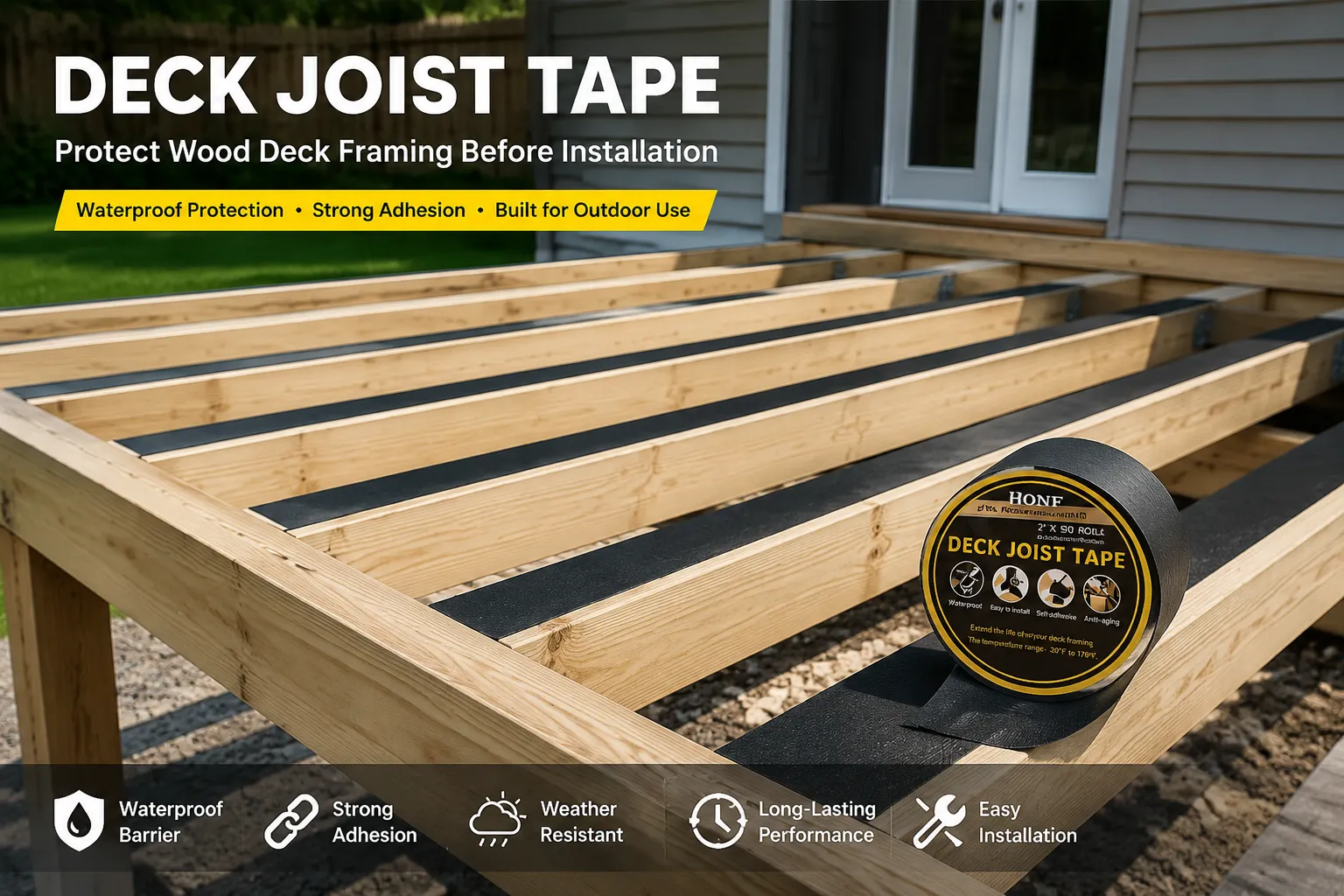
Deck Joist Tape Guide: Protect Deck Framing from Moisture

Deck framing is usually completed quickly on a busy construction site, but the material choices made at this stage can affect the condition of the structure later. The joists are installed before anyone sees the finished surface. After the decking boards, railings, and other components are in place, most of these areas are no longer easy to access. During this stage, the top of a joist is directly exposed to jobsite conditions. Rain, morning moisture, dust, and repeated temperature changes can all affect the wood surface. Water may also stay around screw locations after the decking is installed. For builders working with wood decks, protecting these areas before closing the structure is part of the installation planning. Deck joist tape is applied on the exposed joist surface before the deck boards are fixed, creating an additional layer between the wood and outdoor moisture. The installation does not change the normal construction process. Workers can measure the required length, apply the tape, and continue with the next installation step. For construction material buyers, product selection usually involves several factors. Adhesive strength, tape width, roll specifications, packaging, and supplier production ability all need to match the requirements of the target market. HONF manufactures adhesive tape products for construction, industrial, and repair applications. The company supplies waterproof tape and specialty adhesive products for customers looking for customized specifications and B2B supply cooperation.   Why Deck Framing Needs Protection Before Installation Moisture Often Enters Through Small Openings A completed deck hides most of the structural components underneath. Homeowners see the finished boards and overall appearance, while builders focus on what supports the structure below. Joists are exposed to outdoor conditions throughout the year. Even when builders use pressure-treated lumber, moisture can still reach the surface through rainfall, condensation, and fastener openings. The problem usually develops slowly. A typical moisture cycle looks like this: Rainwater reaches the exposed wood surface. The lumber absorbs moisture. The surface dries during warmer periods. The same process repeats over different seasons. After years of repeated exposure, these small moisture events may affect the condition of the framing. Areas that usually receive more attention include: Area Reason for Protection Joist tops Direct exposure before decking installation Screw locations Small openings created during fastening Beam connections Areas where moisture may collect Ledger areas Important structural connection points This becomes more noticeable in regions with frequent rainfall, coastal humidity, or strong seasonal temperature changes. Protecting the Structure While It Is Still Accessible Timing matters during deck construction. Once wood boards or composite decking are installed, reaching the joists underneath becomes difficult. Removing finished materials later can increase labor costs and extend repair time. Applying deck flashing tape before installation keeps the process simple. The worker can clean the joist surface, apply the tape, and continue with the normal construction workflow. There is no need for complicated equipment or additional preparation steps. For many installers, that is the main advantage. The protection process fits into the job instead of interrupting it. How Deck Joist Tape Works During Construction Creating a Barrier on Exposed Joist Surfaces The purpose of deck joist tape is straightforward. It covers exposed areas of the framing before they are hidden beneath the finished deck surface. During installation, the tape is applied along the top of joists and beams. After the decking boards are attached, the tape remains between the wood and possible moisture exposure. The installation process generally includes: Cleaning dust and loose materials from the joist surface. Measuring the required tape length. Removing the release liner. Applying the tape directly onto the wood. Pressing the surface to improve contact. Because the installation process is simple, many contractors can add it to their existing workflow without changing their normal construction methods.   Supporting Different Decking Materials and Project Types Deck projects vary depending on location, design, and material choice. Some residential projects use pressure-treated pine. Others may use cedar framing or composite decking systems. Commercial outdoor structures may require different specifications because of size, traffic, and exposure conditions. The material selection may change, but the construction goal remains similar: protect vulnerable areas before they become difficult to reach. For these applications, waterproof tape for deck joists provides an additional layer of protection during the framing stage. What Builders Should Consider When Choosing Deck Protection Tape Adhesive Performance for Outdoor Conditions Not every adhesive tape product is designed for outdoor construction. A deck protection tape needs to maintain contact after installation while facing changing weather conditions. Summer heat, winter cold, rainfall, and humidity can all affect how a material performs over time. When selecting deck joist tape, contractors and purchasing teams usually check several product factors: Feature Why It Matters Adhesive strength Helps the tape stay attached after installation Tape thickness Affects coverage and protection level Flexibility Makes application easier on different surfaces Roll width Matches different framing sizes and project requirements Weather resistance Supports outdoor exposure conditions A tape that performs well during installation but loses adhesion after outdoor exposure may not meet project expectations. For this reason, professional buyers often evaluate both product specifications and the supplier behind the product. Different Buyers Have Different Requirements A local deck installer and an international distributor usually approach purchasing from different angles. A contractor may focus on: Easy installation Consistent application Suitable roll sizes Performance on the jobsite A distributor or importer may also consider: Packaging options OEM availability Production capacity Supply planning The right product depends on where and how it will be used. For manufacturers, understanding these differences helps create products that fit different markets instead of offering only one standard option. Where Deck Flashing Tape Is Used Residential Deck Construction Outdoor living spaces continue to grow in many markets. Homeowners are building larger decks, patios, balconies, and backyard structures for everyday use. Although the finished surface receives most of the attention, the supporting frame remains an important part of the project. Common applications for wood deck protection tape include: Residential wood decks Elevated deck platforms Balcony structures Outdoor stairs Garden structures The tape remains hidden after installation. That is normal for many construction materials. Products used in framing are often designed to protect the structure rather than become part of the visible appearance. Commercial Outdoor Projects Commercial outdoor structures often require materials that can perform consistently across multiple installations. Restaurants, hotels, resorts, and public spaces may include outdoor wooden areas exposed to regular weather changes. For suppliers serving these industries, adding products such as deck waterproofing tape can help expand their construction material offering. Contractors working on commercial projects usually look for materials that are easy to install, available in stable supply, and suitable for repeated use. Choosing the Right Deck Joist Tape Manufacturer Manufacturing Capability Matters for Business Buyers For importers and distributors, selecting a supplier involves more than checking one product sample. They usually consider: Manufacturing consistency Product customization Packaging requirements Production capacity Communication efficiency A suitable deck joist tape manufacturer should understand both the product requirements and the needs of different markets. For example, one distributor may need standard rolls for hardware channels, while another may require customized packaging for a private-label brand. Flexible production support allows suppliers to respond to different business situations. Why Choose HONF for Adhesive Tape Solutions HONF specializes in adhesive tape manufacturing for construction, industrial, household, and commercial applications. The company develops tape products based on practical application requirements. Its product range includes waterproof tapes, repair tapes, and specialty adhesive products designed for different working environments. For businesses sourcing construction tape products, HONF supports: OEM cooperation Customized specifications Packaging requirements B2B supply projects Whether the customer is a contractor, distributor, or private-label brand, HONF works with partners to develop adhesive tape products based on specific market requirements. Conclusion A deck frame is easy to overlook after the final boards are installed. It stays hidden, but it continues to face outdoor conditions throughout the year. During construction, protecting exposed joist surfaces is one of the steps that can be completed before access becomes limited. Using deck joist tape gives builders a simple way to add moisture protection while the structure is still open. For construction companies, the product choice depends on project conditions, installation needs, and expected performance. For distributors and importers, selecting a suitable deck joist tape manufacturer also involves evaluating customization options, production ability, and supply support. HONF provides adhesive tape manufacturing services for construction and industrial markets. Businesses looking for customized tape specifications or supply cooperation can contact HONF to discuss their application requirements. FAQs Q1: When should builders install deck joist tape? A: Most builders apply deck joist tape after completing the framing and before installing the decking boards. This stage allows workers to access the joist surface easily and complete the application efficiently. Q2: Can deck flashing tape be used with pressure-treated lumber? A: Yes. Deck flashing tape is commonly used with pressure-treated lumber, cedar framing, and other outdoor wood materials. It adds another protective layer in areas that may experience repeated moisture exposure. Q3: What should buyers consider when choosing waterproof tape for deck joists? A: Buyers usually review adhesive performance, tape dimensions, weather resistance, and production capability. The right waterproof tape for deck joists depends on the project environment and application requirements. Q4: What should distributors look for in a deck joist tape manufacturer? A: Distributors usually consider product consistency, OEM capability, packaging options, and supply stability. A suitable deck joist tape manufacturer should be able to support different market requirements. Q5: Does HONF offer customized adhesive tape products? A: Yes. HONF provides customized adhesive tape solutions for business customers, including different specifications, packaging requirements, and supply support for construction and industrial applications.
Home
WhatsApp
Email
Contacts